Photo credit: Skynesher/istock.com
You can tell a lot about a dog by what it does when the truck door shuts and you start doing “outside stuff.” Some dogs are wired for the job no matter who’s holding the leash. Others are loyal to the bone, but only if their person is the one walking into the woods with them. Those are the dogs that’ll ignore a fresh rabbit trail just to keep their eyes on you, or refuse a treat from a stranger because it didn’t come out of your pocket.
This isn’t a list of the “best” working breeds or the fanciest pedigrees. It’s the dogs that tend to bond hard, follow close, and act like the whole point of the outdoors is being with their owner. If you want a dog that’s less interested in impressing the world and more interested in sticking to your boot tracks, start here.
1. Labrador Retriever
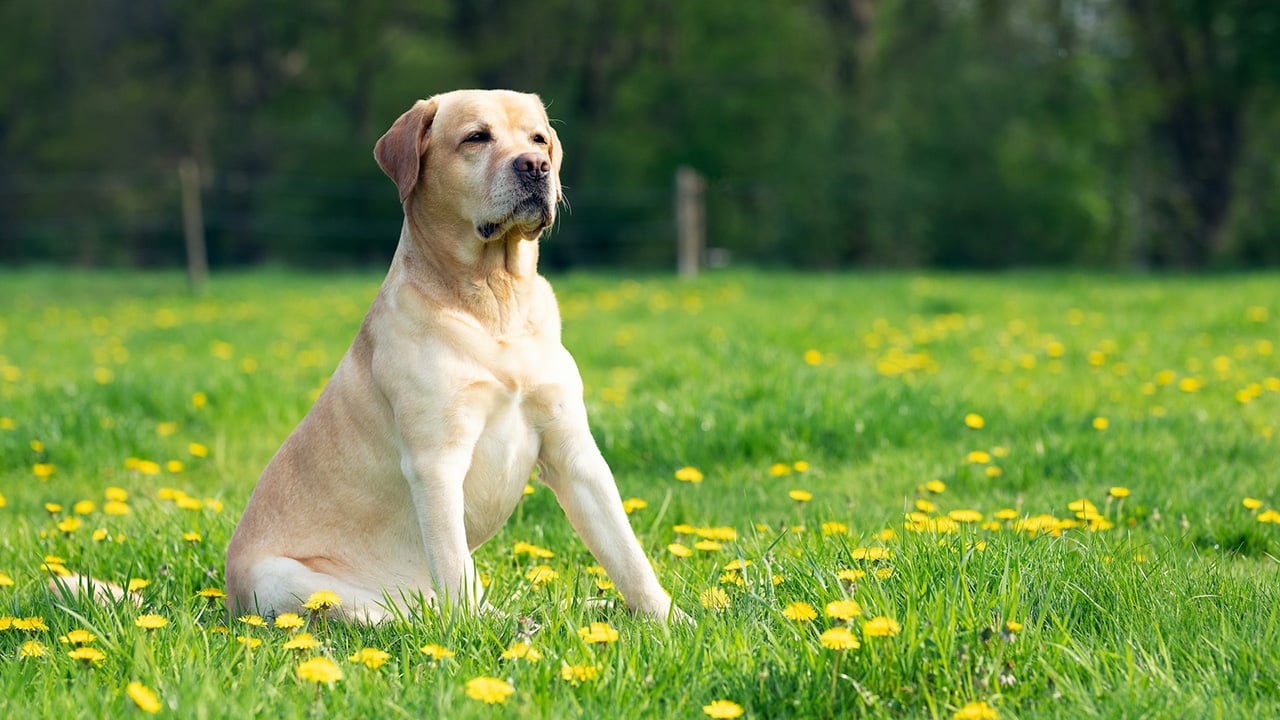
A good Lab will hunt, swim, retrieve, and crash on the couch like it’s been doing it forever. But the real trait that stands out is how much they want to be involved with whatever you’re doing. If you’re checking trail cameras, they’re in the passenger seat before you grab your hat. If you’re walking fence, they’re already at heel like they’ve got a clipboard.
Labs can be social, sure, but they’re usually owner-centered social. They’ll greet a neighbor, then come right back to you for the next instruction. That makes them steady around kids, guests, and busy campsites, as long as you’ve put in the basics. The downside is they don’t love being ignored—leave a Lab behind too many times and you’ll see it in the eyes at the door.
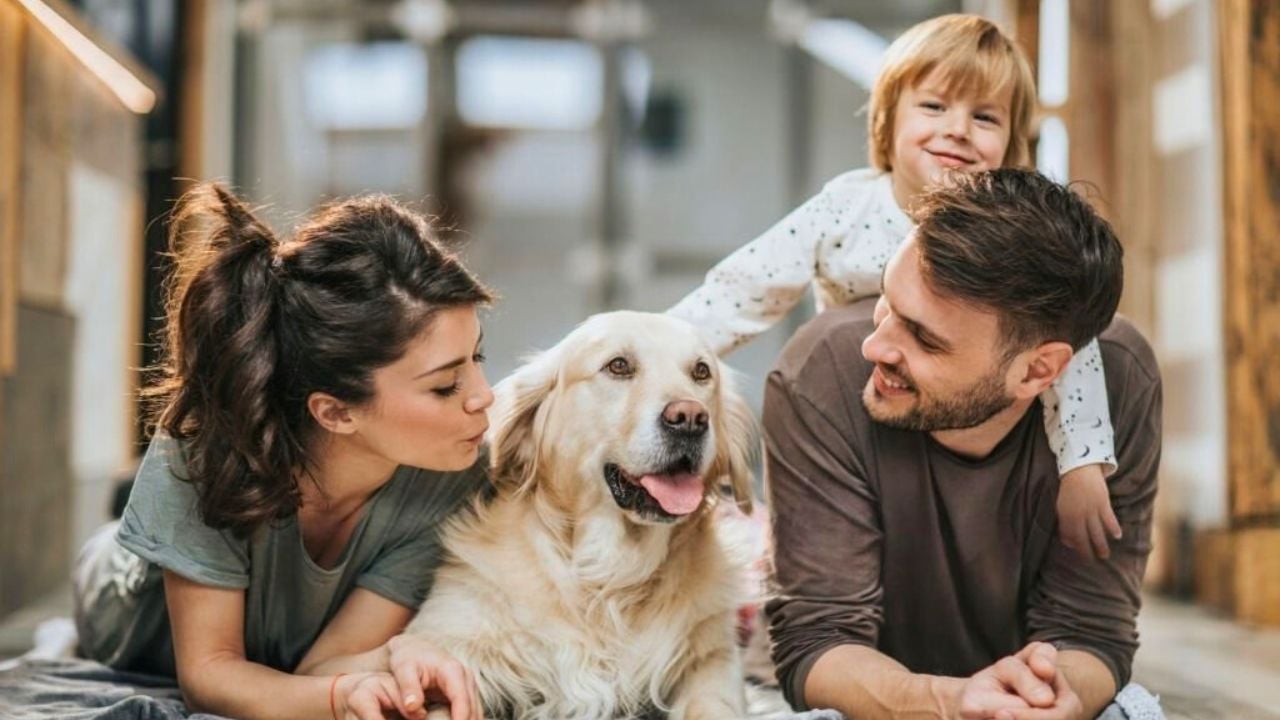
2. Golden Retriever
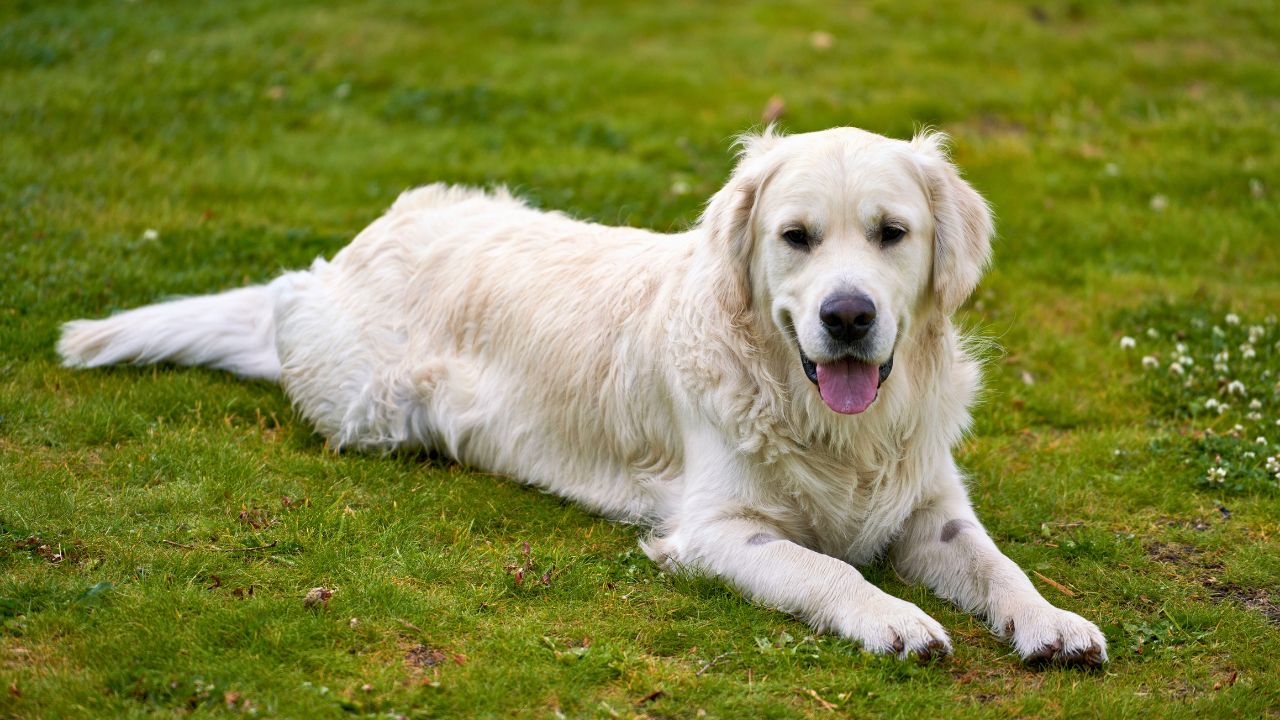
Goldens are often pegged as soft, but in the outdoors they can be downright serious about staying connected. They’ll range a little, then check back like it’s their job to keep tabs on you. On hikes they don’t just run ahead; they turn around and make sure you’re still coming. That “Velcro” tendency is real.
They’re also one of the easier dogs to live with when you’ve got people in and out of camp. They generally want to be close to you more than they want to posture. If you’re the kind of owner who appreciates a dog that reads the room and settles when it’s time, a Golden fits. Just understand the coat is going to bring half the woods home with it.
3. German Shorthaired Pointer

GSPs have engines, no question, but a well-raised one hunts for you, not for itself. They’ll run big and still keep a mental tether to your location. When that bond is right, it’s like hunting with a teammate who’s constantly checking in without being called. They’ll circle back, make eye contact, then go right back to work.
Where they struggle is when owners don’t give them enough job. A bored GSP is an entrepreneur, and not the kind you want. But if you’re actually outdoors a lot—upland birds, long walks, running the back roads—they’re happiest glued to your schedule. They tend to pick one person as “their” person and take direction best from that voice.
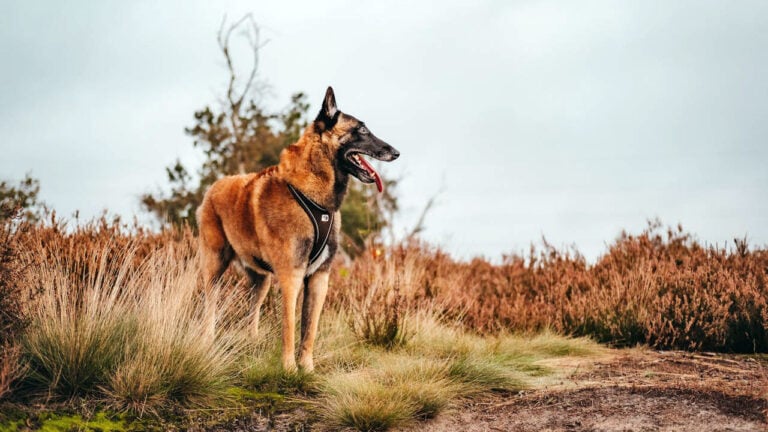
4. German Shepherd

Shepherds are loyal in a way that’s hard to explain until you’ve had one. They don’t just follow you; they monitor you. In the yard they’ll position themselves where they can see the driveway and your back door at the same time. In the woods they’ll keep a protective bubble without being asked.
That bond can be a blessing and a headache. A shepherd that’s deeply attached may not care for strangers handling it, even if it’s not aggressive. They do best when you give them structure and clear rules, especially around guests and other dogs. If you’re the kind of owner who wants a dog that treats the property like a responsibility, this is one of the top candidates.
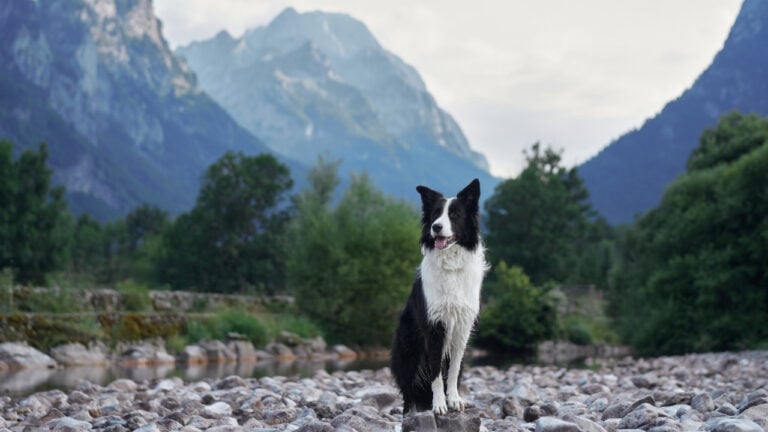
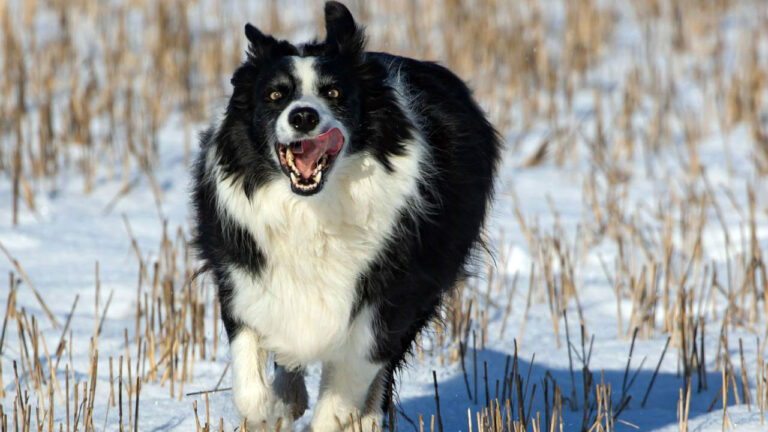
5. Border Collie
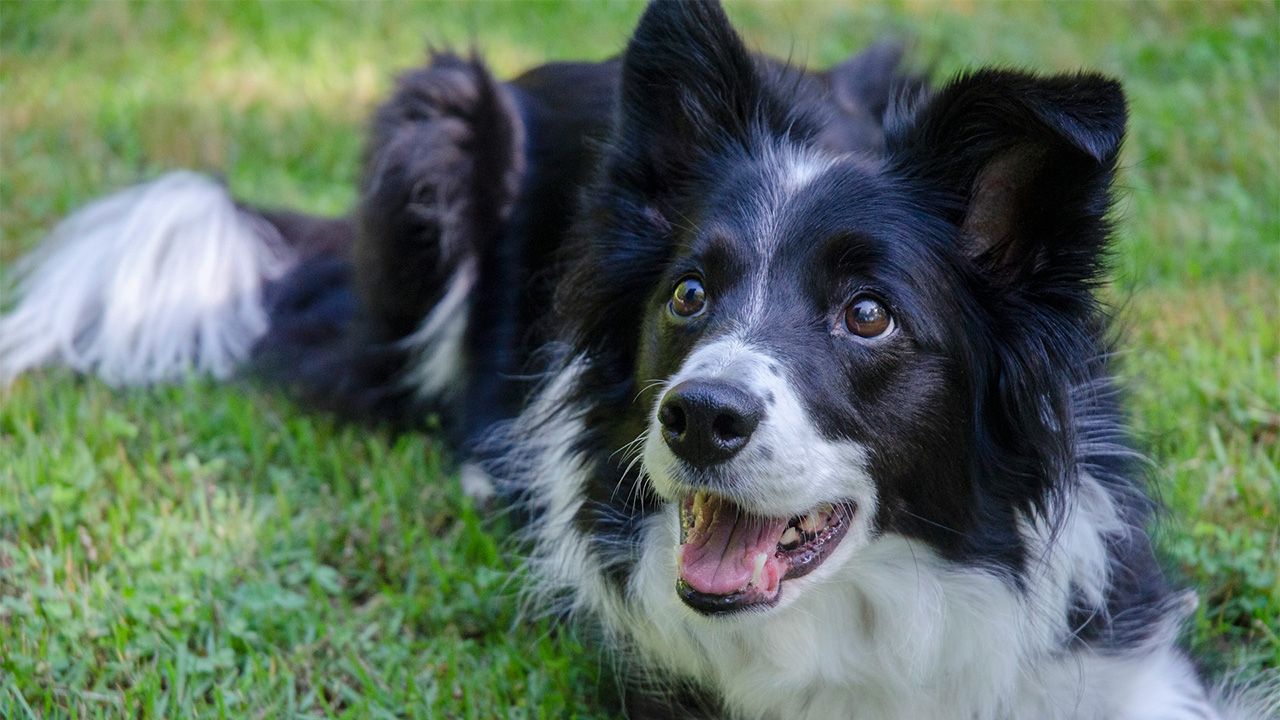
Border Collies were built to work with a person, not independently. You see it in the eyes first—constant reading, constant problem-solving. On a farm or rural place, they’ll shadow you from chore to chore like you’re the whole program. They don’t just want to be near you; they want to understand what you’re doing.
That intensity can be too much for casual owners. They’ll invent jobs, and they’ll try to herd kids, ATVs, or anything moving if they don’t have a real outlet. But if you’ve got land and you’re always doing something—stacking wood, moving equipment, checking livestock—they’re at their best. They bond so hard that boarding them can feel like betrayal to them.
6. Australian Shepherd

Aussies are another breed that tends to pick “their” person and stick close. They’re not usually the dog wandering off to make friends with every camper at the lake. They’ll hang near your boots, watch your hands, and respond fast when you change direction. On property, they learn routines quick and treat your habits like a schedule they enforce.
They’re athletic and tough enough for long days outside, but they do need something to do. If you’re hauling decoys, setting up a blind, or working around a shop, they’ll be right there trying to help. The flip side is they can get anxious if you’re inconsistent. Keep expectations clear and you’ll have a dog that looks at you like the sun rises and sets in your pocket.
7. Vizsla

Vizslas have a reputation as “Velcro dogs,” and it’s earned. They’re affectionate to a level that surprises first-time owners. In the field, many of them hunt close and check back constantly, not because they’re timid but because they’re tuned in to you. If you want a dog that’s thrilled to be included in everything, this one’s hard to beat.
They’re also sensitive. Rough handling or yelling tends to shut them down. That doesn’t mean they’re fragile; it means they respond best to calm, consistent direction. For an outdoors person who enjoys a tight bond and doesn’t want a dog that’s independent to a fault, a Vizsla will camp in your shadow and be content doing it.
8. Brittany

Brittanys are compact, hard-working bird dogs that often act like they’re on a bungee cord with their owner. They’ll work cover and still keep their hunt connected to where you’re walking. If you’ve ever hunted with a dog that disappears over the horizon, a Brittany can feel like a relief. They hunt with you, not away from you.
They’re also generally easier to manage in camp than some of the bigger, harder-charging pointing breeds. They want to be where you are, whether that’s in the truck, by the fire, or in the tent. Give them exercise and a job and they’re steady. Skip those needs and they’ll get wound up, but the loyalty piece rarely wavers.
9. English Springer Spaniel
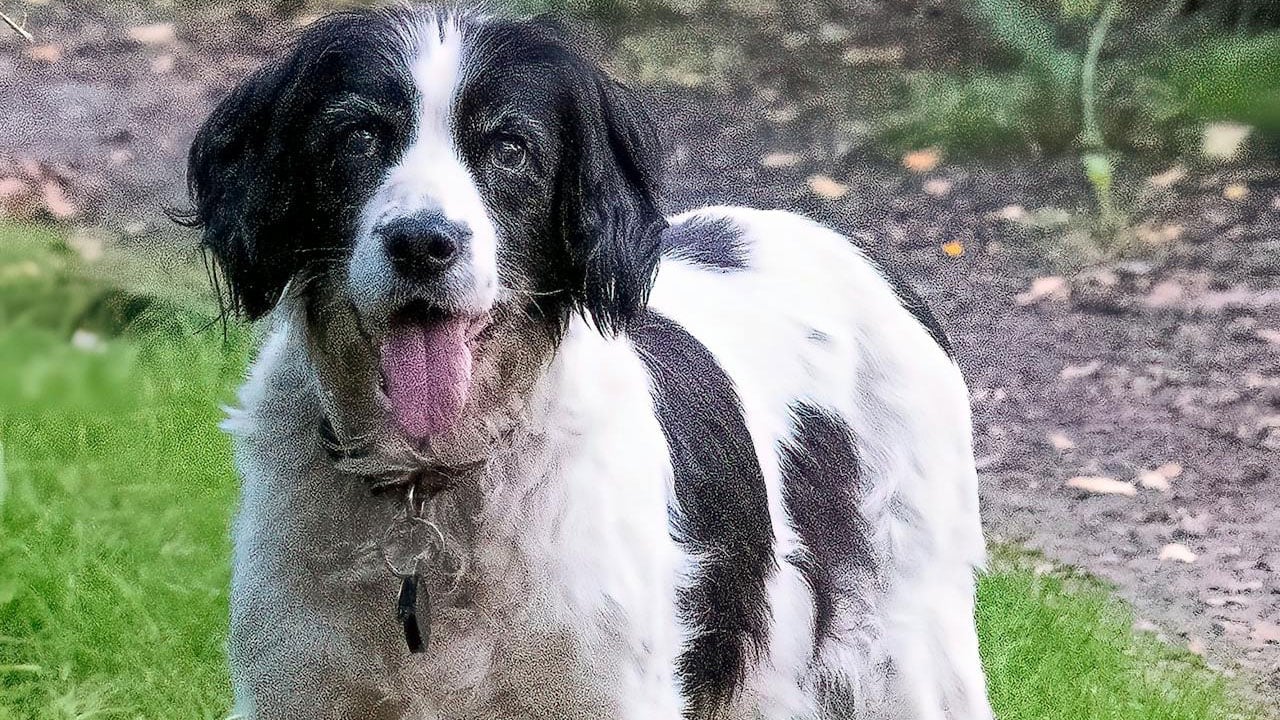
Springers are happy, busy dogs, but they’re not usually aloof. They want to be part of the team and they want to work within gun range. In thick cover they’ll push briars like they owe them money, then swing back to you like they’re checking for approval. That constant loop builds a strong owner focus.
They’re also the kind of dog that thrives on routine with their person. If you’re an upland hunter who actually trains and spends time, they’ll give it back tenfold. In the house, many of them are content to stay close rather than roam. Just be ready for grooming and for a dog that prefers your company over being alone in a kennel run.
10. Boykin Spaniel
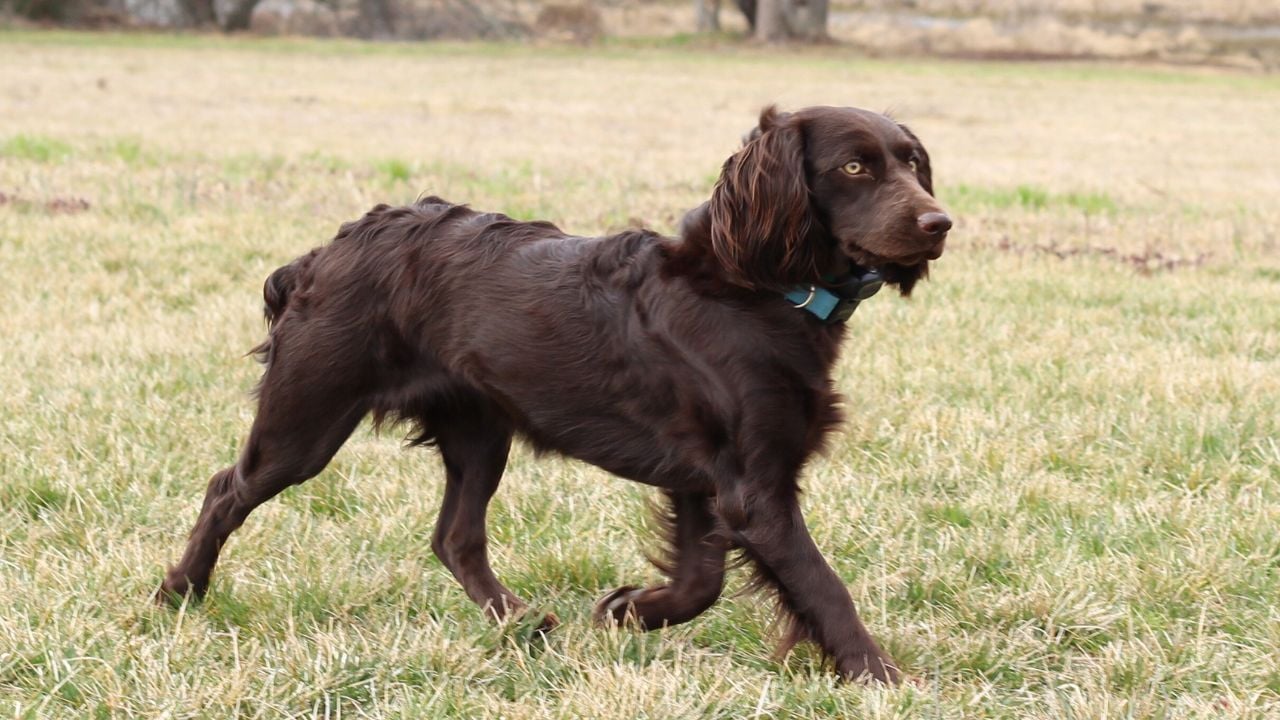
Boykins are made for being in the boat, the blind, and the back seat—close quarters with their person. They’re typically eager to please and very responsive to the owner who puts in time. A lot of them will ignore distractions if they know you’re about to send them for a retrieve. They’re not looking for independence; they’re looking for direction.
They’re also handy-sized for folks who hunt and fish out of smaller rigs. In camp, a Boykin tends to stick to the person it trusts and not make a big social scene. If you want a dog that’s content to sit on a dog stand, then flip the switch when birds are working, they fit. They bond tight and act like the partnership is the whole point.
11. Chesapeake Bay Retriever
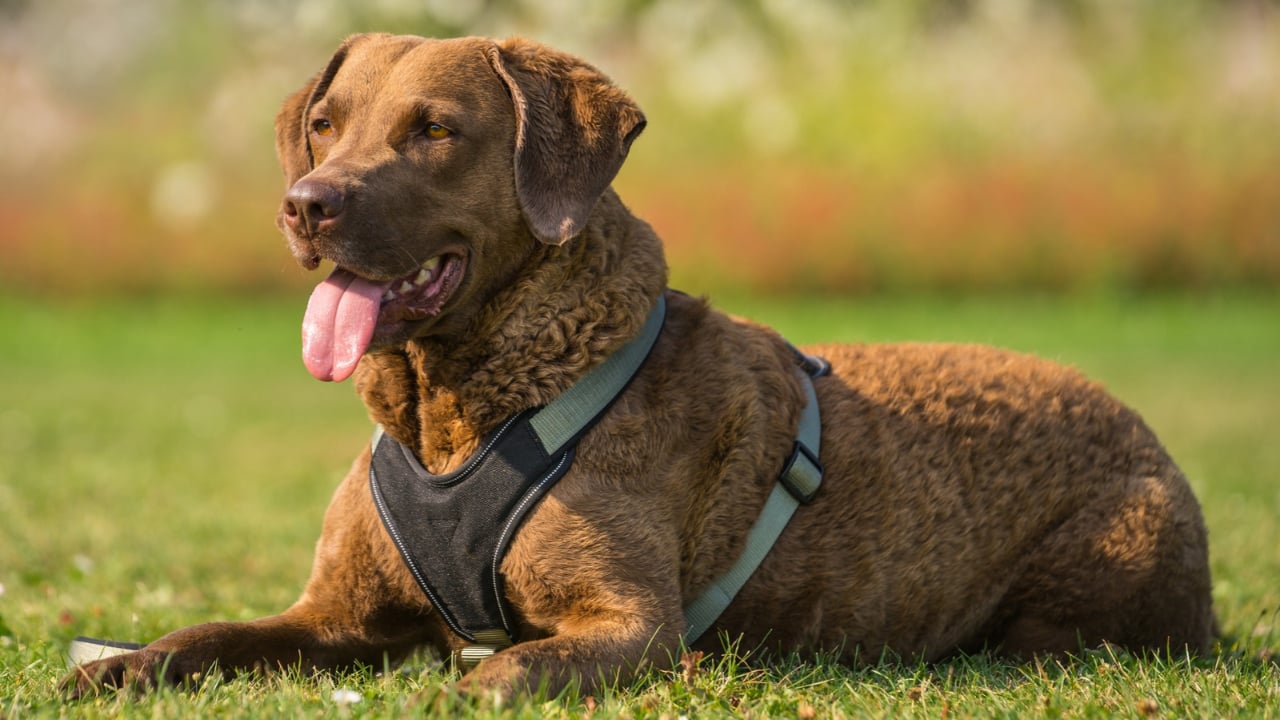
Chessies are loyal in a tougher, more serious way than a lot of retrievers. They can be affectionate, but it’s usually reserved for their circle. In the marsh, they’ll grind through cold water and nasty wind because they’re committed to their person and the job. You’ll notice they often watch you like they’re waiting for the next assignment.
This breed isn’t always the easy-going “everybody’s friend” dog, and that’s fine. For the owner who wants a dog that’s steady, protective of home, and not interested in random strangers, a Chessie can be a good fit. Training matters. So does respect. If you’re consistent, they’ll stick with you like it’s a contract.
12. Nova Scotia Duck Tolling Retriever
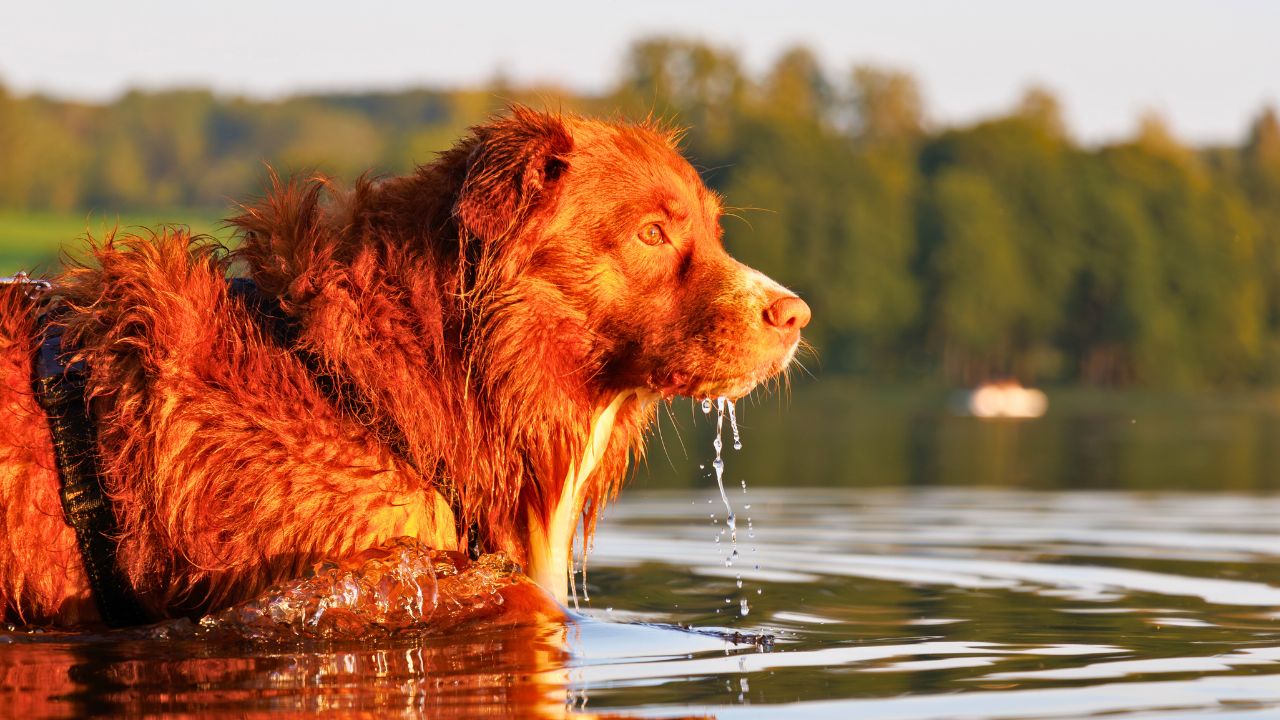
Tollers are smaller than Labs, but they come with a lot of drive and a lot of attachment. They’re often very keyed into their owner’s body language. In the field, they want to work, but they also want to know you’re watching. That creates a dog that stays engaged instead of just running a program on its own.
They can be a little reserved with strangers, which some folks actually prefer in a campground or busy boat ramp situation. They tend to bond tight to a household and especially to the person who trains them. If you want a dog that’s energetic but still likes staying close, a Toller usually checks those boxes. Just don’t buy one and expect it to be a couch ornament.
13. Beagle
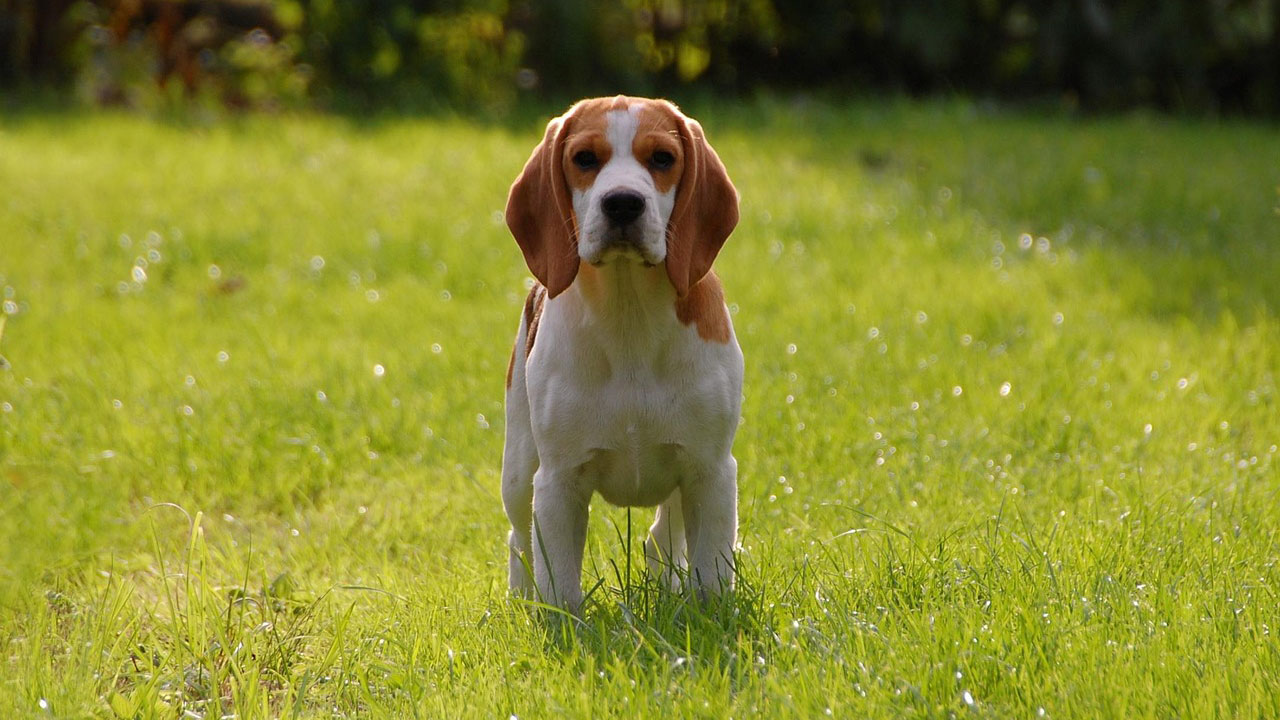
Beagles are scent hounds, so yes, they can follow their nose into trouble. But the ones that bond hard will still come back to their person in a way that surprises people. Around the yard and the house, they often want to be right next to their owner. They’re pack dogs, and you become the pack.
Where owners see the attachment most is in everyday life: riding in the truck, hanging in the shop, being underfoot while you’re doing chores. They’ll follow you from room to room like they’re making sure you don’t leave without them. You do have to work on recall and boundaries, because a hot track is a hot track. Still, their preference is usually to be included with their people.
14. Dachshund
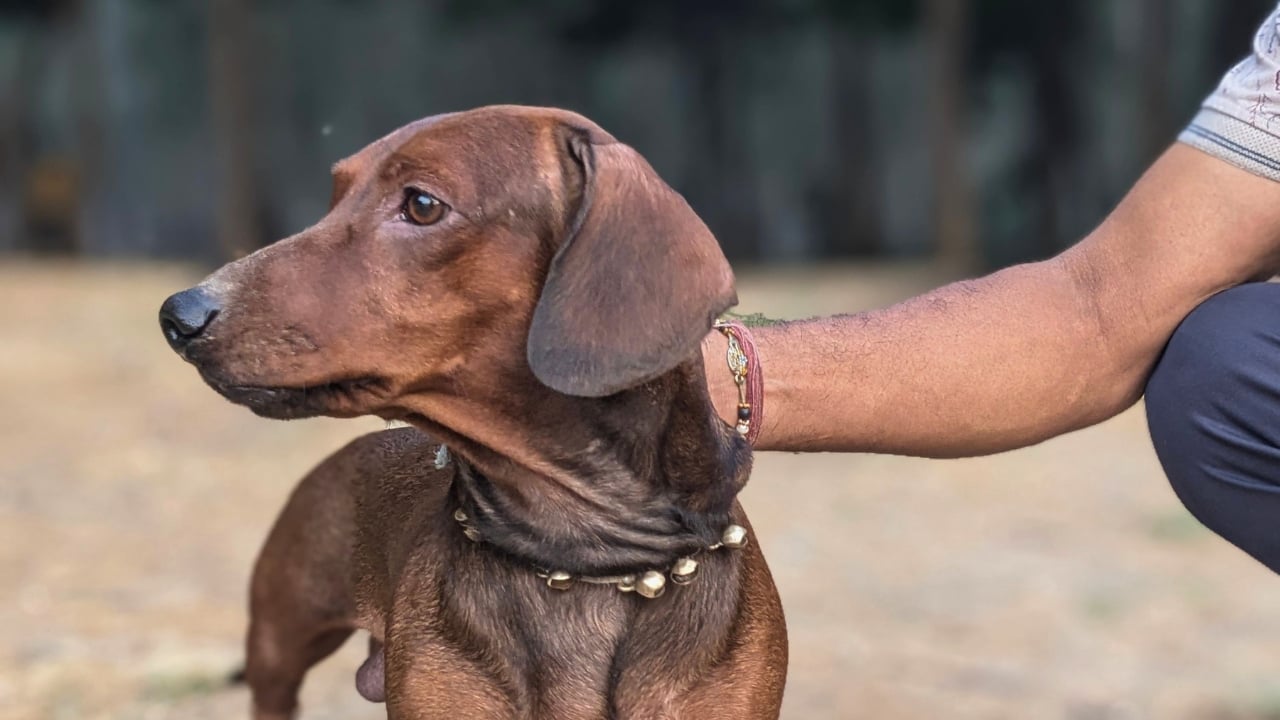
Dachshunds are small, but they’re not timid about loyalty. A lot of them pick one person and stick to them like a burr. In a rural home, they’ll trail you from the barn to the back porch, then settle right against your boots. They were built to go to ground after critters, but most of them are happiest just being near their owner.
They’re also surprisingly bold about “protecting” their person, which can show up as barking at visitors or being suspicious of strangers. Training and early social time help. As an outdoors companion, they’re obviously not your go-to for long hikes, but for a person who wants a dog that would rather sit with them on the porch than entertain itself, a dachshund belongs in the conversation.
15. Jack Russell Terrier
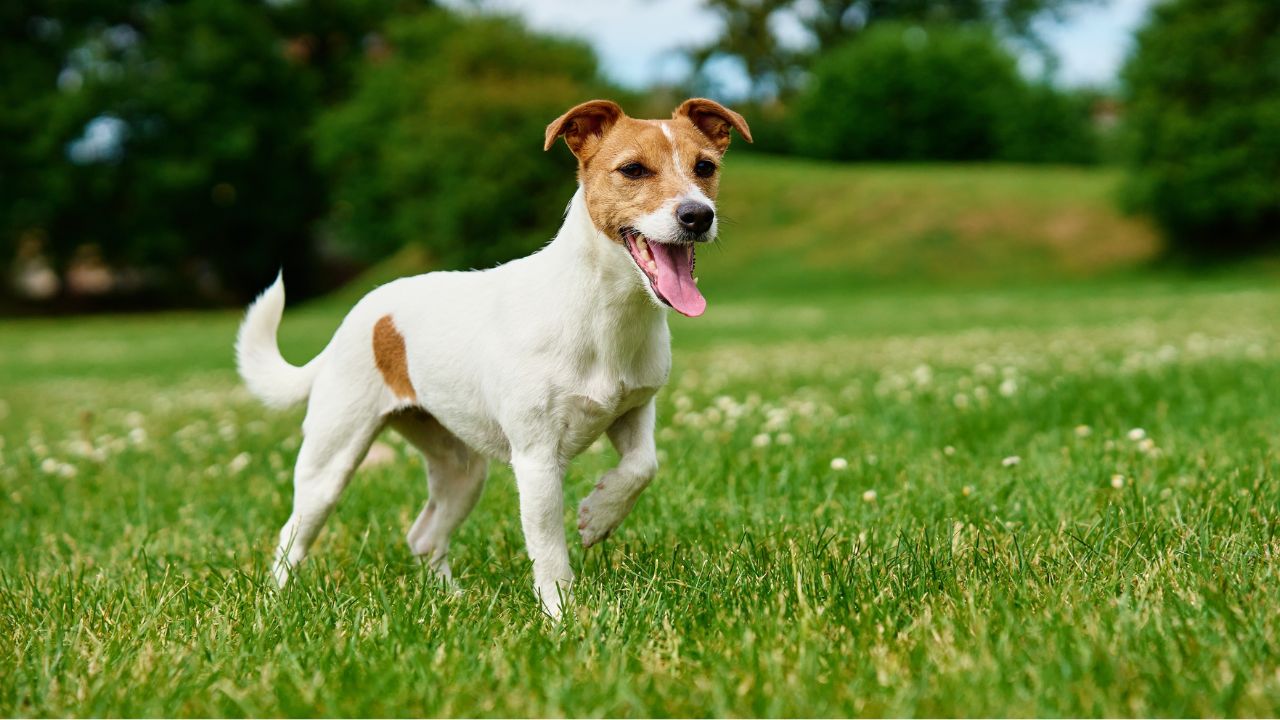
A Jack Russell is a little stick of dynamite, but a loyal one will attach hard to whoever runs the show. They like being involved in everything: yard work, working in the garage, checking traps, walking fence. They’re not content to be background noise. They want front-row seats and a role.
The trick is they’ll also test you. If you don’t give them structure, they’ll make their own plan, and it usually involves digging, chasing, and investigating things you’d rather they ignore. But when you’re consistent, they’re the kind of dog that stares at you waiting for the next move. They’re happiest doing something with you, not sitting alone in a kennel while you’re out living your life.
16. Great Pyrenees
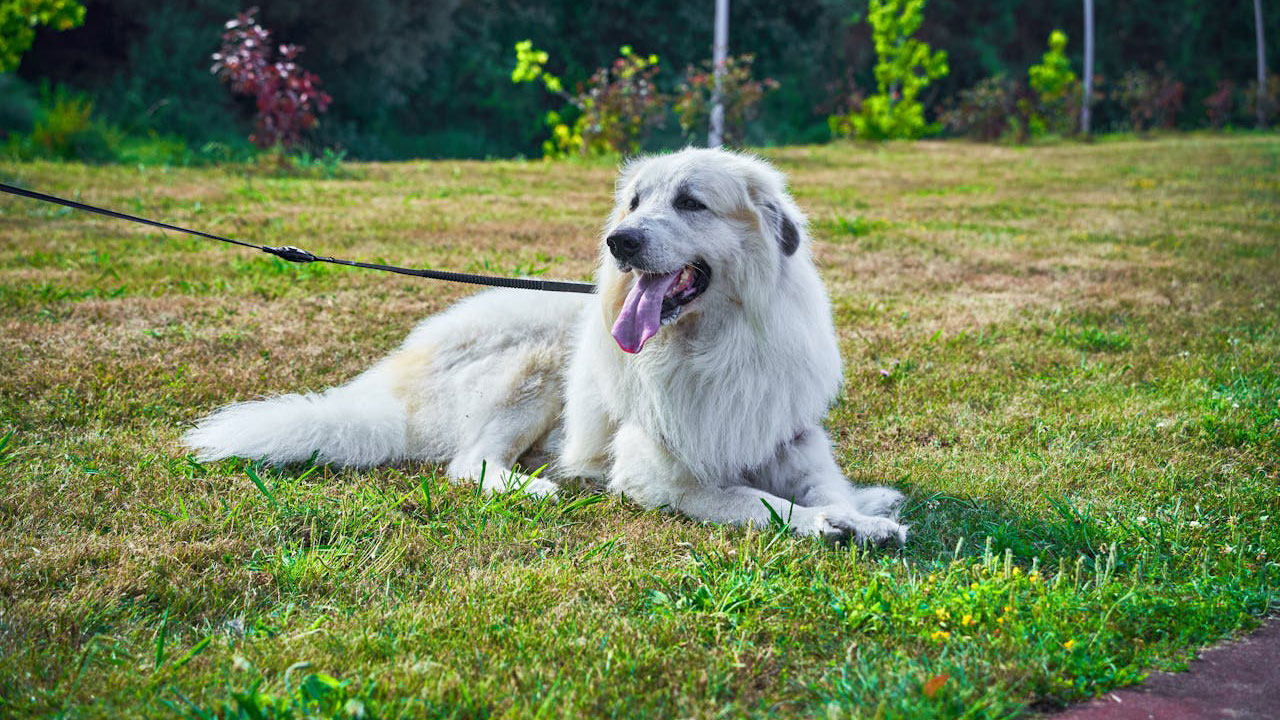
Pyrs are known for guarding livestock, so you’d think they’d be more independent—and they can be. But a lot of them form a deep bond with their owner and want to keep tabs on them while also watching the property. They’re the dog that’ll walk you to the mailbox, then plant themselves where they can see the whole place until you’re back inside.
If you live rural and you want a dog that treats your home like a responsibility, a Pyr fits. They’re not typically frantic about attention, but they prefer being near their people and their routine. They can be stubborn, and their size means training isn’t optional. Still, if your idea of a good dog is one that chooses your porch over wandering, you’ll understand why folks get attached to them—and why they return the favor.
17. Catahoula Leopard Dog

Catahoulas are working dogs with a serious streak, and they often bond tight to one handler. On property, they’ll shadow that person and take cues fast, especially if they’re used for hog work, cattle, or just general ranch life. They’re not the type that’s thrilled about a stranger grabbing their collar. Their loyalty points inward.
They need exercise and a job, or at least a lot of purposeful time outside. If you like a dog that can go all day and still sleep at your feet, they can be a solid match. The attachment shows up as constant awareness—watching where you are, responding to your tone, and being ready when you are. They’re not for everyone, but for the right owner they’re all-in.
18. Blue Heeler (Australian Cattle Dog)
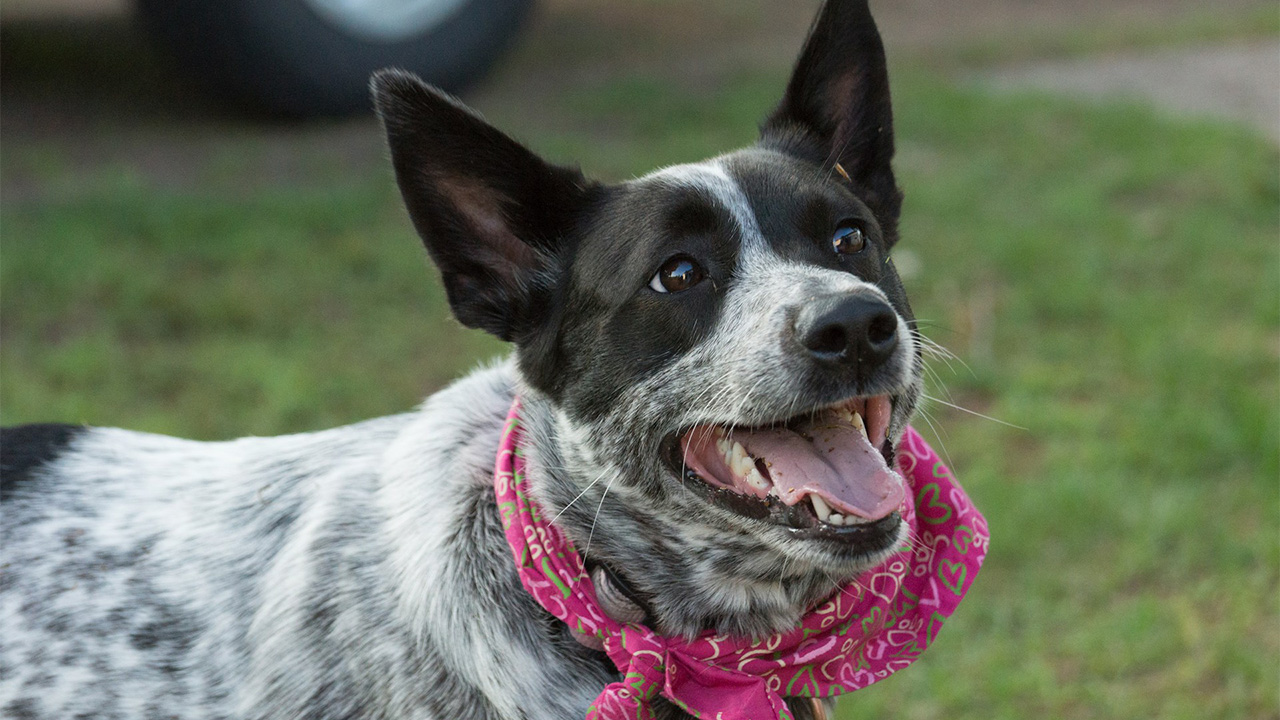
Heelers are built to work close and take direction, and you can feel it in how they follow. They tend to stick near their person’s left leg like it’s a habit. On a ranch or even just a big rural property, they’ll go from task to task with you and act annoyed if you stop moving. They’re loyal, but it’s a working loyalty.
They can also be wary of strangers and protective of their space, which is manageable if you train and socialize them early. A heeler that bonds to you will wait for your cue before trusting anybody else. They’re smart enough to get bored fast, and bored heelers become problem-solvers in all the wrong ways. Give them a role and they’d rather be with you than anywhere else, period.
19. Rottweiler

Rotties are often misunderstood because they look intimidating, but the loyal ones are deeply attached to their family. They tend to keep close and watch their person like a bodyguard that doesn’t need to be asked. In a rural setting, they’re the dog that follows you to the shop and lays down where they can see the door.
They’re strong, and that means training matters more than with a little dog. A well-trained Rottie is steady and calm, and that calm comes from knowing the job is to stay with you. They’re not usually the type to run off and mingle. If you want a dog that’s content being near you while you’re doing chores—and looks like it means business while doing it—a Rottie belongs on the short list.
20. Mixed-breed “one-person” farm dog
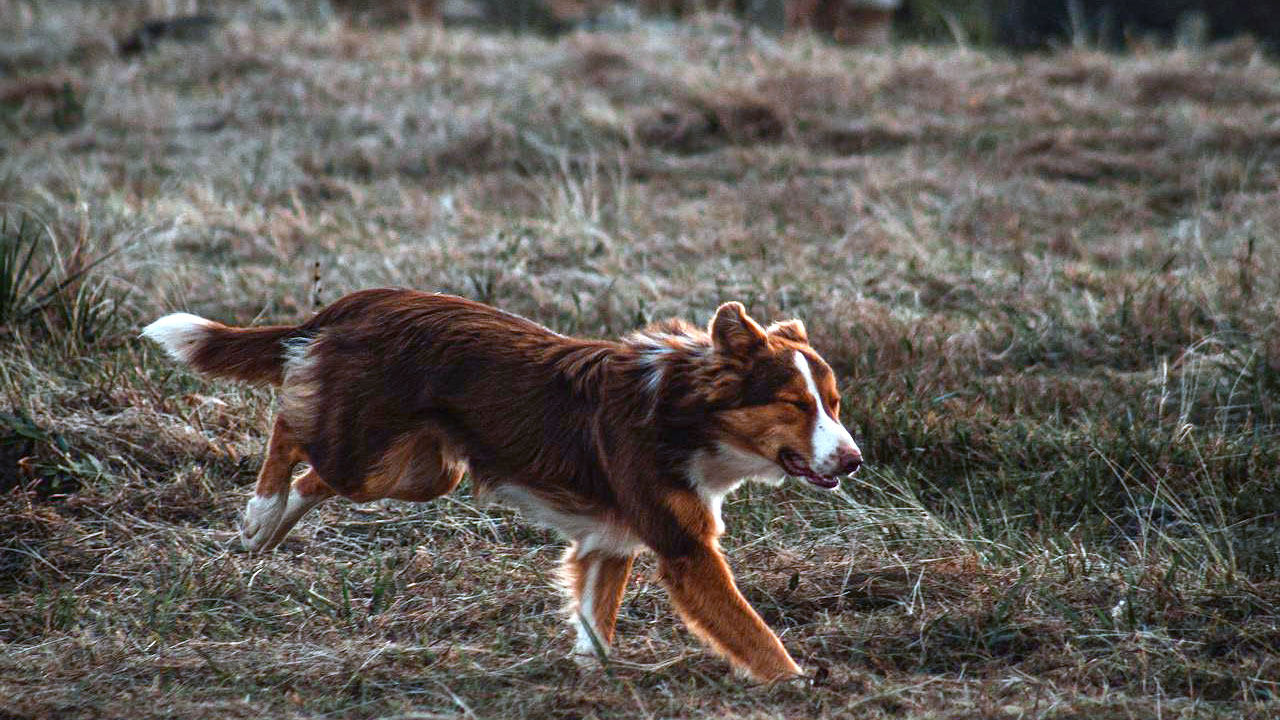
Anybody who’s lived out in the country has seen this dog: part this, part that, probably from a litter nobody planned, and somehow the best companion on the place. These dogs often bond hard because their whole life is built around one home base and one or two people. They learn your truck sound, your routines, and the difference between “we’re going to town” and “we’re checking the back forty.”
The best ones aren’t glued to you out of insecurity; they’re glued to you because that’s how life works. They’ll lay on the porch while you split wood, then walk the edge of the yard when you’re done. You can’t buy that kind of loyalty in a box. You earn it with time, consistency, and letting a dog be part of your daily life instead of an accessory you remember on weekends.
The funny thing is, the dogs that stick closest usually aren’t doing it because they’re needy. They’re doing it because you’re their whole world and they’ve decided your routine is the mission. If you want that kind of partner, pick a breed (or a mutt) that leans toward connection, then back it up with training, real time outside, and a place in your life that’s more than just a dog bed in the corner.
Like The Avid Outdoorsman’s content? Subscribe to our newsletter so you never miss an article.
Here’s more from us: