Photo credit: Alabama Arsenal/YouTube
Some cartridges cost more because they genuinely provide something ordinary rounds cannot. More velocity, heavier bullets, better long-range performance, or specialized terminal performance can justify paying extra when the advantage matters.
Other calibers charge premium prices for performance that can be duplicated by ammunition available in nearly every sporting-goods store. Limited production, proprietary cases, expensive brass, and low demand can turn an otherwise capable cartridge into a poor value. These 20 calibers are not necessarily ineffective, but most shooters can get similar or better results without spending nearly as much every time they pull the trigger.
.224 Valkyrie
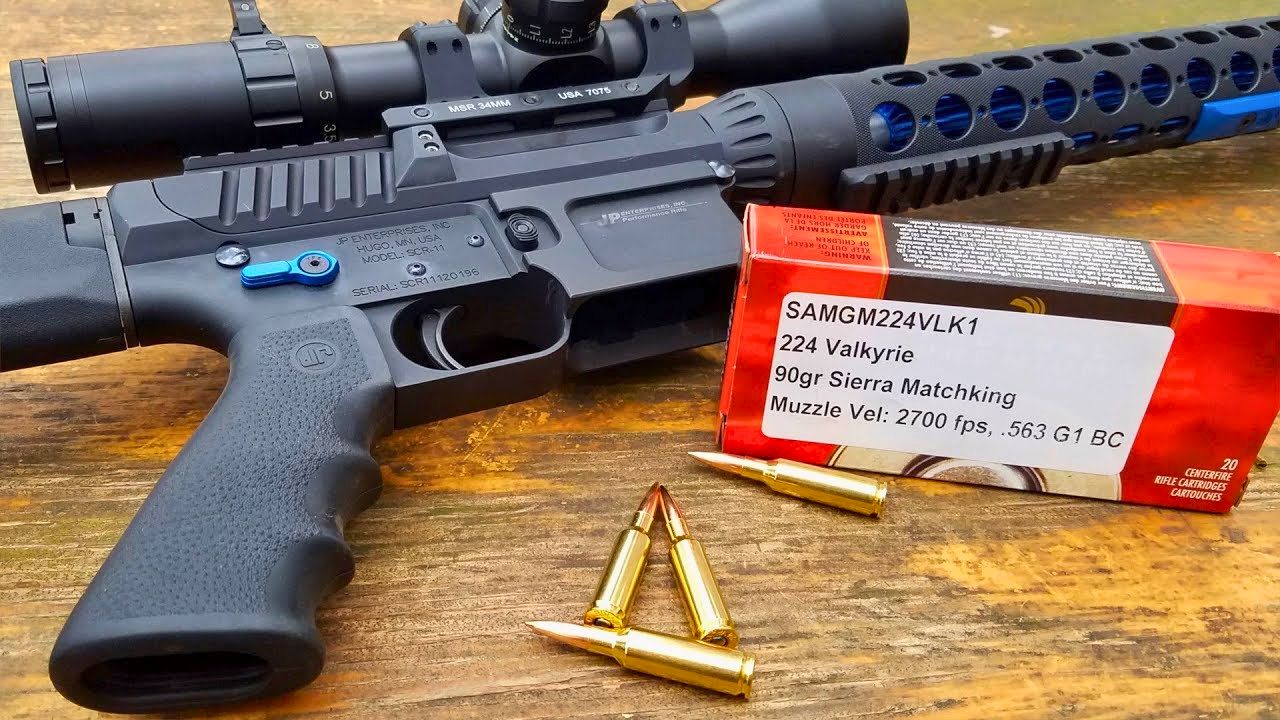
The .224 Valkyrie was introduced as a long-range cartridge that could fit inside an AR-15. Its heavier .22-caliber bullets offered better wind resistance than ordinary 5.56 NATO ammunition, and early marketing suggested it could push the smaller rifle platform into distances usually reserved for larger cartridges.
The problem is that 5.56 ammunition remains dramatically cheaper and more available, while newer cartridges such as the 6mm ARC offer greater bullet weight and stronger hunting performance from the same basic platform. The Valkyrie still works for target shooting, but it occupies an increasingly narrow middle ground. Shooters pay noticeably more than they would for 5.56 without receiving the terminal performance of a true 6mm or 6.5mm cartridge.
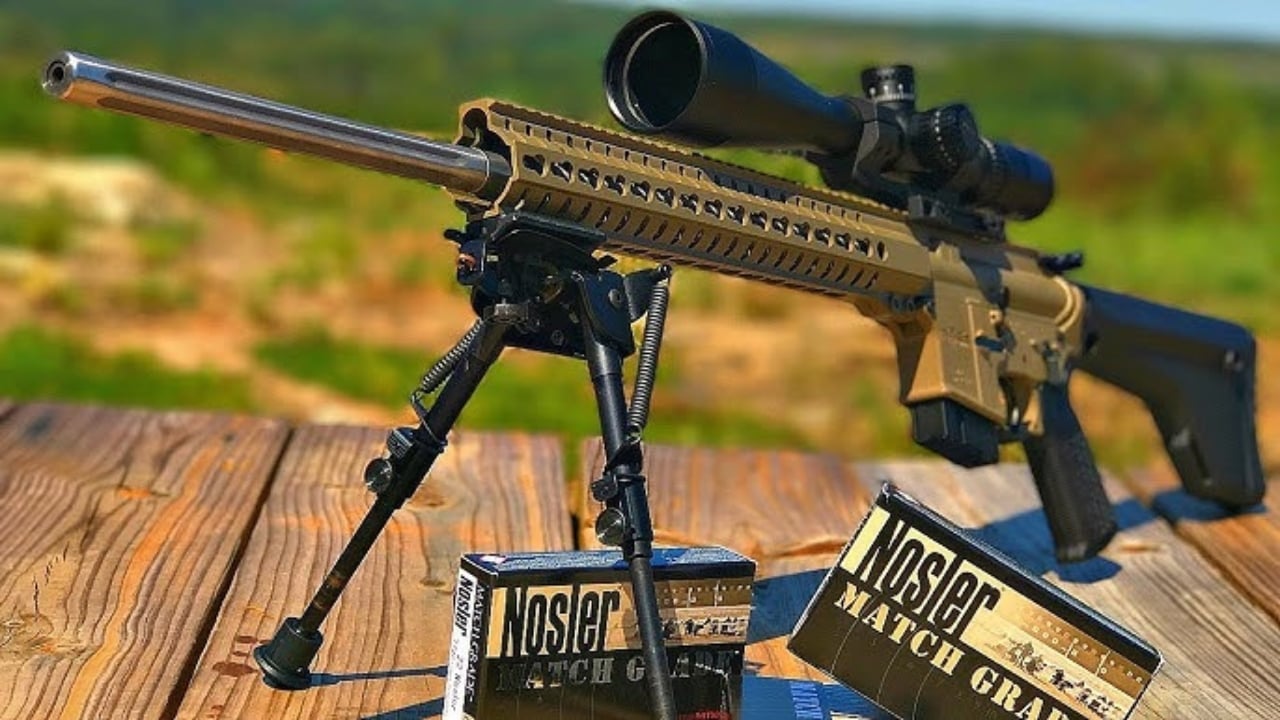
.22 Nosler
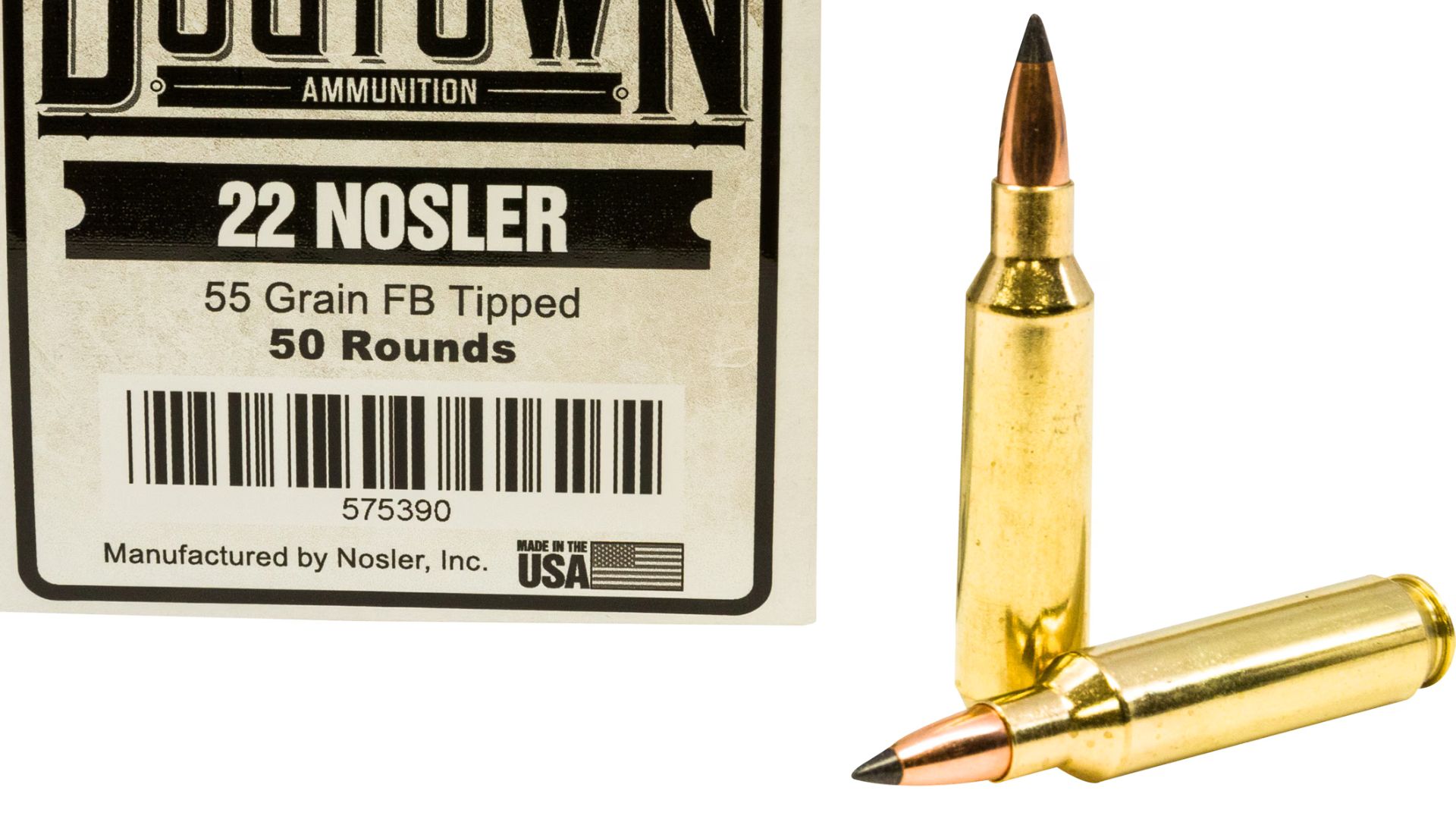
The .22 Nosler promised more speed than the .223 Remington while still working in the AR-15 with only a barrel and magazine change. It can push lightweight bullets quickly and gives varmint hunters a flatter trajectory than standard 5.56 loads.
That improvement comes with expensive ammunition, limited availability, and relatively short barrel life when the cartridge is pushed hard. The velocity advantage is useful, but it rarely transforms what the rifle can accomplish. A .223 Remington loaded with modern high-ballistic-coefficient bullets handles most practical shooting for much less money. Hunters who truly need more speed can step up to a .22-250 Remington and gain a more established cartridge with broader support.
.17 Remington Fireball
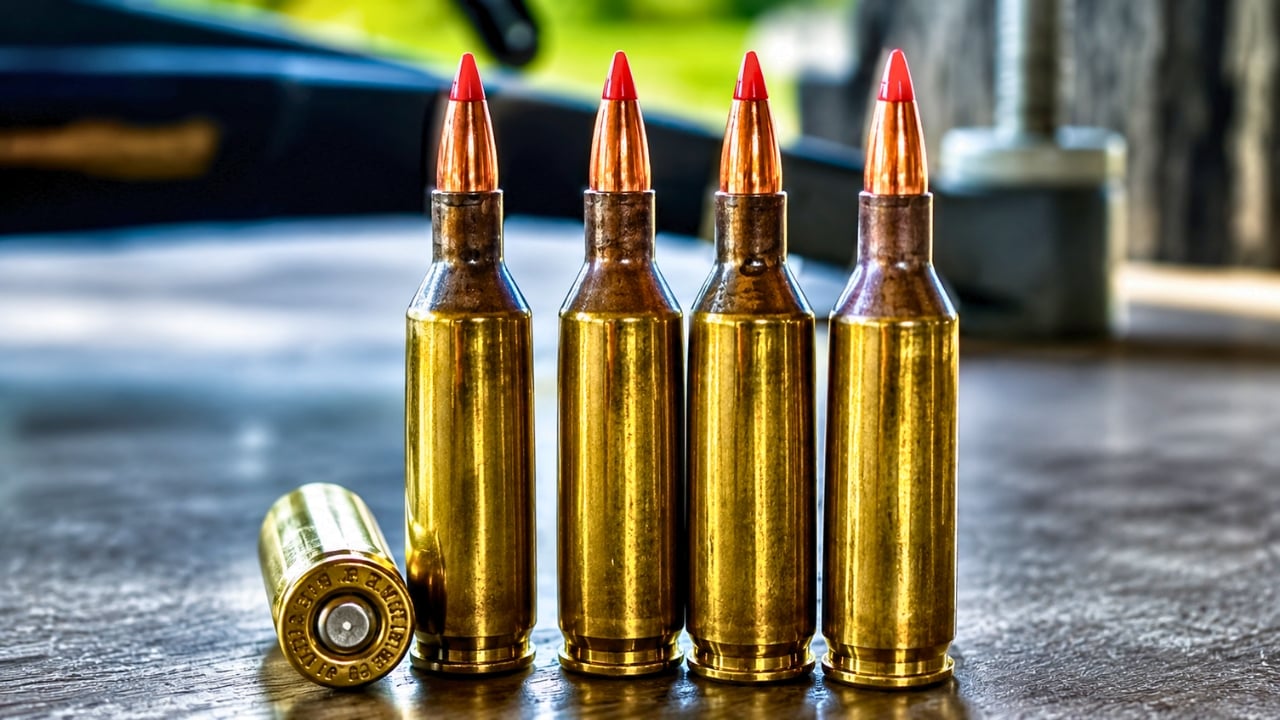
The .17 Remington Fireball is efficient, mild recoiling, and excellent for small varmints. It produces impressive velocity without burning as much powder as the larger .17 Remington.
Unfortunately, factory ammunition can be difficult to locate and expensive when it appears. Brass is not something most shooters will find stacked in every local store, either. The cartridge provides little practical advantage over the more common .17 Hornet for moderate-distance varmint shooting, while the .204 Ruger offers heavier bullets and much wider support. Unless someone handloads and specifically wants the Fireball, the price is difficult to defend.
.17 Winchester Super Magnum

The .17 WSM is the fastest modern rimfire cartridge and offers more power than the .17 HMR. It can extend the range of a rimfire rifle on prairie dogs, ground squirrels, and similar targets.
The ammunition often costs enough to weaken the entire purpose of using a rimfire. Rifle selection is limited, ammunition variety is narrow, and accuracy can vary between loads and individual guns. Once the cost approaches inexpensive centerfire ammunition, the shooter might as well use a .223 Remington that offers reloadable cases, more energy, and much greater versatility. The .17 WSM performs well, but its value depends heavily on wanting a rimfire for its own sake.
5mm Remington Rimfire Magnum
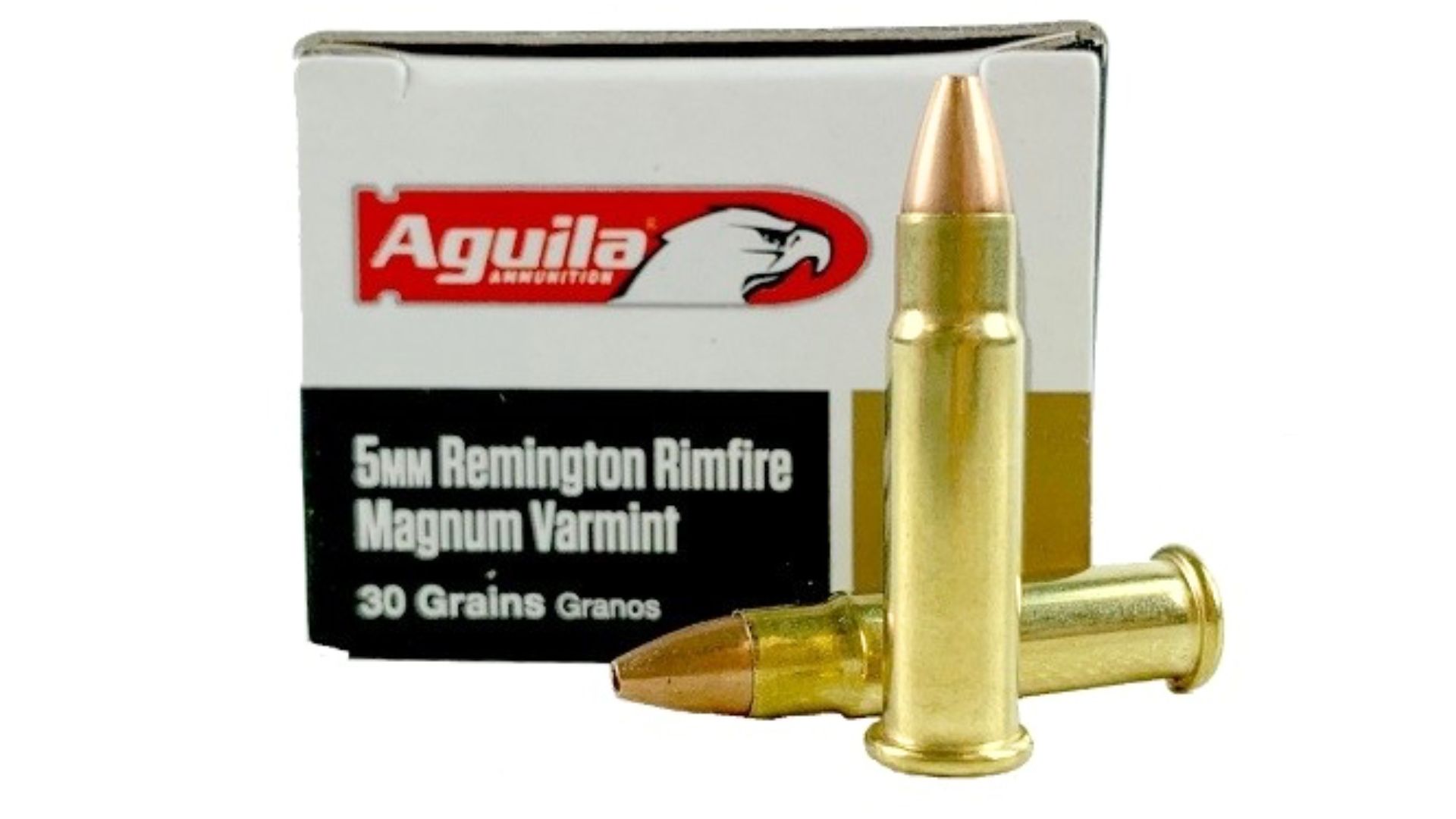
The 5mm Remington Rimfire Magnum was ahead of its time when it appeared in the 1970s. Its larger bullet and higher velocity gave it more power than the .22 WMR, and surviving rifles remain interesting collector pieces.
Modern ammunition production is limited and irregular, making every range trip far more expensive than it should be for a rimfire rifle. The cartridge does not provide enough performance to justify paying specialty-ammunition prices. A .17 HMR, .22 Magnum, or small centerfire varmint cartridge gives shooters more rifle choices and a much better chance of finding ammunition. The 5mm Magnum is worth preserving, but it makes little financial sense as a regular shooter.
.25-20 Winchester
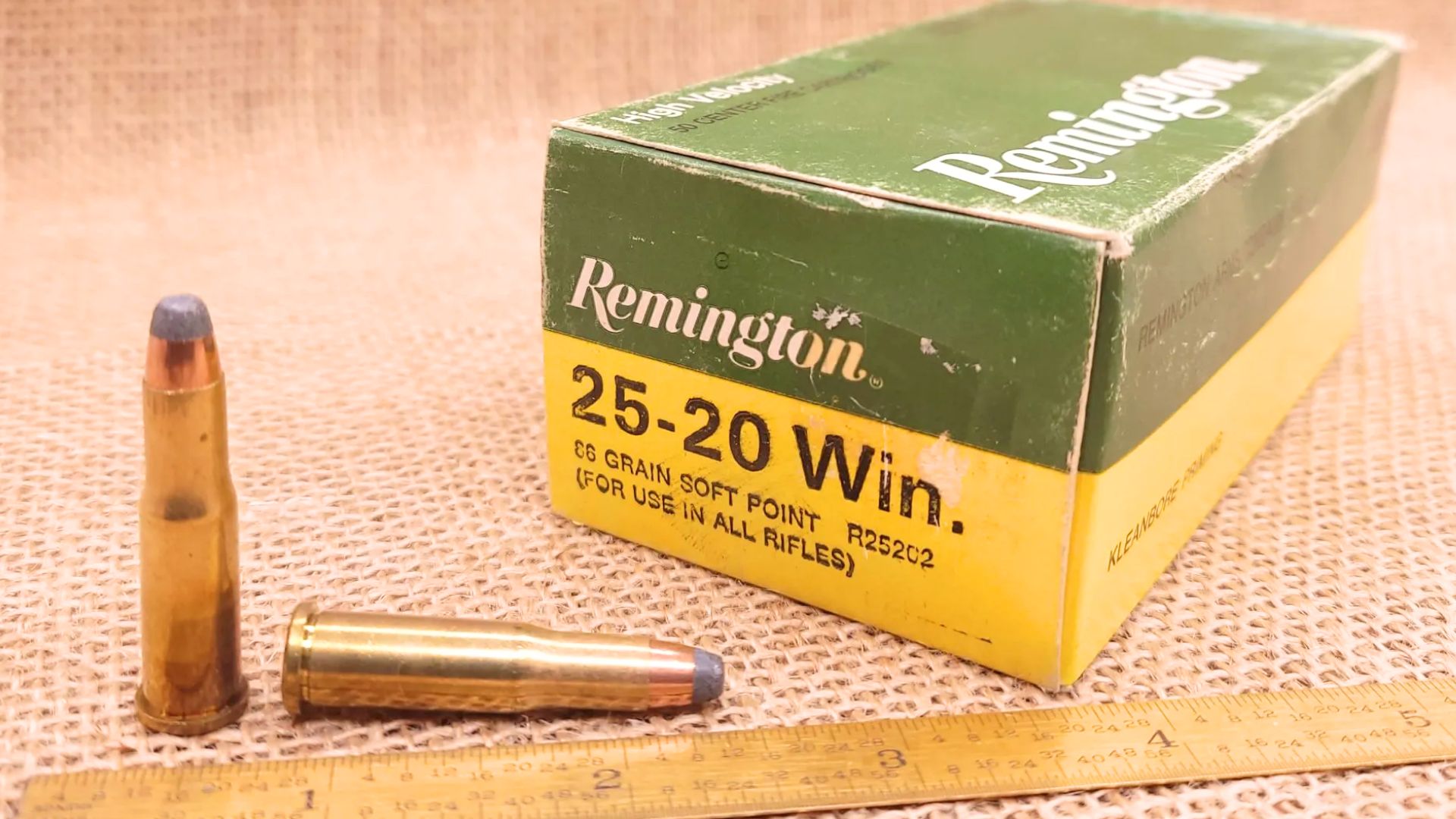
The .25-20 Winchester is pleasant to shoot and produces almost no recoil from an old lever-action rifle. It was once useful for small game, varmints, and farm work at modest distances.
Today, factory ammunition can cost far more than its mild performance suggests. The cartridge sends a lightweight bullet at velocities that modern .22 Magnum and .327 Federal Magnum loads can approach or exceed in certain applications. Those alternatives are hardly cheap, but they are generally supported by newer firearms. The .25-20 makes sense for someone preserving a classic rifle. Buying a firearm around it for practical use is much harder to justify.
.32-20 Winchester

The .32-20 Winchester once served in rifles and revolvers as a versatile small-game and utility cartridge. Its light recoil and modest report still make it enjoyable in older firearms.
The current ammunition cost is completely out of proportion to the performance. Standard loads offer less power than many modern handgun cartridges while charging specialty-rifle prices. The .327 Federal Magnum delivers more velocity from modern revolvers and rifles, while the .357 Magnum provides much greater flexibility. The .32-20 survives because collectors and handloaders keep old guns active, not because it remains an economical choice for new shooters.
.32 Winchester Special
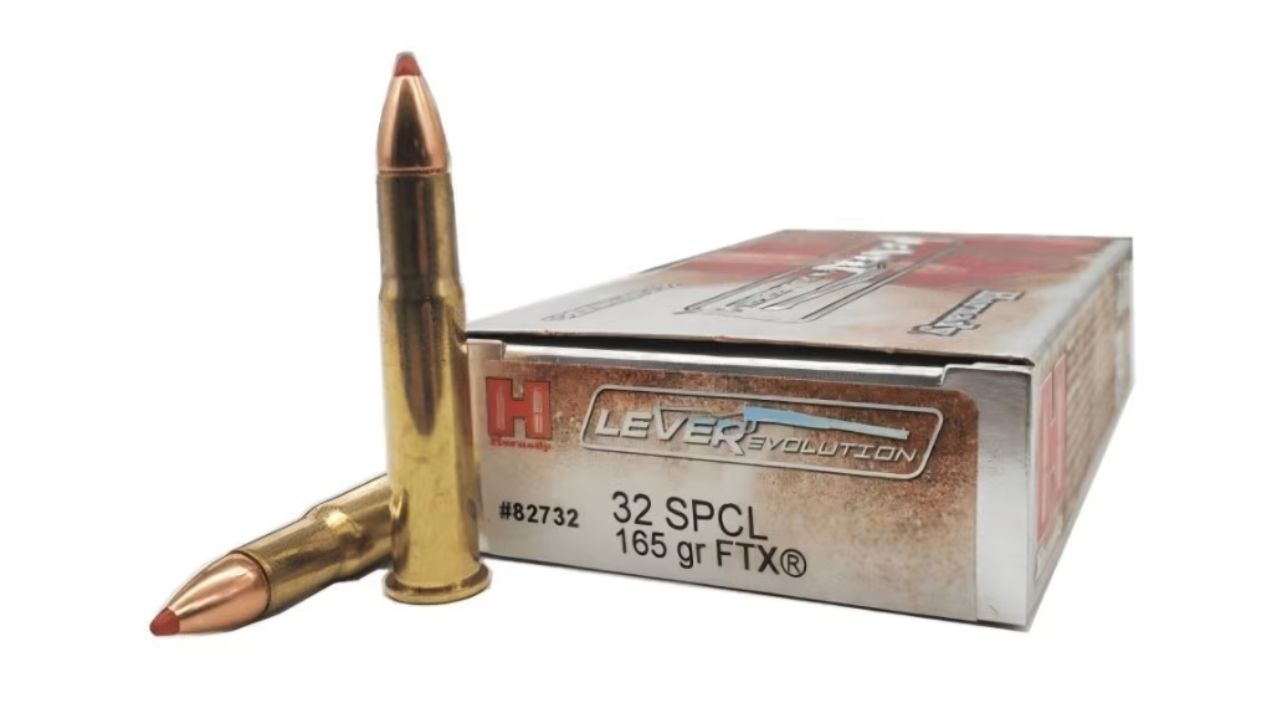
The .32 Winchester Special performs almost identically to the .30-30 Winchester in the field. It launches a slightly larger bullet, works well inside traditional lever-action distances, and has taken plenty of deer.
The trouble is that .30-30 ammunition is easier to find, offered in more loads, and usually costs less. The .32 Special does not hit enough harder or shoot enough flatter to compensate for its limited support. Owners of old Winchester and Marlin rifles have a legitimate reason to keep buying it. A hunter choosing a lever-action caliber today gains almost nothing by selecting the .32 Special over the far more practical .30-30.
.307 Winchester
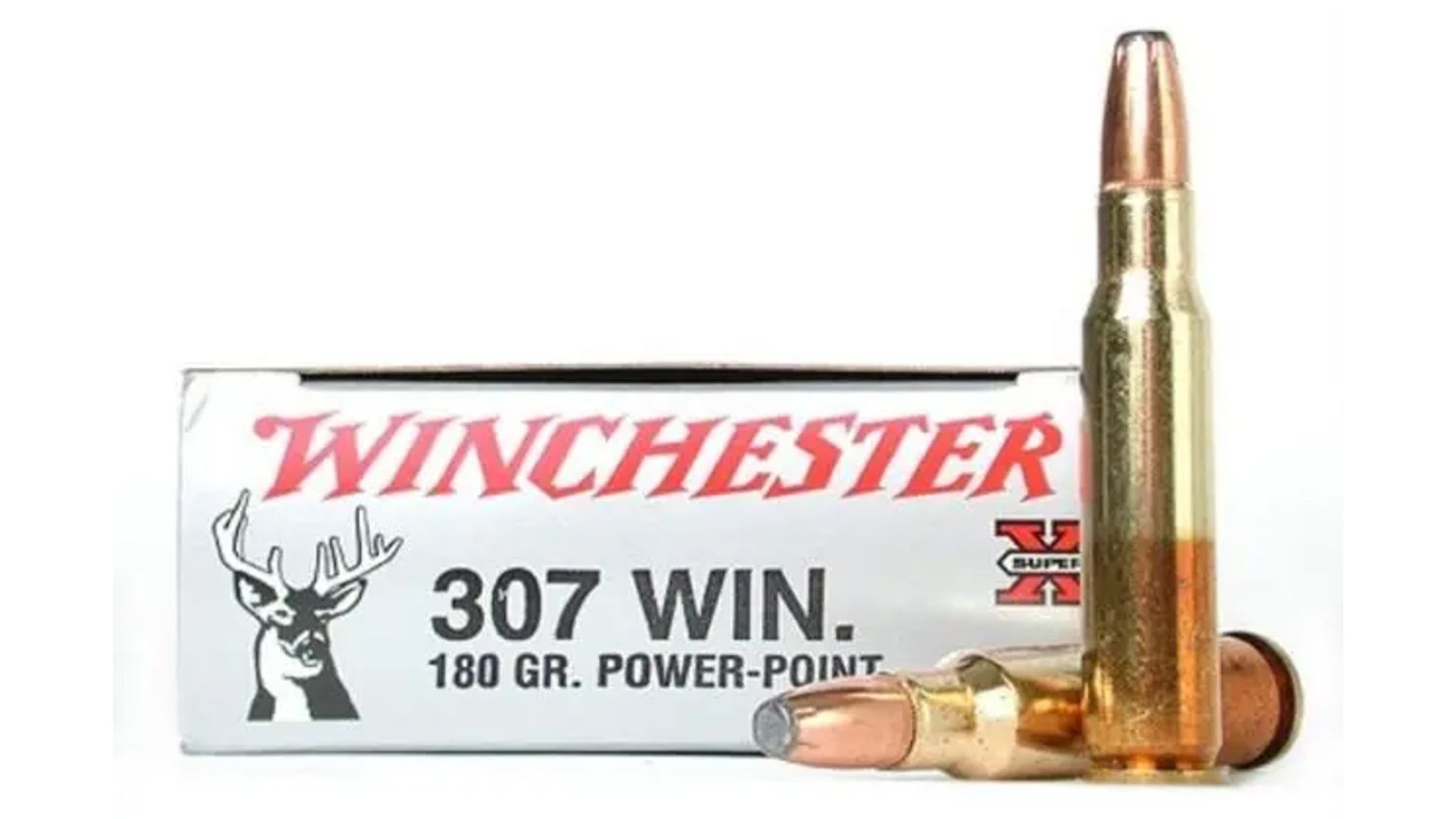
The .307 Winchester was developed to provide near-.308 Winchester performance from a traditional lever-action rifle. It uses a rimmed case and can deliver serious deer and elk capability from compatible rifles.
Factory ammunition is scarce and expensive, while rifle selection is mostly limited to discontinued models. The cartridge also does not offer enough advantage over the .308 Winchester to justify the additional trouble. A modern box-magazine lever gun can fire ordinary .308 ammunition, and the .30-30 remains adequate for shorter distances. The .307 works, but shooters pay collector-cartridge prices for performance available from one of the most common rifle rounds in America.
.356 Winchester
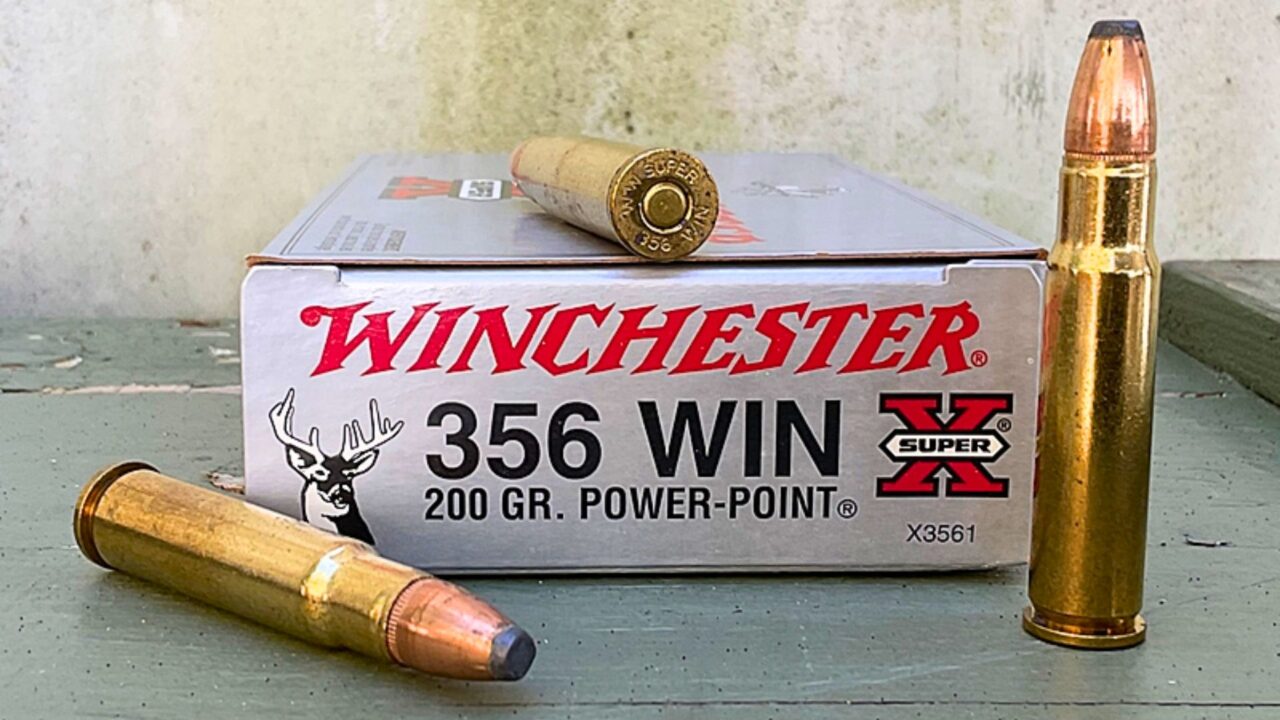
The .356 Winchester gave lever-action hunters more frontal area and heavier bullets than the .307 Winchester. It is capable of taking elk, black bear, and large hogs at reasonable woods distances.
Its performance is useful, but factory ammunition and brass have become difficult and expensive to obtain. The .358 Winchester provides similar capability in conventional rifles, while cartridges such as the .350 Legend and .360 Buckhammer offer current production support for hunters who want a medium-bore woods cartridge. The .356 is an excellent handloader’s cartridge trapped inside a poor factory-ammunition market.
.358 Winchester

The .358 Winchester is powerful, efficient, and extremely effective on larger animals at moderate distances. It produces serious terminal performance without the recoil of the larger magnums.
Factory ammunition prices remain high because demand is low and load selection is limited. Most hunters do not need its additional bullet diameter when a .308 Winchester can handle deer, elk, and black bear with proper ammunition. Shooters who need a true heavy-bullet woods cartridge may find the .35 Whelen easier to support. The .358 Winchester deserves more popularity than it receives, but current economics make it difficult for anyone who does not reload.
.338 Federal

The .338 Federal necks the .308 Winchester case up to accept larger bullets. It provides strong close- and medium-range performance with less recoil than the .338 Winchester Magnum.
That sounds attractive, but factory ammunition is expensive and not consistently available. The cartridge also gives up much of the long-range performance that makes .338-caliber rifles appealing in the first place. A .308 Winchester handles most North American hunting more cheaply, while a .35 Whelen or .338 Magnum offers a more obvious increase in capability. The .338 Federal sits between categories without saving the shooter enough money or recoil to dominate either one.
.376 Steyr
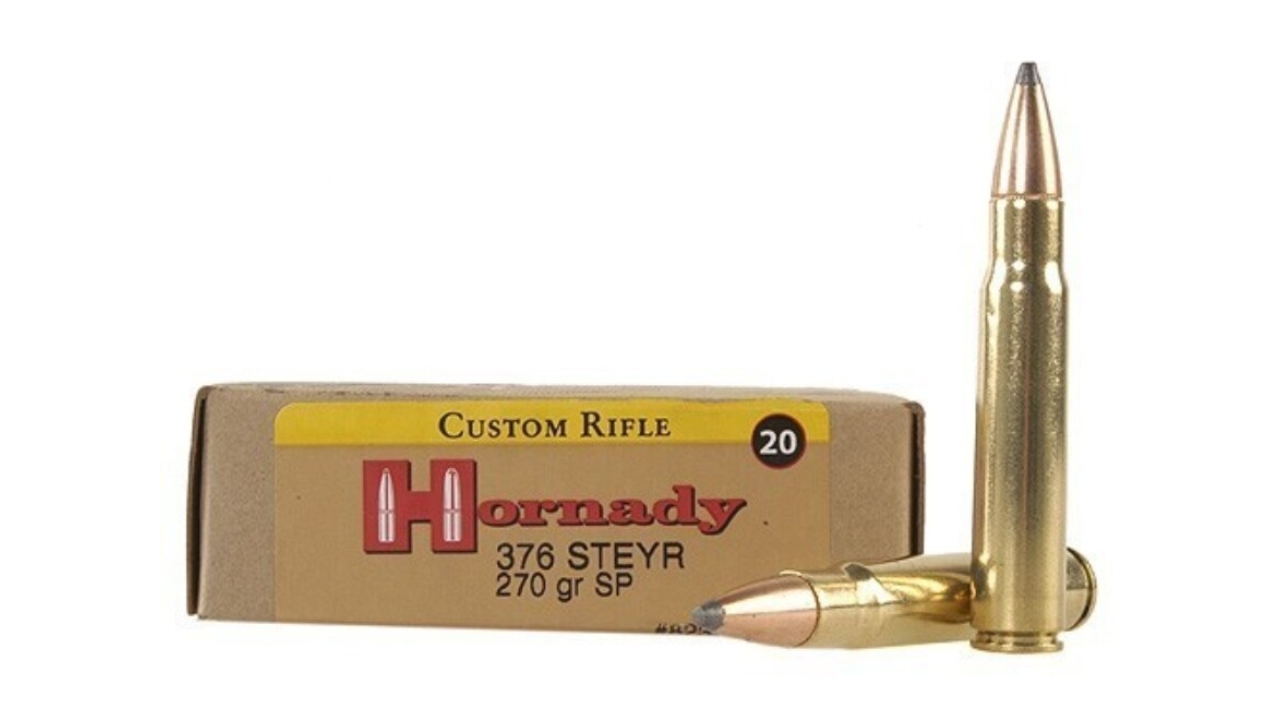
The .376 Steyr was created as a powerful medium-bore cartridge that could fit inside a relatively compact rifle. It offers more authority than common .30-caliber rounds without reaching the recoil and rifle weight of the largest dangerous-game cartridges.
The ammunition market never grew large enough to make the cartridge economical. Factory loads are scarce, brass can be difficult to source, and rifle choices are extremely limited. Hunters who need this level of performance have more practical options in the .375 H&H Magnum, .375 Ruger, or even the .35 Whelen for North American use. The .376 Steyr delivers real power, but keeping it fed can cost more effort and money than the performance difference warrants.
.375 Winchester

The .375 Winchester is a strong lever-action cartridge that offers substantially more power than the older .38-55 Winchester. It performs well on black bear, hogs, and elk at moderate distances.
Its ammunition prices and availability make regular use difficult. The cartridge is tied mainly to discontinued rifles, and factory load variety is minimal. Modern hunters can get comparable practical capability from the .360 Buckhammer, .450 Bushmaster, or heavy .45-70 Government loads. The .375 Winchester remains an effective cartridge, but its owners often pay heavily simply to keep an older rifle in service.
.450 Marlin
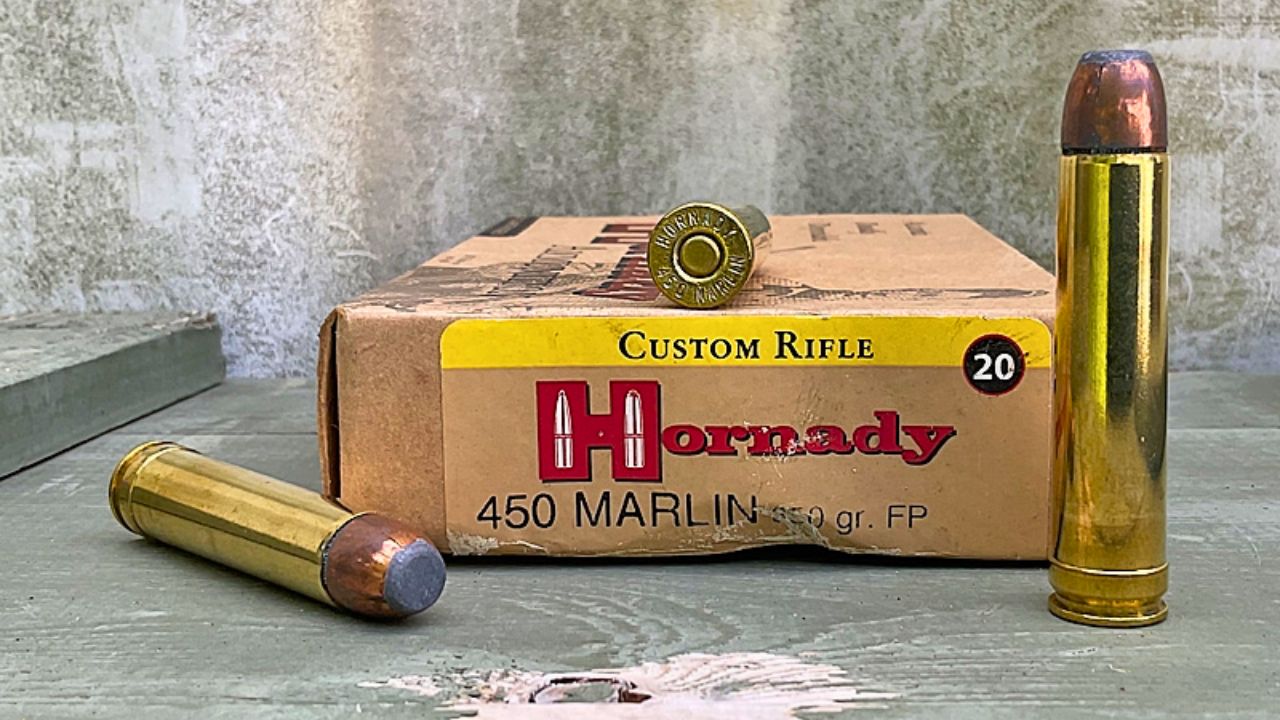
The .450 Marlin was designed to provide heavy lever-action performance without allowing powerful ammunition to be chambered in older, weaker .45-70 rifles. It can drive large bullets hard enough for bears, elk, and other heavy game at close range.
The .45-70 eventually won the market by offering more rifles, more factory loads, and a much wider range of power levels. Modern strong-action .45-70 ammunition can duplicate or exceed much of what the .450 Marlin provides. Owners of existing .450 rifles still have a capable setup, but new buyers would be paying more for ammunition while gaining almost nothing over the far better-supported alternative.
.470 Nitro Express
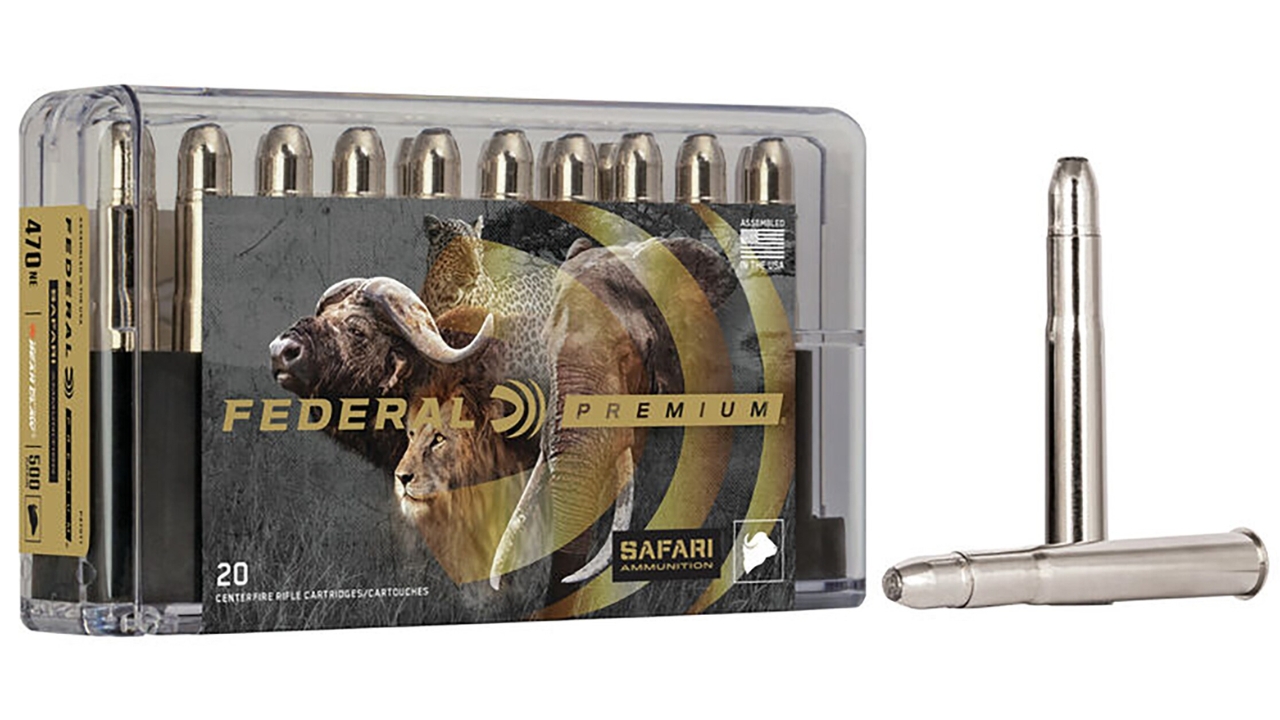
The .470 Nitro Express is a serious dangerous-game cartridge developed for double rifles. It launches extremely heavy bullets and has a long record on animals capable of killing the hunter.
That specialized role does not change the staggering cost of every trigger pull. Ammunition can cost more per round than entire boxes of common hunting cartridges, and practice quickly becomes financially painful. Most hunters will never pursue game requiring this level of power. Even among dangerous-game cartridges, the .375 H&H offers broader usefulness and lower recoil. The .470 delivers tremendous authority, but its cost makes proficiency difficult to maintain.
.30-378 Weatherby Magnum

The .30-378 Weatherby Magnum produces extreme velocity and carries substantial energy far downrange. It is one of the most powerful commercial .30-caliber cartridges available.
Shooter cost extends beyond the ammunition. The cartridge burns huge quantities of powder, generates heavy recoil and blast, and can wear barrels rapidly when used for frequent practice. A .300 Winchester Magnum, .300 PRC, or .300 Weatherby Magnum handles nearly every practical hunting situation while costing less to feed. The .30-378 offers an impressive number on a ballistic chart, but very few hunters can turn that extra velocity into a meaningful field advantage.
.338-378 Weatherby Magnum

The .338-378 Weatherby Magnum pushes heavy .338-caliber bullets at speeds normally associated with much lighter projectiles. It retains enormous energy and can remain supersonic far beyond ordinary hunting distances.
The cartridge requires expensive ammunition, large rifles, long barrels, substantial muzzle brakes, and shooters willing to tolerate extreme blast. Most hunters cannot ethically use the range it provides, and those who can often choose the more established .338 Lapua Magnum or efficient .338 Norma Magnum. The Weatherby delivers huge performance, but the additional cost and punishment exceed the benefit for almost everyone carrying it into the field.
.300 Remington Ultra Magnum

The .300 RUM is powerful, flat shooting, and fully capable of taking large game at extended distances. Its large case lets it push heavy .30-caliber bullets faster than the .300 Winchester Magnum.
The additional speed requires more powder, greater recoil, expensive ammunition, and faster barrel wear. For normal hunting distances, an animal will not notice the difference between a well-placed bullet from a .300 RUM and one from a .300 Winchester Magnum. The RUM makes sense for a dedicated long-range hunter who can use its capability. Everyone else pays more to create extra blast and recoil without changing the outcome.
.50 Beowulf

The .50 Beowulf gives the AR-15 a massive straight-wall cartridge capable of delivering heavy close-range impact. It is useful against large hogs and can meet certain straight-wall hunting requirements.
Ammunition is expensive, magazine capacity is limited, recoil is substantial, and trajectory falls quickly. The .450 Bushmaster and .350 Legend offer broader factory support, while a .45-70 lever action provides greater load variety and more established hunting performance. The Beowulf is entertaining and hits hard, but shooters pay heavily for a specialized cartridge that loses much of its advantage once the target moves beyond close range.
Like The Avid Outdoorsman’s content? Be sure to follow us.
Here’s more from us: