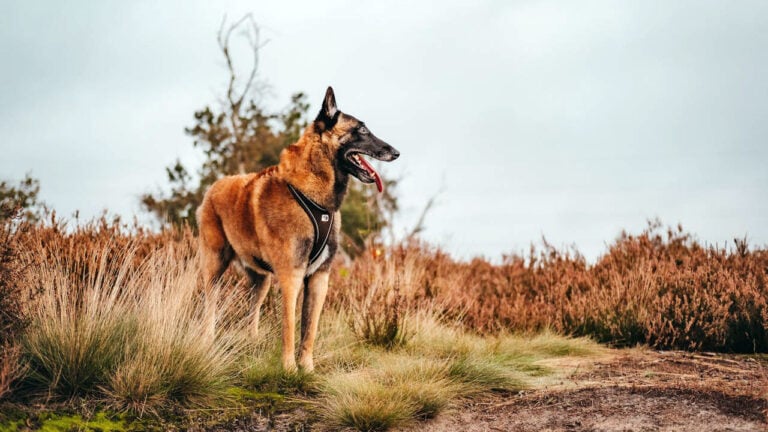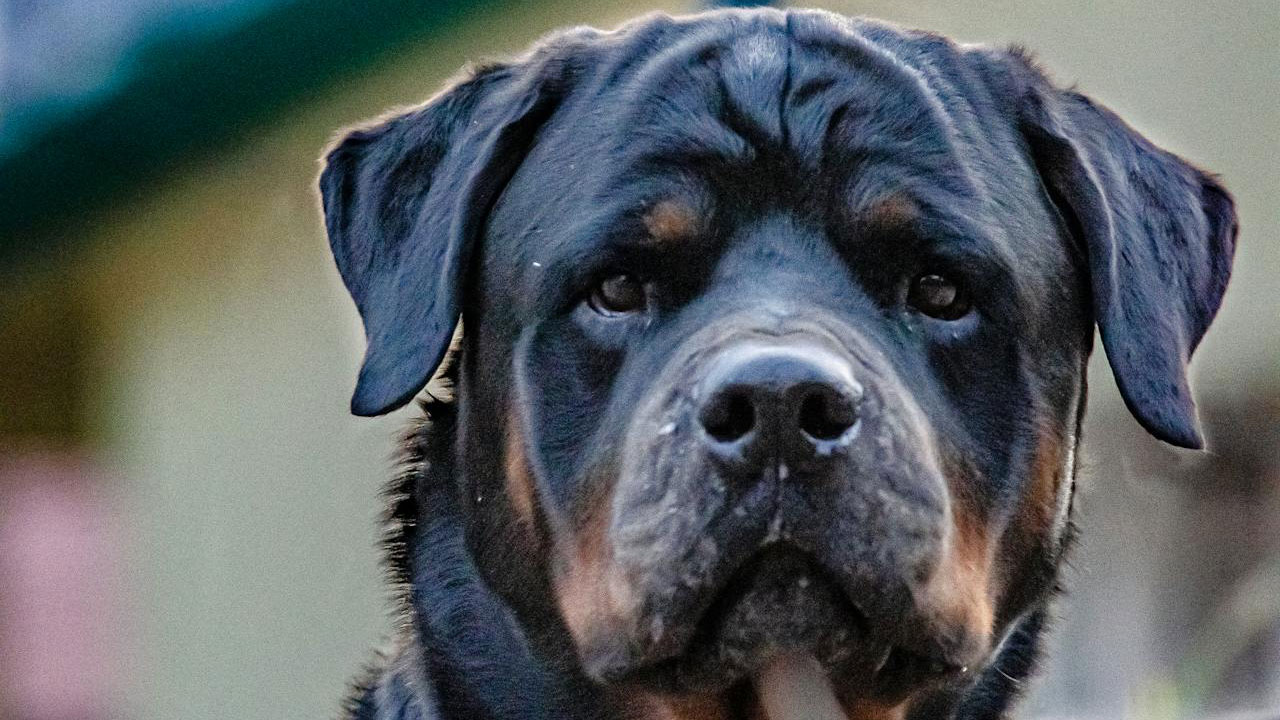
Photo credit: Jaspreet Singh/Pexels.com
If you spend enough time around farms, deer camps, bird fields, and rural back roads, you learn there are two kinds of dogs: the ones that check in with you every ten seconds, and the ones that square up with the world like they’ve got a job to do. I’m not saying every tough dog is a good idea for every household. “Won’t back down” can be a blessing or a headache depending on your fence, your training, and whether you’ve got kids running around with chicken nuggets in their hands.
These are breeds known for grit, nerve, and a high tolerance for pressure. That can mean they’ll stand their ground with a strange dog, push into nasty cover, guard a place like they own the deed, or keep working when it’s cold, wet, and miserable. If you want one, commit to training and containment. A hard dog without leadership is how neighbors end up mad and the mail carrier starts taking a different route.
1. American Pit Bull Terrier

This breed has a reputation for intensity, and it didn’t come from nowhere. A well-bred, well-raised pit bull tends to be all-in on whatever it’s doing, whether that’s tug, obedience, or running the fence line like it’s patrolling a border. When pressure shows up, many of them lean forward instead of away. That’s the “doesn’t back down” trait in a nutshell.
The flip side is you don’t get to be lazy. These dogs need structure, outlets, and serious supervision around other animals. Strong prey drive and dog-selective behavior can be real, even in otherwise sweet dogs. If you’re a soft handler or you can’t keep one secured, pick a different breed. A tough dog in the wrong hands is a problem waiting for a bad day.
2. American Staffordshire Terrier

AmStaffs are built like athletes and act like they’ve got something to prove. They’re often steady with their people and confident in new places, which is why you’ll see them excel in sports when someone puts the work in. That confidence also means they’re less likely to fold when challenged. In a loud, chaotic environment, many stay composed and stubborn.
They do best with early socialization and clear rules that don’t change depending on your mood. If you let pushing and crowding slide when they’re young, you’ll feel it when they’re grown and solid. They’re not a “set it and forget it” yard dog, either. Give them a job, give them boundaries, and don’t pretend a tough breed will raise itself.
3. Rottweiler

Rottweilers are the kind of dog that can look calm while doing threat assessment in real time. They’re confident, physically powerful, and naturally protective, which is exactly why they show up on so many “serious dog” lists. When a rott decides a situation is sketchy, it doesn’t tend to bluff. That strength and resolve is why they can be excellent property dogs with the right owner.
The wrong owner turns that same trait into a liability. If a rottweiler is under-socialized, poorly trained, or encouraged to be “mean,” you’re playing with fire. They need a handler who can read a dog and keep it neutral in public. Good rotts aren’t out looking for trouble, but they don’t run from it either.
4. Doberman Pinscher
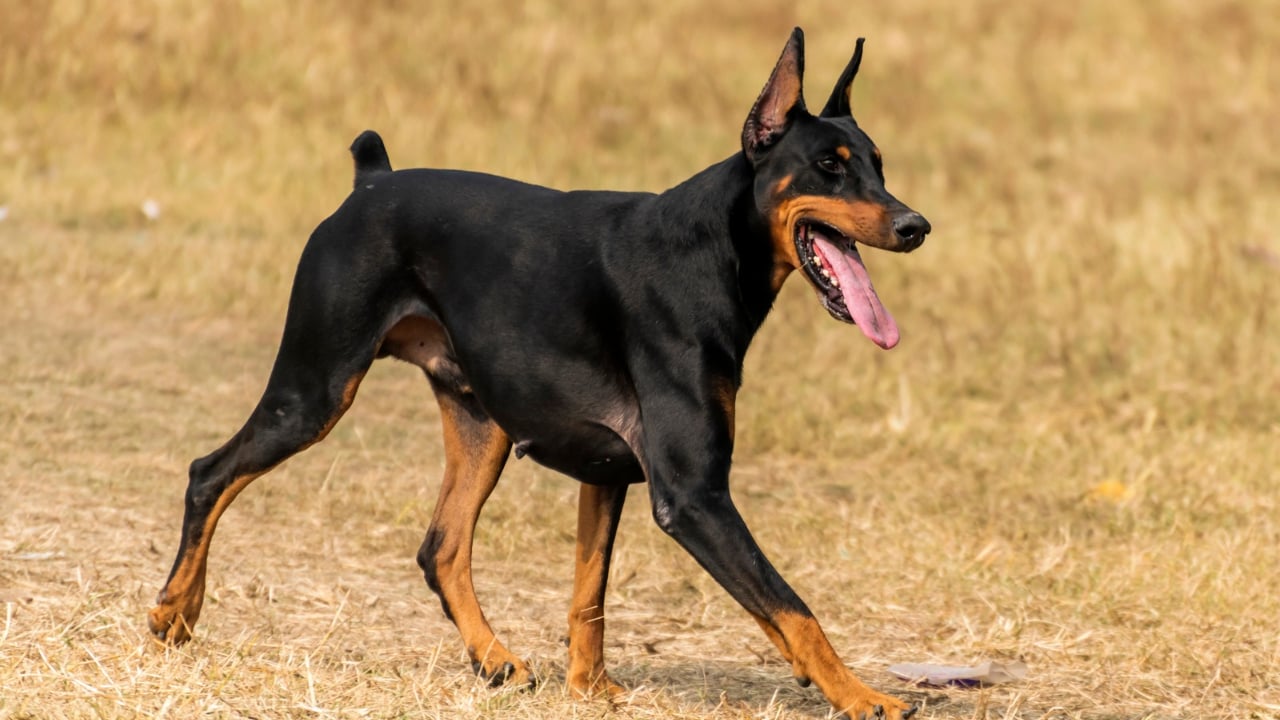
Dobermans are fast, sharp, and famously loyal. They’re not the heaviest dog on this list, but they carry themselves like they’re ten feet tall. A solid doberman has nerve: slick floors, strange noises, new people—none of it has to spook them. If there’s a confrontation, many will press forward with surprising speed and commitment.
What catches some folks off guard is how sensitive and switched-on they are. They read your posture and tone like it’s their full-time job. If you’re inconsistent, they’ll get pushy or anxious. They’re at their best when they’re trained, exercised, and kept close to the family, not parked outside as “security.” They take the job personally.
5. Belgian Malinois
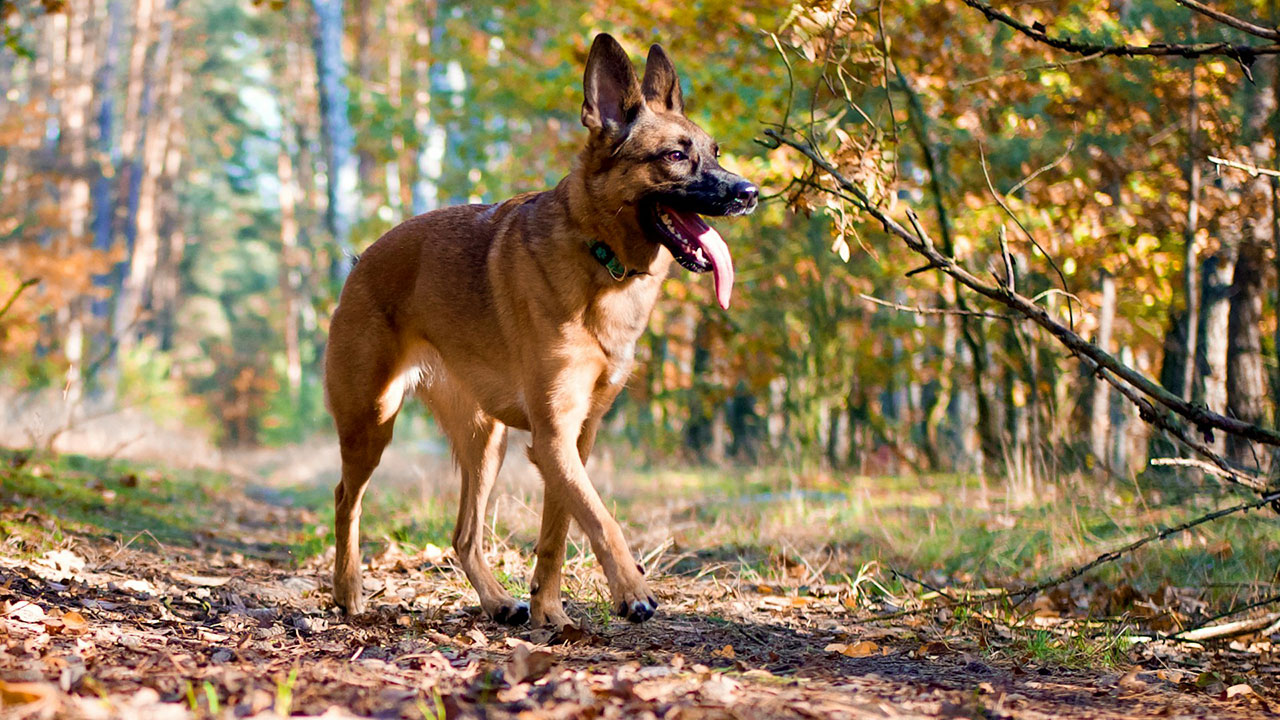
If you’ve spent time around working K9 handlers, you already know the malinois is basically a rocket with teeth. They don’t back down because they’re bred to engage, grip, and stay in the fight. High drive is the point. That’s why they dominate in police work, protection sports, and hard-charging dog jobs where a softer dog would hesitate.
Here’s the problem: a lot of regular homes can’t satisfy a malinois. They need structured training, daily work, and a handler who enjoys that lifestyle. Without it, they invent their own activities, and you won’t like the list. If you want a tough dog but you work long shifts and your exercise plan is “weekends,” look elsewhere.
6. German Shepherd Dog

A good German shepherd is steady, brave, and businesslike. They’ll take a correction, shake it off, and keep working. In the field, they’re tough enough to push through briars and cold water, and on the home front they’re usually naturally protective without being mindless about it. When they decide something isn’t right, they tend to hold their ground and make their opinion known.
They’re also a breed where breeding quality matters a lot. Nerve, hips, and temperament can vary wildly. Get a bad one and you might end up with weak structure or a fearful dog that acts tough because it’s insecure. Get a solid one and you’ve got a partner that can do a little bit of everything—if you put time into training.
7. Cane Corso
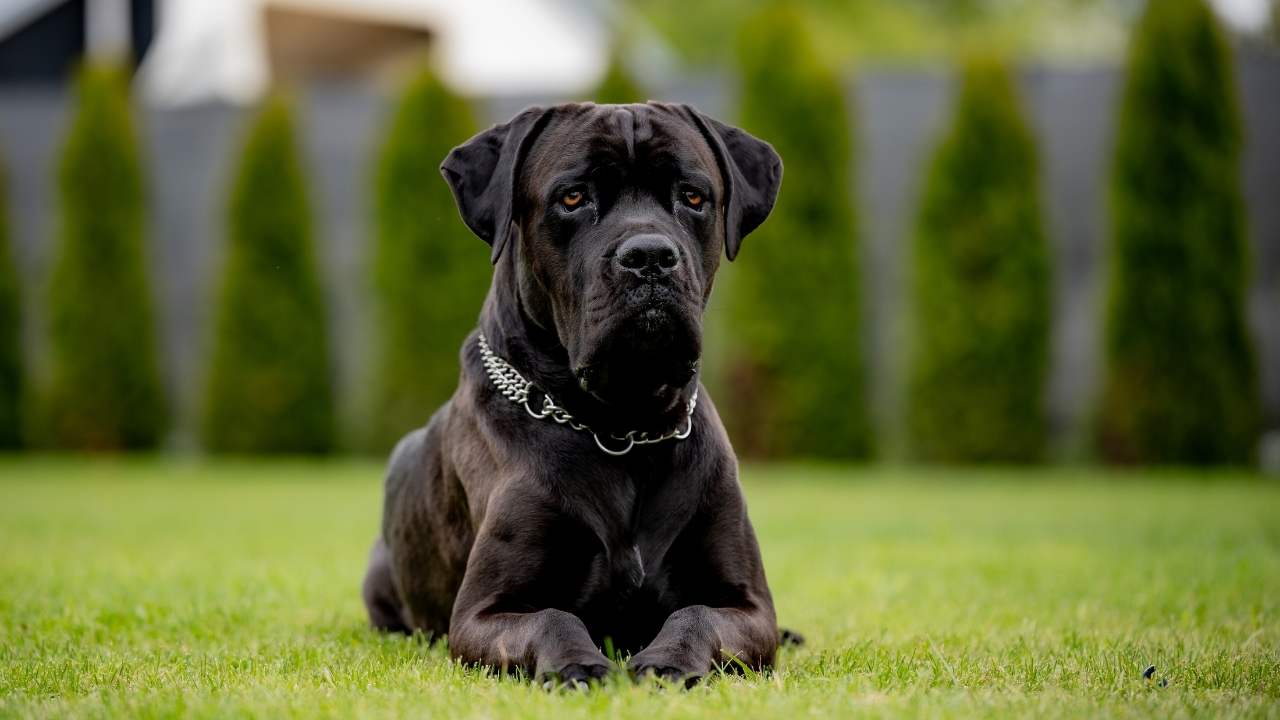
Big, muscular, and serious is the cane corso’s whole vibe. They were made to guard and to deter, and most of them understand their physical advantage early. A confident corso doesn’t do much backpedaling. When they think something threatens the home or family, they’ll step into the gap instead of moving away from it.
This is not a first-time owner dog, and I’ll say that plain. They need socialization that produces neutrality, not friendliness with everybody. They also need firm boundaries, because a corso that decides it runs the show is a handful. Fencing matters. Training matters. And you’d better be honest about whether you want a true guardian breed or just like the look.
8. Dogo Argentino

The dogo argentino was developed for big-game hunting, and it shows. Strong, athletic, and bold, this breed tends to meet pressure head-on. They’re not built to hesitate, especially when they’re locked onto a target. In rough country, that grit can be impressive. They’ll push through heat, brush, and discomfort like it’s just part of the job.
But that same drive can create conflict with other dogs and smaller animals if you don’t manage it. A dogo needs training, a secure setup, and an owner who takes responsibility seriously. They’re not a casual dog-park breed. If you want one, plan on structured outlets and tight control. Strong dogs require strong habits from the human.
9. Akita
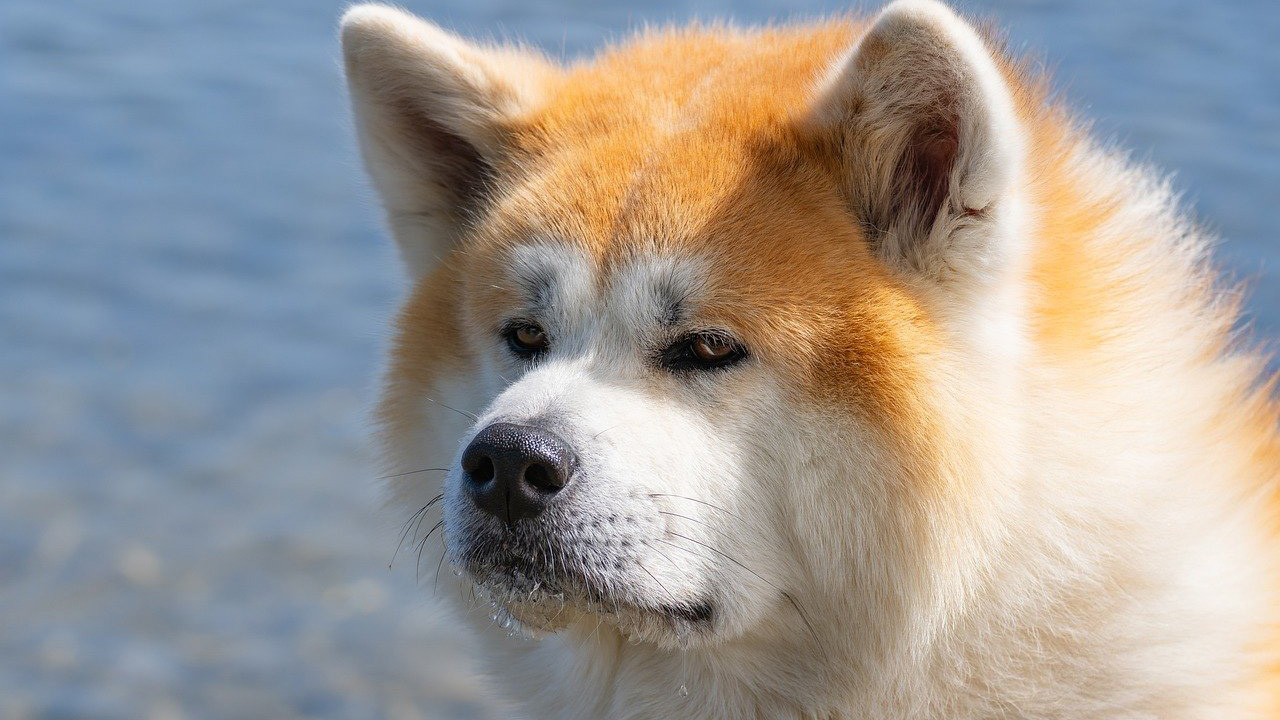
Akitas are famously dignified and stubborn, and they don’t tend to “submit” just to keep the peace. When challenged, a lot of akitas stand like a statue and decide what they’re going to do next. That’s the kind of dog that doesn’t scare easily, and it’s also the kind of dog that can escalate if you’re not careful.
They’re usually loyal and calm with their family, but they can be aloof with strangers and intolerant of strange dogs. If you’re the type that likes a dog to be everybody’s buddy, this breed can feel cold. If you like a quiet, confident dog that takes its space seriously, you’ll understand the appeal. Still, you need solid obedience and a plan for introductions.
10. Siberian Husky
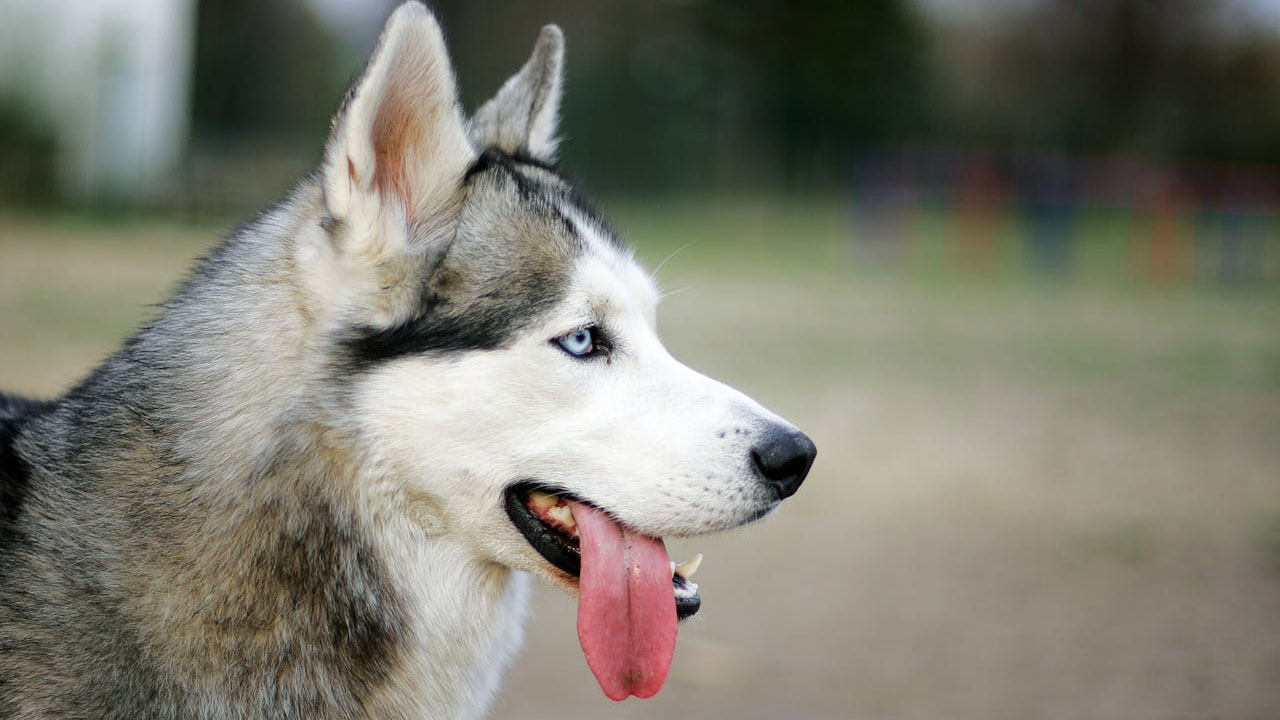
Huskies aren’t “tough” in the guard-dog sense, but they’re tough in the way a snowmobile is tough. They’re built to run, built to endure, and built to keep moving when conditions stink. A husky that doesn’t want to do something can be unbelievably stubborn. They’ll argue with you in their own way and commit to the argument for hours.
They also tend to have a strong prey drive and a real talent for escaping. I’ve seen fences that would hold a lab like a bank vault, and a husky treats it like a puzzle. If you want one, expect to work on recall, containment, and mental stimulation. They don’t back down from boredom either—they’ll tear up your life if you let them.
11. Alaskan Malamute
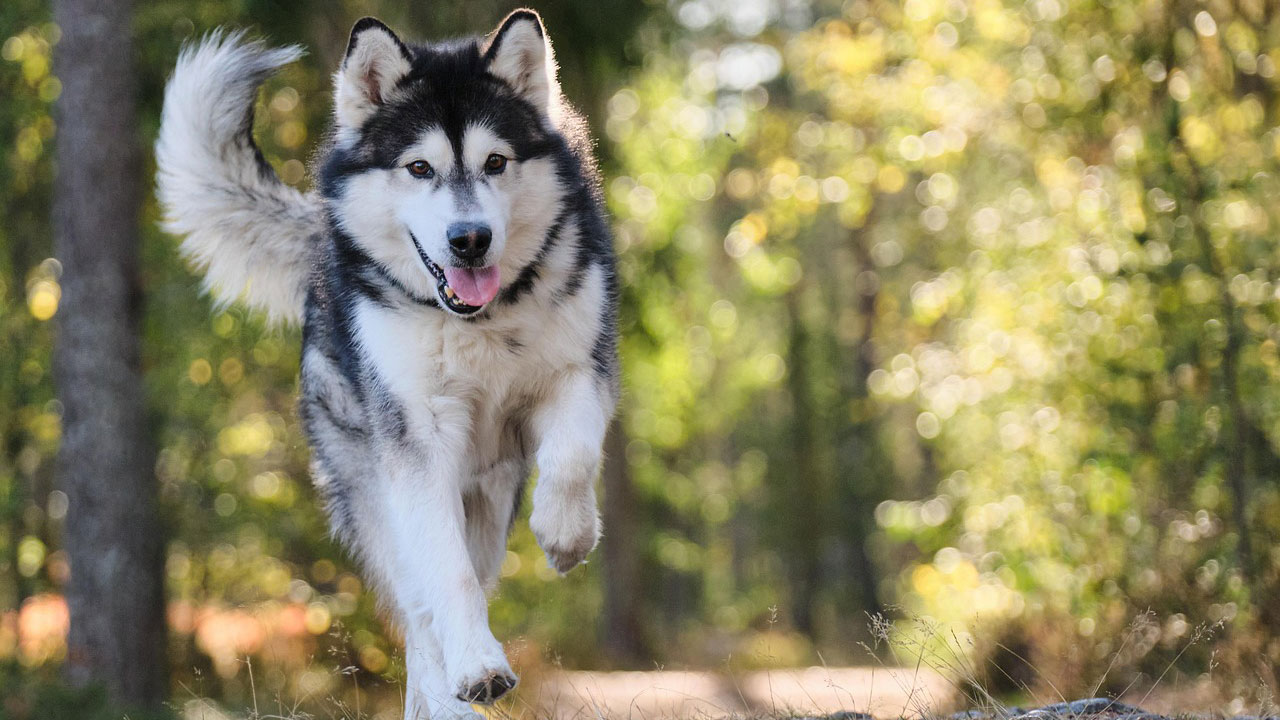
Malamutes are big, powerful sled dogs with a lot of confidence. They’re not usually frantic like some high-drive breeds, but they have a steady kind of stubborn that can feel like pushing a truck. When a malamute decides it’s not moving, it’s not moving. When it decides it is moving, you’d better have a leash and some traction.
They’re generally friendly with people, but dog-to-dog issues can crop up, especially with same-sex dogs. They’re also strong enough to drag an unprepared owner across a parking lot without trying. Training early matters, and so does teaching leash manners before they hit full strength. In cold weather they thrive; in hot climates you’ve got to manage heat and exercise carefully.
12. Bullmastiff
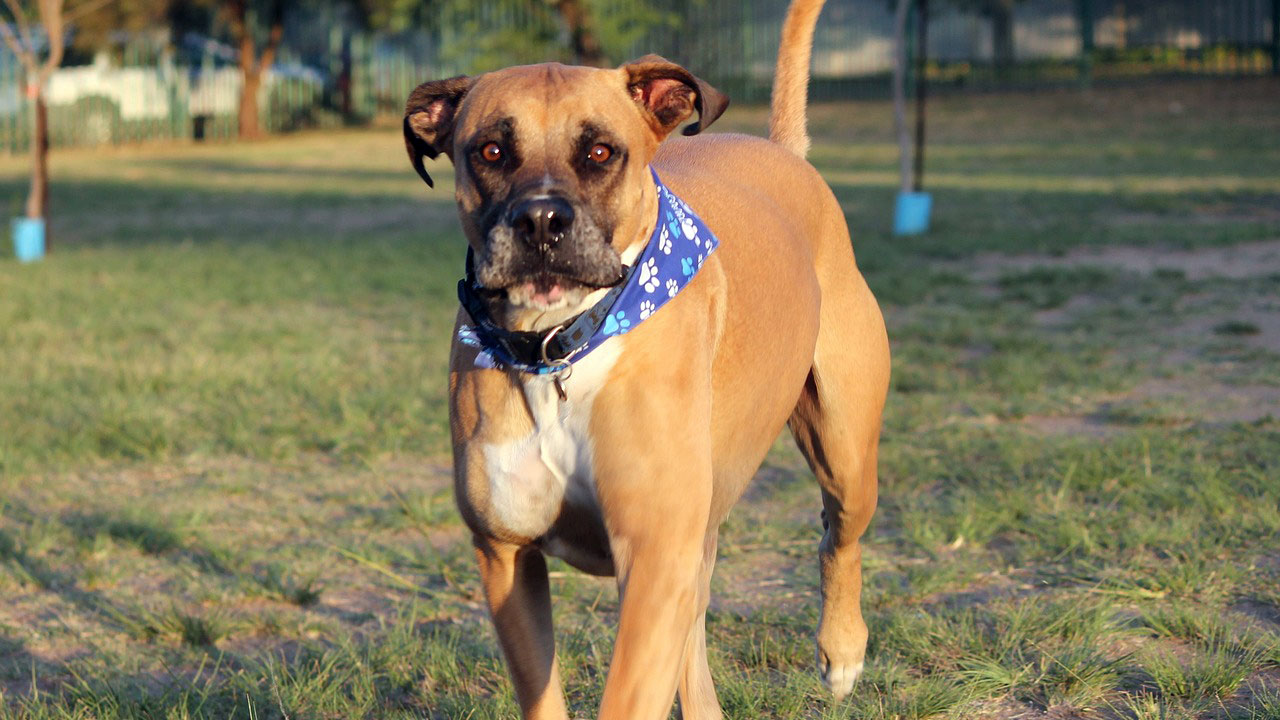
Bullmastiffs were made to stop problems on the property, and they do it with size and confidence. They’re not typically yappy or frantic. They’ll post up, watch, and then act if they think they need to. That quiet resolve is exactly what makes them feel intimidating. A bullmastiff doesn’t need to chase drama; it can end drama by existing.
They can also be stubborn and independent, and they’re strong enough that basic obedience isn’t optional. If you’re not consistent, you’ll end up with a 120-pound dog that decides where it’s going and when. They tend to be calmer indoors than many working breeds, which is nice, but don’t confuse “calm” with “easy.” The power is always there.
13. Rhodesian Ridgeback
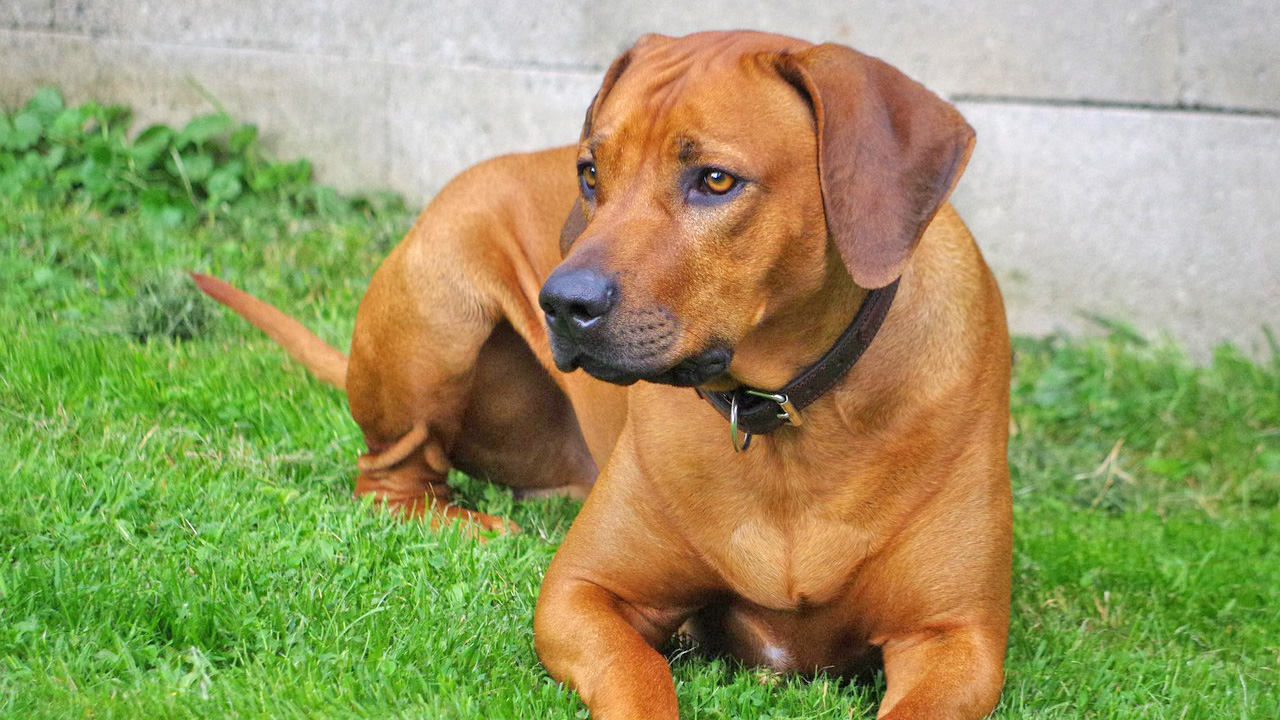
Ridgebacks were developed with big, dangerous game in mind, and a lot of them still carry that bold, forward temperament. They’re athletic, fast, and not easily rattled. A ridgeback that feels pressured doesn’t always look to you for reassurance—it may decide it can handle the situation itself. That’s the part owners need to respect.
They’re usually not clingy, and they can be selective about who they trust. Training them takes patience because they’re smart and independent, not eager-to-please like some breeds. If you give them purposeful exercise and rules that stay the same, they’re solid companions. If you let them run the show, they can become pushy and hardheaded in a hurry.
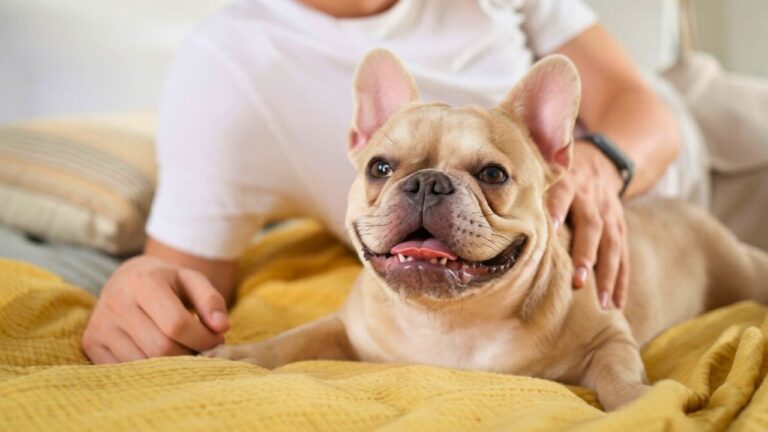
14. Boxer
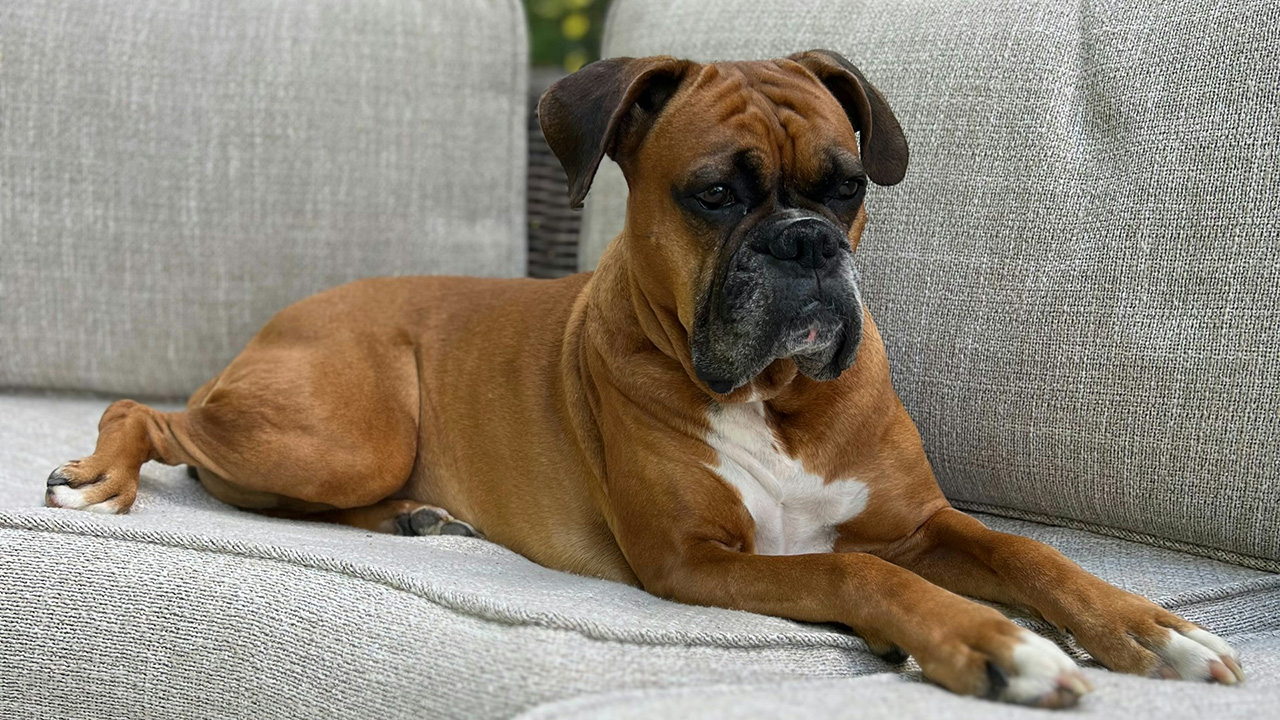
Boxers get underestimated because they’re goofy and expressive, but they’ve got real courage. A boxer will run into chaos like it’s a game, and a lot of them have a strong protective streak for their people. They’re physically tough, too, and they’ll bounce back from bumps and tumbles that would make other dogs sulk.
Their confidence can turn into impulsiveness. Boxers need training to keep that enthusiasm from becoming bad manners, especially with jumping and rough play. They’re also not great “leave them in the yard and forget them” dogs—they want to be part of the action. Give them structure, exercise, and a job like obedience or agility, and that bold temperament becomes a good thing.
15. Staffordshire Bull Terrier

Staffies are compact, muscular, and game as they come. Pound for pound, they’re one of the tougher dogs you’ll run across. Many of them have a high pain tolerance and a “keep going” mindset that shows up in play, training, and conflict. If you’ve ever watched one lock onto a flirt pole, you know what determination looks like.
That determination needs direction. They do best with clear rules and controlled social exposure so they don’t become reactive. They’re often affectionate with family, but they’re not always a great fit with other dogs, especially if you’re careless about introductions. A staffy can be a sweetheart on the couch and still be a dog that won’t yield an inch when challenged outside.
16. Jack Russell Terrier
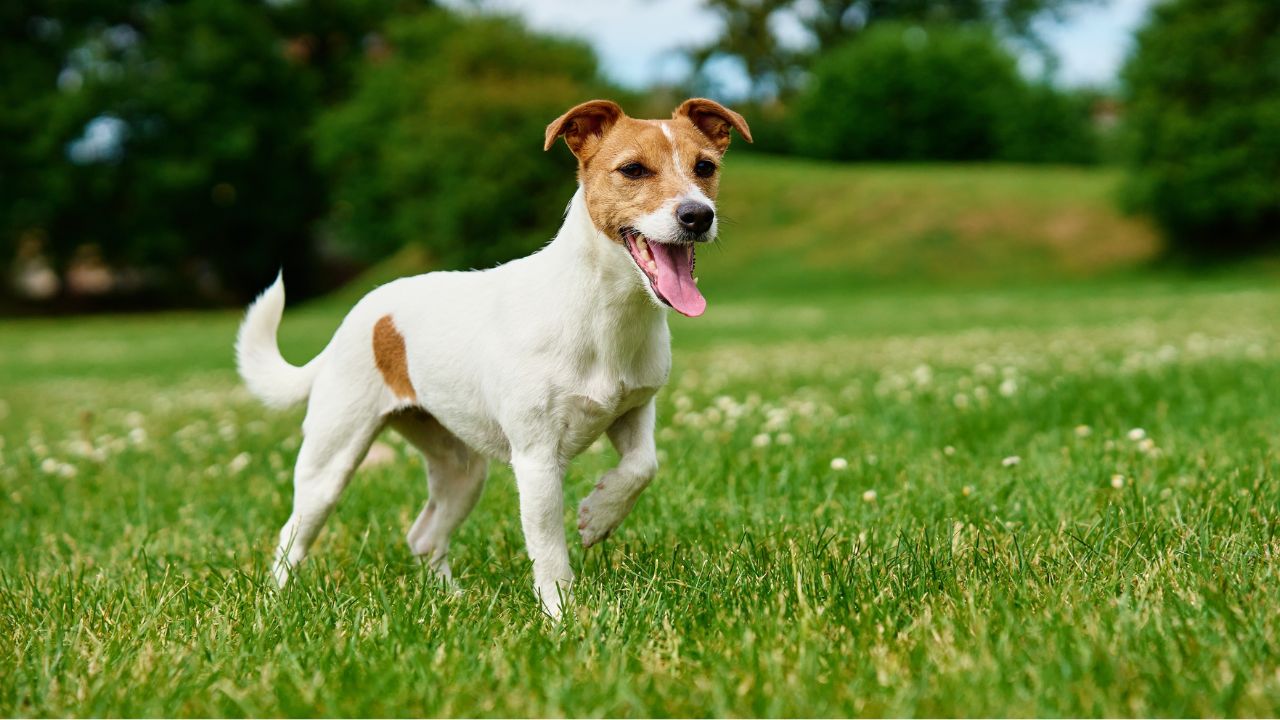
Here’s your reminder that toughness isn’t about size. A Jack Russell will pick a fight with a backhoe if it thinks it can win. They were bred to go to ground after varmints, and that boldness is baked in. They’re fearless, loud, and persistent—three traits that guarantee they won’t “back down” from much of anything.
In a hunting or farm context, that can be useful for pest control. In a suburban living room, it can be exhausting. They need mental work, not just a lap to sit on. If you don’t give them an outlet, they’ll chew, dig, bark, and generally run a one-dog insurgency. Great dogs for the right person. Bad match for someone who wants calm.
17. Australian Cattle Dog

Cattle dogs are tough the way barbed wire is tough. They’re built for hard work, they’re stubborn, and they don’t mind taking a hit if it means moving stock. That grit shows up in everything they do. When you ask one to do a job, it tends to commit fully. When something challenges it, it often responds with a hard stare and a forward step.
They’re also known for being protective and sometimes nippy, especially if they don’t have a real job. If you’ve got kids running, they may try to “herd” them. That can be managed, but it takes training and supervision. They shine on acreage with chores, daily exercise, and consistent rules. In a cramped environment with no plan, they get sharp and restless.
18. Great Pyrenees
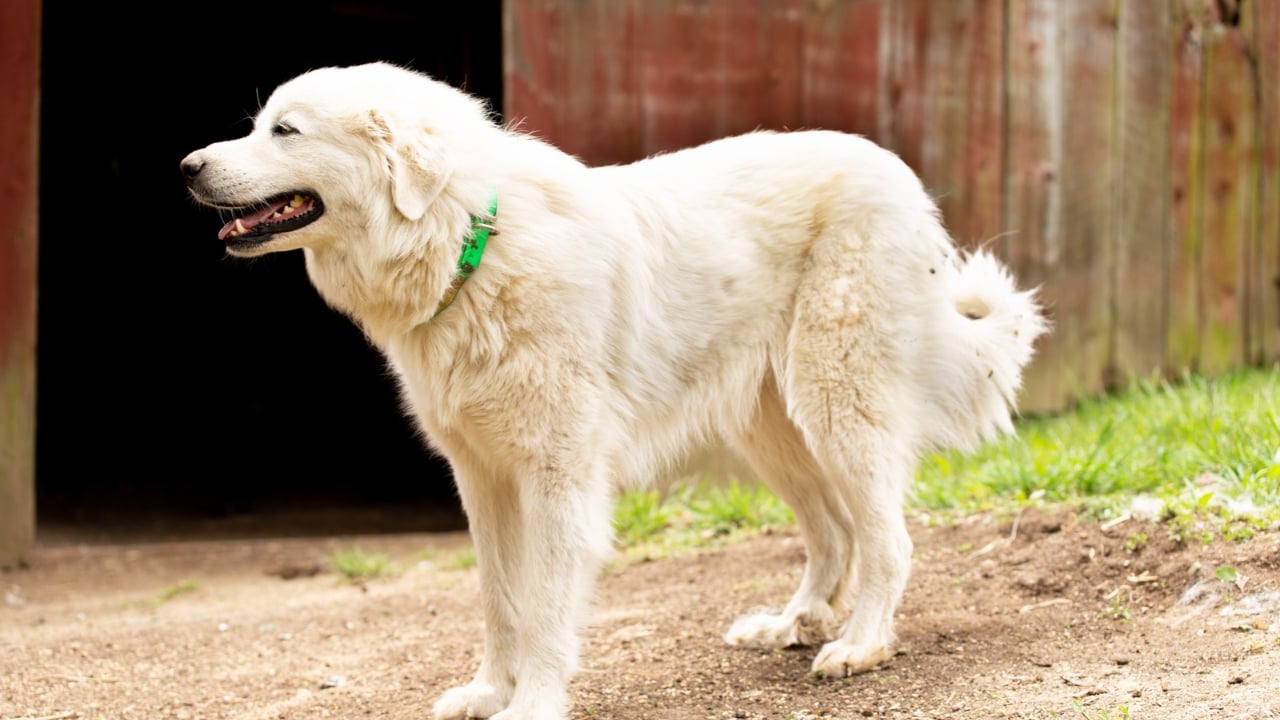
A Great Pyrenees doesn’t act tough like a show. It’s quiet, independent, and bred to stand between predators and livestock. That’s a different flavor of “won’t back down.” They’ll hold territory, make decisions on their own, and stay outside in nasty weather like it’s nothing. When they decide something is a threat, they can be surprisingly immovable.
They also roam if you let them, and their barking can wear on neighbors fast. Fencing and training are not optional, and you need to understand they aren’t built to take constant commands like a retriever. They’re guardians, not obedience robots. On a farm, they can be priceless. In a neighborhood with flimsy fences and noise-sensitive folks, they can become a headache.
19. Dutch Shepherd
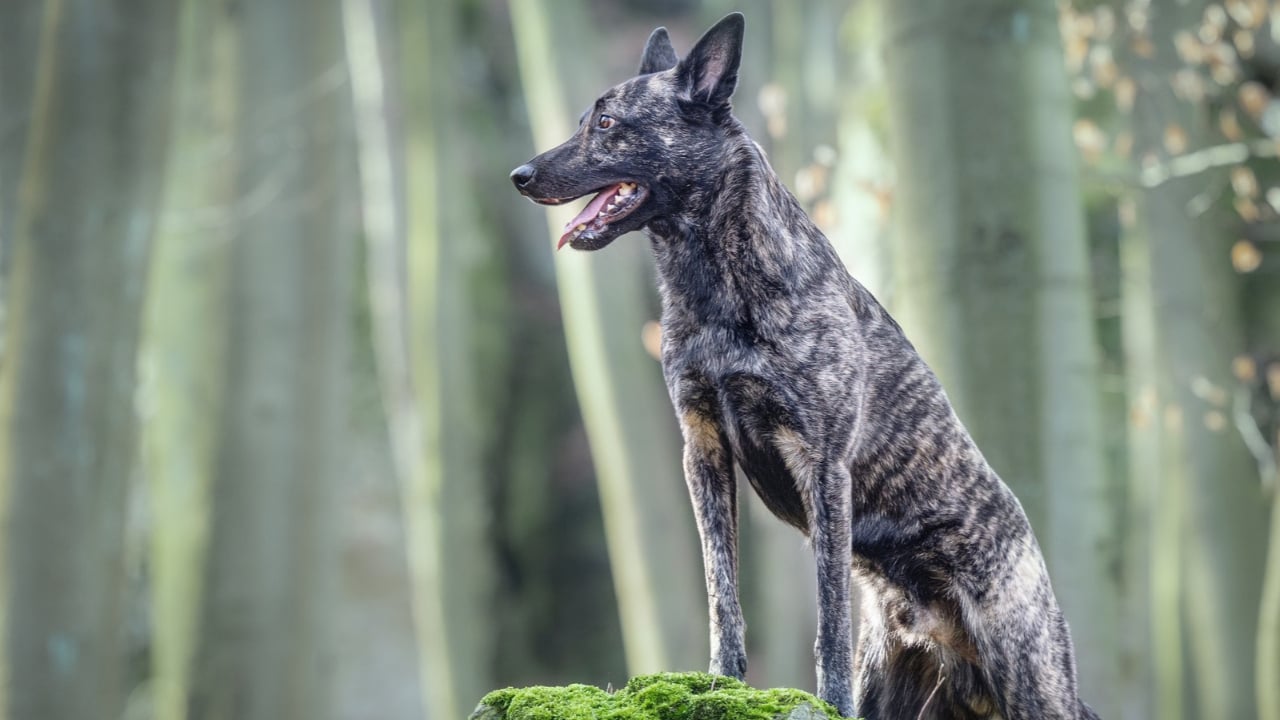
Dutch shepherds are like the malinois’ close cousin—high drive, quick learners, serious workers. They don’t fold under pressure easily, and many are bred for bite work, detection, and protection tasks. That combination of confidence and athletic ability means they tend to confront problems rather than avoid them. They’re intense dogs, plain and simple.
They need training that’s more than tossing a ball twice a day. Without structure, they can become reactive, destructive, or obsessive. If you’re a disciplined handler who likes to train, they’re a blast. If you want a dog that “just chills,” this is not your breed. A Dutch shepherd will find work whether you assign it or not.
20. American Bulldog

American bulldogs have a gritty, forward temperament and a lot of muscle behind it. They’re confident, sometimes stubborn, and often very committed once they engage. On rural properties, you’ll hear of them used as catch dogs or general-purpose tough companions. When an American bulldog decides to hold ground, it’s not a gentle suggestion—it’s a decision.
They need training early because they’re strong and can be pushy. They also need careful socialization to keep that confidence from turning into needless aggression. With the right owner, they’re loyal, stable, and downright fun. With no rules and weak containment, they can become the dog that starts trouble at the fence line. Big, driven dogs demand big, consistent leadership.
One thing worth saying out loud: courage in a dog isn’t automatically a virtue if the owner can’t manage it. The toughest breeds tend to be the least forgiving of sloppy training, flimsy fences, and wishful thinking. If you want a hard-nosed dog, build the lifestyle around it—obedience work, routine, and control in public. Do that, and you’ll have a partner that doesn’t wilt when things get uncomfortable. Skip that part, and you’ll spend a lot of time apologizing.
Like The Avid Outdoorsman’s content? Subscribe to our newsletter so you never miss an article.
Here’s more from us: