Photo credit: The Avid Outdoorsman
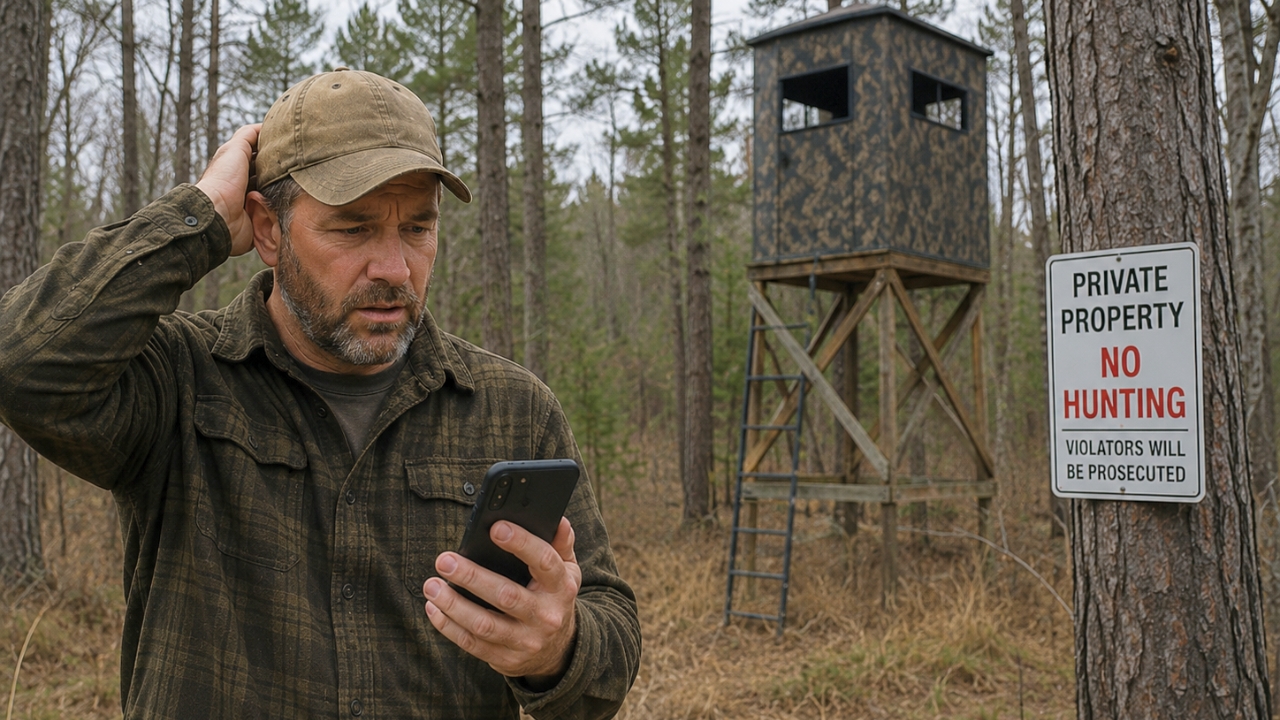
A Minnesota landowner found a hunting stand on private property and wanted it gone, but the question quickly became more complicated than just taking it down.
According to the Reddit thread, the landowner found a stand on the property and asked whether they needed to leave a note for a few days before removing it. The original post was later deleted, but the comments preserved enough of the situation to show what made people react so strongly.
The issue was not just the stand. In the comments, the poster said they had photos of everything, including corn in a barrel about 50 feet in front of the stand. That detail immediately made people think about baiting, trespassing, and whether the landowner needed to call the DNR instead of handling it alone.
The landowner explained the situation in a Reddit thread and asked what to do after finding the stand: https://www.reddit.com/r/legaladvice/comments/17obc7k/mn_found_a_hunting_stand_on_my_property_would/
The stand was already a problem
A hunting stand on private land usually means someone has been there more than once.
The person had to enter the property, find a location, set up the stand, and plan to return. That is different from somebody accidentally crossing a boundary while walking through the woods.
For the landowner, the stand showed intent. Someone had decided this was a place to hunt, even though the poster later said there were clearly visible signs along the property boundaries.
That matters because it makes the “I didn’t know” excuse harder to accept.
A person can make a boundary mistake once. It is harder to explain why they set up a stand and bait-like setup on land that was already posted.
The corn barrel changed the whole discussion
The biggest detail in the comments was the barrel of corn.
The poster said there was corn about 50 feet in front of the stand. That made commenters immediately bring up Minnesota’s baiting rules.
Several people said hunting deer over bait is illegal in Minnesota and urged the landowner to call the DNR. One commenter pointed to Minnesota DNR information stating that hunters are not allowed to take deer with the aid or use of bait anywhere in the state.
That did not automatically prove the stand owner was hunting deer over bait, but it made the situation look much more serious than an abandoned piece of gear.
A stand by itself is one issue. A stand with corn set up in front of it during hunting season looks like something a conservation officer would want to see.
Commenters kept telling the landowner to call the DNR
The most common advice was to call the DNR or a conservation officer.
That makes sense because this was not just a property dispute. It involved hunting equipment, possible baiting, trespassing, and someone potentially using a firearm on posted private land.
A regular police report can matter for trespassing, but conservation officers deal with hunting violations every season. They know what evidence matters and whether the stand, bait, or timing violates state rules.
One commenter said the DNR may want to come out and catch the person, especially if baiting, trespassing, or other hunting violations were involved.
That was the practical move: let the agency that handles hunting laws decide what to do with the stand and corn.
The landowner had already documented the setup
The poster said they had pictures of everything.
That was smart. Before moving a stand, dumping bait, or leaving a note, photos help preserve what was found and where it was.
If a conservation officer later asks what the setup looked like, the landowner can show the stand, the corn barrel, the approximate distance, and the surrounding property.
That matters because once the stand is moved or the corn is removed, the scene changes.
Documentation also protects the landowner if the hunter later claims the setup was misunderstood, moved, or not on the poster’s property.
The DNR gave a practical recommendation
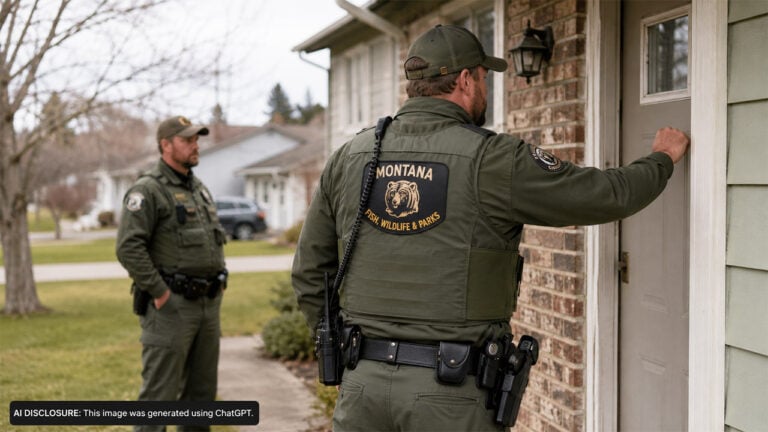
The poster later updated that they called the DNR and spoke with an officer.
According to the update, the officer said the person may have had permission from the previous owner and might not have realized the land had changed hands. The landowner also said the property was posted everywhere with private-property signs.
The DNR officer reportedly recommended posting a note on the stand and giving the person six weeks to remove it. If it was not removed by then, the officer said the landowner could remove it and hold onto it for six months before it became theirs.
That advice was calmer than some commenters expected, but it gave the landowner a clean path forward.
Instead of tearing it down in anger, the poster had guidance from the agency most likely to deal with the hunting side.
Not everyone thought the note was legally required
One commenter told the landowner that the DNR officer’s recommendation sounded like a courtesy, not necessarily a legal obligation.
That distinction mattered.
The landowner may not have been legally required to leave the stand in place for six weeks, but following the officer’s recommendation could prevent unnecessary trouble. It also shows that the landowner acted reasonably.
That can matter if the hunter later complains that their stand disappeared or that they were not given a chance to retrieve it.
A note gives the hunter a way out: remove your stand, stay off the property, and do not come back.
The previous-owner angle made it less clean
The DNR officer’s comment about possible permission from the previous owner added some nuance.
If the hunter truly had permission years earlier, they may not have started out as a bad actor. They may have failed to update their permission after the property changed hands.
That still does not give them the right to keep hunting there.
When land changes owners, old handshake permission does not automatically follow forever. The hunter needed permission from the current owner, especially with signs posted.
But the possibility of an outdated permission agreement may explain why the DNR suggested a note instead of immediate escalation.
The landowner did not want a fight
In the comments, the poster said the ideal outcome was simple: the person takes down the stand and does not hunt on the property.
That is a reasonable goal.
The landowner was not asking how to punish someone as harshly as possible. They wanted the stand gone and the property left alone. That goal lined up with the DNR’s suggested note.
If the hunter removed the stand and stopped coming back, the problem could end without a bigger legal fight.
If the hunter ignored the note, returned to hunt, or left the stand in place past the deadline, the landowner would have a stronger reason to escalate.
The bait issue still could not be ignored
Even with the previous-owner explanation, the corn barrel was still a problem.
If someone was using corn to attract deer, that could create hunting-law issues. It could also create problems for the landowner if the bait stayed on the property and someone tried to hunt over it.
One commenter warned the landowner could get dragged into trouble if the bait remained on the property, so getting the DNR involved was the safer move.
That is a key lesson for landowners. If you find bait, stands, blinds, or cameras on your property, do not assume it is just abandoned gear. It may be part of an illegal setup, and you want a record showing you reported it rather than supported it.
The property signs helped the landowner’s position
The poster said there were clearly visible signs along the boundaries.
That mattered because signs remove excuses. If the property is posted, a hunter has a harder time claiming they believed the land was open or that nobody cared.
Commenters still suggested adding “no hunting” signs, not just general private-property signs.
That is a good point. Some people see rural land and assume access is flexible unless hunting is specifically addressed. Clear “no hunting” signs make the boundary even harder to misunderstand.
The safest answer was patient but firm
The Reddit thread showed why tearing down a stand immediately may not be the smartest first move.
The landowner had a better path: photograph the setup, call the DNR, follow the officer’s recommendation, post a clear note, and keep records of everything.
That approach protected the landowner from being accused of stealing or damaging the stand while also making it clear that hunting was not allowed.
It also put the possible baiting issue in the hands of the agency that handles hunting violations.
For a landowner, finding a stand on posted property is frustrating. Finding one with corn nearby is worse. But the strongest response is not always the loudest one. In this case, the landowner got the DNR involved and created a clean paper trail before touching anything.
Like The Avid Outdoorsman’s content? Subscribe to our newsletter so you never miss an article.
Here’s more from us: