
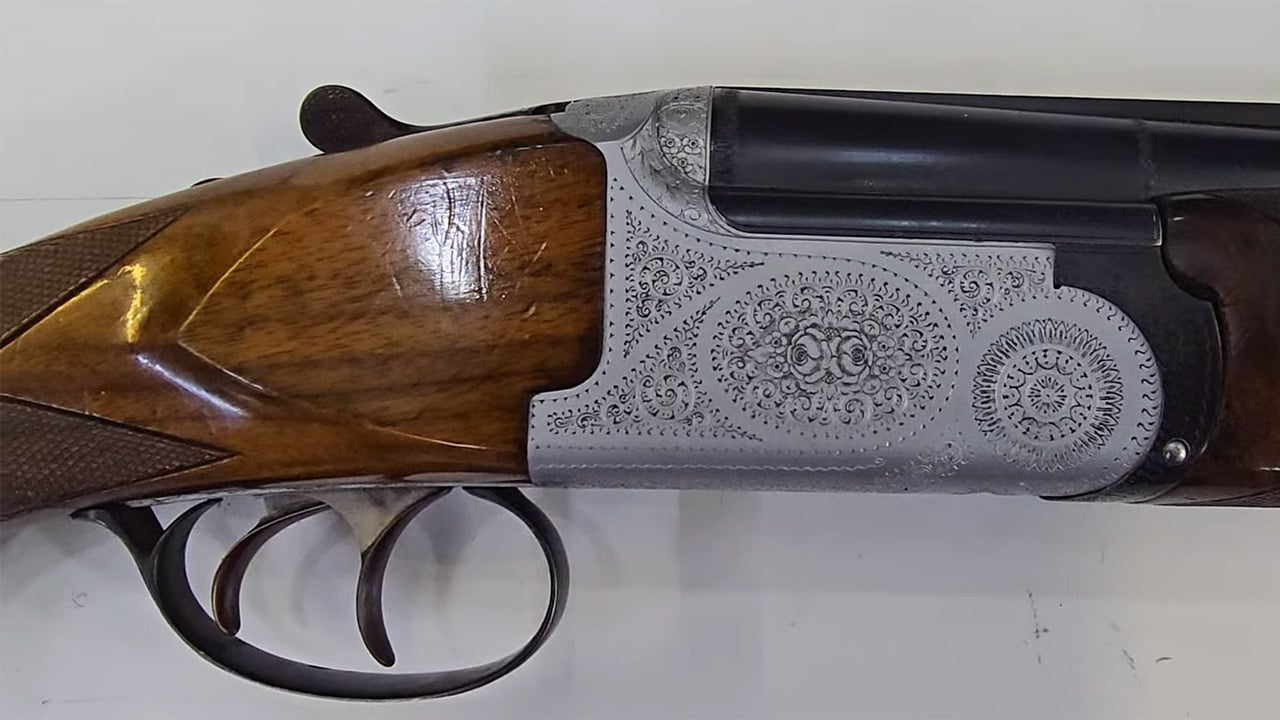
Photo credit: Armeria Colosseo/Youtube
If you’ve been around gun counters and estate auctions long enough, you start noticing a pattern: certain over-unders get treated like “just hunting guns” right up until the day you try to buy one again. The market chases the newest Turkish bargain or the latest high-gloss Italian import, while a bunch of older (and a few current) doubles sit there quietly climbing in value—mostly because they’re better made than folks remember, or because the company doesn’t build them like that anymore.
This isn’t about “safe queen investments.” It’s about guns that are still useful in the field, still feel right in the hands, and tend to cost more every year when you go to replace one. If you’ve got one of these and it fits you, I would not be quick to let it go.
Browning Citori 425
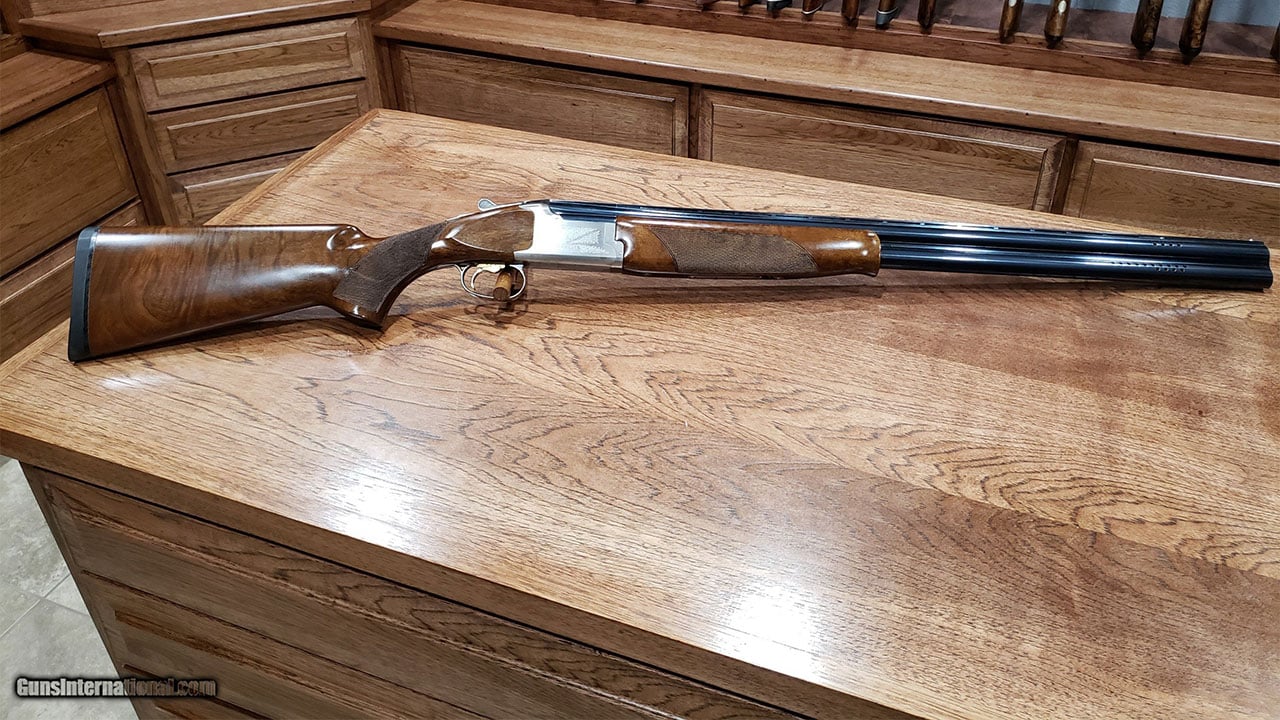
The 425 sits in a sweet spot: modern enough to take hard use, old enough that you get the “they don’t build them like that” vibe without paying collector premiums. The action tends to feel tight and bank-vault solid, and the balance is what keeps folks loyal.
You’ll see guys trade them off to “upgrade” into something fancier, then a season later they’re missing how that 425 pointed on a crossing bird. Clean examples with honest wear keep inching up, especially in common gauges.
Browning Citori Lightning (fixed-choke era)
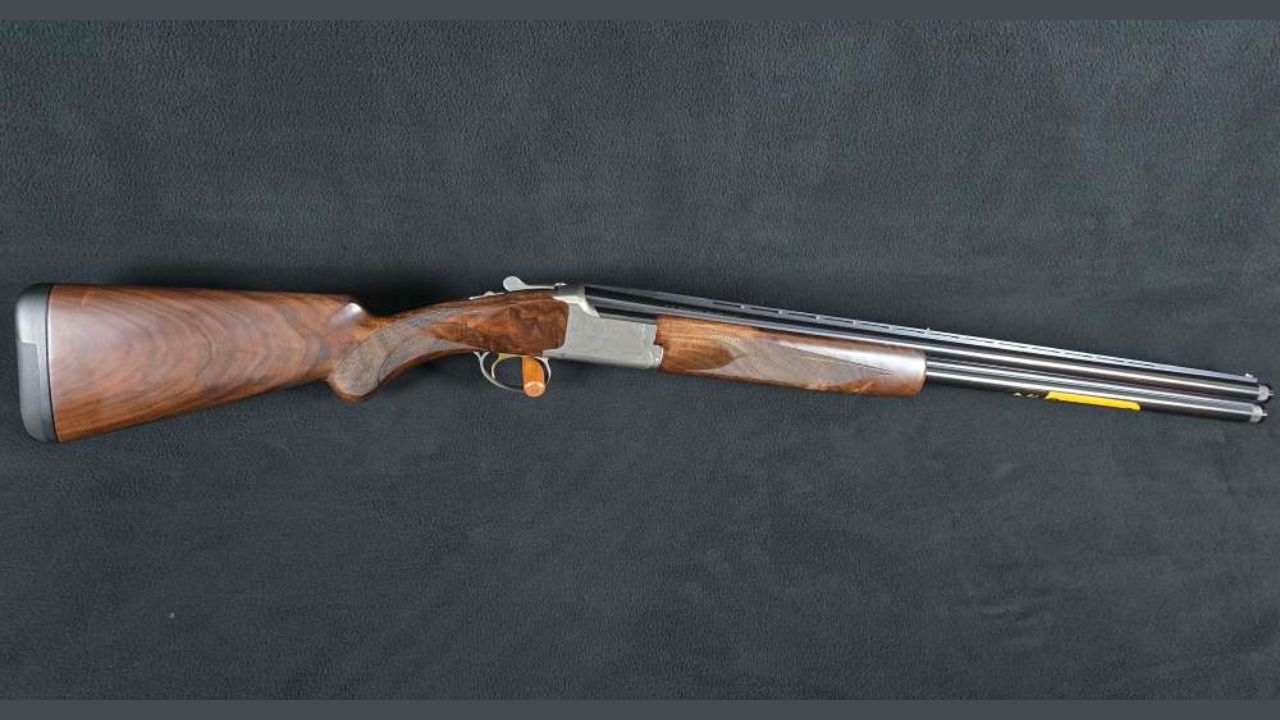
Fixed chokes scare off the interchangeable-choke crowd, which is exactly why these can be undervalued sitting on a rack. If you know what you hunt and you’re not swapping tubes every weekend, fixed chokes aren’t a deal-breaker.
The upside is you often get a very well-built Citori for less money than a comparable Invector model. And for a lot of bird hunters, that old Lightning just carries and swings like it’s supposed to.
Browning Superposed (salt-wood years excluded)

When you handle a good Superposed, it’s obvious it came from a different era. Slim, lively, and with that classic Browning feel, it’s the kind of shotgun people remember from fathers and grandfathers.
Prices are already strong, but the best ones haven’t topped out in the way some folks assume—especially higher grades or clean field models. The caution is real: avoid salt-wood problem guns unless you know exactly what you’re looking at.
Beretta 686 Silver Pigeon (older Italian production)
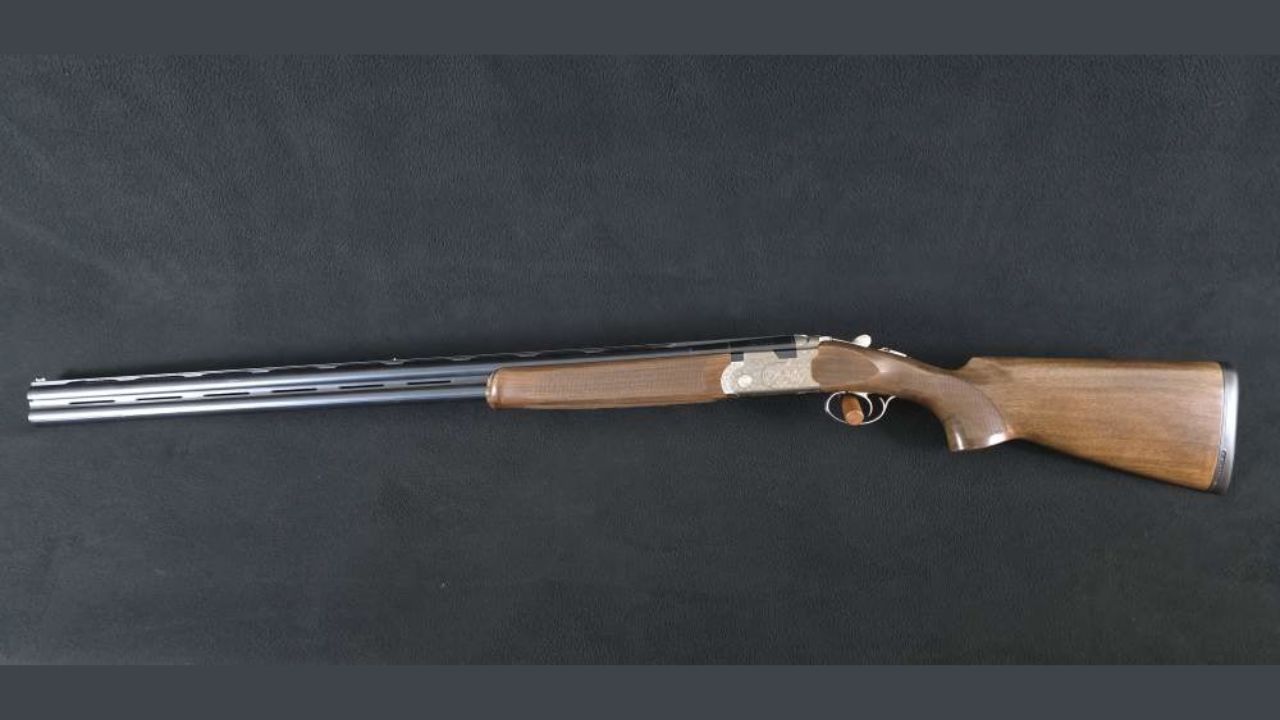
The 686 is the small-block Chevy of over-unders: proven, everywhere, and hard to truly “outgrow.” Older Italian-made guns with nice wood and solid fit finish keep getting harder to find at reasonable money.
They aren’t rare, but demand doesn’t quit. When something is that shootable, it stays in circulation and values hold. The best part is you can still get parts and service without a bunch of drama.
Beretta 687 EELL
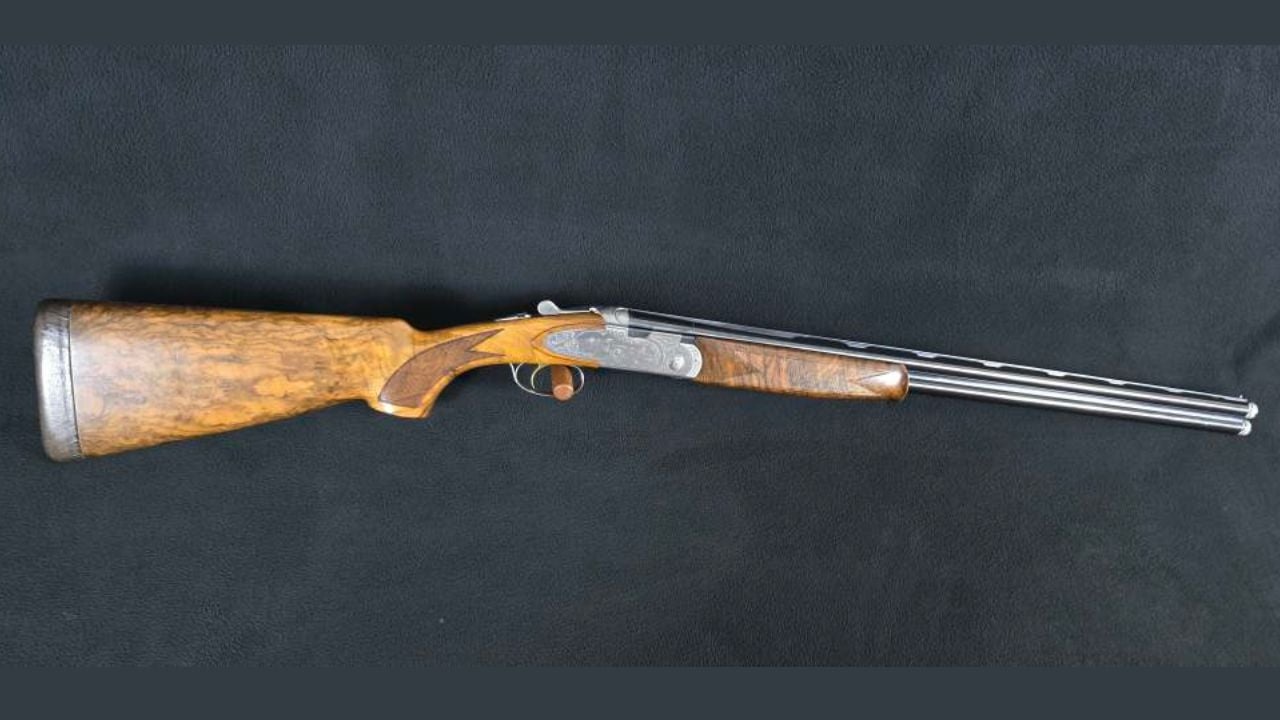
This is where Beretta’s refinement starts showing up without going full bespoke. Better engraving, better wood, and usually a little nicer overall execution than the entry-level guns.
A lot of hunters walk past them because they “look fancy,” then go buy something new that costs similar money and isn’t built as well. The 687 EELL tends to age gracefully, and clean ones don’t sit long.
Beretta 682 Gold E (early sporting models)
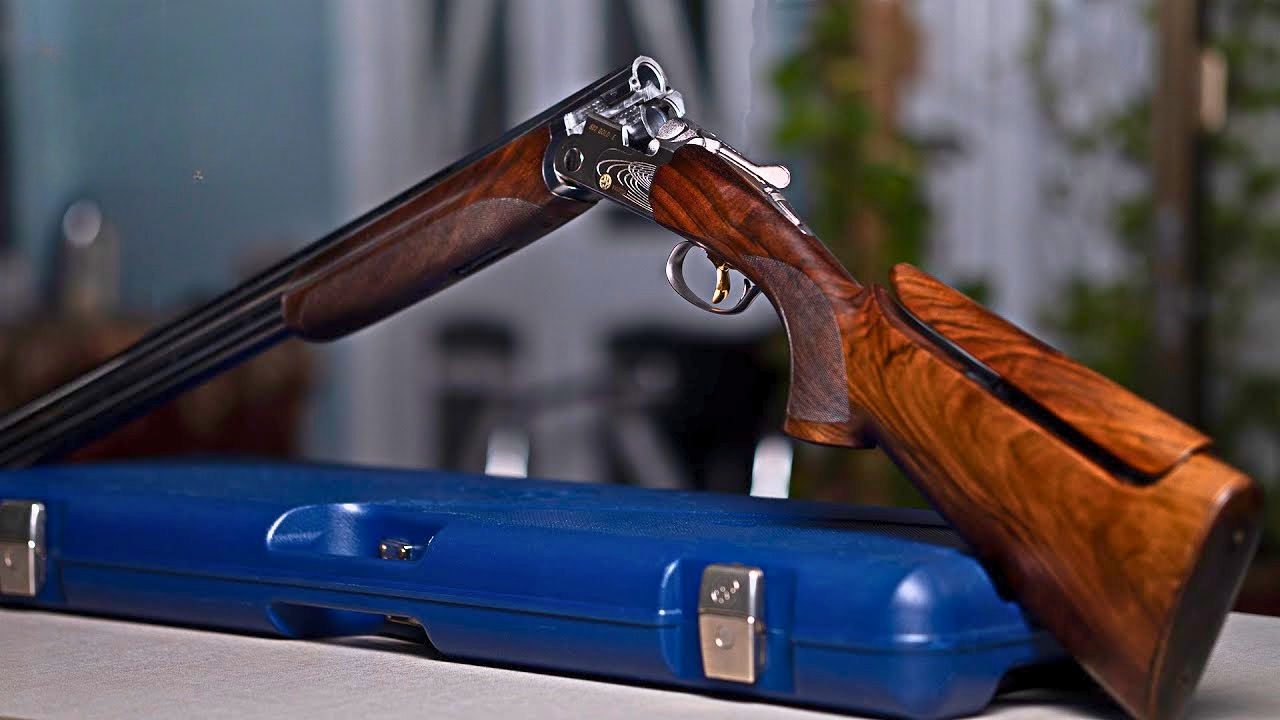
Some 682s were bought by clay shooters who actually shot them, and those well-used guns can look rough. But the bones are excellent: strong actions, consistent barrels, and a track record that’s hard to argue with.
If you find one that hasn’t been abused, it’s often a better long-term shotgun than many “new and shiny” options. And when a model has real competition pedigree, the floor on value rarely collapses.
Benelli 828U (first-generation, early production)
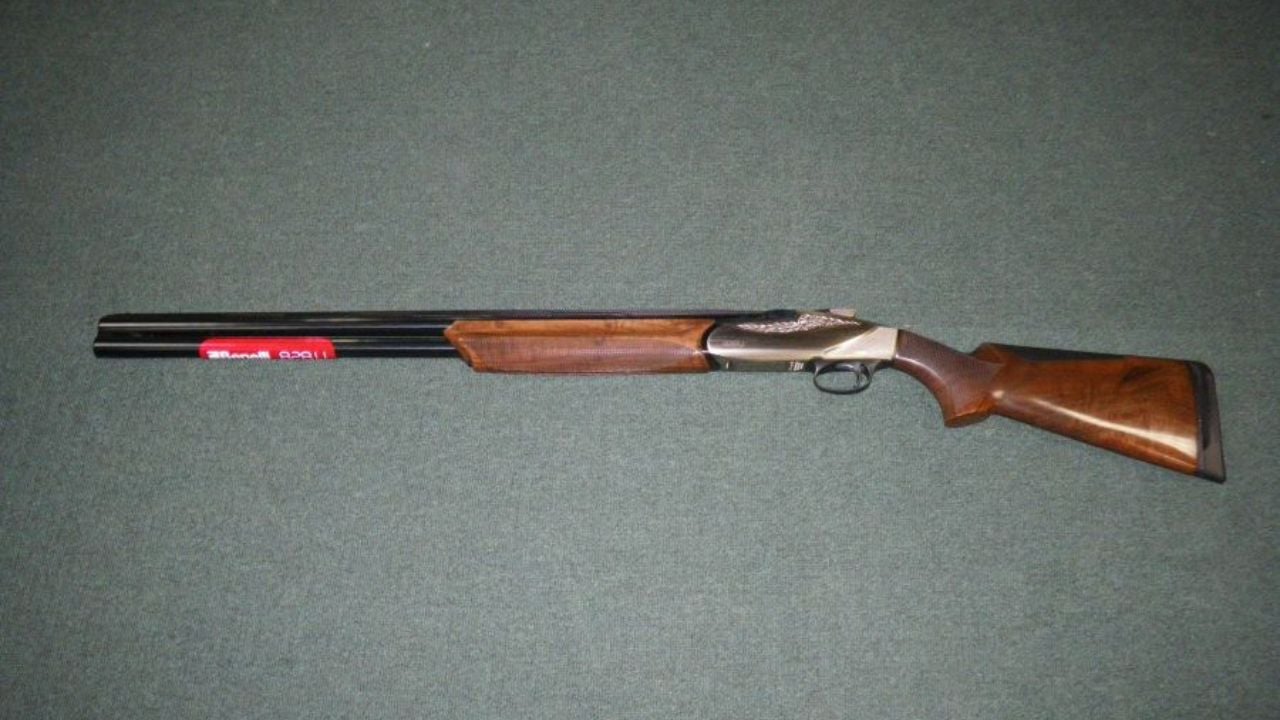
I know, it’s not old-school steel-and-walnut. But the 828U caught plenty of skepticism early, and that hesitation kept some prices softer than they should’ve been for a Benelli-branded over-under.
Not everyone likes the feel, and that’s fine. Still, they’re light, they carry all day, and the good ones run. As used examples get sorted into “problem guns” and “solid guns,” the solid ones are starting to separate on price.
Ruger Red Label (20 gauge)

The 20 gauge Red Label is one of those guns that feels like a real field companion. It isn’t a dainty little English gun, but it carries well and takes punishment.
Ruger stopping and starting production didn’t help availability, and 20-gauge demand never really cooled off. If you’ve got a clean one that fits, you’re sitting on a shotgun that tends to cost more every time you go looking.
Ruger Red Label (28 gauge)

Here’s where it gets interesting. The 28 gauge crowd is loyal, and there simply aren’t piles of 28-gauge over-unders floating around compared to 12s and 20s.
Even folks who don’t “need” a 28 start wanting one after they’ve carried it for quail or woods birds. That demand is quiet, but it’s steady, and that usually means values keep creeping.
SKB 500/505 Series (Japanese-made field guns)
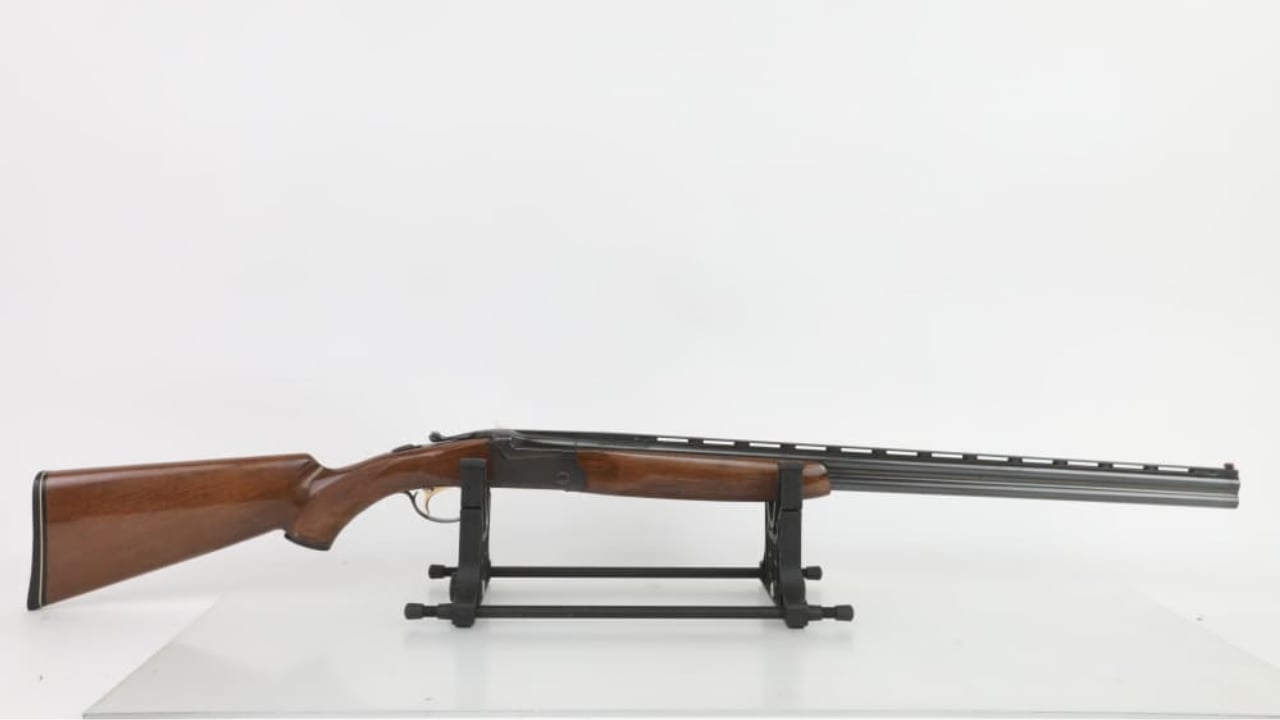
SKB doesn’t get the same brand halo as some of the European names, but the Japanese-built guns earned a reputation the honest way: they worked. They also tend to balance nicely, which is what you actually care about when the dog locks up.
The kicker is replacement cost. Once you realize what a comparable new gun costs today, that older SKB starts looking like a steal—assuming it isn’t shot loose.
SKB 585/685 (competition-leaning models)
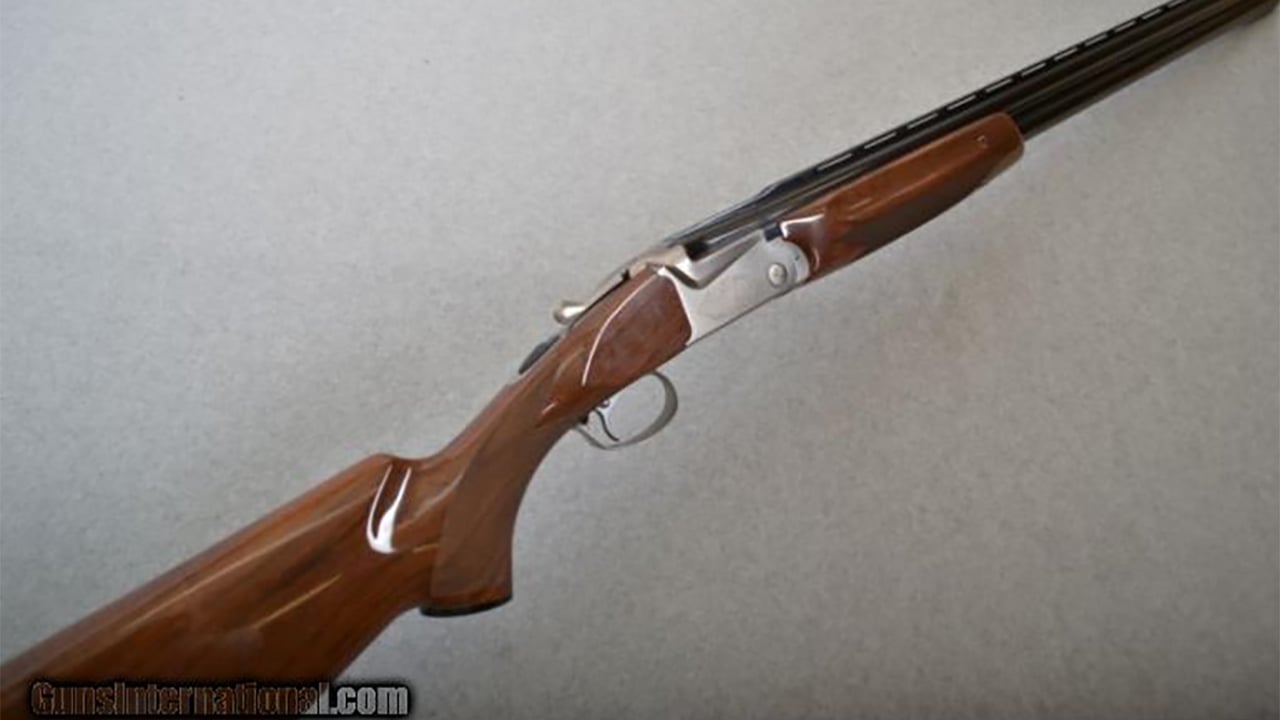
These sit a little higher in the SKB lineup and often show up as “somebody’s old clay gun.” Folks get nervous about round counts, which is fair, but a properly maintained gun can have plenty of life left.
If the lockup is still solid and the gun isn’t battered, you’re getting a lot of shotgun for the money. And SKB’s reputation has been improving with time, not getting worse.
Ithaca/SKB Model 600 (classic upland O/U)
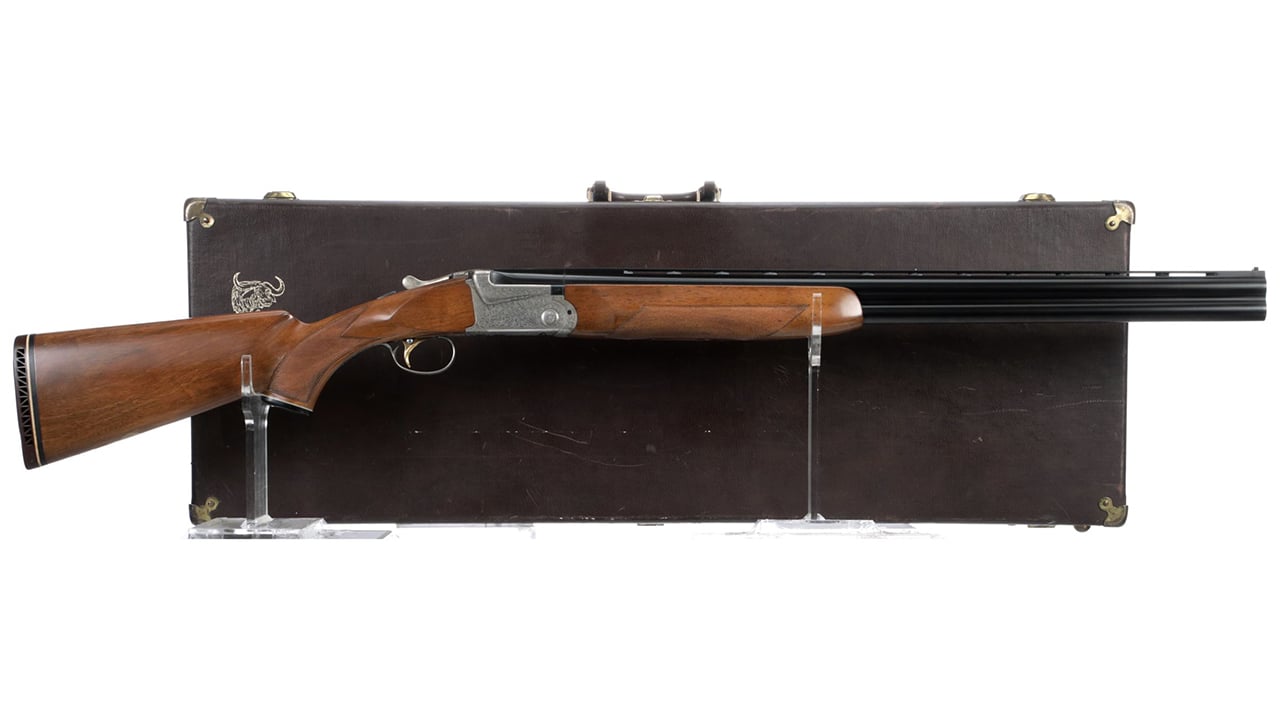
The old Ithaca-marked SKBs are sleepers. They look like plain hunting doubles, but they have that smooth Japanese fit and finish that’s hard to fake.
They’re light enough to carry all day and still behave when you touch one off. These are the kinds of guns that used to be “just a used shotgun” and are now getting recognized as quality pieces from a solid era.
Winchester 101 (Japanese production)
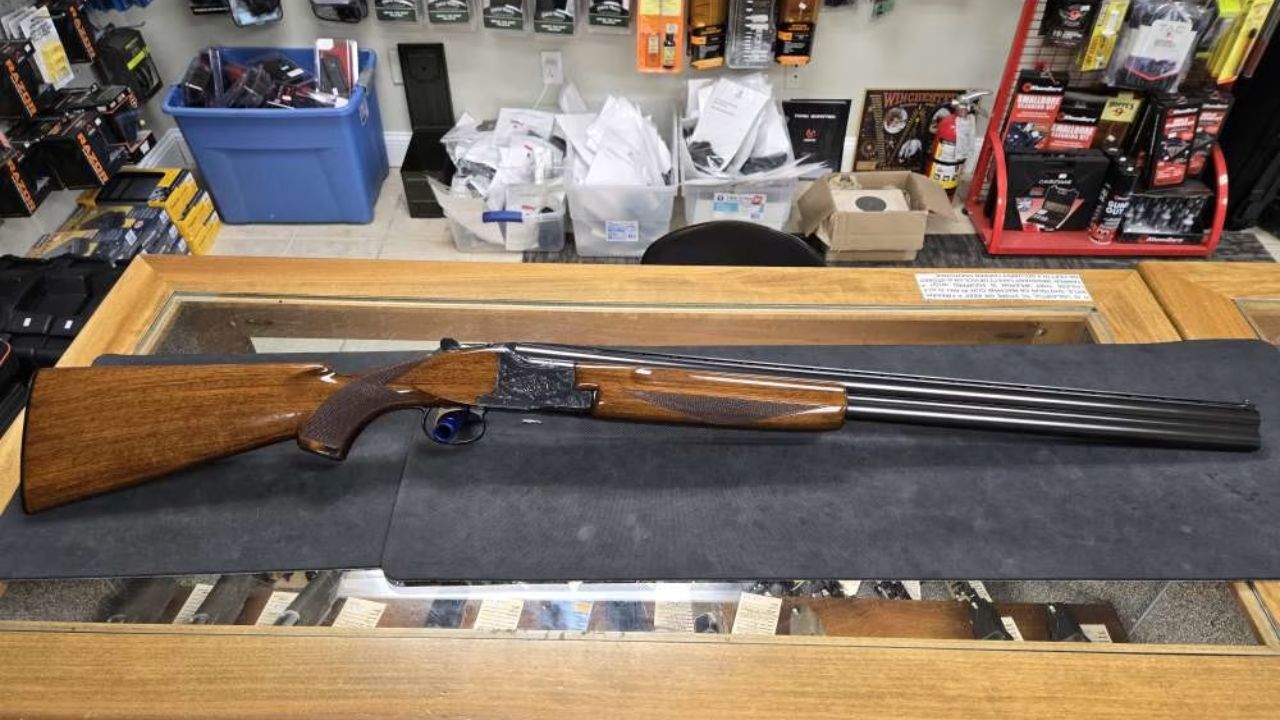
The Winchester 101 has been through different production periods, but the Japanese-made guns are the ones that keep earning nods. They point well, and they’re usually put together right.
They also have that “classic American” appeal without being a fragile collectible. When a gun is both shootable and nostalgic, it tends to keep moving upward while everyone argues about newer versions.
Weatherby Athena (SKB-built)
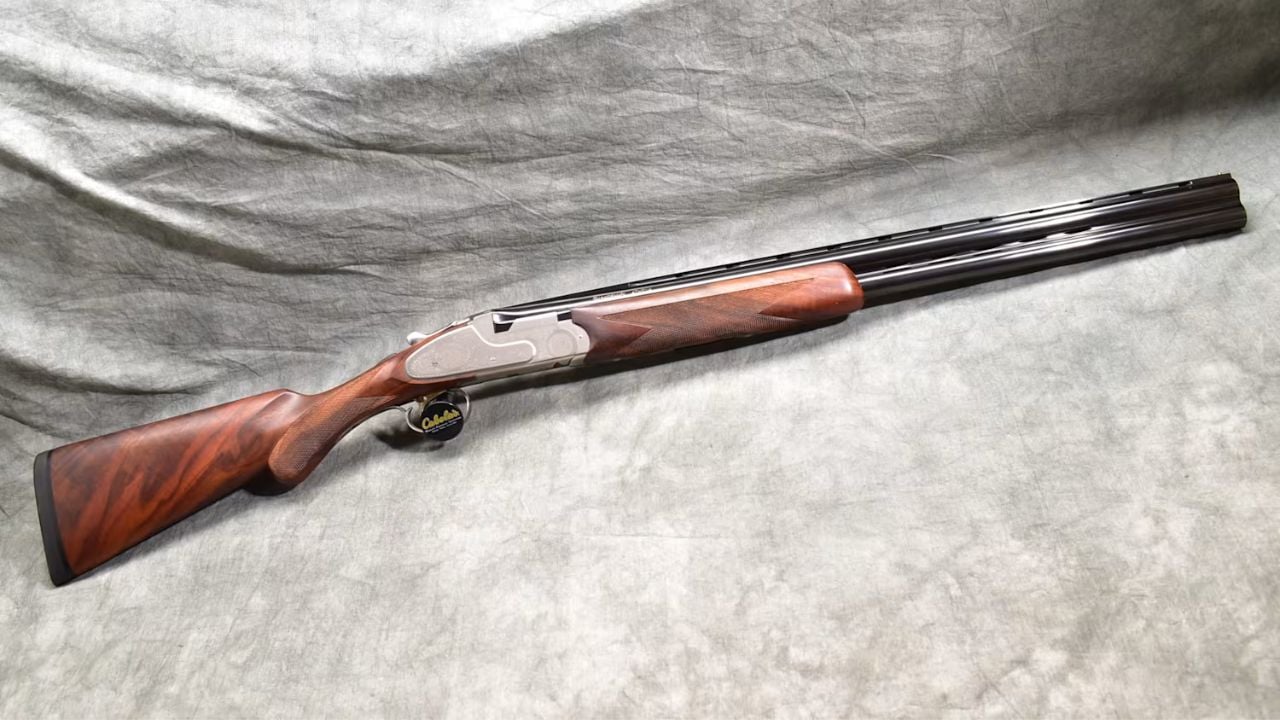
A lot of folks see “Weatherby” and think rifles first, so the shotguns don’t always get the attention they deserve. The Athena, when it’s an SKB-built gun, is a different story than what people assume.
You’re often buying SKB quality with Weatherby branding, and that mismatch keeps prices softer than they should be. If you want a field-worthy over-under with some class, this is a smart place to look.
Charles Daly Superior (Miroku-built)
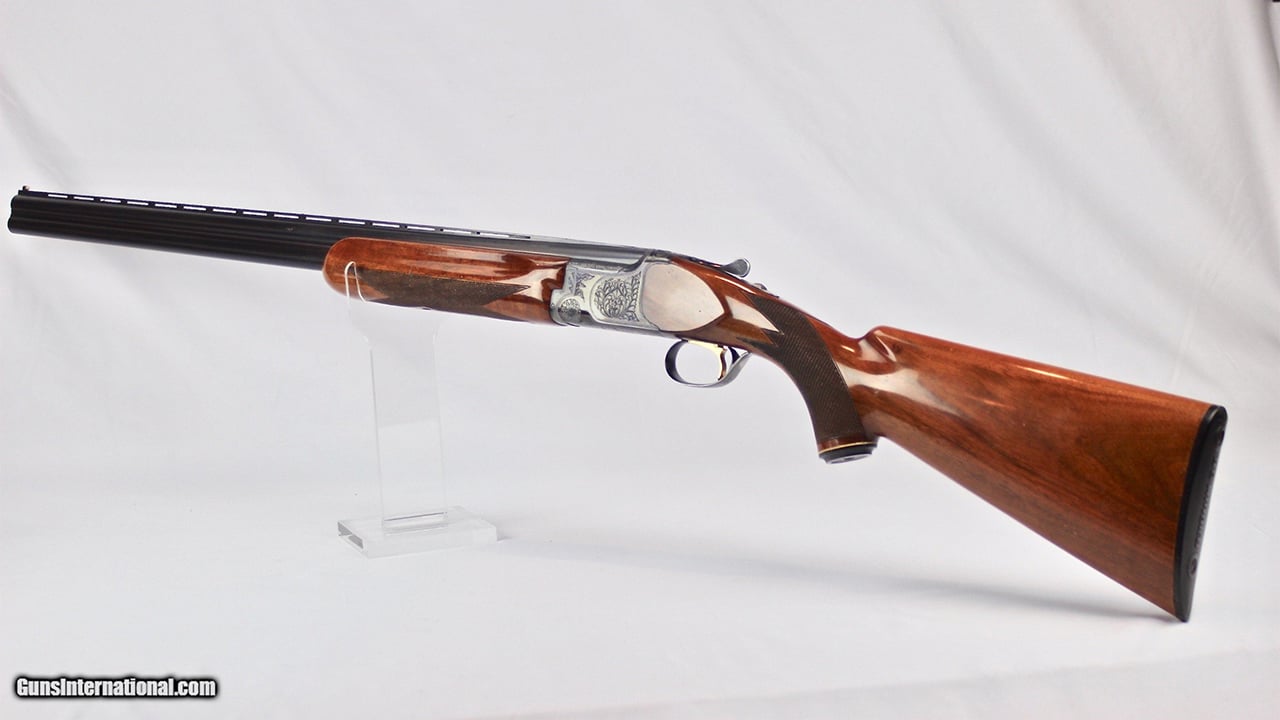
Here’s a name that can get overlooked fast: Charles Daly. But the key detail is Miroku. Miroku-built shotguns have a reputation for a reason, and these are tied to that lineage.
They don’t always bring Browning money because they don’t say Browning on the side. For the buyer, that can mean you get a very serious shotgun for “off-brand” pricing.
Fausti DEA (field configurations)
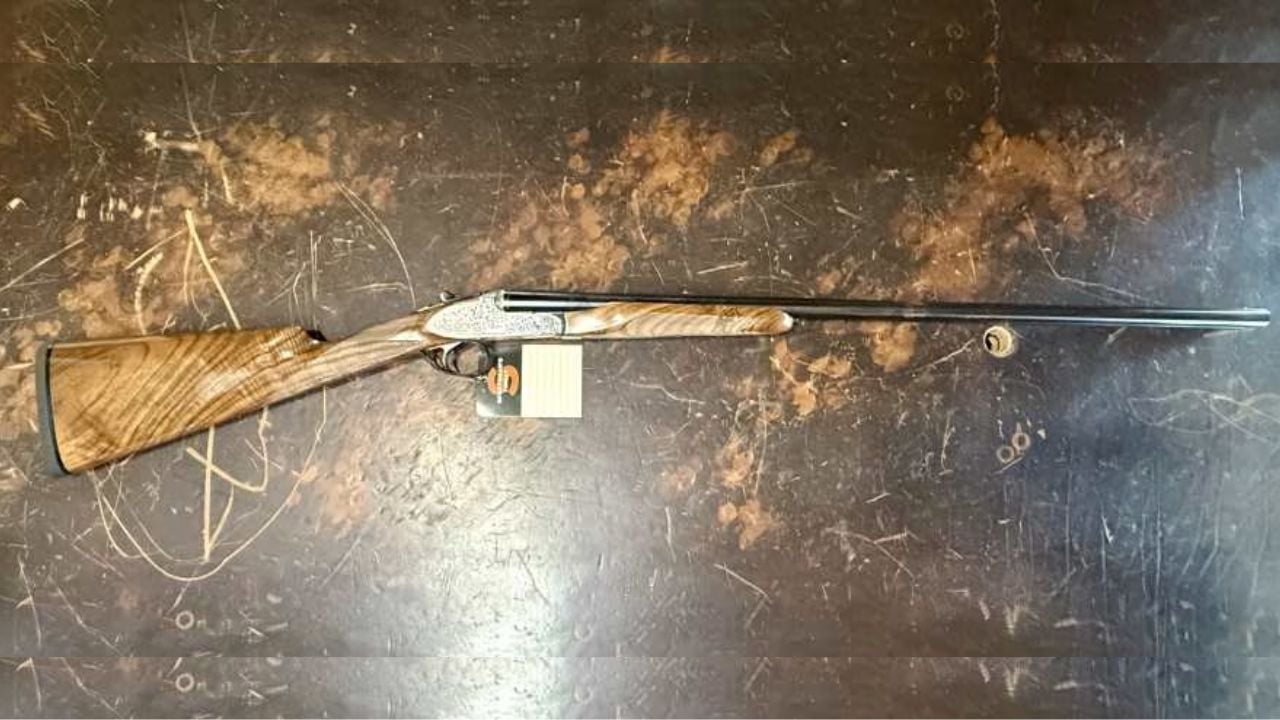
Fausti doesn’t get talked about as much as Beretta and Browning, but they’ve been building real shotguns for a long time. The DEA line, especially in field trim, tends to be a lot of gun for the money.
These can be undervalued just because the average buyer doesn’t recognize the name. Once you shoulder one and feel the balance, the “why is this still priced like that?” moment happens pretty quick.
Franchi Alcione (older Italian O/U)
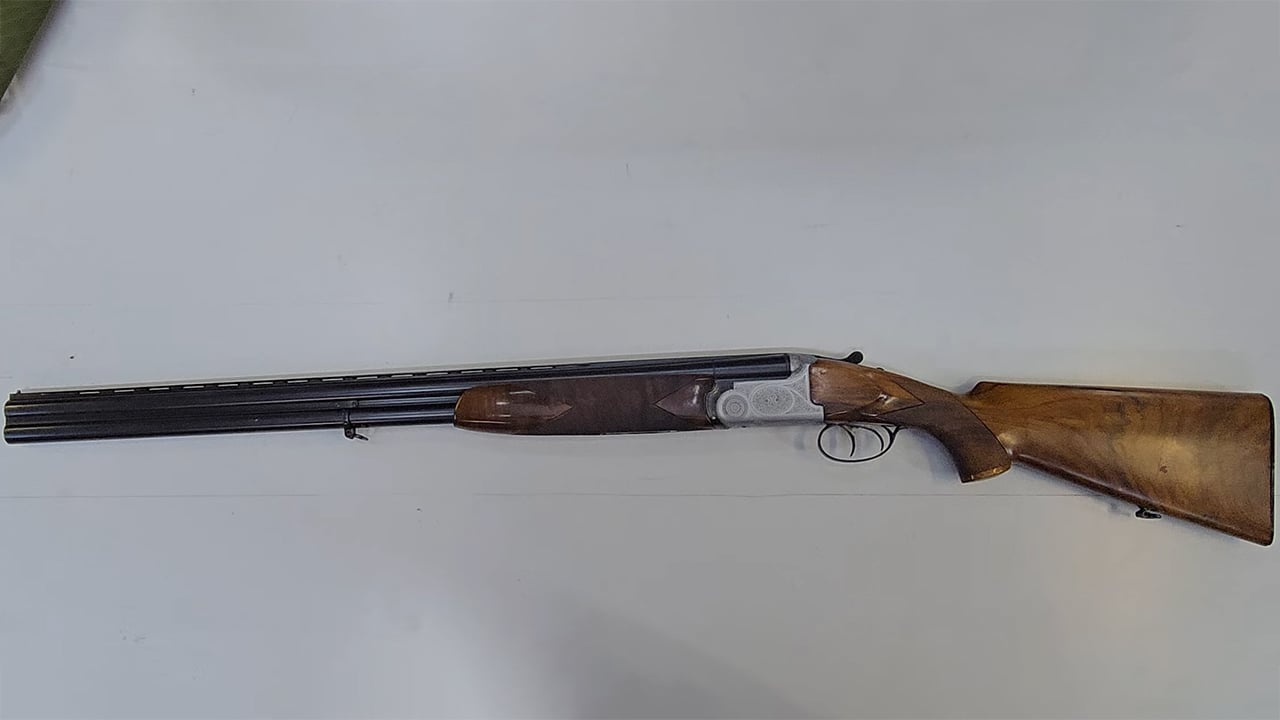
The Alcione is one of those older Italian over-unders that can get lost in the shuffle. Some are plain, some are a little quirky, but the better ones have that light, quick feel upland guys like.
They aren’t making more of them, and interest in older Italian field guns has been trending up. Condition matters a lot here, but a clean Alcione is starting to look like a smarter buy than it did ten years ago.
Browning Cynergy (Sporting models)
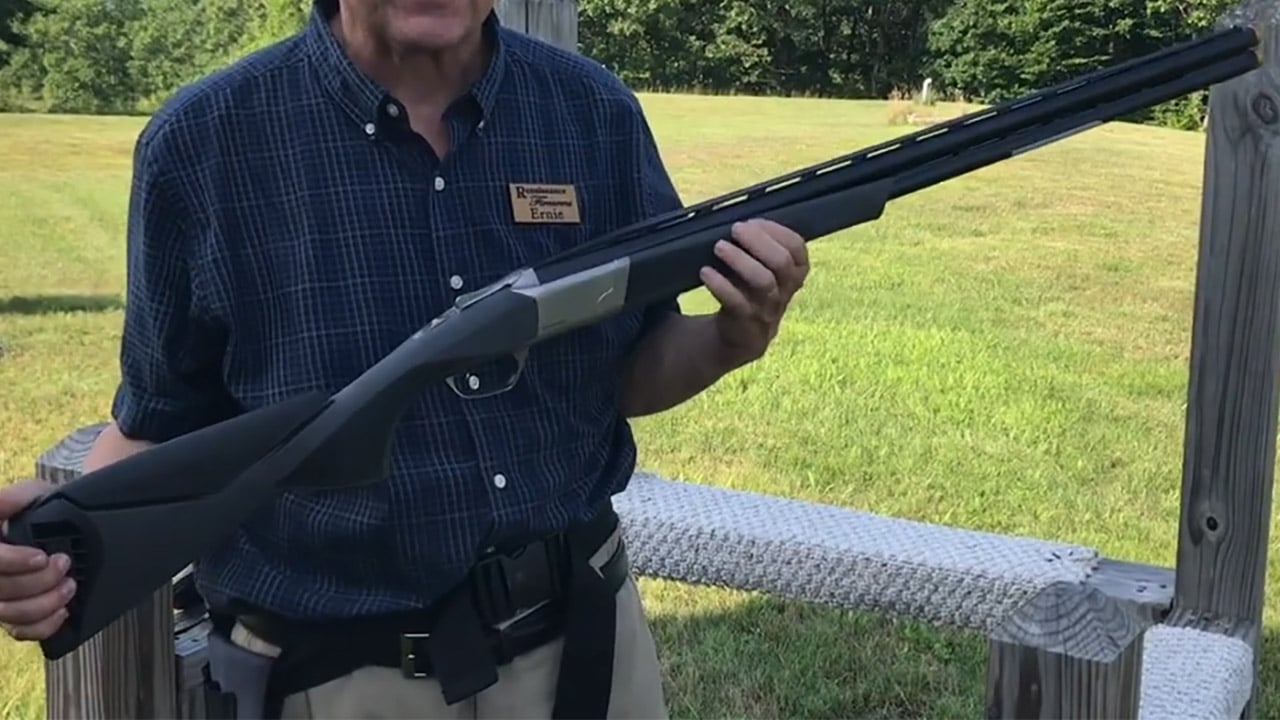
The Cynergy is still divisive. Some shooters love the lower-profile feel and modern styling, others never warmed up to it. That split keeps used prices from matching the gun’s actual capability.
But the Sporting versions in particular have proven themselves on clays courses, and they hold up. If you can get past the looks, you can sometimes buy a serious shooter’s gun at a price that doesn’t match its performance.
Merkel 200 Series (especially 201E/203E variants)
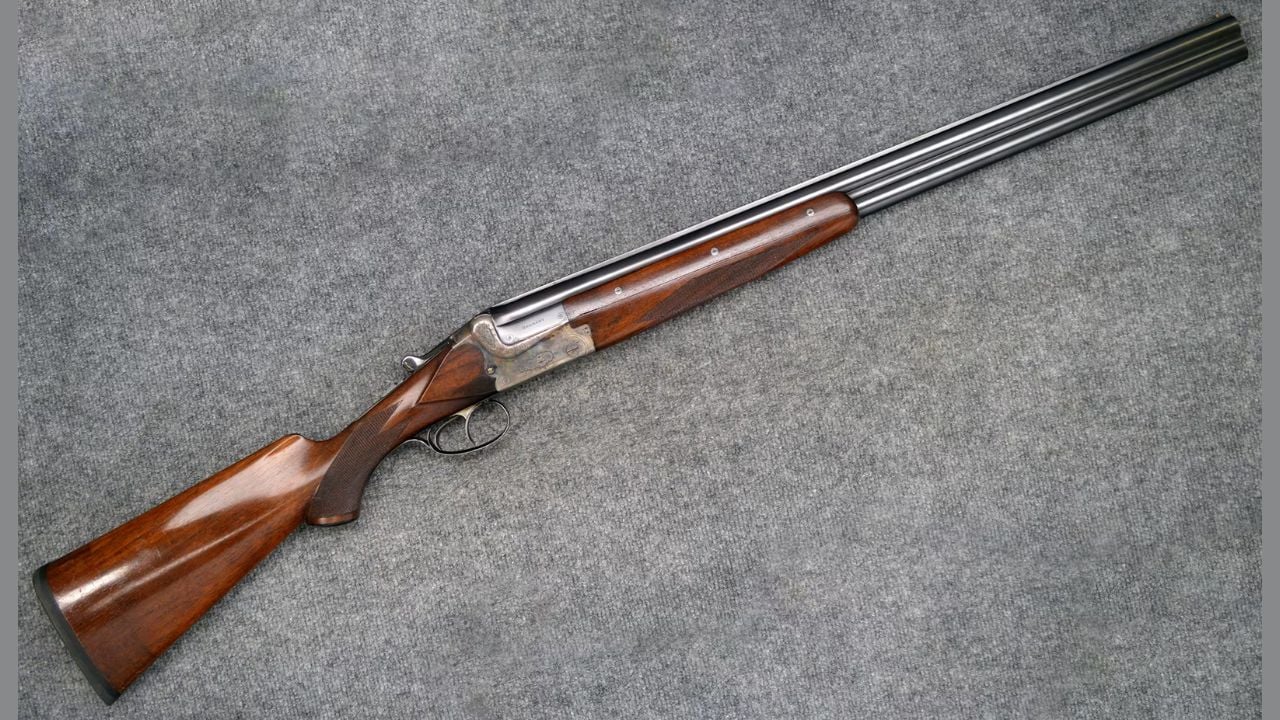
Merkel doubles have always had a following, but plenty of hunters still don’t realize what they’re handling when they pick one up. The fit, the machining, the way the gun closes—there’s a “mechanical confidence” there you can feel.
They’re not cheap, and they never were. Still, compared to where high-quality European doubles are headed, certain Merkel over-unders feel like they’re lagging behind their real place in the market—particularly honest field guns that haven’t been messed with.
One last thing: “worth more” doesn’t mean you should run out and buy something you hate to carry or can’t hit with. Fit still matters more than a name on the receiver. But if you’ve already got one of these that shoots where you look and hasn’t been shot loose, you might want to think twice before trading it off for the new hotness. Ask me how I know.
Like The Avid Outdoorsman’s content? Subscribe to our newsletter so you never miss an article.
Here’s more from us:


