Photo credit: Forgotten Weapons/Youtube
Spend enough time around gun shows, estate sales, and the kind of small-town shops that still have coffee on the counter, and you’ll notice a change. The truly serious collectors still collect, but they’ve gotten a lot quieter about certain pieces. It isn’t because those guns suddenly got “bad.” It’s because the market got weird, the attention got loud, and the headaches (theft risk, bad deals, sketchy provenance, social media drama) stopped being worth the brag.
So here are 20 guns that still get traded, hunted with, and tucked into safes—just with a lot less public chatter. Some of these are classics that everyone knows. A few are the kind of sleeper that only gets recognized when it’s sitting on a table with an old price tag still stuck to the trigger guard. If you know, you know.
1. Colt Python (original production)

If you’ve ever handled an older Python that hasn’t been “improved” by somebody’s kitchen-table gunsmithing, you understand the hush around them. The double-action can feel like it’s running on oiled glass, and the timing on a good one is a thing of beauty.
The problem is, they’ve become a magnet for bad stories. Counterfeit boxes, swapped parts, over-polished refinishes, and sellers who “know what they’ve got” even when they don’t. Collectors still chase them, but they’re not advertising it on the internet anymore.
2. Smith & Wesson Registered Magnum (pre-Model 27)
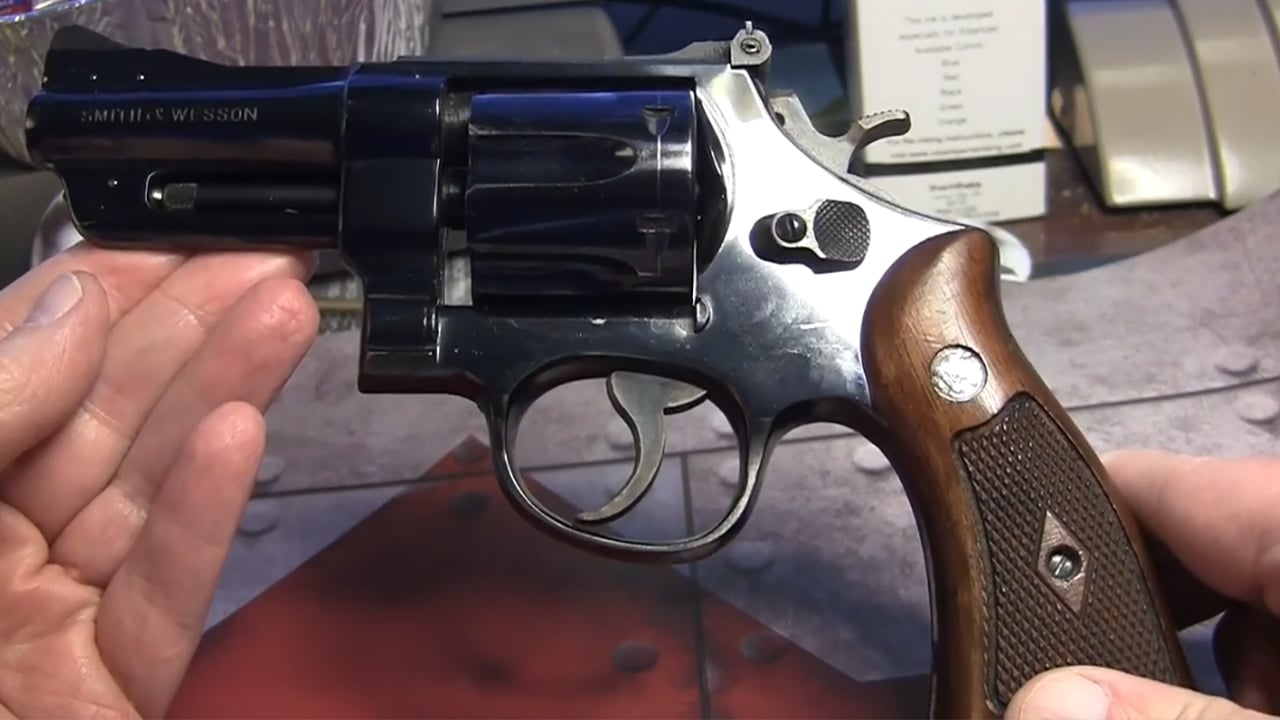
This is one of those revolvers that turns regular people into historians. The details matter—barrel lengths, sights, finishes, paperwork, and whether it lines up with the registration info. It’s more than a .357 Magnum; it’s a snapshot of an era when craftsmanship was the selling point.
And that’s exactly why it’s quiet now. There are enough clones, “almost right” builds, and swapped components floating around that the smart guys do their talking in person, not in comment sections.
3. Winchester Model 70 “pre-64”
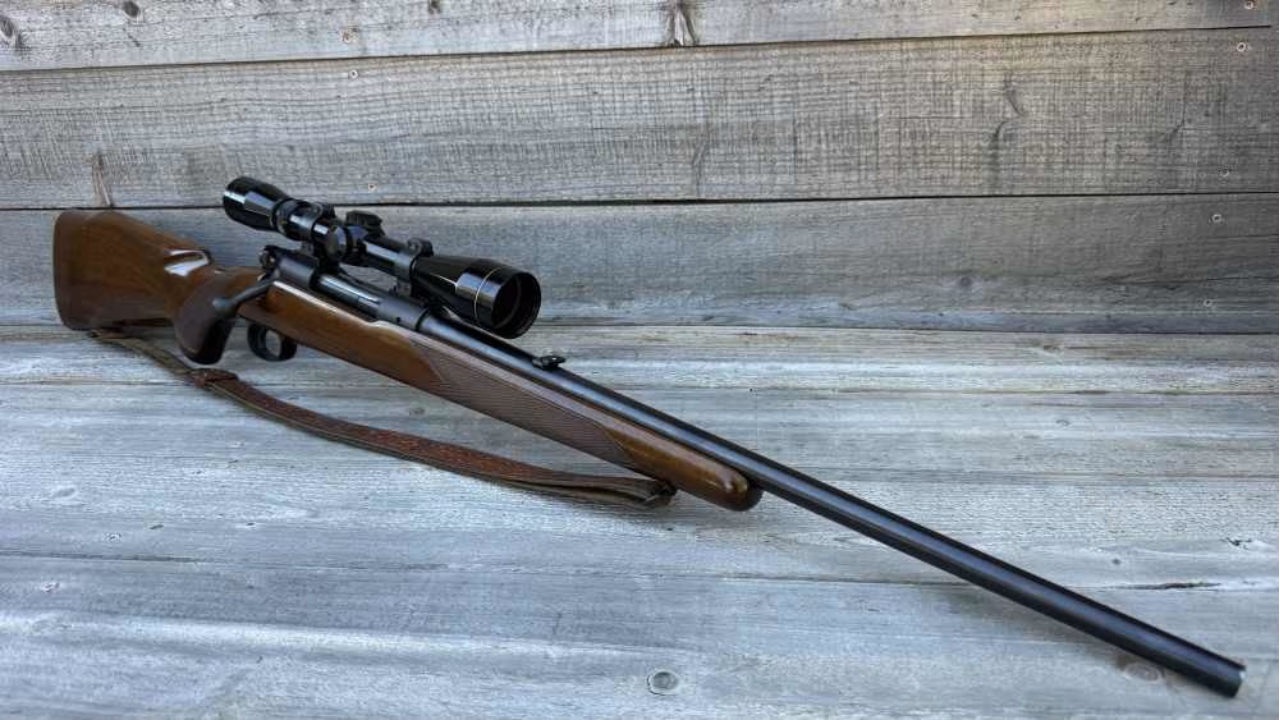
A clean pre-64 Model 70 is still one of the best carrying bolt guns ever made. It balances right between the hands, feeds slick, and it just feels like a hunting rifle is supposed to feel. Nothing fancy about it, and that is kind of the point.
Collectors used to talk openly about what they had and what they were hunting for. Now they tend to keep it quiet, because prices jumped, “pre-64” gets thrown around loosely, and too many rifles have been drilled, tapped, reblued, and restocked into something they never were.
4. Winchester Model 12 (especially solid rib and trap grades)
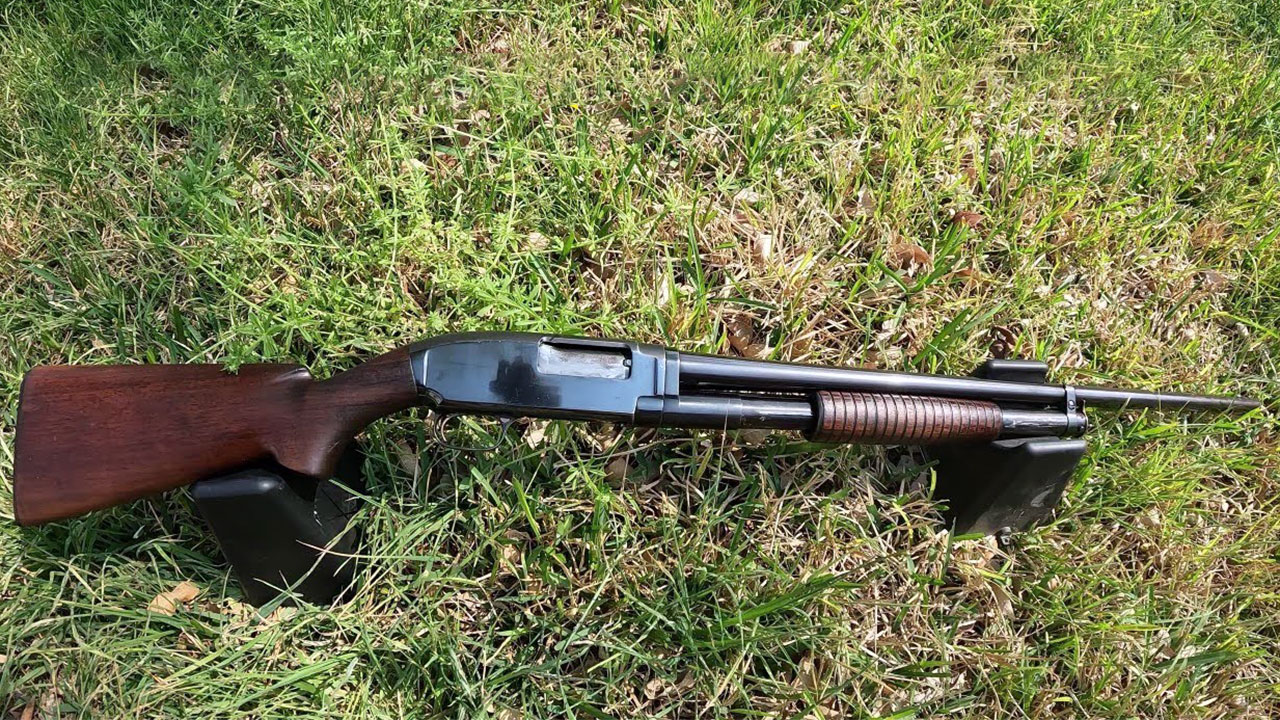
There’s a reason old-timers called it “the perfect repeater.” A tight Model 12 runs like a machine and points like it’s reading your mind. For upland birds, it’s hard not to love one.
The quiet part is condition and originality. A lot of Model 12s got hard use, hard cleaning, and hard modifications. Good ones still bring serious money, and the serious buyers aren’t broadcasting their search.
5. Browning Superposed (Belgian production)
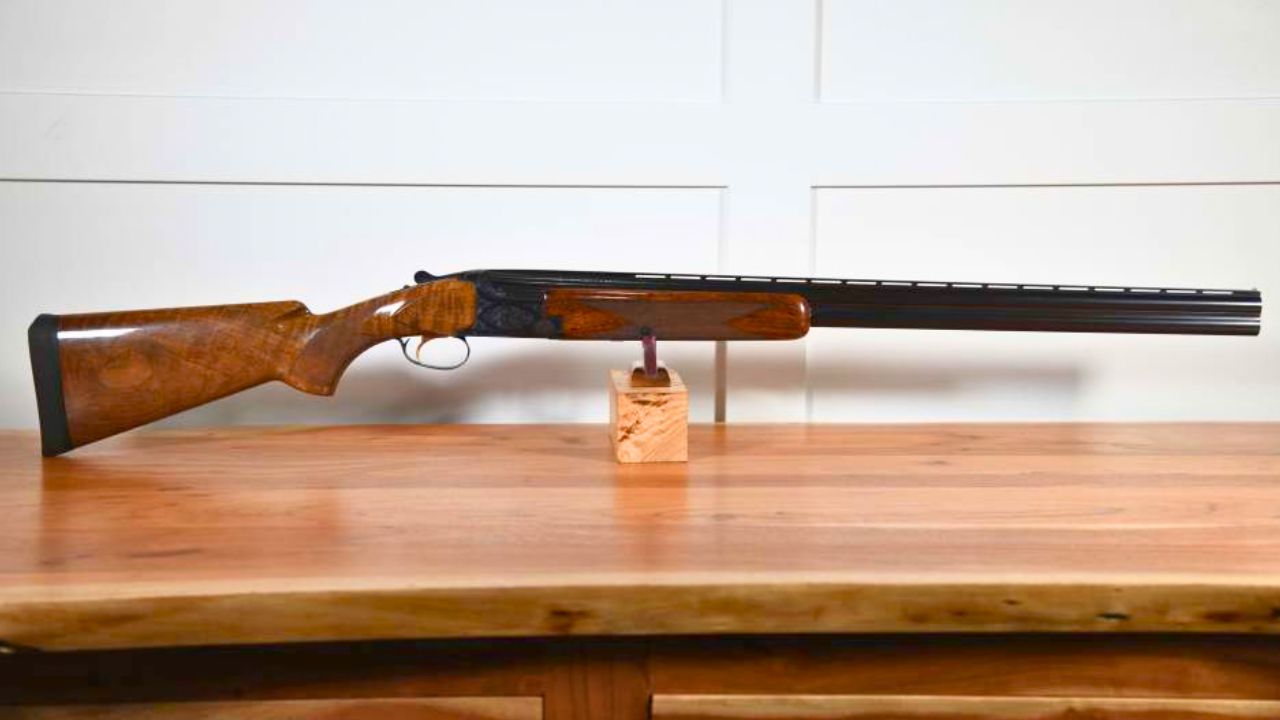
These are heirloom guns that got used like working shotguns, and that’s why finding an honest, un-messed-with Belgian Superposed matters. The lines are right, the wood can be unreal, and the gun carries itself differently than a modern stackbarrel.
But they’re also prime territory for “parts guns” and questionable refinish jobs. Collectors still buy them. They just do it quietly, with a flashlight, a bore light, and a long look at the fit.
6. Colt Single Action Army (1st and 2nd Generation)
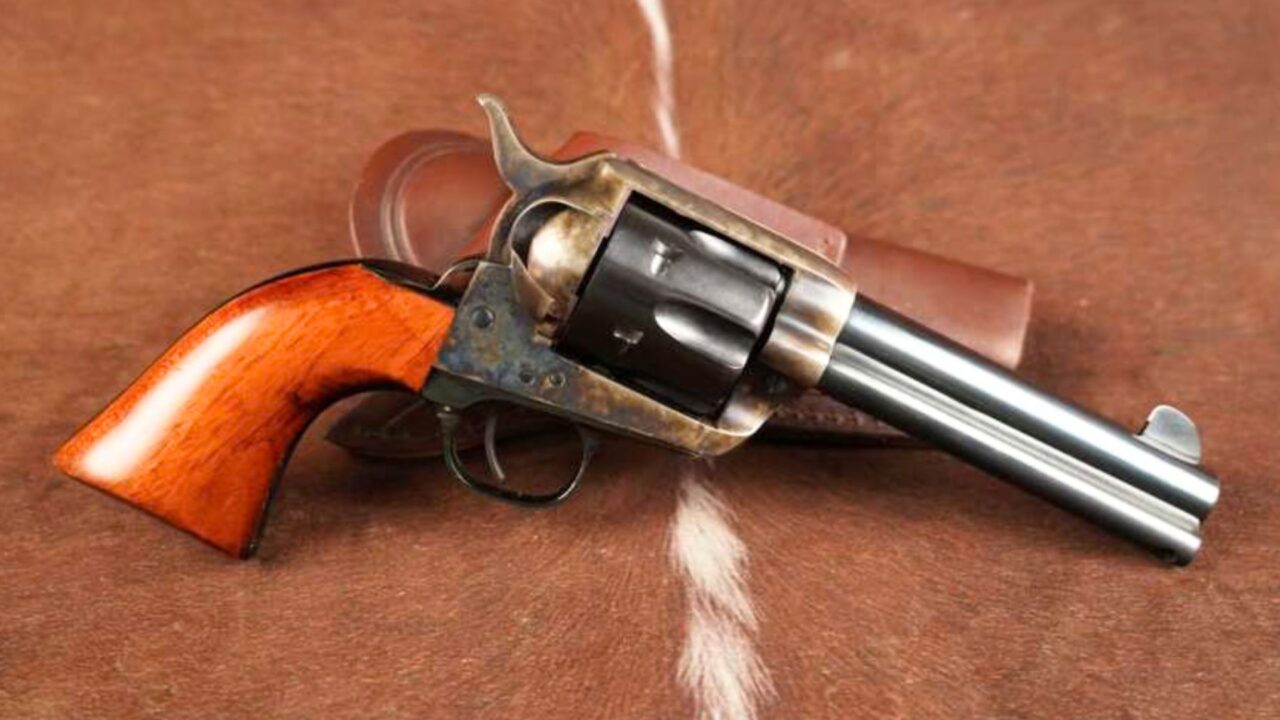
The SAA is the most copied revolver on earth, so when you find a real one in original condition, it stops people in their tracks. The clicks, the feel, the history—there’s a reason it never stopped being desirable.
It’s also a minefield. Refinished guns, replaced barrels, mismatched serials, and stories that get bigger every time they’re retold. The collectors who know what they’re doing tend to keep their mouths shut and their paperwork straight.
7. Luger P08 (DWM and other early variants)

Lugers are one of those pistols everybody recognizes, but not everybody understands. The fit, the toggle action, the markings—there’s a lot going on, and the small details separate a neat shooter from a serious collector piece.
Because of that, the public talk dried up. There are too many mismatched “bringbacks,” too many assembled examples, and too much heat whenever war trophies come up. The real trading happens quietly, usually between guys who already know each other.
8. Walther P38 (wartime production)

A P38 isn’t glamorous like a Luger, but it’s one of the most important military pistols ever made. It points well, shoots fine for what it is, and it’s got real history without being too precious to handle.
Where it gets touchy is markings, condition, and originality. Prices climbed, fakes got better, and collectors got tired of explaining why one P38 is worth three times another. So they just stopped explaining.
9. Mauser C96 “Broomhandle” (with matching stock/holster)

This is a gun that makes even non-gun folks lean in for a closer look. The profile is unmistakable, and when you find one with a correct, matching stock/holster, it feels like you’re holding a time capsule.
It’s also a place where bad deals happen fast. Repro stocks, mismatched numbers, questionable import marks, and “restored” finishes can turn a dream buy into a lesson. Most collectors I know will talk about them… but only after the purchase is done.
10. M1 Garand (correct-grade WWII production)

The Garand is still one of the best examples of “battle rifle that regular people can own and shoot.” The ping is fun, sure, but the real charm is how it carries and how naturally it shoots for a full-size .30 caliber rifle.
What changed is the word “correct.” Parts get swapped, stocks get replaced, and suddenly everybody’s rifle is a “rare” variation. Serious Garand guys still buy. They just don’t argue about it online anymore because it turns into a circus.
11. Springfield Armory M1A (early production, walnut, GI parts)
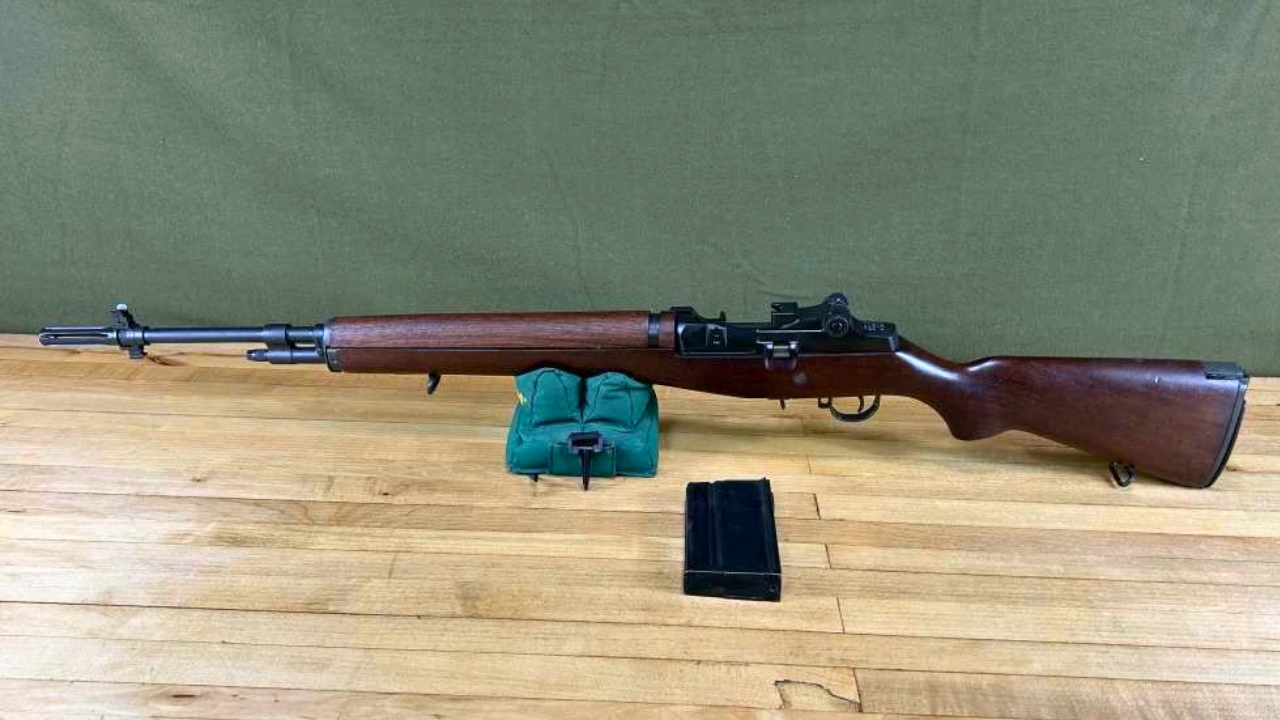
Early M1As with more GI-content parts have a feel that later guns don’t always match. They’re not magic, but the rifles tend to be put together with a different level of care, and they scratch that M14 itch without needing to be “tactical.”
Collectors keep these quiet because the market is full of loud opinions. Half the crowd is yelling about optics mounts and chassis systems, and the other half is hunting for rifles that still feel like the original idea. Those two groups don’t talk the same language.
12. Colt AR-15 SP1
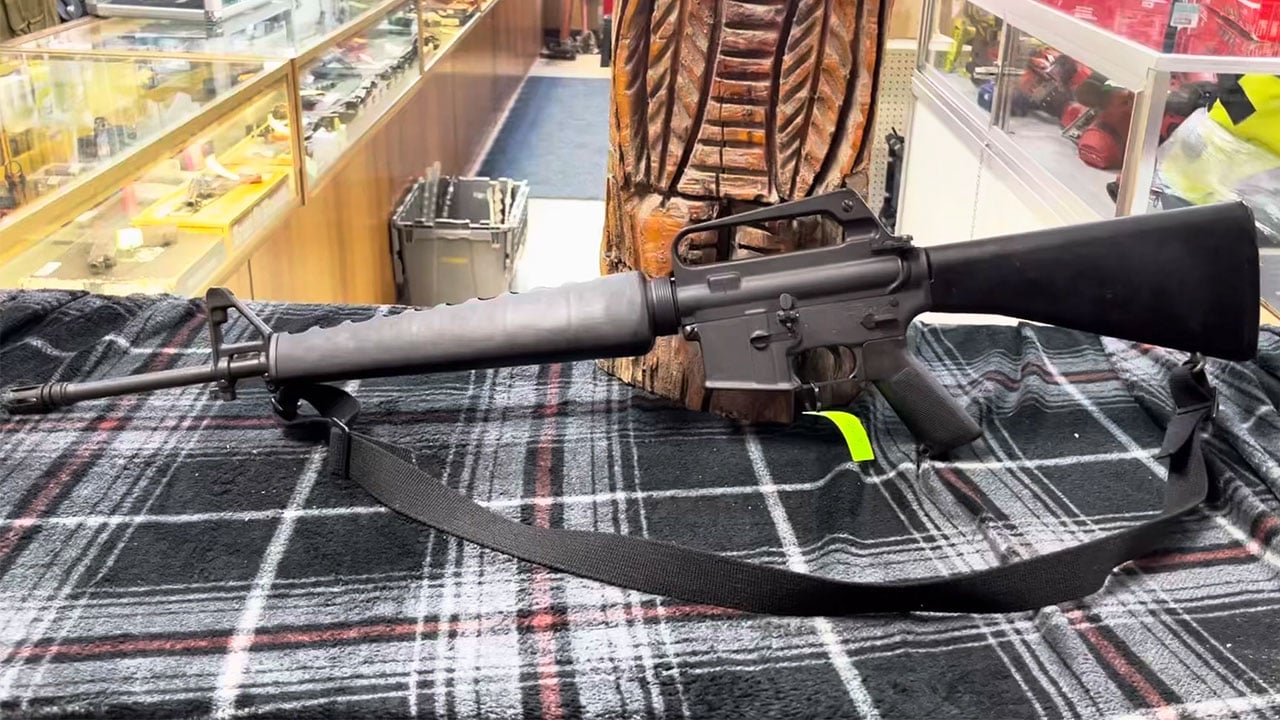
The SP1 isn’t a hard-use modern carbine. It’s light, slick, and simple, with that old-school triangular handguard look that takes you right back. If you grew up around service rifles or early civilian ARs, it hits a nerve.
Collectors got quiet because the attention brought the scams. Mixmaster builds, questionable roll marks, and “all original” claims that fall apart under inspection. A clean SP1 still disappears fast when it shows up for a fair price.
13. FN FAL (Belgian FN and high-quality imports)
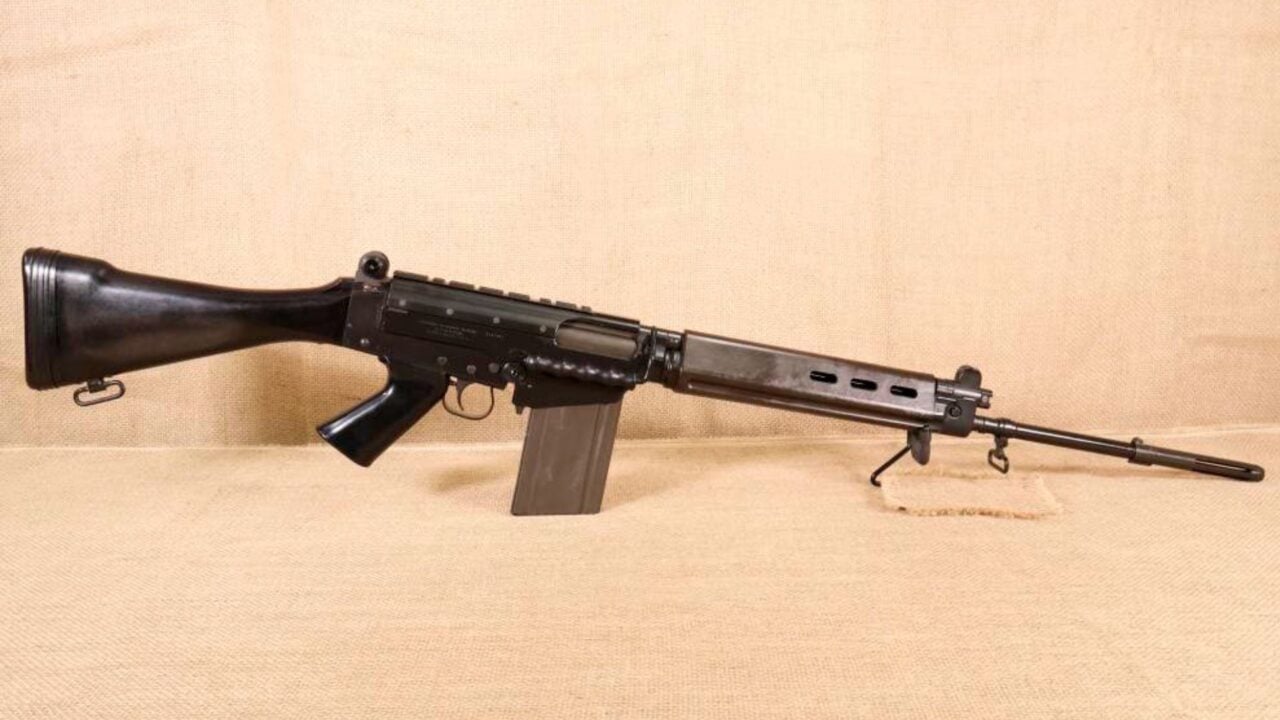
The FAL is one of those rifles that feels alive in the hands—long, sure, but balanced in a way that makes sense once you carry it. Controls are straightforward, and a good one runs like it should.
The collector angle gets complicated because “FAL” covers everything from top-tier imports to home builds with mixed parts and questionable headspace. The guys who know the difference don’t make a big public show of what they’ve got.
14. Heckler & Koch HK91 (pre-ban, original configuration)

Roller-delayed guns have their own personality. The HK91 is heavy, a little sharp in recoil impulse, and not what I’d call gentle on brass. Still, it’s a serious rifle with serious build quality.
Collectors stopped talking loudly because these got expensive and politically noisy, and because originality matters. Once you start swapping furniture and cutting things to “modernize,” the collector appeal drops. Quiet buyers look for untouched examples, period.
15. Steyr AUG (early imports)

The AUG is the rare bullpup that feels like a finished product, not a science project. It’s compact, handy, and it has that weirdly clean Austrian design language that either grabs you or doesn’t.
Collectors keep it low-key because the platform draws internet commandos and arguments about triggers, optics, and “battle proven” myths. Meanwhile, the early import guns with the right features are getting harder to find in clean shape.
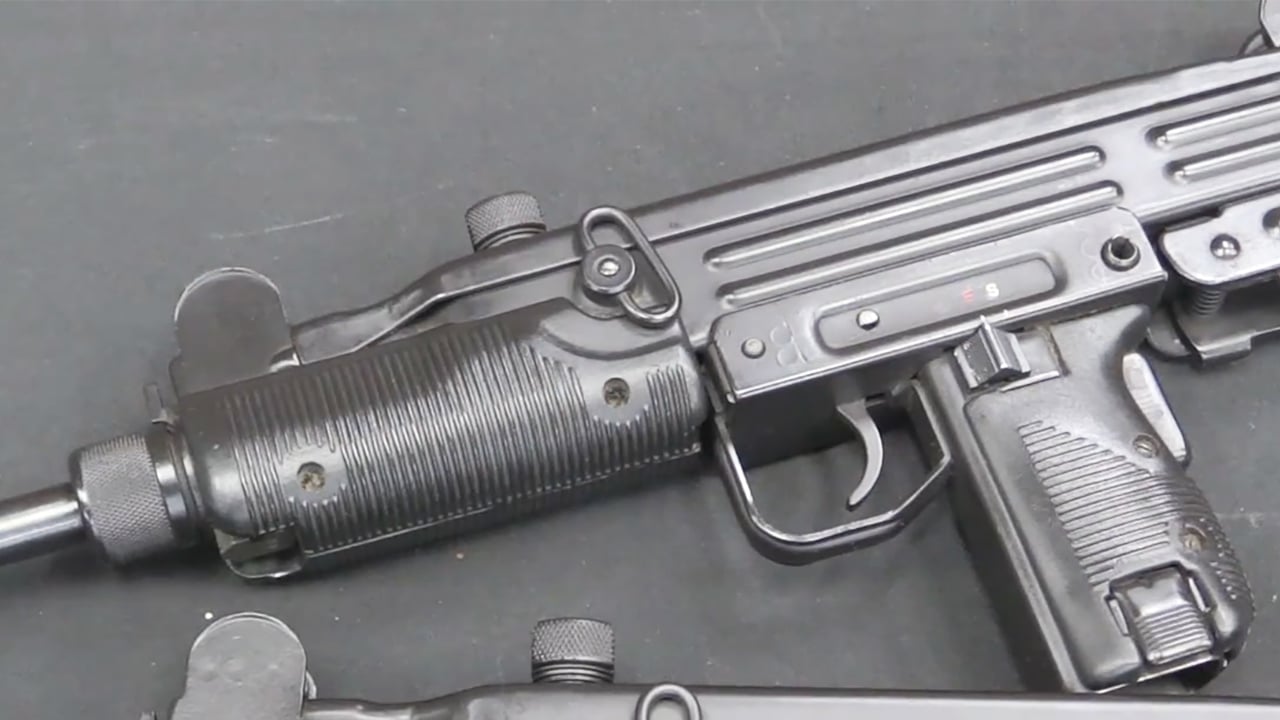
16. IMI Uzi Model B Carbine
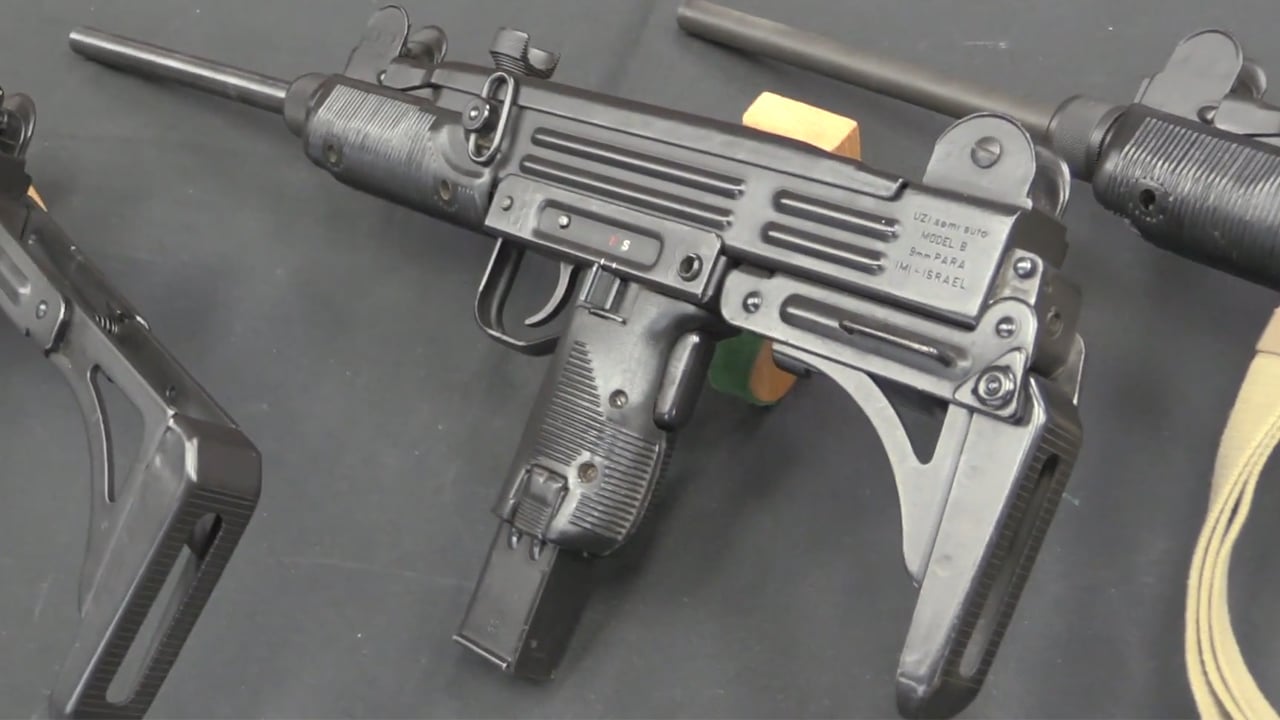
This one surprises people: a semi-auto Uzi carbine is not the lightest, not the slickest, and not the most ergonomic. But it is iconic, and the original IMI guns have a fit and finish that makes the later clones feel… close, but not quite.
The quiet comes from the attention. Anything Uzi-shaped draws “what’s it worth” messages, lowball offers, and unwanted curiosity. Serious collectors still buy them because they’re a chunk of modern firearms history you can actually take to the range.
17. Ruger No. 1 (early production and desirable chamberings)

A Ruger No. 1 is a rifle you buy because you like rifles, not because you’re trying to win a gear race. It carries nicely, it looks right, and dropping the lever to load a single round slows you down in a good way.
Collectors stopped advertising them because certain chamberings got hot and the conversations got annoying. Half the market is guys trying to flip them, and the other half is quietly hunting the ones with good wood, clean metal, and the right configuration.
18. Remington Model 870 Wingmaster (older blued steel and walnut)
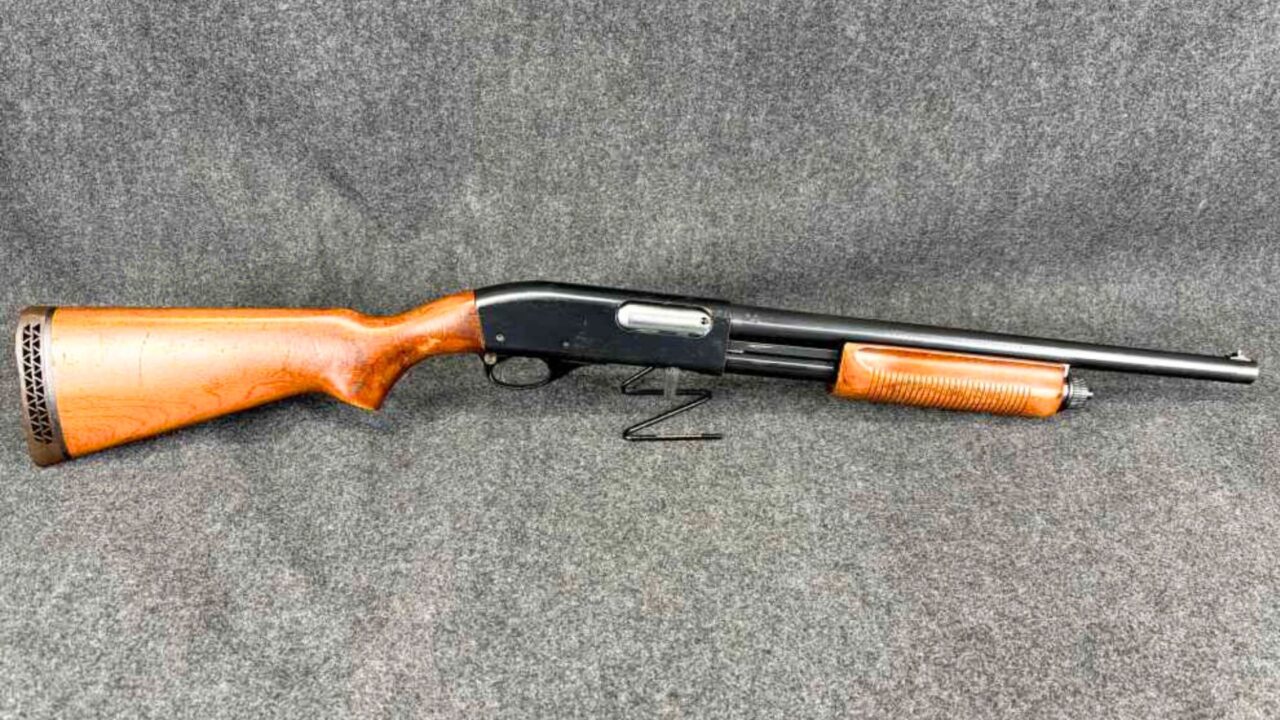
This might be the most “working-man collectible” on the list. An older Wingmaster has that smooth, slick pump stroke you don’t forget once you’ve felt it. They were built to be used, and plenty of them still are.
What made owners clam up is watching the market turn. The name “870” now covers a lot of eras and a lot of quality levels, and collectors don’t feel like arguing about which is which. If you’ve got a clean older Wingmaster, you just keep it and move on.
19. Marlin Model 39A

There are .22s that cost less and shoot fine, but a 39A has a feel that’s hard to copy. It’s slim, points naturally, and it’s the kind of rifle you hand to a kid for squirrels and end up carrying yourself because it’s just pleasant.
Collectors got quiet because prices rose and “JM” stamp talk took over every conversation. Also, a lot of 39As got rode hard behind truck seats. Finding a clean one with sharp checkering and a good bore isn’t impossible, but it isn’t casual anymore either.
20. Winchester Model 94 (pre-64 and desirable calibers)
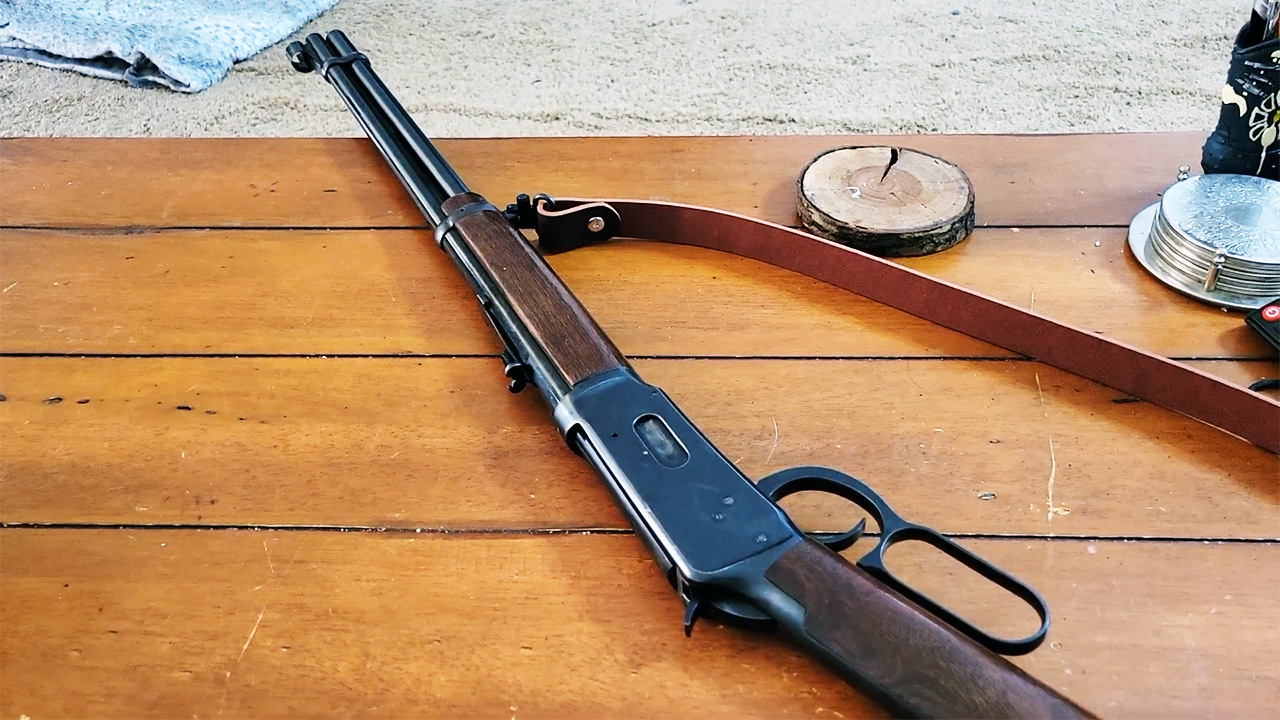
A pre-64 Model 94 is the definition of a real-deal deer rifle for a lot of country. It’s light, it carries flat against your body, and it comes up fast in the timber. If you grew up hunting with one, you already know.
It’s also one of those guns that folks used to talk about openly, because everybody had one. Now the nice ones are getting picked over, the oddball calibers bring real money, and collectors don’t love advertising what’s sitting in the back of the safe.
None of this means you should treat every old gun like a retirement plan. It just means the collector world has gotten more cautious and a lot less social. If you’re chasing any of these, slow down, handle the gun in person when you can, check the details that matter, and don’t let hype—or silence—push you into a bad buy. The best collections I’ve seen were built patiently, one honest piece at a time.
Like The Avid Outdoorsman’s content? Subscribe to our newsletter so you never miss an article.
Here’s more from us: