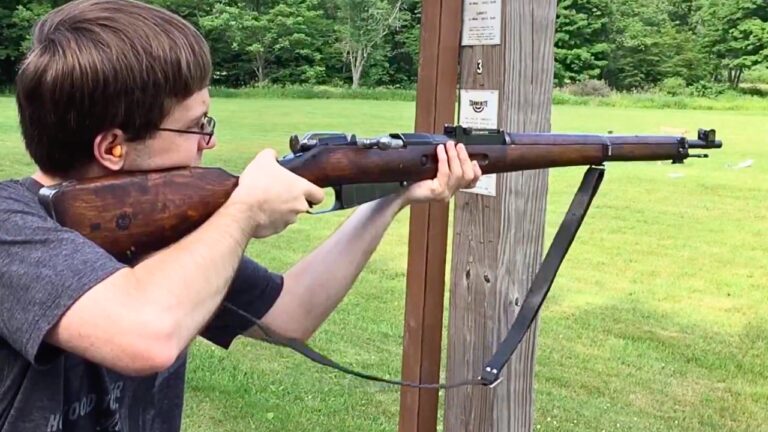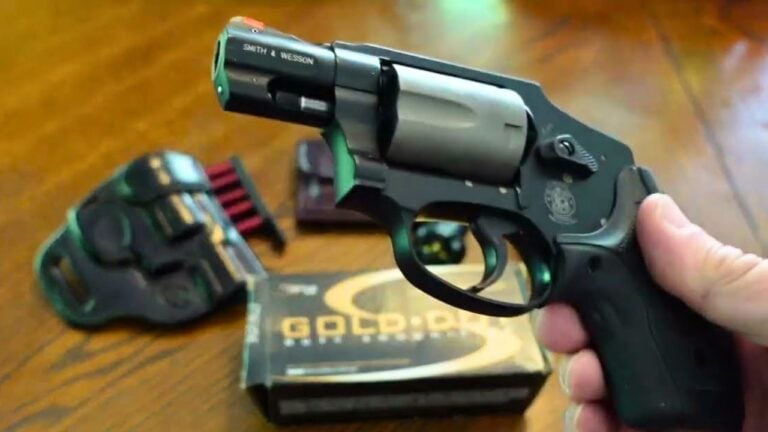
Photo credit: Honest Outlaw/Youtube
Every once in a while you pick up a pistol and you can feel the backstory in it. The bones came from overseas, but the finishing touches scream American: better sights, better triggers, better magazines, better support, and usually a better idea of how folks here actually carry and shoot. Sometimes that “improvement” is a full-on redesign, sometimes it’s just smart tweaks that make a good import into a great working gun.
Here are 20 pistols that started life on foreign drawing boards and ended up sharper, more reliable, more practical, or just more popular after American companies, engineers, and shooters got their hands on them.
1. SIG Sauer P320 (evolved from the German SIG Sauer SP2009/SP2022 concept)
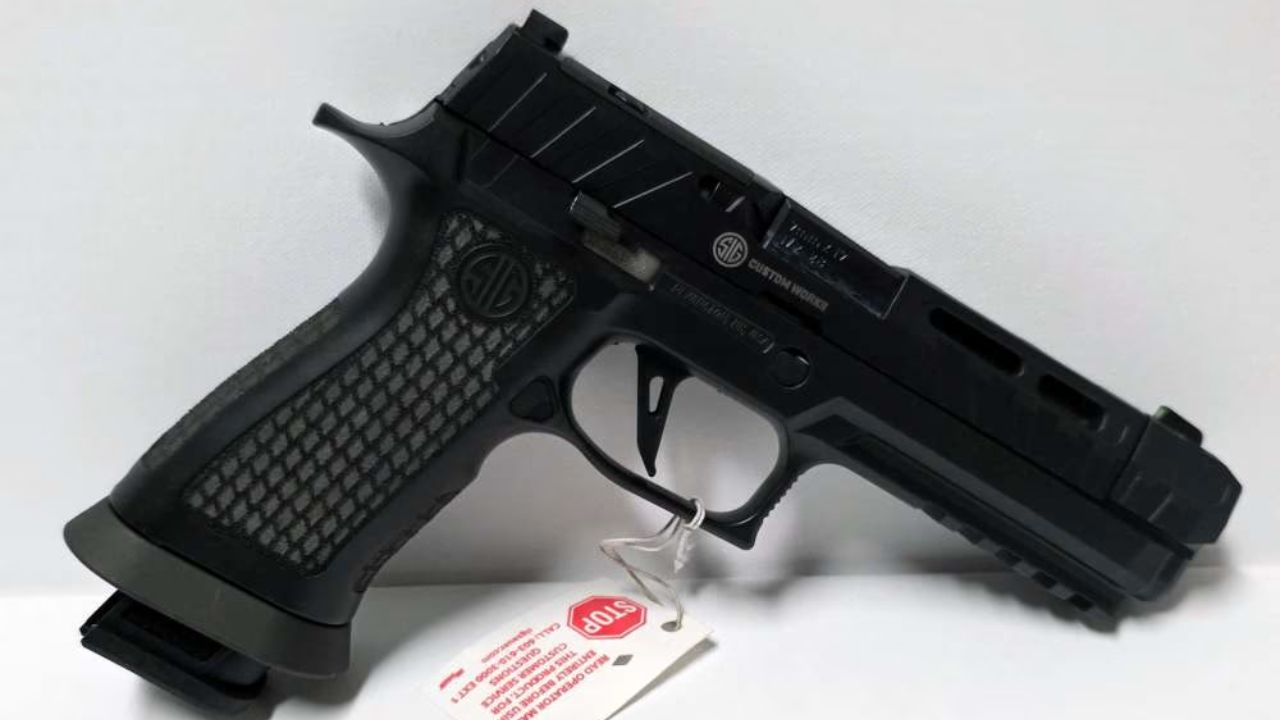
The P320 didn’t pop out of nowhere. SIG had already been building polymer, striker-ish duty pistols across the pond, and the general approach matured through that era. What the U.S. market pushed hard was modularity that actually matters: grip sizes you can swap without a gunsmith, and a chassis system that made agencies and regular buyers pay attention.
It’s not a “perfect” pistol and nobody should pretend it is. But the American-driven ecosystem—holsters, sights, mags, grip modules, service parts—turned it into something you can run hard and support easily, which is the whole point of a working gun.
2. SIG Sauer P365 (built on German micro-9mm groundwork, tuned for U.S. concealed carry)
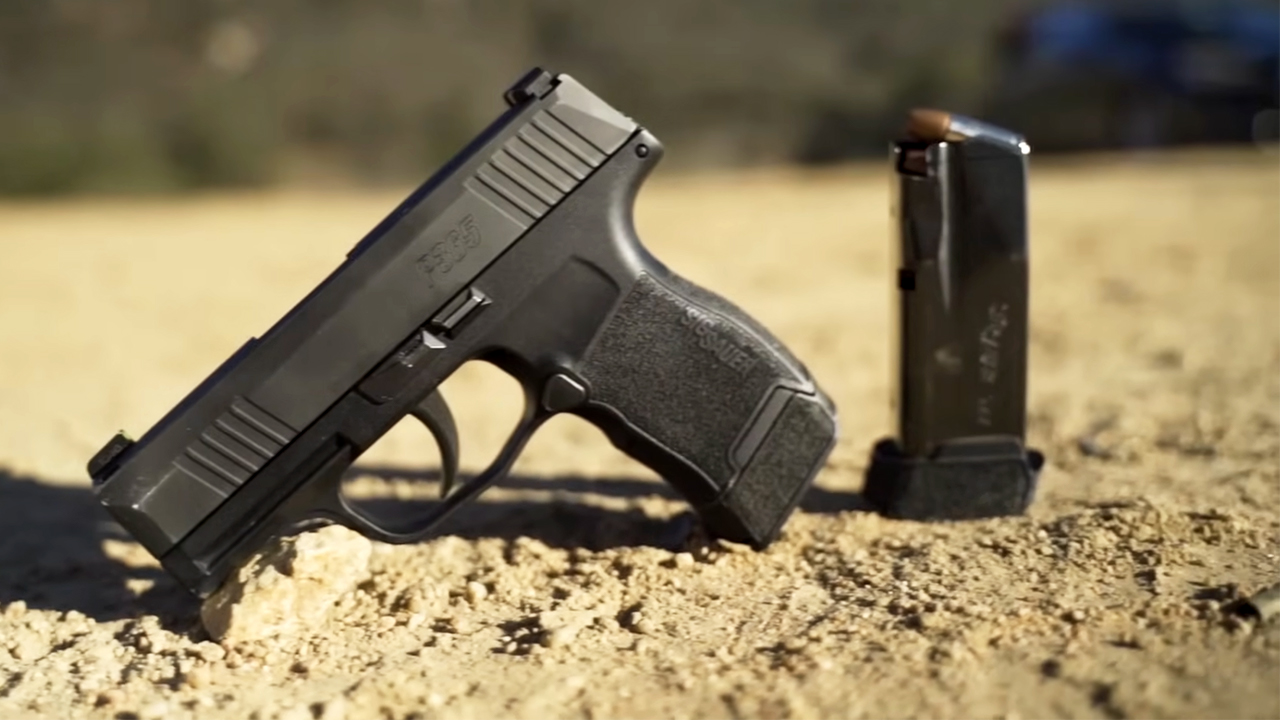
Europe has been doing compact pistols forever, but the U.S. concealed-carry boom demanded a tiny 9mm that shoots like a bigger gun and carries like a .380. The P365 is what happens when the design goal is “real capacity, real sights, real shootability” instead of “small at any cost.”
It points naturally for a lot of hands, and the aftermarket is basically endless. If you’ve ever tried to source mags for some oddball import and got tired of hunting them down, you’ll appreciate how American demand made this platform easy to live with.
3. Beretta 92FS / M9 (Italian design, Americanized through military use and U.S. production)
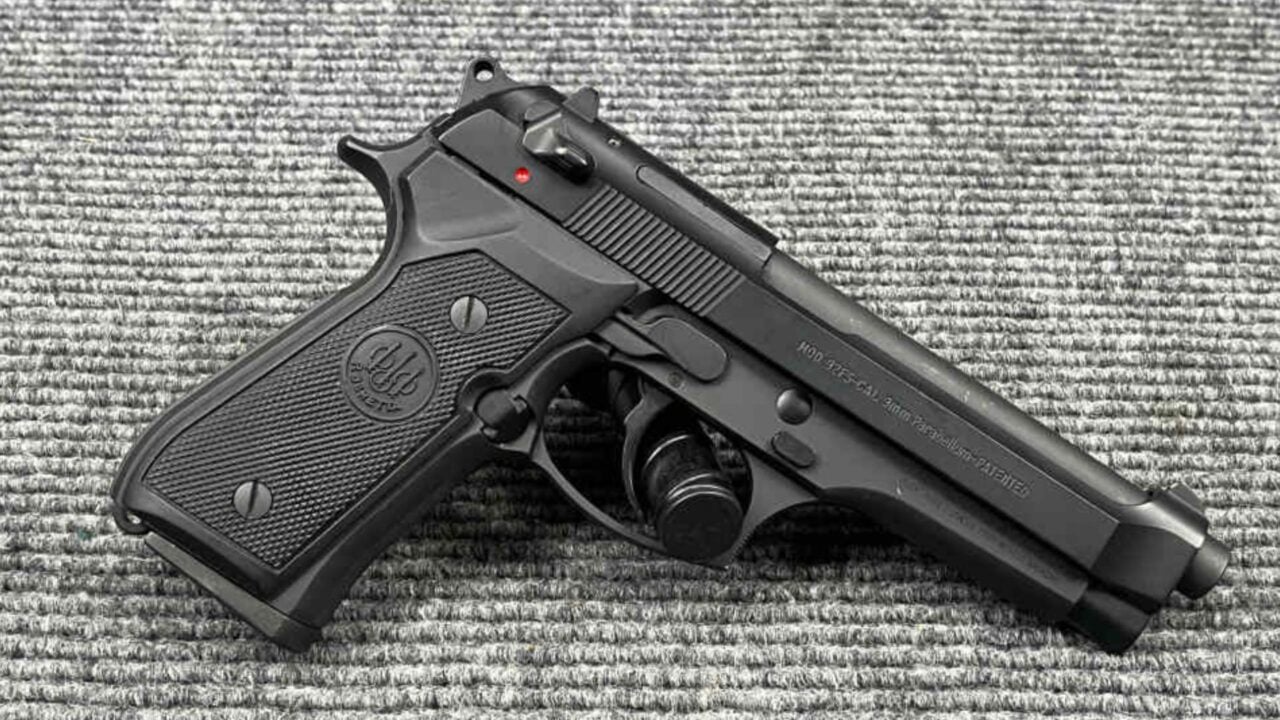
The 92 is pure Italy in the lines, but the U.S. military adoption forced the platform into the real world. Hard use, high round counts, and boring logistics requirements are the best “improvement program” there is. Over time you got better mags, better parts availability, and a huge knowledge base.
It’s still big. It’s still not the easiest to conceal. But as a range pistol, nightstand pistol, or “I want something proven” pistol, the American footprint on the 92 is why you can keep one running without turning it into a hobby.
4. FN Five-seveN (Belgian roots, refined for U.S. commercial and LE markets)
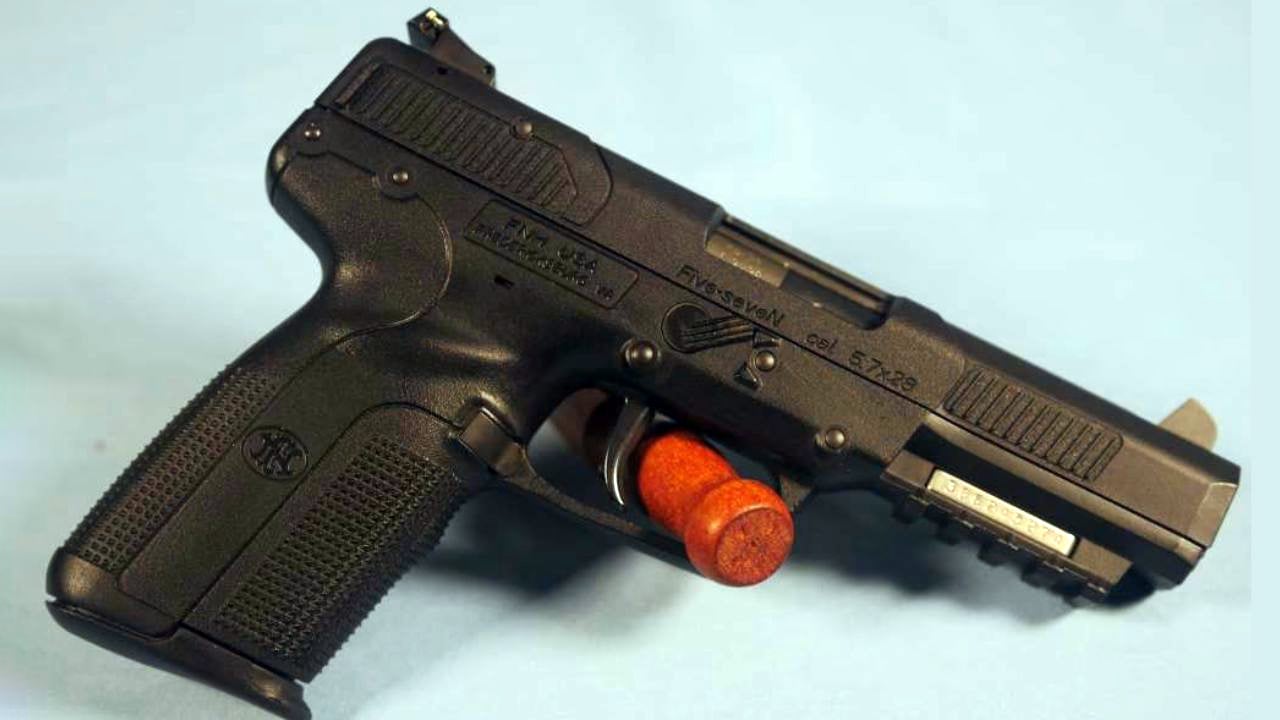
This one is a specialty tool and always will be. The American influence shows up in practical refinements: better sight options, better mounting solutions, and a market that demanded consistency and support instead of “neat concept gun.”
It’s also a pistol that teaches you something about reality. Ammo cost and availability decides how much you actually train. If you can’t feed it, you won’t shoot it, and then it’s just a safe ornament.
5. Springfield Armory XD (HS Produkt HS2000, upgraded for the U.S.)
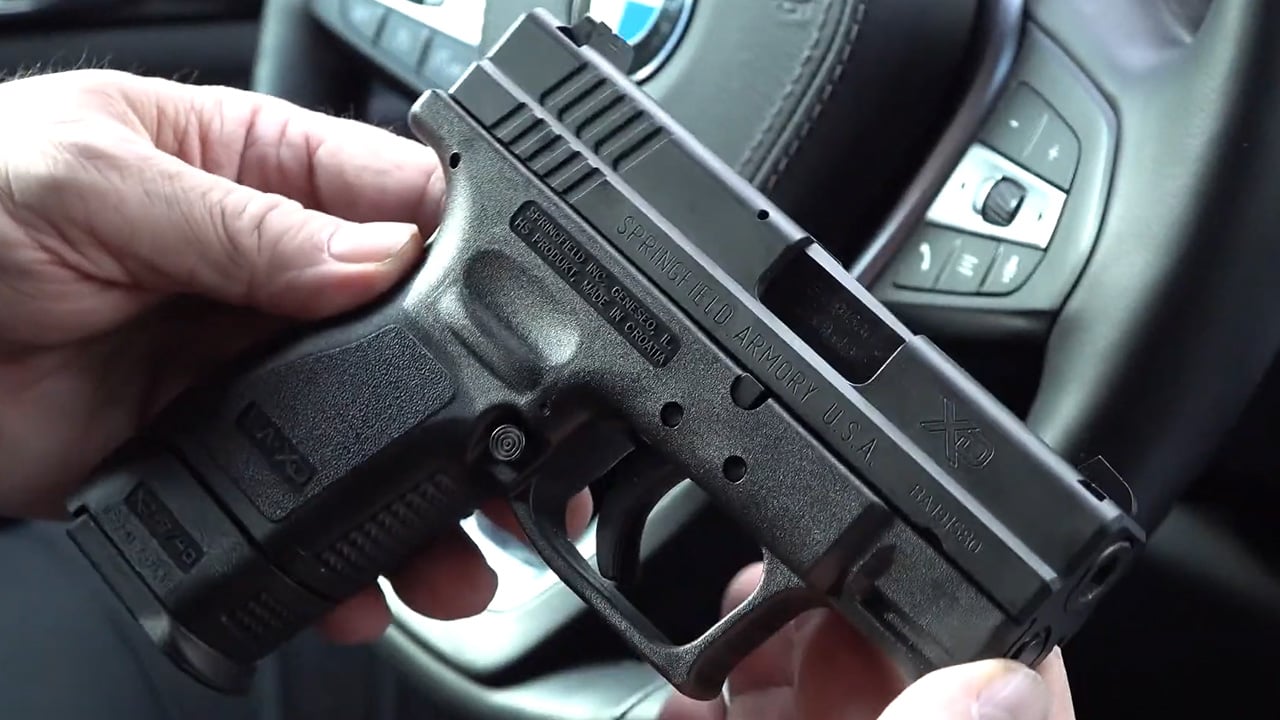
The HS2000 was a solid Croatian pistol, but it became a household name after it got an American makeover and marketing push. The “improvement” wasn’t just hype—U.S. buyers demanded better sight options, more model choices, and a support network that makes ownership easy.
Plenty of shooters still like the way these feel in the hand. They’re not the hot new thing anymore, but an XD that runs is a boring, useful pistol. Boring is good when it’s on your belt.
6. Springfield Armory Hellcat (Croatian design influence, American feature set)
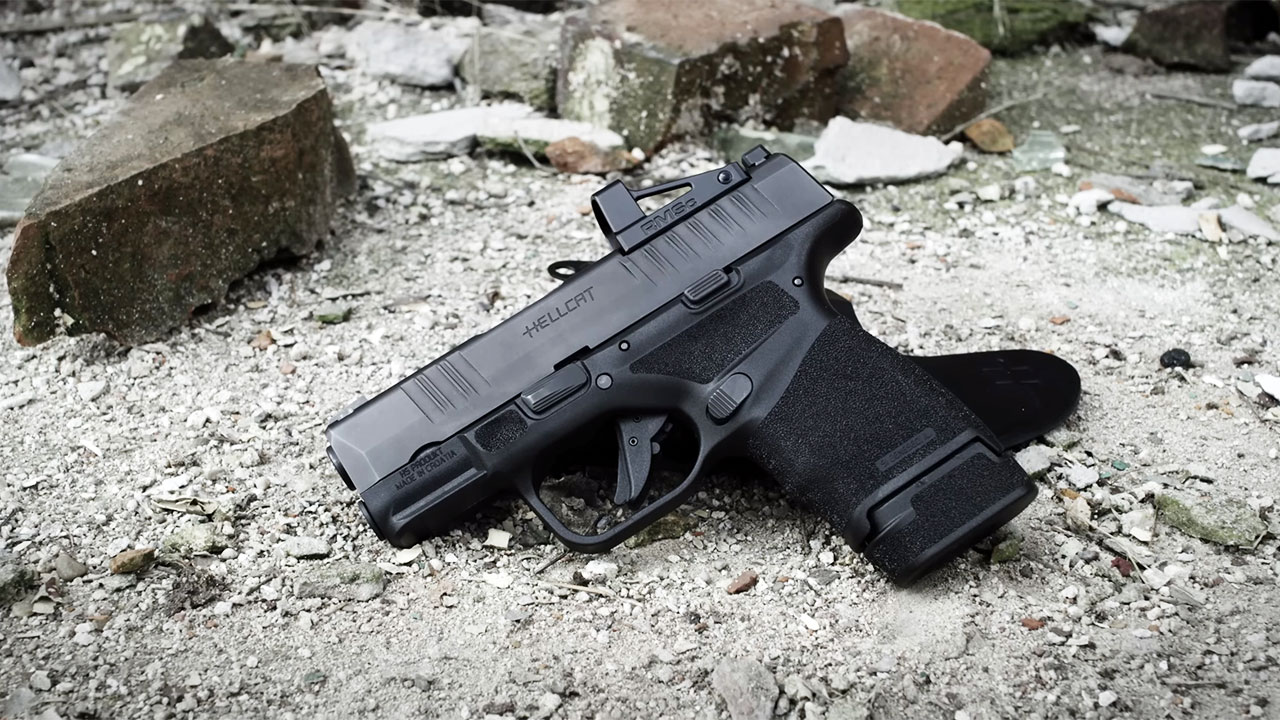
Micro-compacts got competitive fast, and the Hellcat shows what happens when an overseas manufacturer builds to American expectations from day one. High capacity, usable sights out of the box, and a size that doesn’t punish you for carrying all day.
What stands out is the “ready to work” nature. You don’t have to swap half the gun to make it carryable. That matters when the pistol is supposed to be a tool, not a project.
7. Walther PPQ (German design, elevated by U.S. trigger expectations and support)
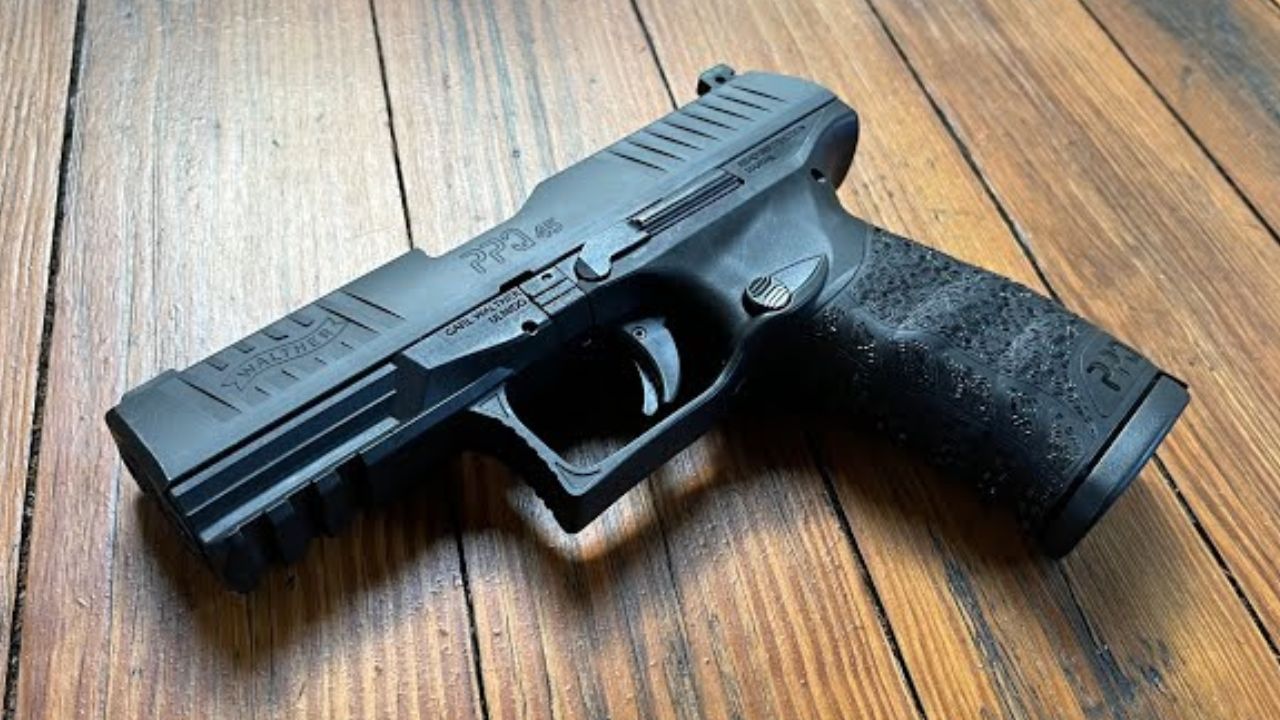
Walther has always known how to make a pistol feel good in the hand, and the PPQ trigger got a lot of Americans nodding the first time they pressed it. The improvement story here is more about market pressure: optics readiness, sight options, and the kind of parts/holster support U.S. shooters demand.
If you shoot a PPQ well, you’ll understand the love. It’s also one of those pistols that makes you picky afterward. Ask me how I know.
8. Walther PDP (German base, built with American optics culture in mind)
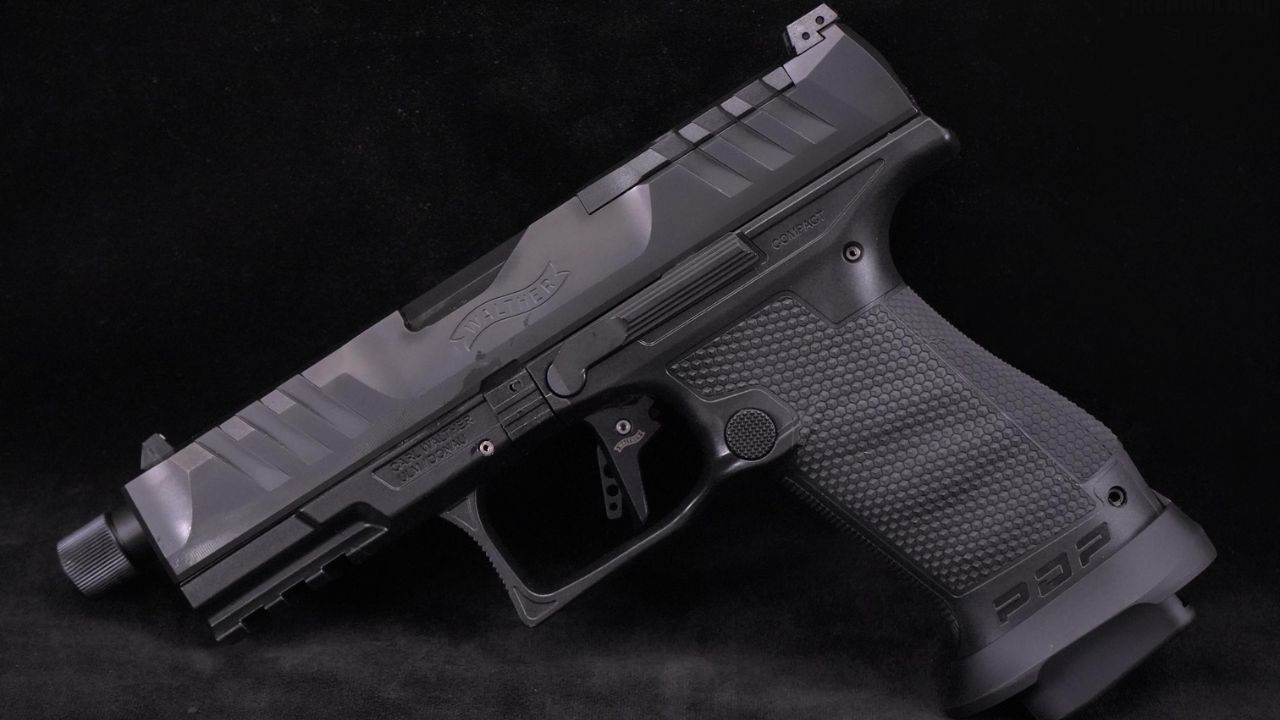
The PDP feels like Walther watched the U.S. market and said, “Alright, we get it—red dots are not a fad.” Better slide cuts, better mounting options, and a general “duty/carry in America” vibe all over it.
It’s not the smallest carry gun, but it’s easy to shoot fast and straight. That’s the trade most of us should probably make more often.
9. CZ P-10 C (Czech design, sharpened by U.S. striker-fired competition)

CZ didn’t need America to tell them how to build accurate handguns. What the U.S. market did was force striker-fired CZs to compete head-to-head with Glock, M&P, and everyone else on triggers, sights, and price.
The P-10 C is a workhorse if you can find mags and holsters easily in your area, which has gotten better over time. It’s one of those pistols that makes you wonder why you ever paid more for “good enough.”
10. CZ 75 (Czech classic, improved by American competition culture and clones)
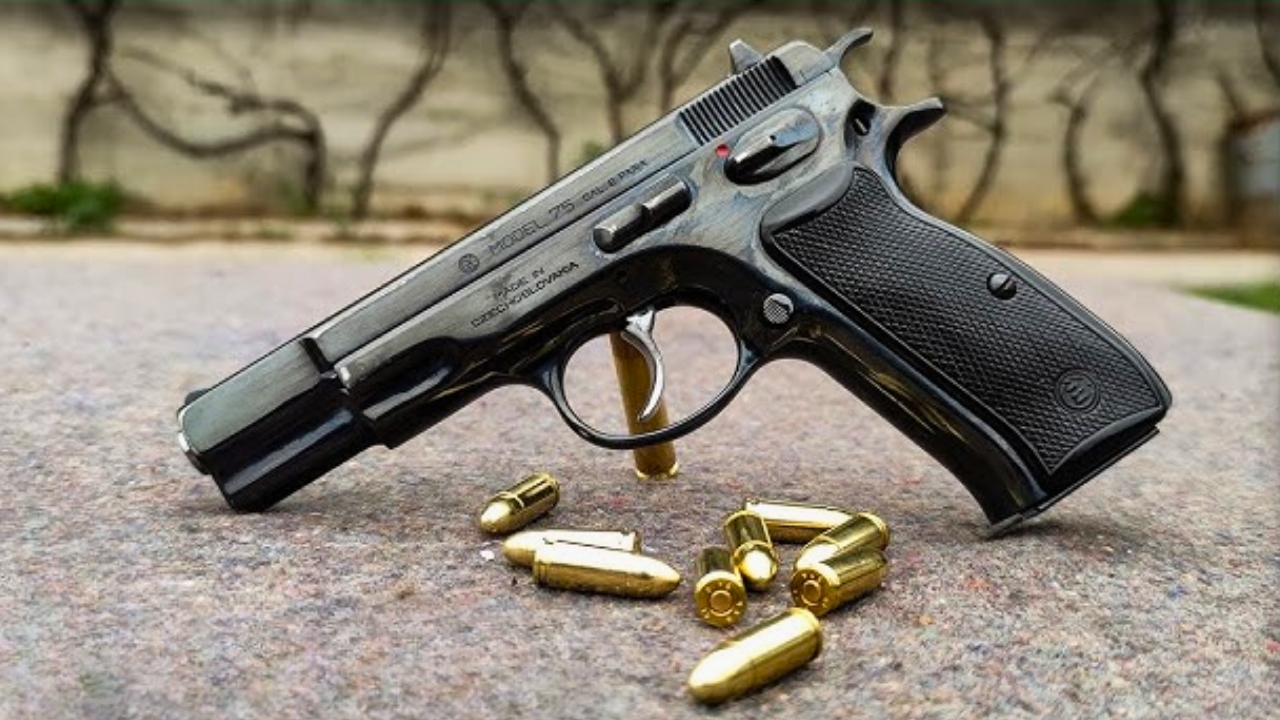
The CZ 75 is already one of the best “points like your finger” pistols ever built. Where American hands improved the story is in the competitive shooting world: tuning knowledge, spring options, sight cuts, and a whole wave of U.S. support that made the platform more accessible.
Not everybody wants a metal-framed DA/SA in 2026. Still, a good CZ 75 will embarrass a lot of modern pistols in the accuracy department if the shooter does their part.
11. Tanfoglio Witness (Italian/Czech lineage, polished by U.S. match demand)
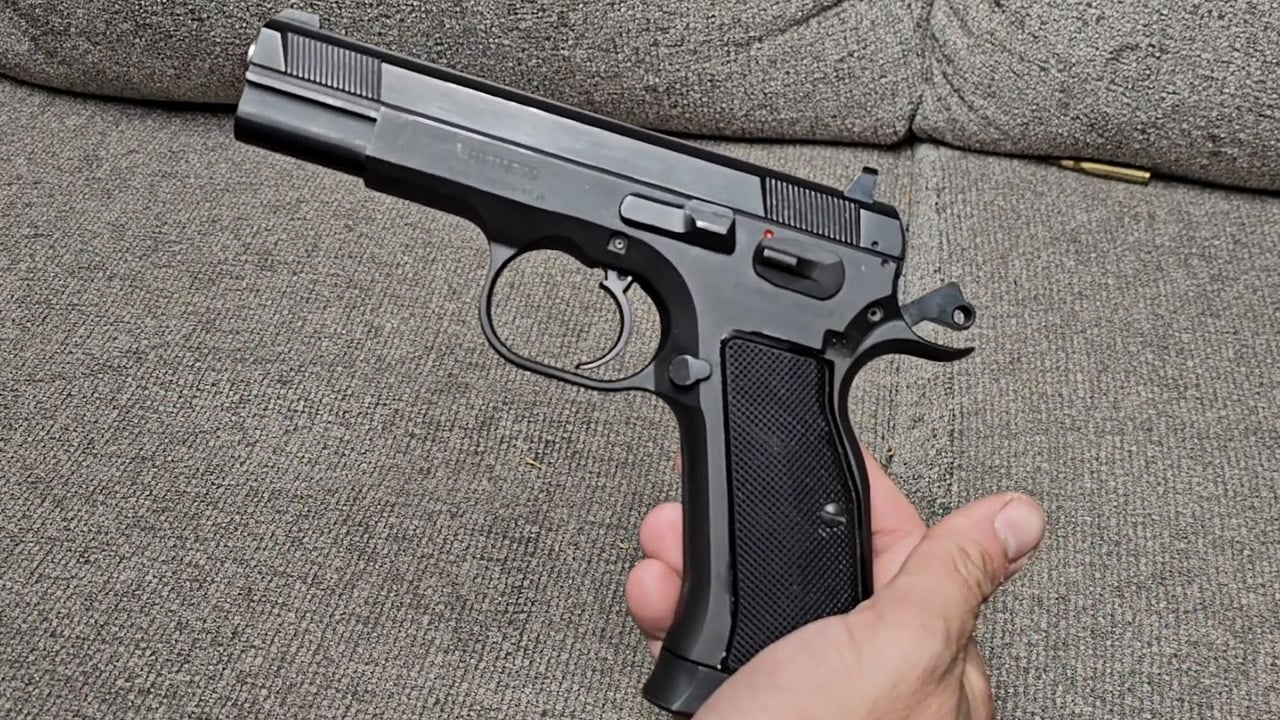
The Witness pistols are basically the “hot-roddable” cousin in the CZ-style family. In the U.S., competition shooters pushed these hard, and the aftermarket and tuning knowledge followed.
The flip side is you can also chase your tail if you start tinkering without a plan. A stock, reliable Witness that you actually shoot is better than a half-finished “race gun” that lives in a case.
12. IWI Jericho 941 (Israeli design, made more usable through U.S. import support)
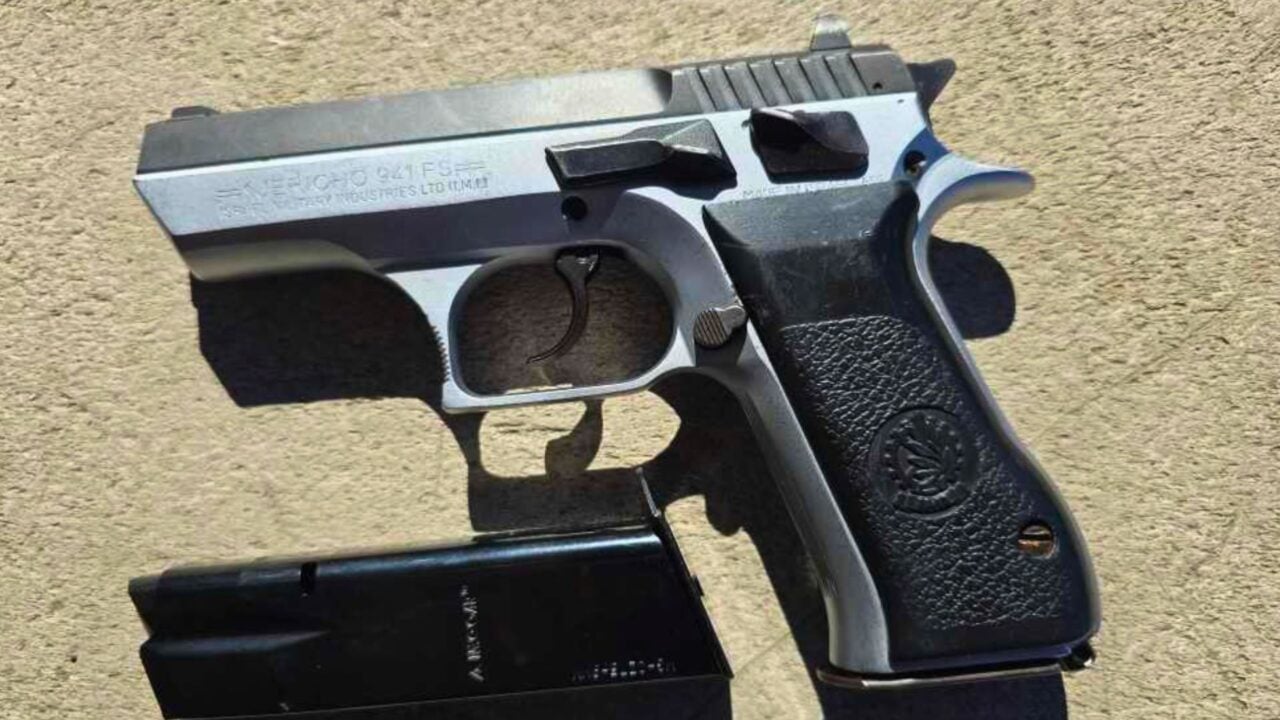
The Jericho has that heavy, smooth-shooting feel that makes range days fun. For years it was a little niche here, then American import support steadied out, mags became easier to track down, and the “this is actually a serious pistol” crowd showed up.
It’s not light. It’s not slim. But if you want a steel pistol that soaks recoil and runs, it does the job without drama.
13. IWI Masada (Israeli service pistol idea, shaped for U.S. value and optics readiness)

The Masada feels like it was built with an eye on what American shooters complain about. Reasonable price, optics-ready variants, decent ergonomics, and a simple manual of arms.
It doesn’t have the same deep aftermarket as the big dogs, but it’s improved in the ways that matter for normal owners: available magazines, available holsters, and a platform that isn’t picky.
14. Canik TP9SFx (Turkish design, refined by U.S. competition and accessory demand)

Canik showed up and basically dared the U.S. market to find more gun for the money. The TP9SFx especially got pulled into the match world, and the American accessory culture made it better—more sight options, more mounting solutions, more support.
They can feel a little big for carry, and not everyone loves the look. But as a “range a lot, spend less” pistol, it’s hard to argue with the results on paper targets.
15. Smith & Wesson M&P (influenced by European polymer striker trends, built to beat them in the U.S.)
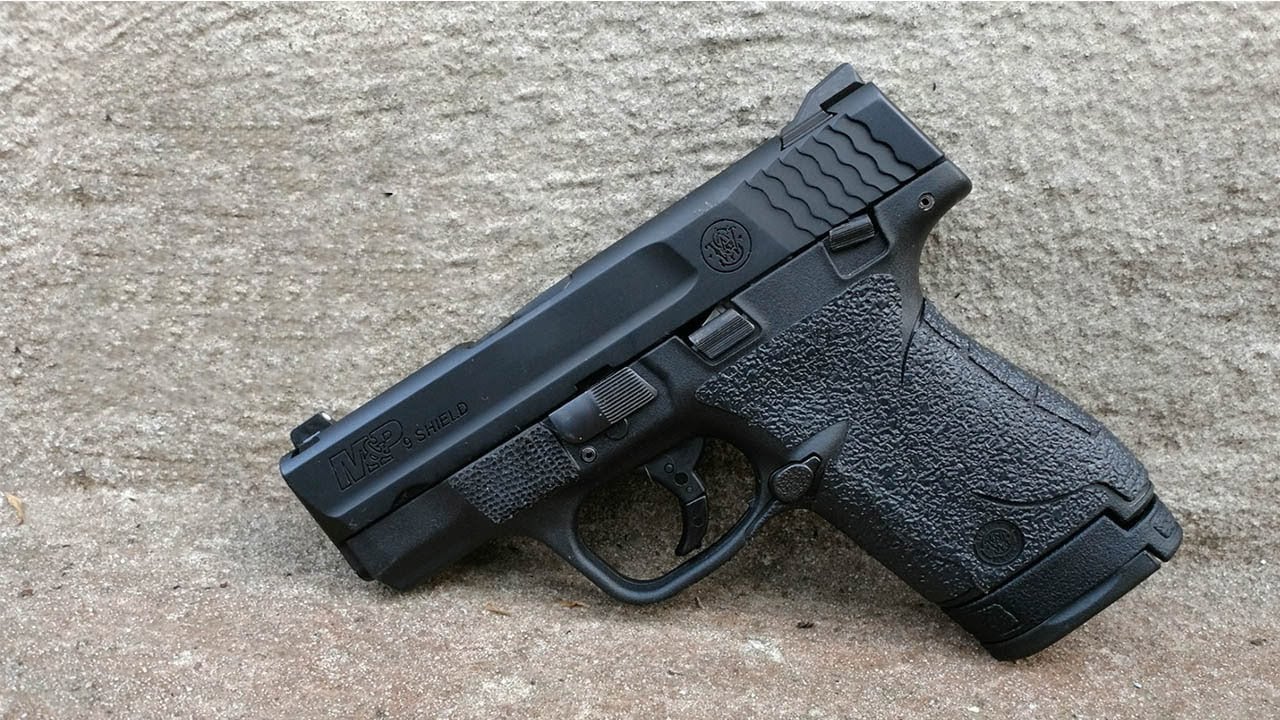
The M&P is an American pistol, sure, but it’s also a direct response to the European striker-fired wave that changed handguns forever. American hands improved the concept by focusing on grip options, duty durability, and later, the triggers that early guns caught grief for.
What I like is how “unexciting” it is in the best way. Parts are everywhere. Mags are everywhere. If you actually train, that kind of boring support is what keeps you on the range.
16. Ruger SR9 (born in the striker era dominated by imports, improved with Ruger’s U.S. durability mindset)
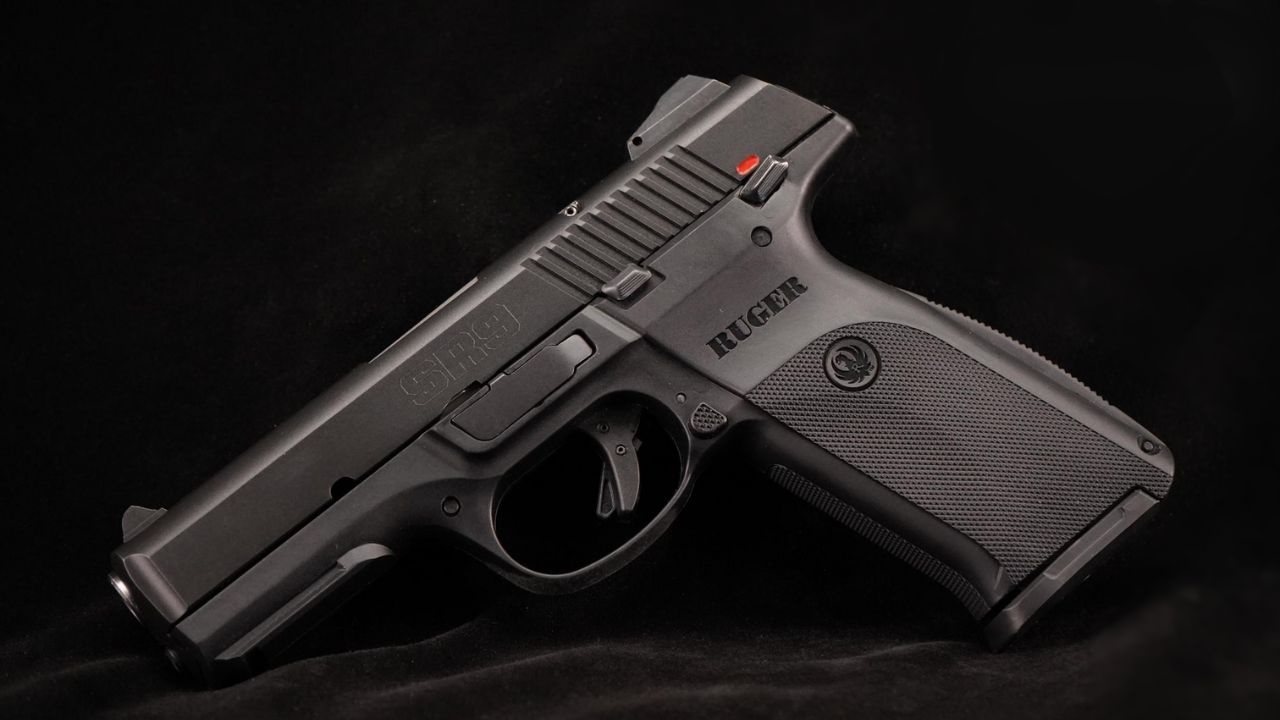
The SR9 came into a world where imports set the standard for slim, polymer 9mms. Ruger’s improvement angle has always been “make it tough, make it affordable, make it serviceable.”
It’s not the newest thing, and the line has moved on, but a lot of these still run fine. If you’ve got one that’s proven, I wouldn’t be in a hurry to toss it just because the internet forgot it.
17. Colt 1911 (American-made, but built on overseas ideas—and then perfected here)
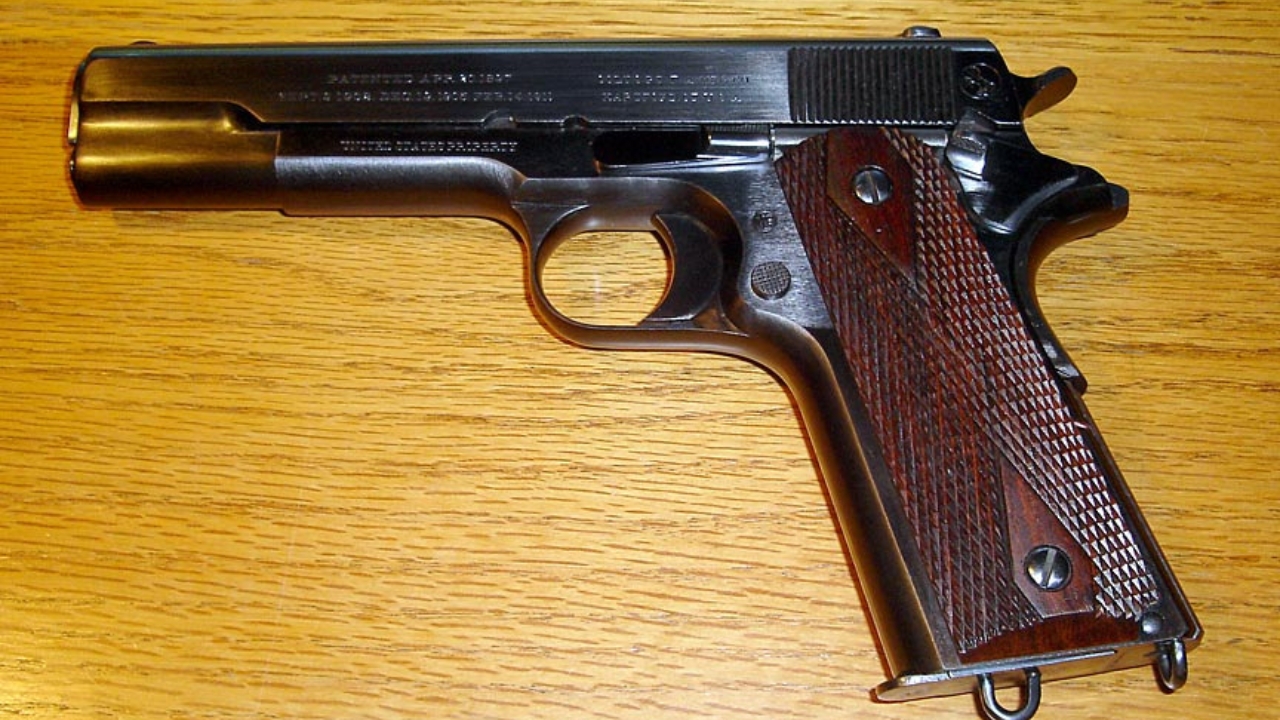
The 1911 is the grandfather story in this whole conversation. Browning’s work drew from global firearms evolution, but American manufacturing and decades of American use turned it into its own universe: better sights, better safeties, better reliability packages, and a hundred opinions on what “right” looks like.
It’s not the easiest platform for brand-new shooters, and cheap 1911s can be a headache. A good one, though, still feels like a serious tool. The trigger alone explains why people keep coming back.
18. Glock 19 (Austrian design, improved by American sights, training, and an endless parts universe)
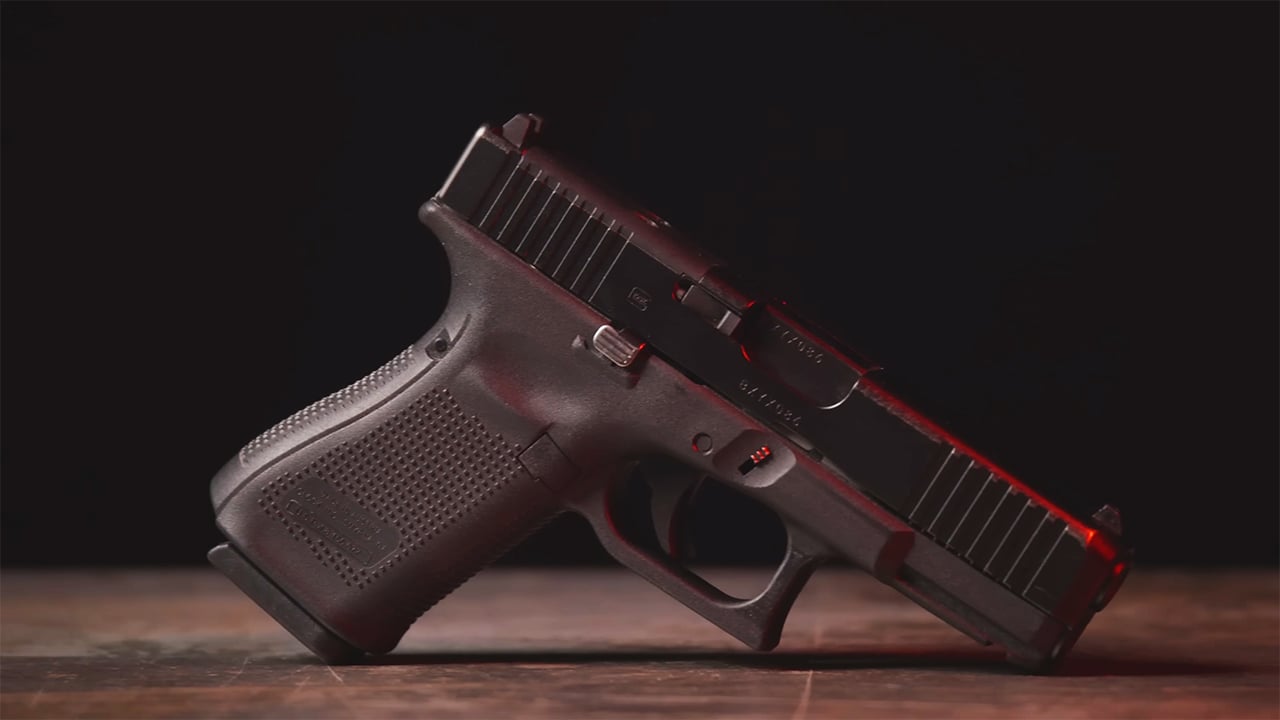
Glock didn’t need the U.S. to become successful, but the U.S. absolutely turned the Glock 19 into the default reference point. The “improvement” here is the ecosystem: better factory offerings over time, plus an aftermarket that fixes the two common gripes—sights and trigger feel.
It’s not romantic. It’s not special. It just works, and it’s easy to keep working. When you’re packing a pistol while checking trail cameras or fixing fence, that matters more than bragging rights.
19. Heckler & Koch VP9 (German design, modernized for U.S. ergonomics and optics trends)

The VP9 is one of those pistols that feels like it was designed by folks who actually shoot. Great ergonomics, good trigger for a service pistol, and a soft recoil impulse for its class.
The American market pressure shows up in optics-ready models and better availability of practical gear. HK can be pricey, but the VP9 is one of the easier HKs to justify if you want to actually run it.
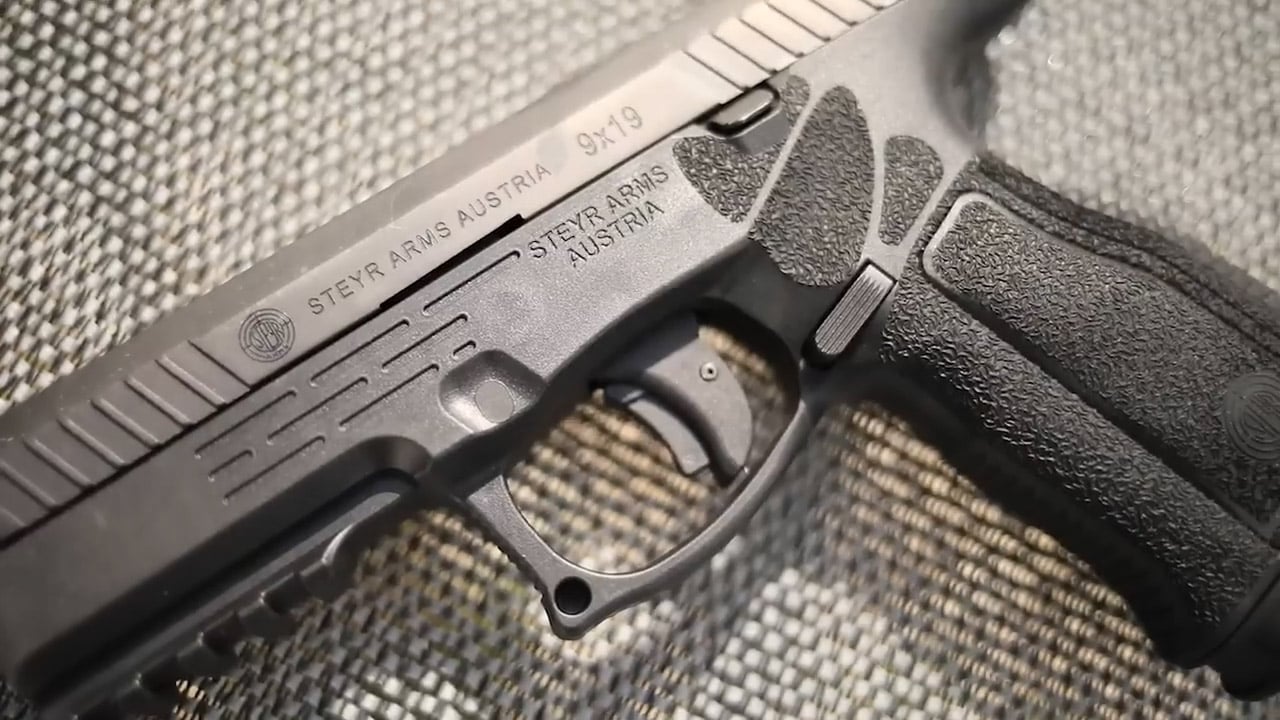
20. Steyr M9-A2 (Austrian design, made more practical by American availability and carry-focused updates)
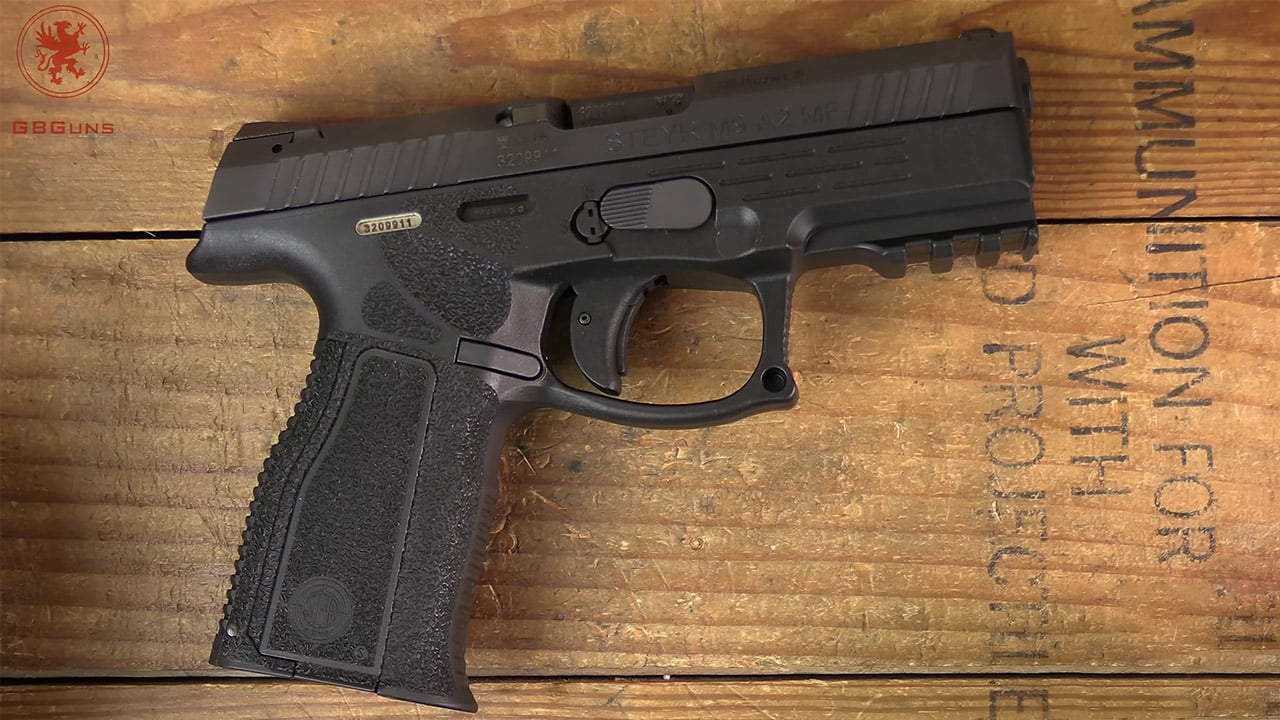
Steyr’s pistols have always been a little different, and for years that meant “good luck finding anything for it.” American import stability and updates like the A2 grip changes made them easier to live with, and the carry community helped keep demand alive.
The trapezoid sights are still a love-or-hate deal. But the gun points fast, shoots flat, and feels like it was built for real use. If you like being the guy who doesn’t own the same pistol as everyone else—but still wants reliability—this is a solid lane.
What I take from all of this is simple: good ideas travel, and hard use refines them. When an overseas design meets American carry habits, competition pressure, and the “support it or it dies” reality of our market, the end product is usually a better working pistol. Just don’t confuse internet excitement with what you’ll actually train with, carry comfortably, and keep fed with magazines and ammo when the new-gun smell wears off.
Like The Avid Outdoorsman’s content? Subscribe to our newsletter so you never miss an article.
Here’s more from us: