Photo credit: Tenacious Trilobite/YouTube
Every gun shop has that one corner of the used rack where the rifles feel different when you pick them up. The bluing looks deeper, the wood has honest wear instead of “distressed,” and the bolt or lever runs like it’s on bearings. It’s not magic. It’s an older manufacturing world—longer fitting time, different steel supply chains, more handwork, fewer shortcuts, and fewer lawyers and accountants telling the plant what it can’t do.
None of these rifles are perfect, and a couple of them are downright heavy or fussy. But they come from a time when certain materials, processes, and labor habits were common enough that a company could build a working man’s rifle with a little extra pride baked in. If you’ve got one, I wouldn’t be quick to let it go. Ask me how I know.
1. Winchester Model 70 “Pre-64”
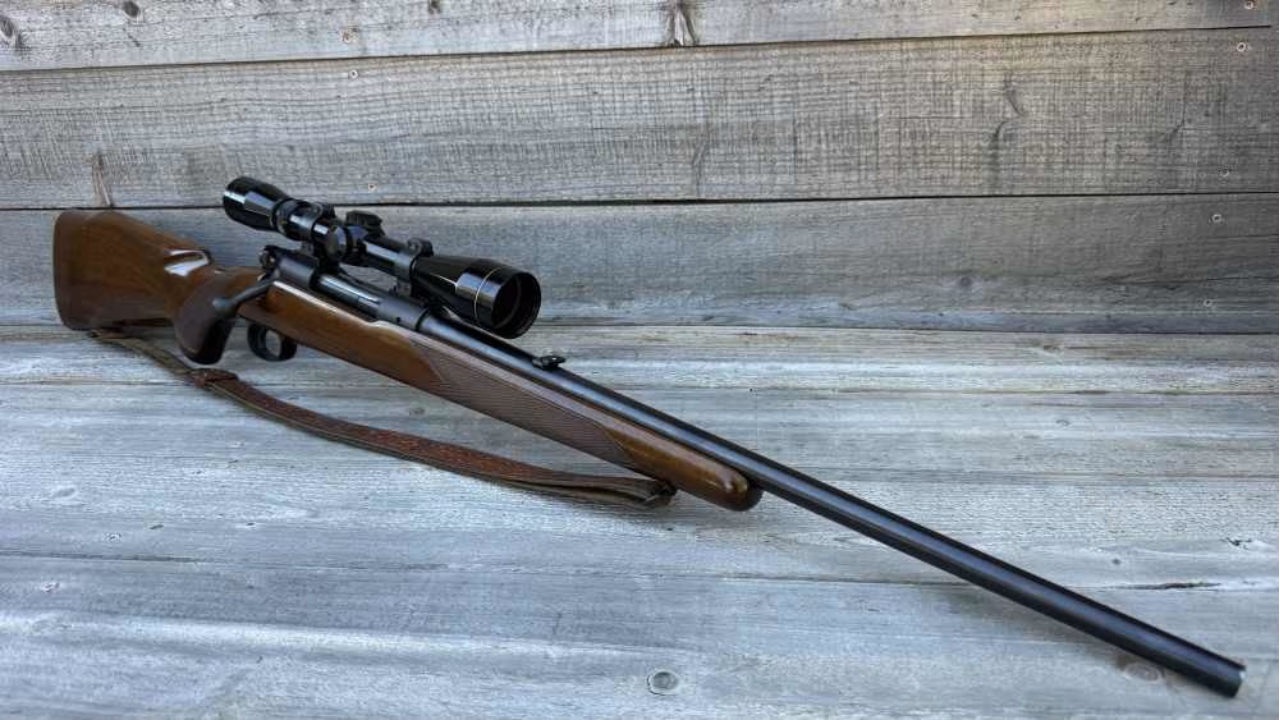
If you’ve ever cycled a clean pre-64 and felt that controlled-round feed pick the cartridge up like it was meant to, you get it. The machining and polish on these older actions just has a different feel than most modern mass-production bolts. They’re not all laser-accurate by today’s standards, but they’re honest rifles.
The other thing is the fit and finish—especially on the metalwork. You can still hunt hard with one, but you’ll also notice you handle it a little differently, because you know you can’t replace “that exact one” with a click online. The new Model 70s can be very good. A true pre-64 is its own animal.
2. Remington Model 700 BDL (1960s–1980s production)

The older BDLs are why the 700 became the default “American bolt gun” for so long. Gloss walnut, deep bluing, clean checkering, and an action that stacks up well when you start talking triggers and aftermarket parts. They point naturally and carry flatter than you’d think.
Sure, you can build a modern 700-pattern rifle that’ll shoot circles around grandpa’s deer rifle. But the older BDLs weren’t trying to be tactical or trendy. They were trying to be a dependable hunting rifle that looked like a hunting rifle, and they nailed it.
3. Ruger M77 “Tang Safety” (M77 and M77 RSI)
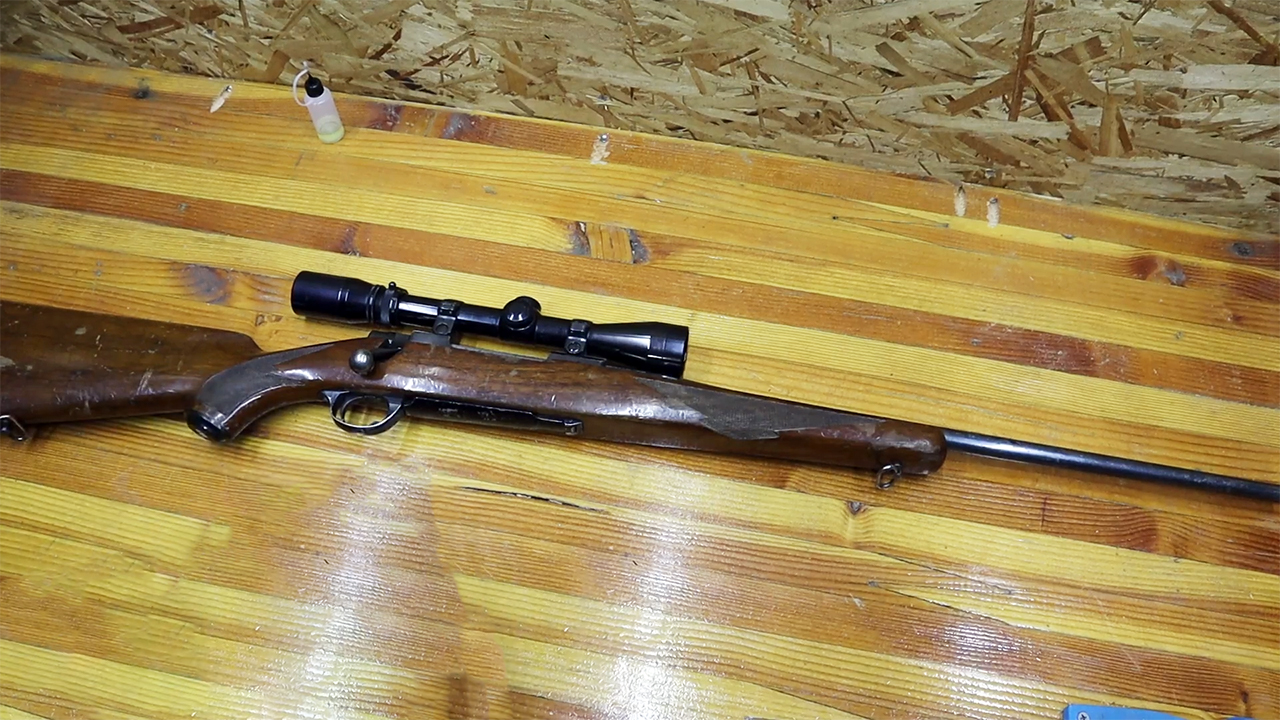
That tang safety is a big part of the charm, especially with gloves on. The early M77s have a certain steadiness to them—slimmer lines than many modern Rugers, a more classic stock feel, and that “built like a tractor” Ruger attitude.
The RSI full-stock versions are a love-it-or-hate-it thing, but they carry like a dream in thick timber. These aren’t the lightest rifles and they’re not always the slickest bolts, but they’re field rifles first. That’s why they still matter.
4. Sako L61R “Finnbear”
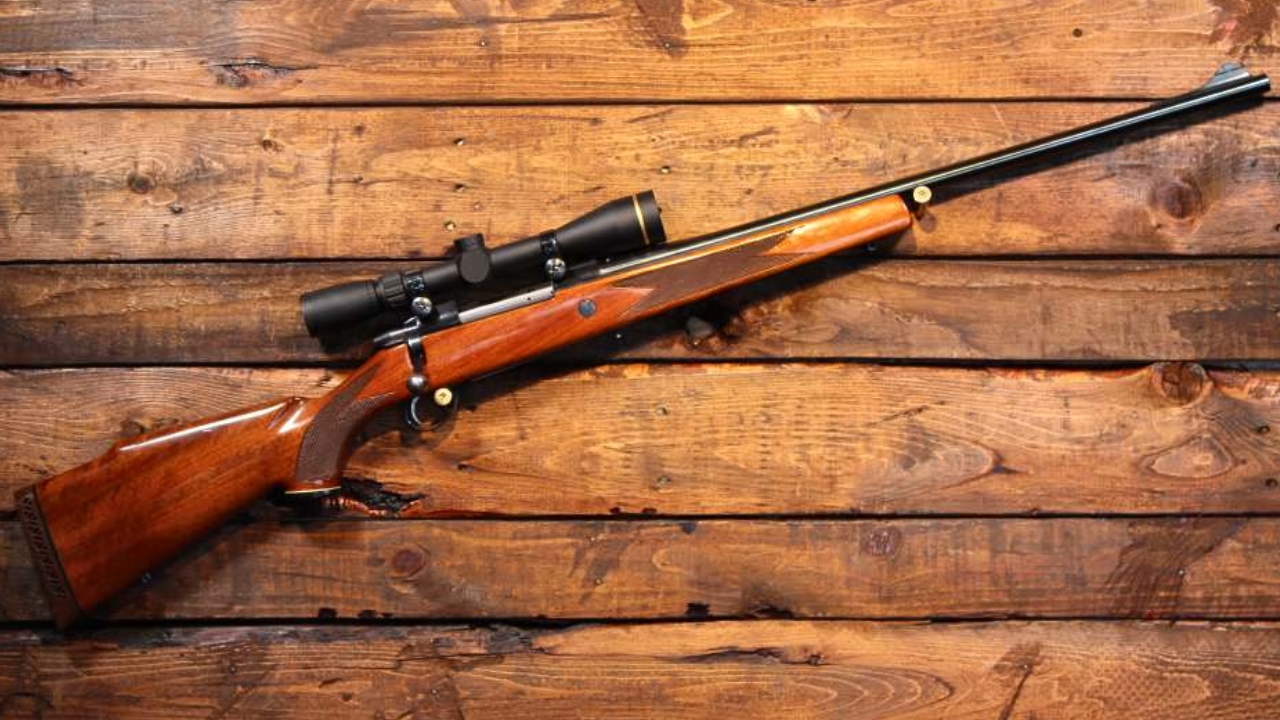
Pick one up and you’ll notice two things fast: the action is smooth, and the whole rifle feels like it was assembled by someone who cared. The Finnbear era is when Sako was putting out hunting rifles that felt almost custom without the custom price tag.
They’re not “cheap used rifle” finds anymore, and that’s the point. When you see one with clean metal and an uncracked stock, you’re looking at a rifle from a time when fit and finish were a selling feature, not a line item to be trimmed.
5. Winchester Model 94 (Pre-1964)
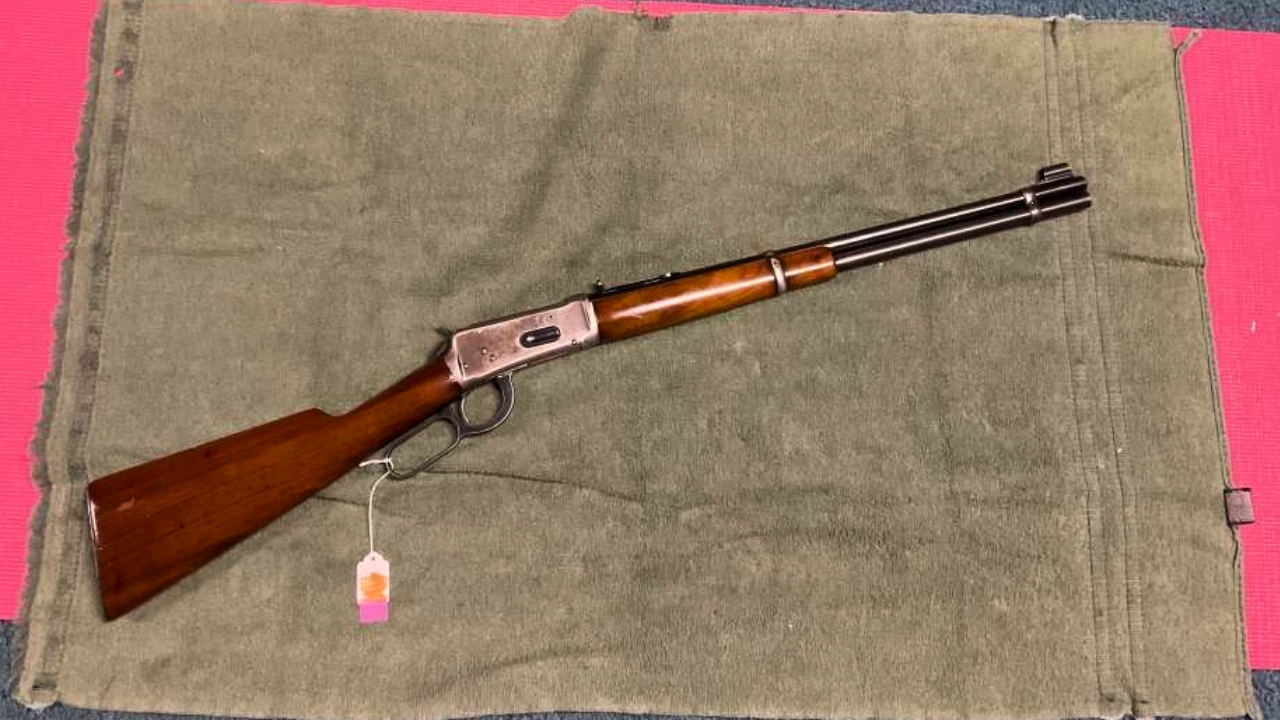
There’s a reason the pre-64 talk shows up here too. The older 94s have cleaner machining and a nicer overall feel, and they tend to age well if they weren’t abused. It’s a rifle that balances in one hand and comes to the shoulder without thinking.
In the deer woods, especially in brush, this is still a working solution. Not a nostalgia piece. Load it with the right ammo for your chambering and keep your shots honest, and it’ll do the same job it’s done for generations.
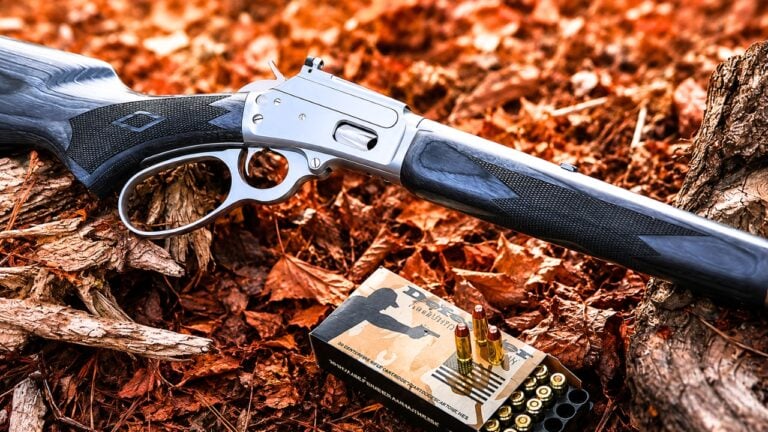
6. Marlin 336 (North Haven, “JM” marked)
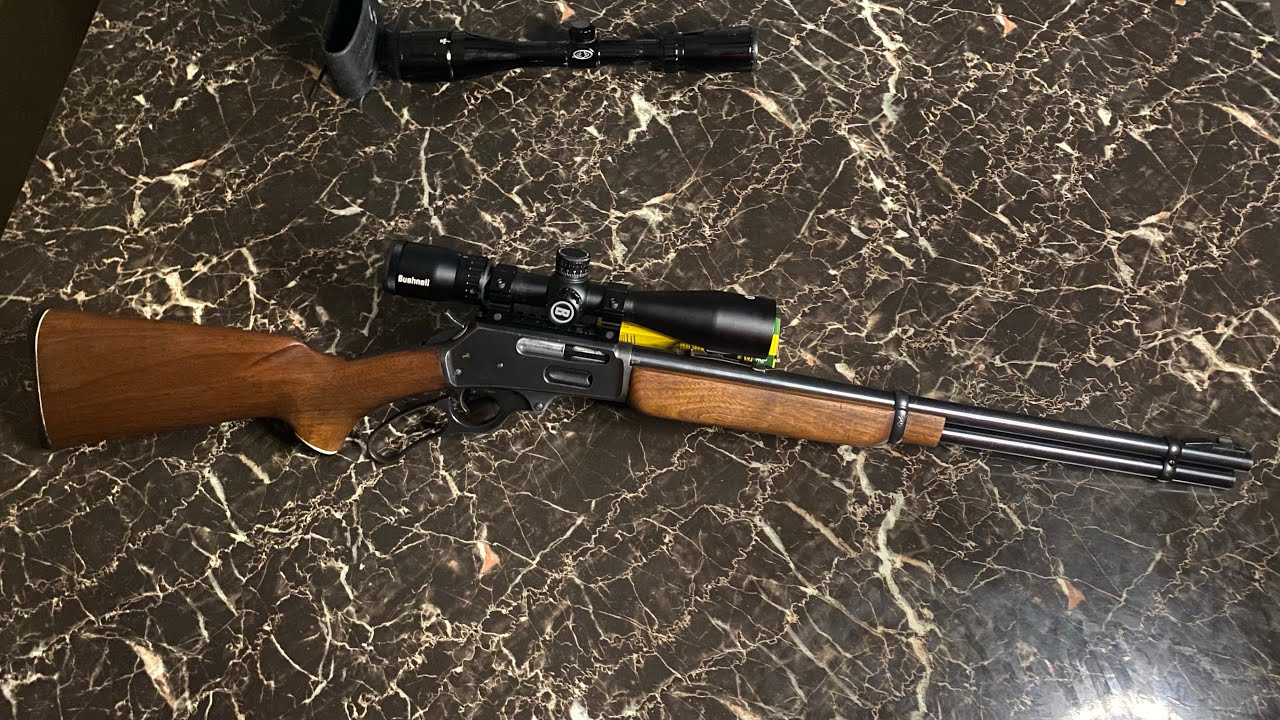
If you’ve ever compared a clean JM-stamped 336 to a rougher later example, you don’t need a lecture. The older ones tend to have better wood-to-metal fit, smoother lever travel, and a general sense that the rifle was finished instead of “pushed out.”
They’re excellent hunting rifles that don’t demand babying. Add a simple receiver sight or a low-power scope and you’ve got a woods gun that’s as practical now as it was when gas was cheap and everybody had a lever gun behind the seat.
7. Savage Model 99 (pre-1960s)

The Model 99 is one of those rifles that makes you stop and think about how ambitious American manufacturing used to be. A lever gun with a rotary magazine, sleek lines, and chamberings that were ahead of their time. You can feel the complexity when you work it.
They’re not as simple as a 94 or 336, and parts aren’t stacked on every shelf. Still, if you hunt with one, you’re carrying something that was engineered with pride, not just stamped out to meet a price point.
8. Springfield Armory M1 Garand (U.S. GI production)
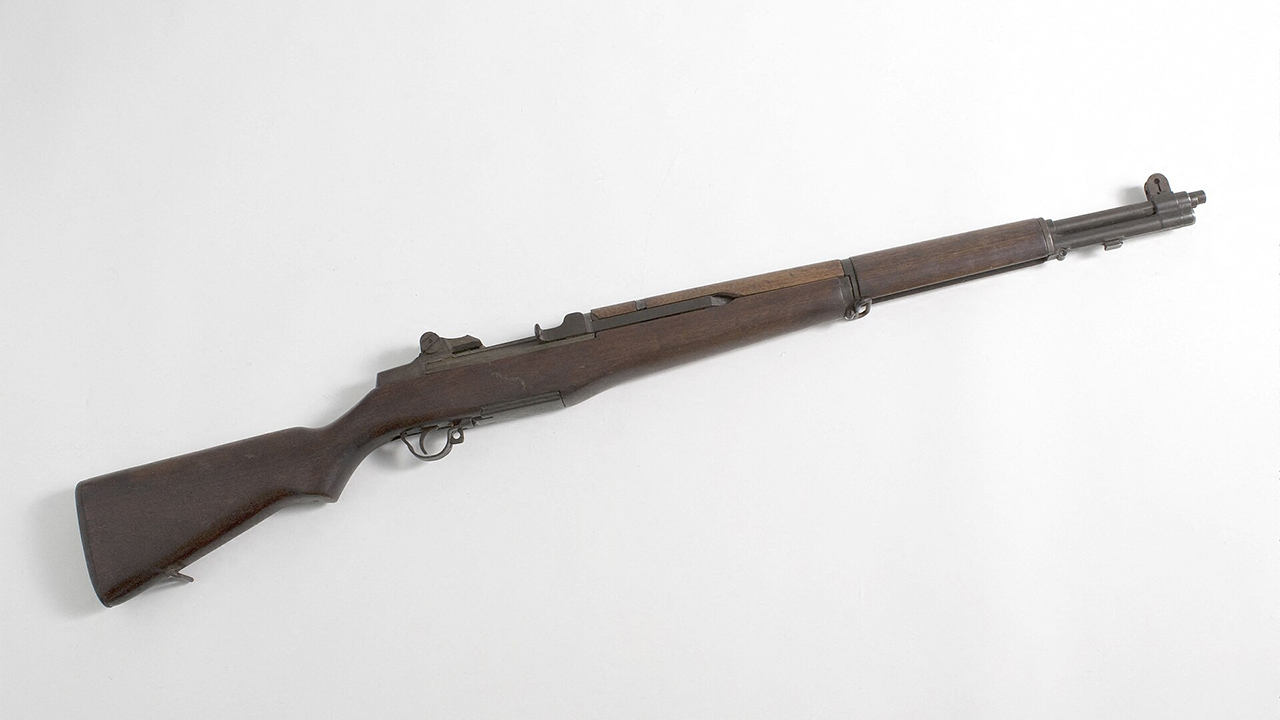
This one is obvious, but it belongs on the list. Wartime and postwar U.S. production wasn’t about fancy finish; it was about scale and durability, and it was built around a workforce and industrial system that doesn’t exist anymore. The rifle feels like a piece of heavy equipment.
As a shooter, the Garand still holds up. It’s heavy, yes, and it’s not a modern optic host, but it’s reliable and satisfying in a way polymer-and-rail guns just aren’t. Keep it maintained and feed it appropriate ammo, and it’ll keep doing its job.
9. U.S. M1903 Springfield (including 1903A3)
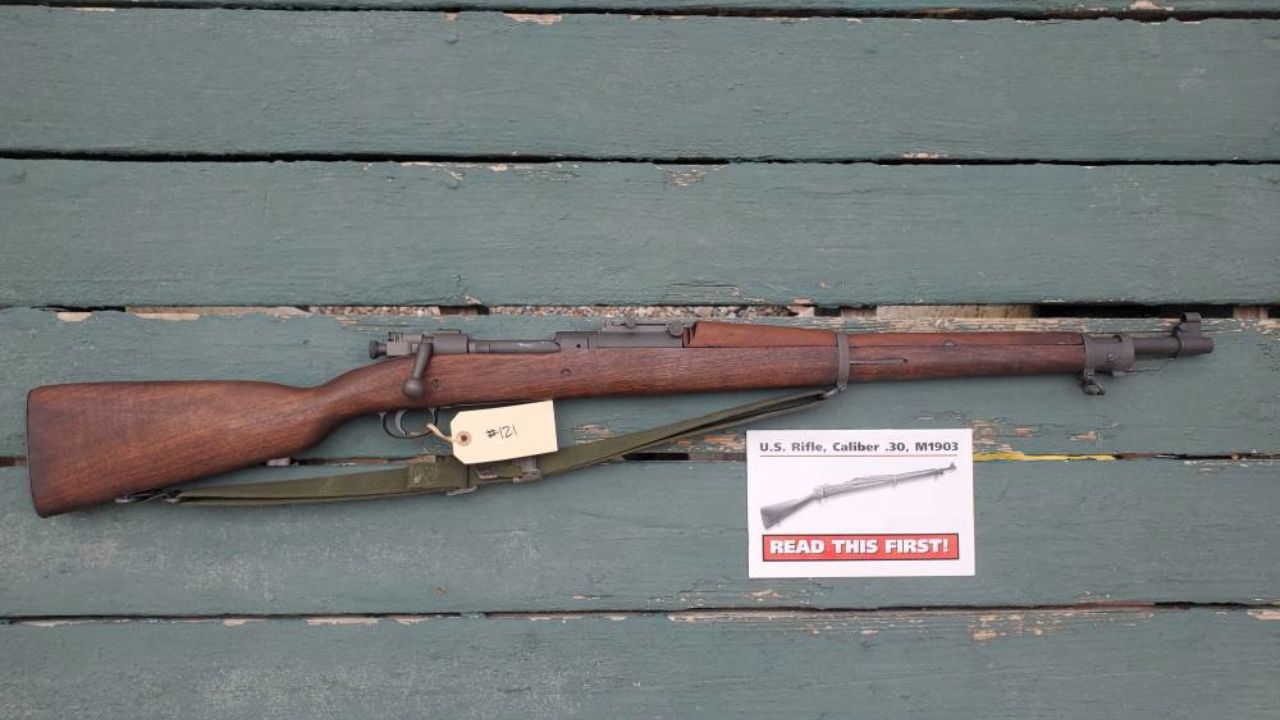
These rifles were made in an era when “service rifle” meant machined steel and walnut, and it shows. The sights are excellent for what they are, the actions tend to be smooth, and the whole package feels solid without being clumsy.
They’re not a cheap way into .30-caliber shooting anymore, but they’re a serious rifle that can still hunt if you set it up right and respect the limitations. It’s also a reminder that craftsmanship used to be part of the standard contract.
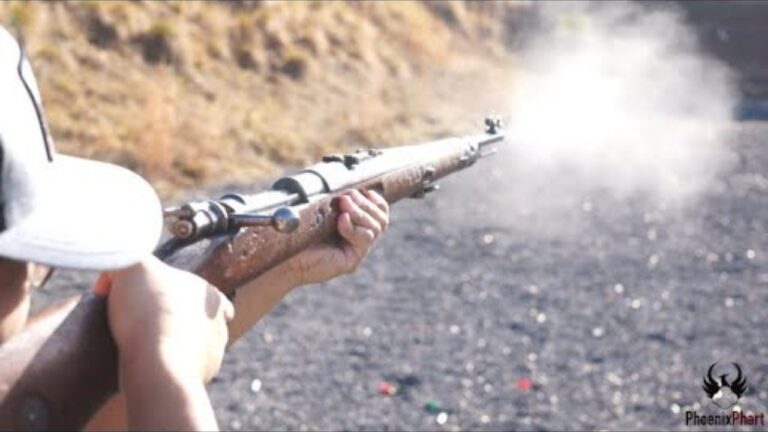
10. Mauser 98 (Original German military production)
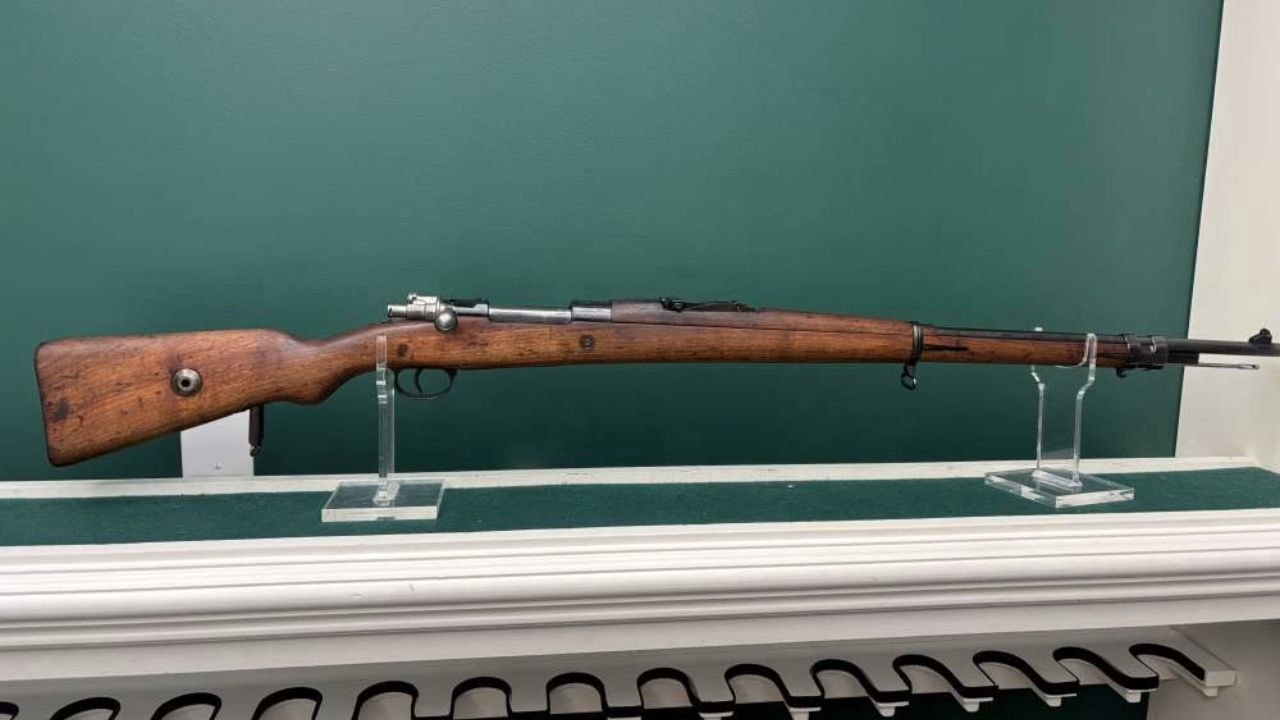
You can buy modern “98-style” actions, and some are great. But an original Mauser 98 has a certain feel in the bolt throw and extraction that’s hard to explain until you run one. They were built to work dirty, cold, and abused.
A lot of these were sporterized, sometimes tastefully, sometimes painfully. A clean original is collector territory, but even a good sporter on an original action can be a lifetime hunting rifle if the work was done right.
11. CZ 550 (Czech production)
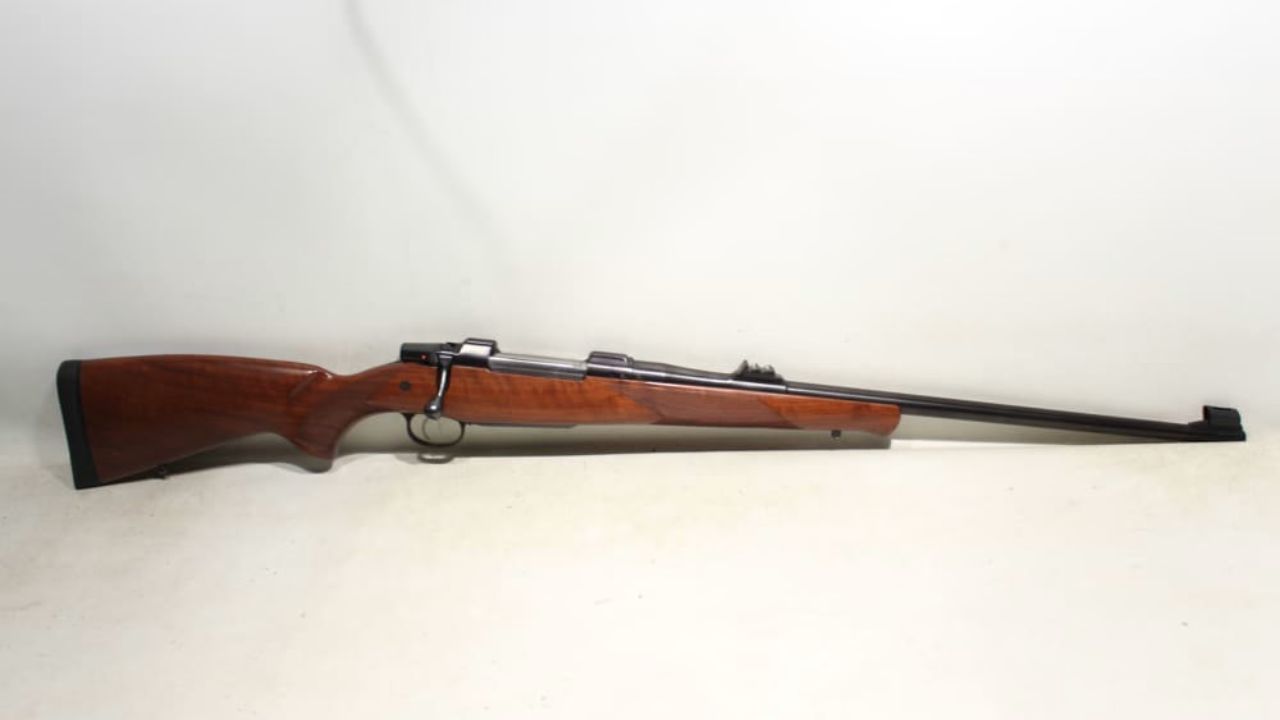
The 550 is a newer rifle compared to some on this list, but it comes from a manufacturing tradition that leaned into old-world methods longer than most. Controlled-round feed, sturdy build, and usually a nice piece of walnut for the money.
They’re not light, and they don’t feel “modern sleek,” but that’s part of why folks miss them now that they’re gone. If you want a hunting rifle that feels like a rifle, not a spreadsheet decision, the 550 is hard to replace.
12. Browning BAR (Belgian-made, early production)
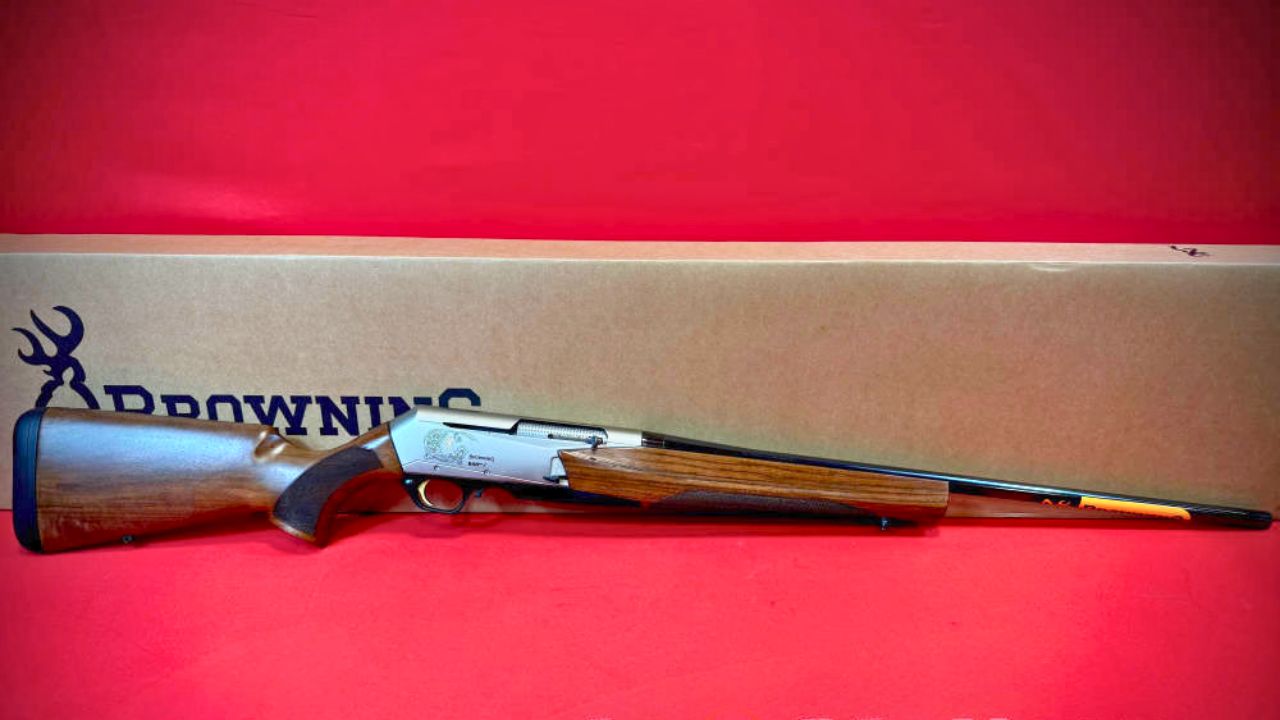
I’m talking about the sporting BAR here, not the military gun. The early Belgian-made Brownings have a level of finish that’s hard to justify in today’s market at normal-guy prices. They’re smooth, soft shooting, and they run when you keep them reasonably clean.
They’re also heavier than a bolt gun, and that matters if you’re climbing ridges. Still, for the hunter who wants a semi-auto that doesn’t feel cheap, those early guns are a reminder of when “nice” was the point.
13. Browning Safari Grade Bolt Actions (Belgian FN production)
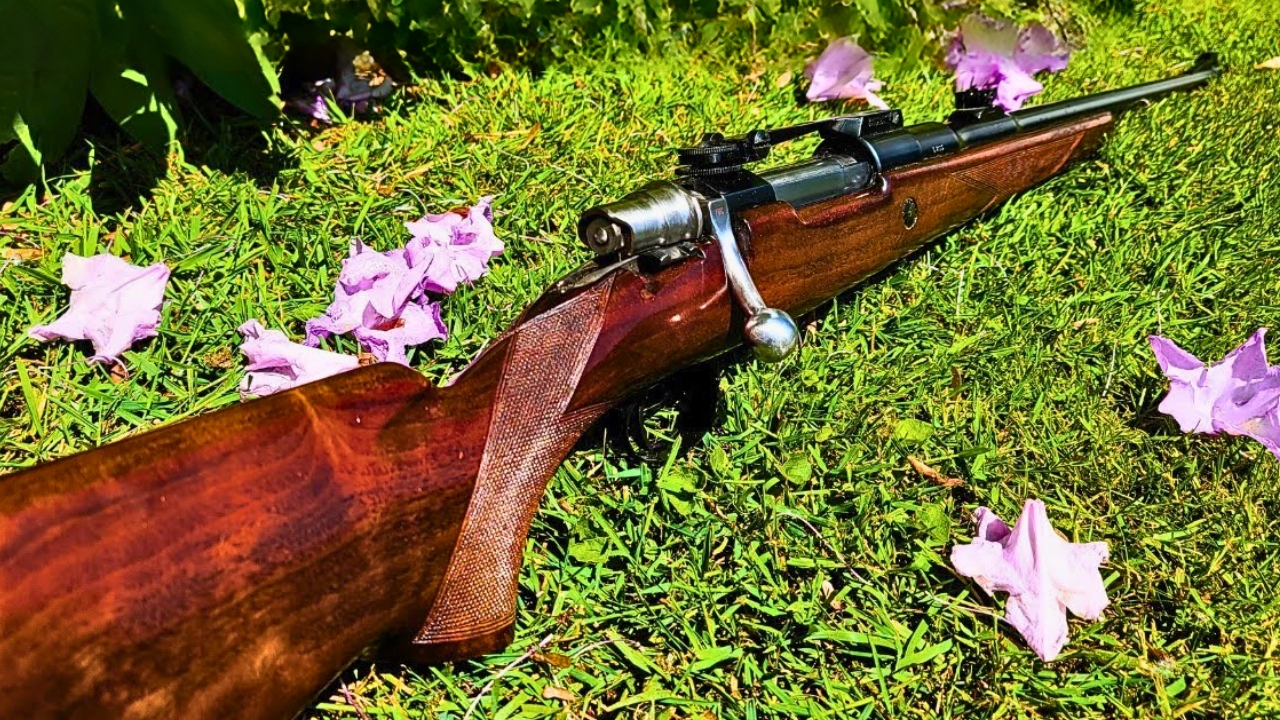
These rifles have a certain elegant toughness. FN actions, great bluing, classy wood, and lines that look right in a scabbard or across a saddle. They’re not tactical, and they don’t care.
They also tend to feed well and hold up to real use. If you’ve got one that shoots, it’s hard to find a reason to replace it with something “newer,” because newer doesn’t automatically mean better in the field.
14. Remington Model 760/7600 (older production pump rifles)

The pump rifle isn’t trendy, but in deer camp it has a quiet fan club. The older 760s in particular can be smooth and fast, and they carry like a shotgun—meaning they work well in thick cover and quick shots.
Magazines can be the headache, and accuracy varies by rifle. But as a practical woods tool, a good older 760 is hard to beat. It’s also a style of rifle that modern manufacturing doesn’t bother perfecting anymore.
15. Winchester Model 88
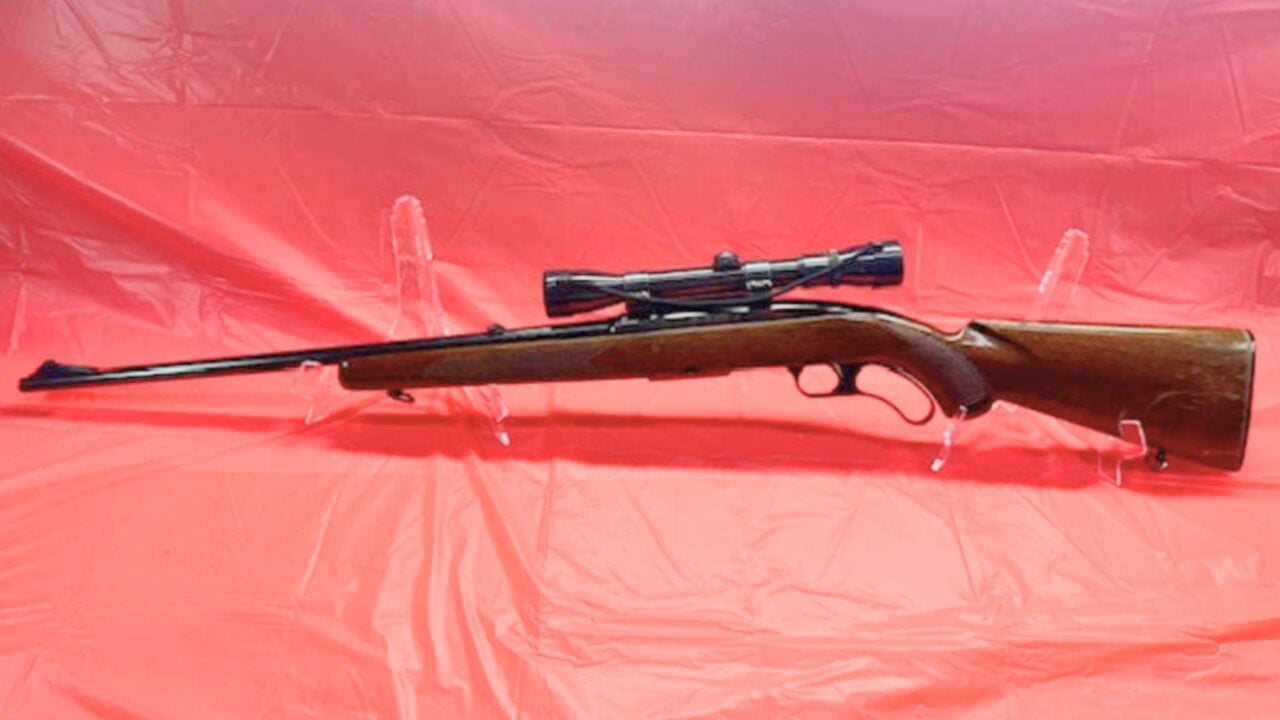
The 88 is one of those “they would never do this today” rifles. A lever gun that handles more like a bolt rifle, with a box magazine and modern-ish chamberings for its time. It’s slick, it’s different, and it’s a little complicated.
They can be finicky if they’re worn or neglected, and they’re not as easy to work on as simpler levers. Still, when you find a good one, you understand why owners hang onto them. It’s a thinking man’s deer rifle.
16. Ruger No. 1 (early production)
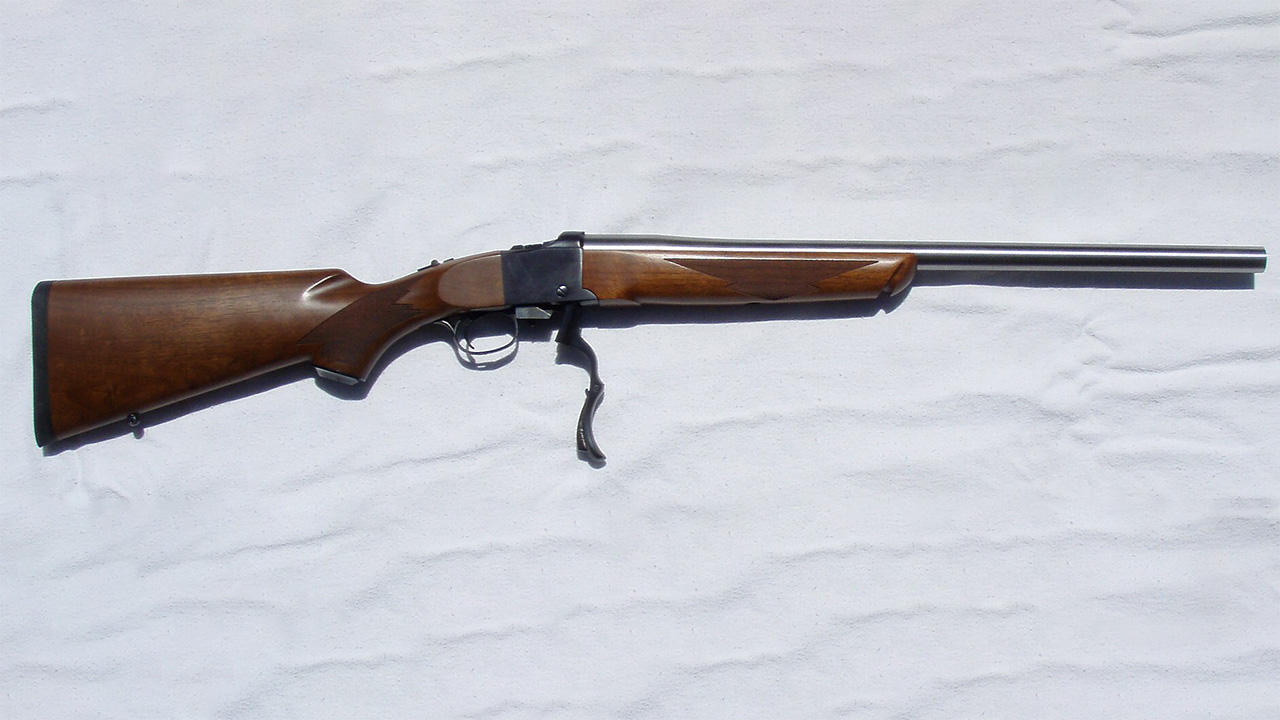
A single-shot falling-block rifle isn’t everybody’s cup of coffee, especially when you’re watching groups on social media and everybody’s obsessed with fast follow-ups. But the No. 1 is classic American confidence. One good shot, taken on purpose.
The earlier rifles often show nicer wood and a bit more hand-fitted character. They can be picky about loads in some chamberings, and they aren’t the lightest. Still, carry one in the mountains and you’ll understand why people get attached.
17. Kimber of Oregon Model 82 (rimfire)
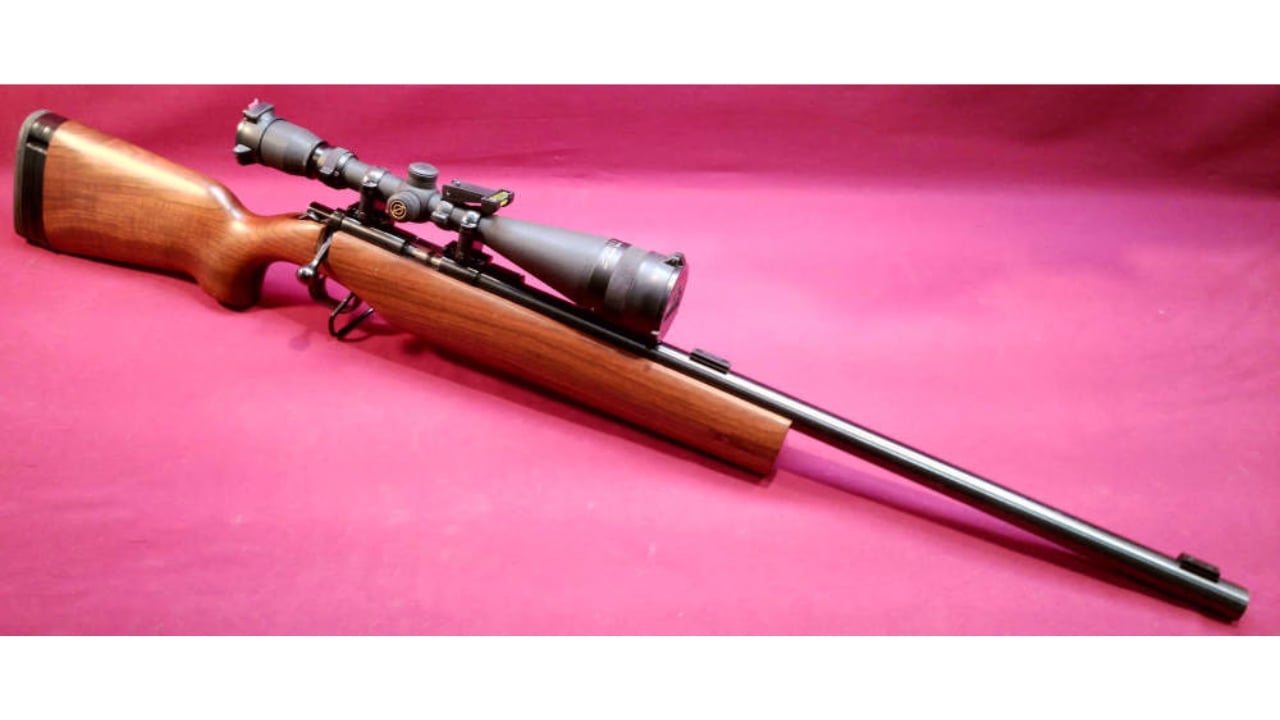
There are plenty of accurate .22s. There aren’t as many that feel like a scaled-down centerfire sporting rifle with real polish and pride. The old Kimber of Oregon rimfires have that “built, not assembled” vibe when you run the bolt.
They’re also the kind of rifle you hand a kid and immediately remind them to treat it right. Not because it’s fragile—because you can’t just replace it with something that feels the same off the rack.
18. Anschütz Model 54 sporters
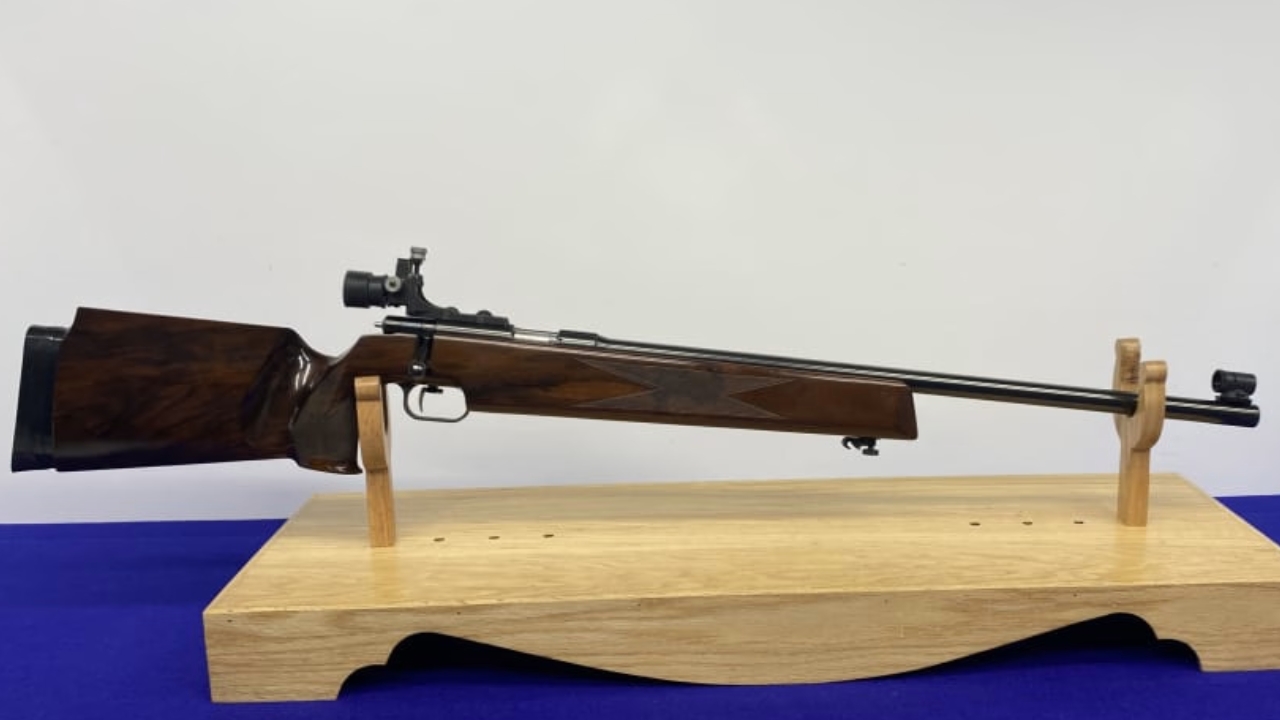
German rimfires in the Model 54 family are a master class in doing the small stuff right. Trigger feel, bolt travel, consistent lockup—it’s all there. You can shoot cheap ammo and still feel like the rifle is doing its part.
It’s not a “truck gun” and it doesn’t pretend to be. But for small game and range work, it’s the kind of rifle that makes you a better shot because it doesn’t fight you. That level of refinement is expensive to replicate now.
19. Lee-Enfield No. 4 Mk I (wartime British/Commonwealth production)

The Enfield is not a benchrest rifle, and if you expect that, you’ll be disappointed. What it is, though, is a rugged bolt gun with a fast, smooth action that was built to be run hard. Those rifles saw real use and kept going.
For practical shooting and history, they’re a blast. For hunting, plenty of folks have taken deer cleanly with them where legal. The bigger point is the manufacturing story: huge output, functional quality, and a feel that modern “budget” rifles don’t have.
20. Swiss K31 (Schmidt-Rubin straight-pull)

These rifles are the poster child for national pride in manufacturing. Straight-pull action, excellent barrels, and accuracy that surprises people who think “old military rifle” means “minute of barn.” Work the bolt and you’ll grin.
They’re not light, and the ergonomics are their own thing. But when you look at the machining and the consistency, it’s hard not to respect what went into them. It’s also hard not to wish more modern rifles felt this “finished” at a normal price.
The funny part is that none of these rifles require you to be a collector. They’re tools first, and most of them were bought by regular working folks who wanted something dependable. If you’ve got one hiding in the safe, it might be worth taking it out, wiping it down, and running it this season. Not to baby it—just to remember what “well made” used to feel like.
Like The Avid Outdoorsman’s content? Be sure to follow us.
Here’s more from us: