Photo credit: 9-Hole Reviews/Youtube
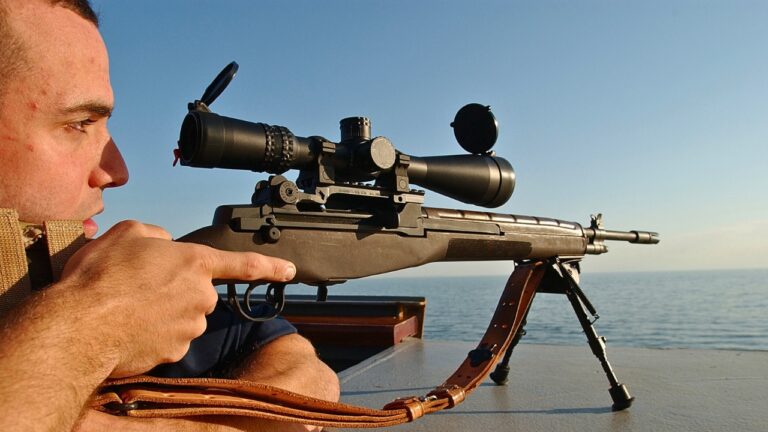
Every gun shop has that one rifle behind the counter that gets a smirk. Too many levers. Too many screws. Too many “features” that look like they came from an engineer who doesn’t hunt. For years, those rifles got labeled as heavy, complicated, and overbuilt.
Then the market changed. Suppressor use became normal. People started shooting year-round instead of just checking zero the week before season. Optics got bigger. Folks wanted repeatable accuracy without babying a walnut stock. And suddenly the stuff that used to get mocked—adjustability, chassis systems, quick-change parts, folded stocks, tool-less controls—became exactly what buyers ask for.
1. Accuracy International Arctic Warfare (AW)

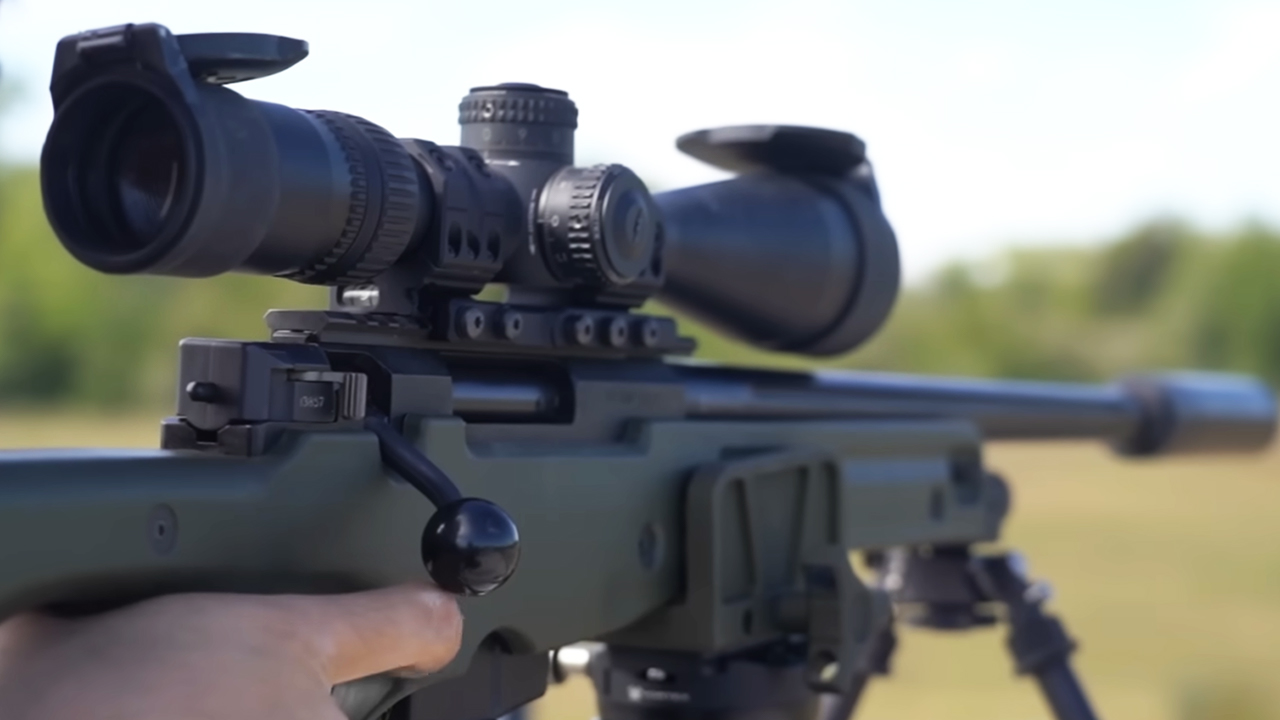
Back when most hunters were still arguing over whether a synthetic stock was “cheating,” the AW showed up looking like a piece of industrial equipment. It’s chunky. It’s cold to the touch. It feels like it was designed to be dragged through gravel and still cycle.
Now, that vibe is the whole point. People want rifles that don’t shift zero when the weather turns ugly, that feed from magazines without drama, and that don’t care if you’re shooting prone off a bipod or off a pack. The AW is overkill for whitetails, sure, but the “overbuilt” part is exactly why they’re still respected.
2. Accuracy International AXMC
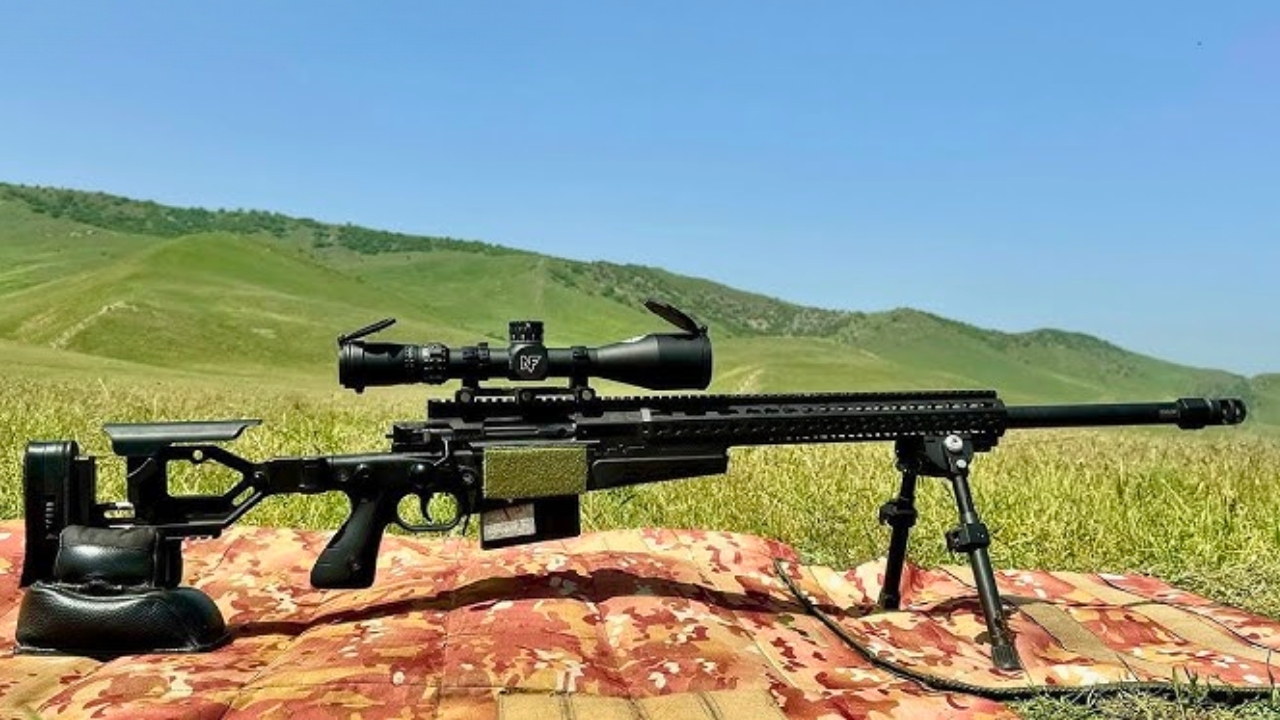
Multi-caliber setups used to get laughed at like a gimmick. The AXMC made it real: a serious action, a serious chassis, and caliber swaps that aren’t just theoretical. It also wears accessories like it was born with them.
Today, shooters want one rifle that can hunt, run suppressed, and stretch out on steel without owning three different bolt guns. The AXMC scratches that itch—if your wallet can stand it. It’s not light, and it’s not cheap, but it’s “future-proof” in a way a traditional sporter just isn’t.
3. Barrett MRAD
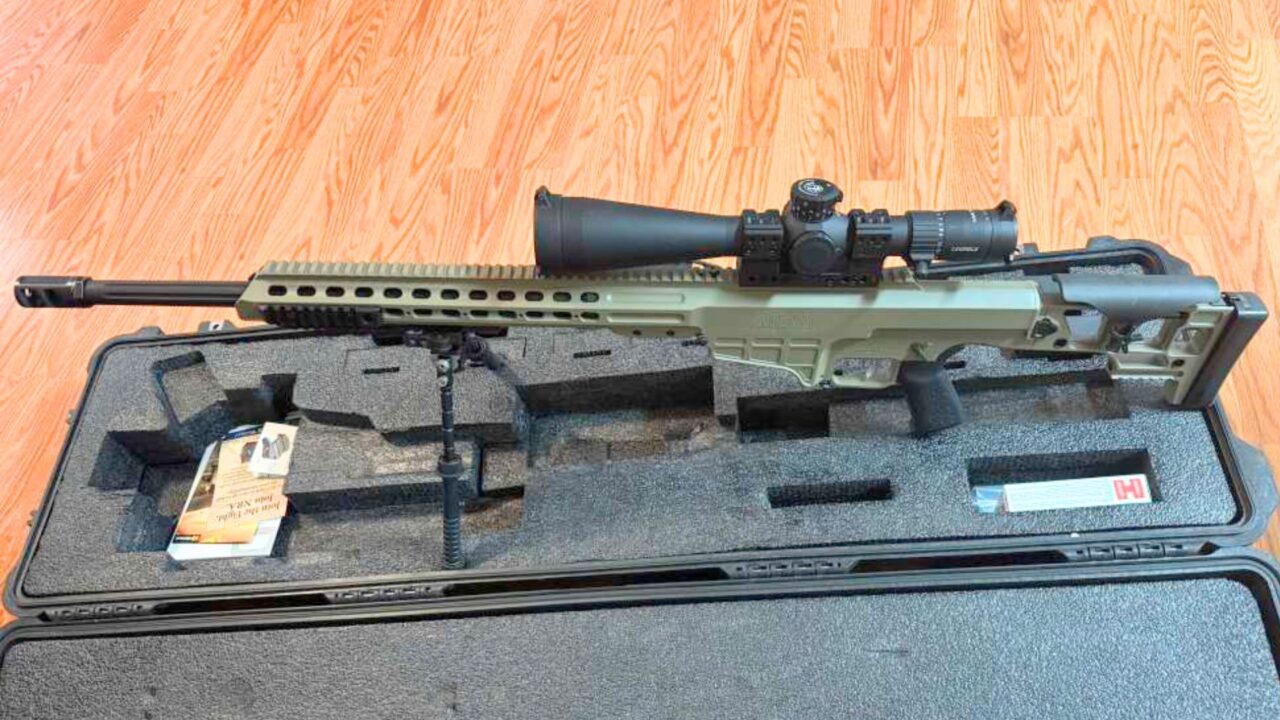
The MRAD used to get dismissed as too complex and too military-looking for normal folks. Folding stock, full-length rail, modular everything. It looked like somebody built a rifle to survive being used as a pry bar.
Now modular is the selling point. Guys want an adjustable length of pull, cheek height that matches their optic, and a rifle that packs easier in a case or truck. The MRAD is still a lot of rifle, but it’s a lot of rifle in the exact ways people now pay extra for.
4. Desert Tech SRS A2
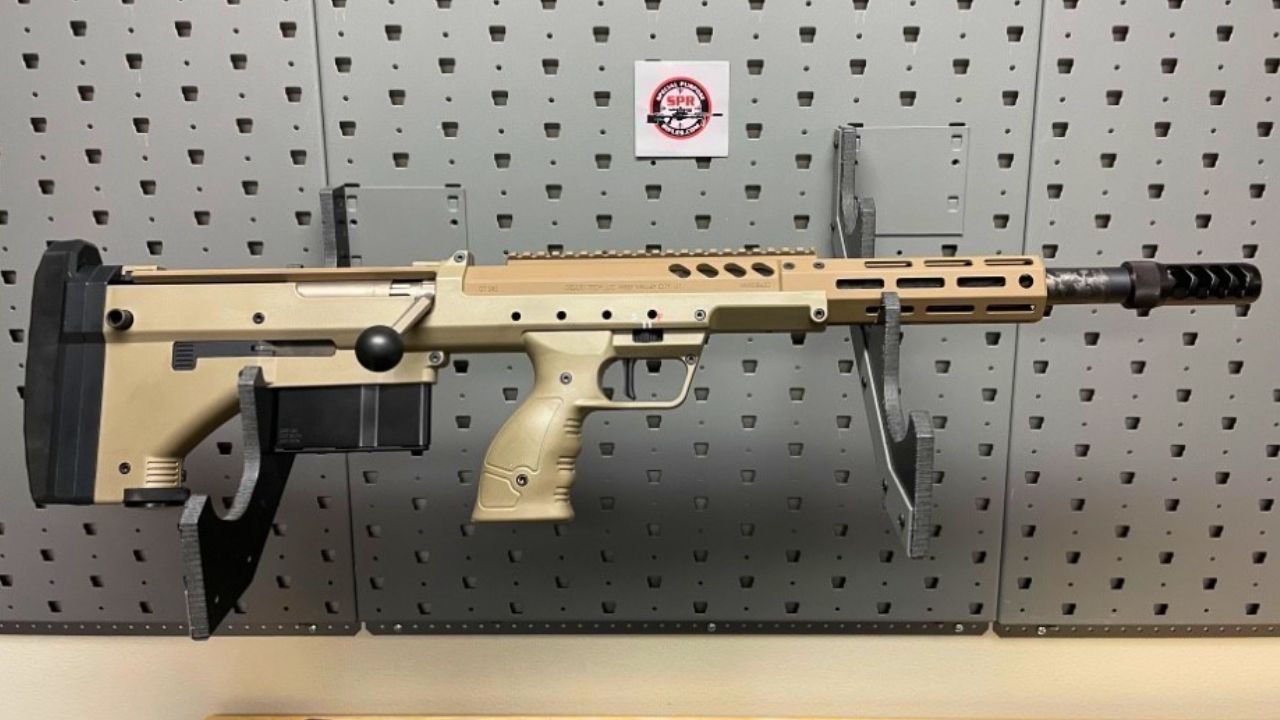
Bullpups used to be “that weird gun your buddy swears is the future.” The SRS doubled down with quick-change barrels and a layout that makes a long barrel feel short. Early on, plenty of folks just couldn’t get past the look and the trigger feel.
Fast forward and compact suppressed rifles are mainstream, especially for folks who hunt out of vehicles, side-by-sides, or tight blinds. The SRS keeps velocity without needing a telephone pole of an overall length. It’s still not for everyone, but it stopped being a novelty a while ago.
5. FN SCAR 17S
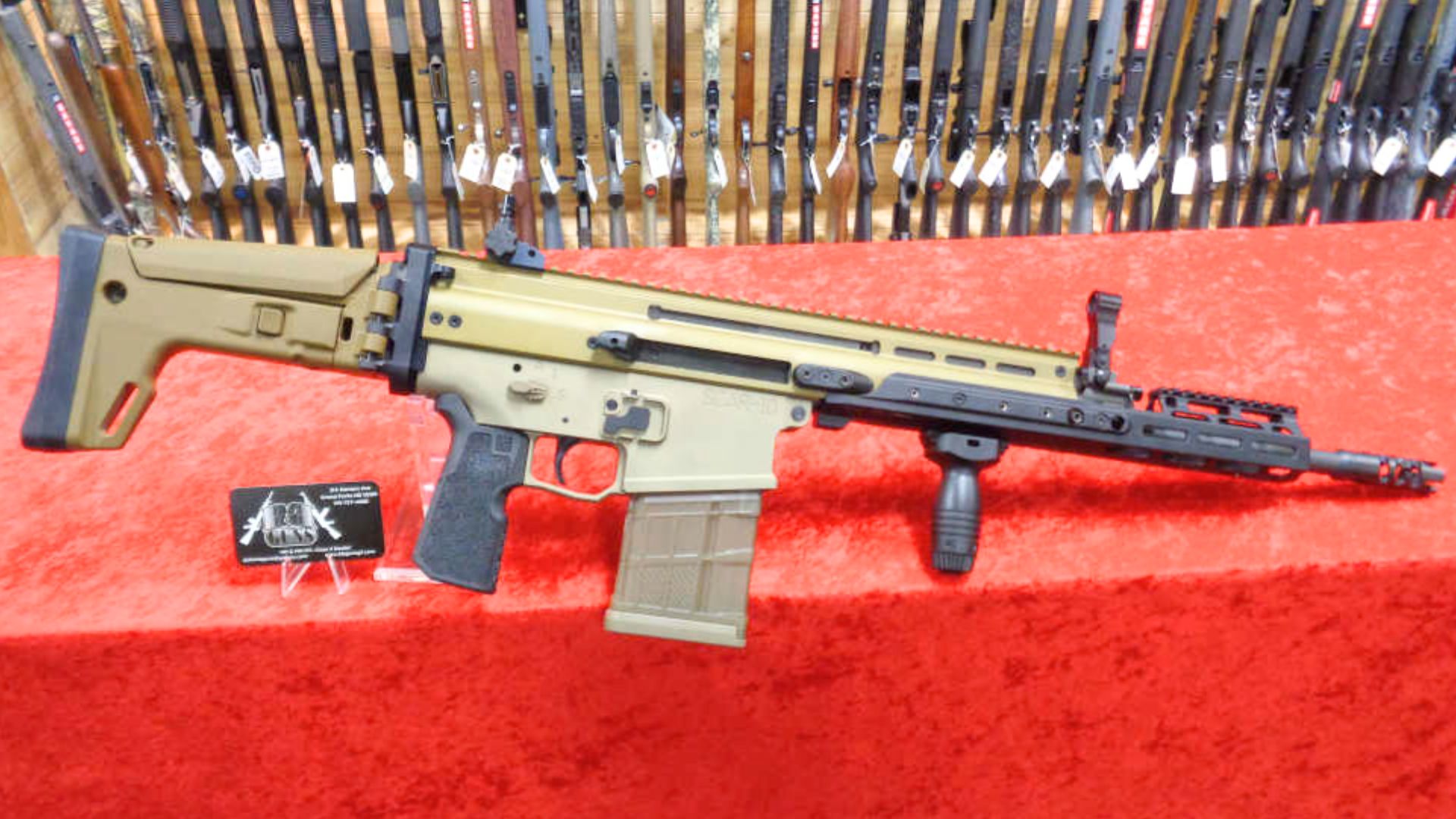
For years the SCAR 17S got teased for being expensive and “space-gun” weird. The reciprocating charging handle alone started arguments at ranges. And it never tried to be pretty.
What it did do was run. A lightweight-ish .308 that’s reliable, takes abuse, and isn’t picky is a useful thing, especially when people actually train with their rifles now. The SCAR also fits the suppressor-and-thermal world better than the old “one sling stud and a dream” hunting rifle.
6. Heckler & Koch MR762A1
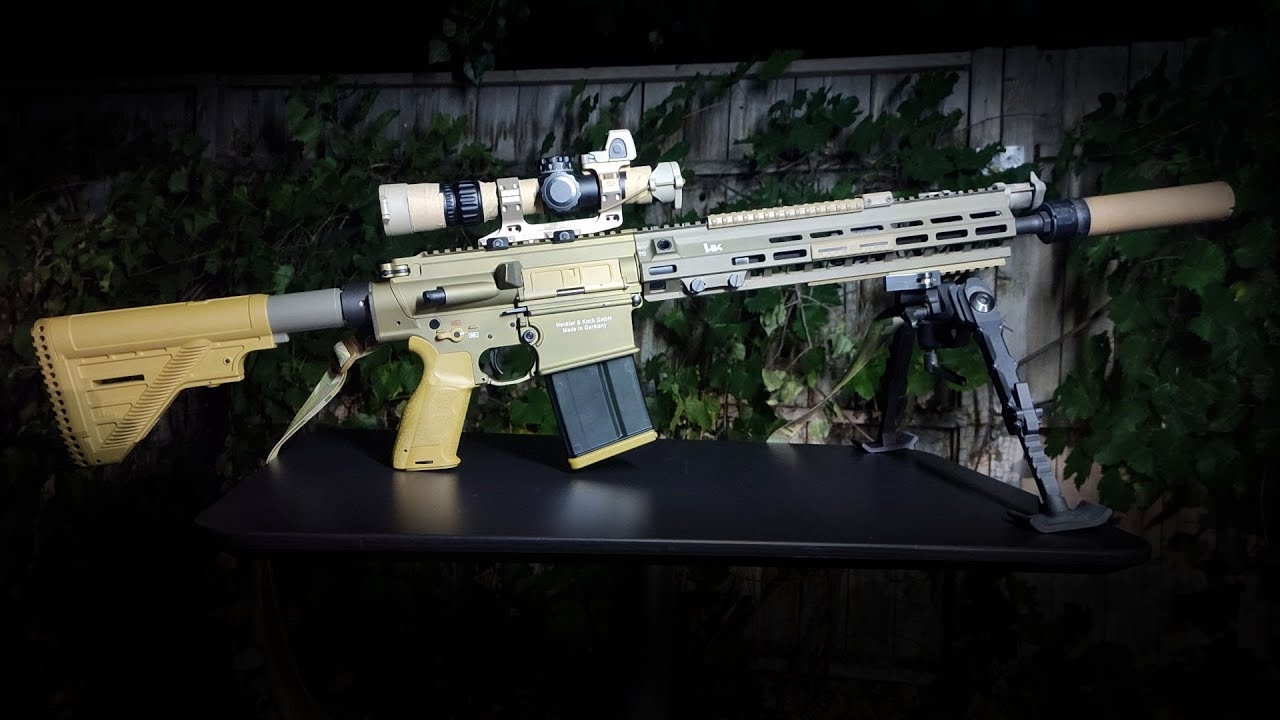
HK’s .308 gas gun has always had that overbuilt reputation—tight tolerances, robust parts, and a price tag that makes you swallow hard. It’s not the lightest and it’s not the simplest to accessorize compared to some AR-10 pattern rifles.
But the market wants durable semi-autos that don’t beat themselves to death suppressed. The MR762 is the kind of rifle that feels like it’ll outlast your interest in the latest trend. You pay for it up front, but you feel where the money went.
7. SIG Sauer MCX SPEAR (7.62×51)
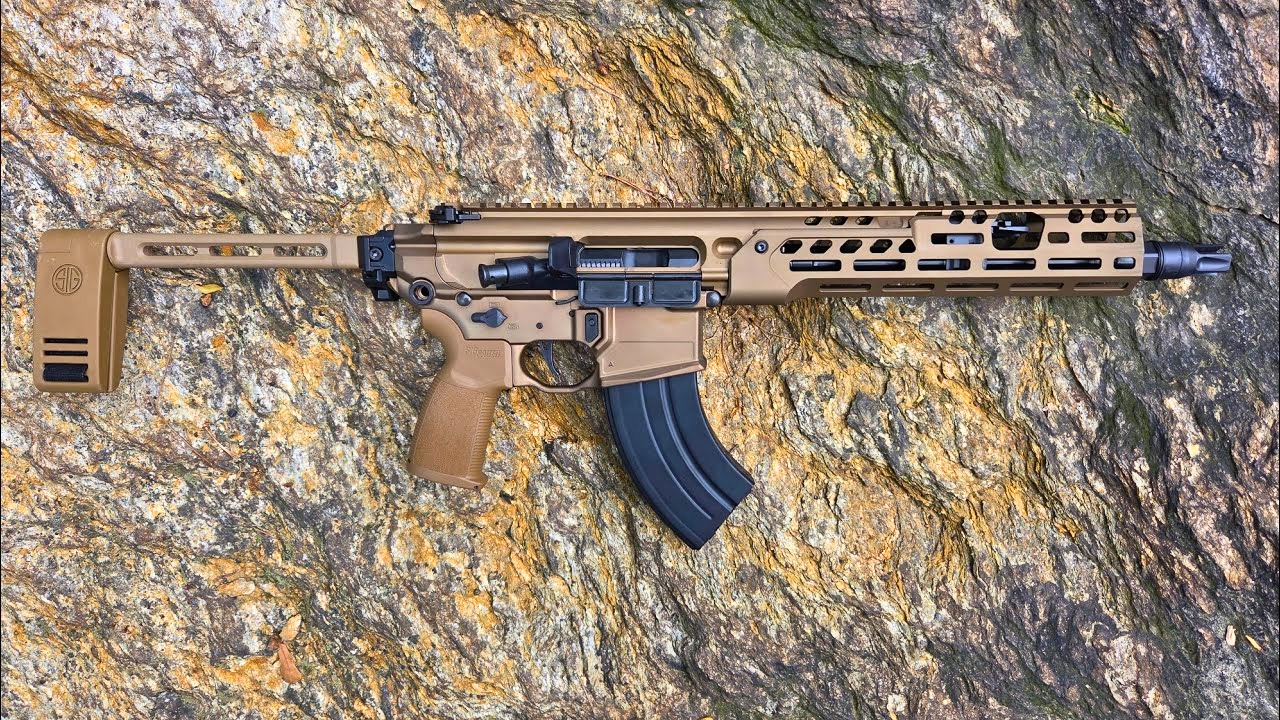
A piston-driven rifle with a folding stock, adjustable gas, and all the modern controls used to sound like too much. The early “why not just buy an AR-10?” crowd was loud, and I get it.
Now people expect adjustable gas because suppressors are everywhere. They expect a stock that fits body armor or heavy winter layers. They expect a rifle that runs clean(er) and packs down. The SPEAR is basically built for the current moment, whether you love that or not.
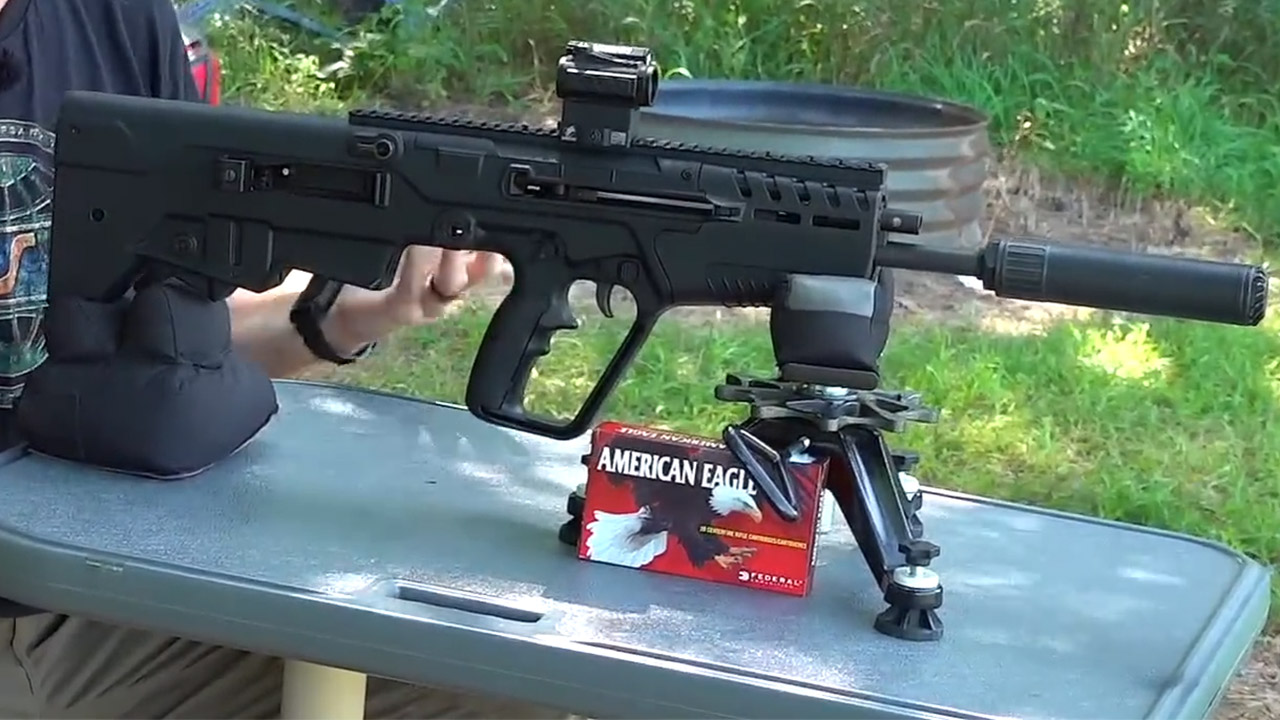
8. IWI Tavor 7
Military Arms Channel/Youtube
The Tavor layout always divided people. Some shooters pick it up and it points naturally. Others feel like they’re fighting it. And when it first hit the wider market, it got labeled as “interesting, but why?”
Why is pretty clear now: a shorter overall package in a full-power cartridge, especially when you add a suppressor. The Tavor 7 gives you maneuverability in tight spaces and thick cover without giving up barrel length like a short .308 carbine would.
9. Kel-Tec RFB
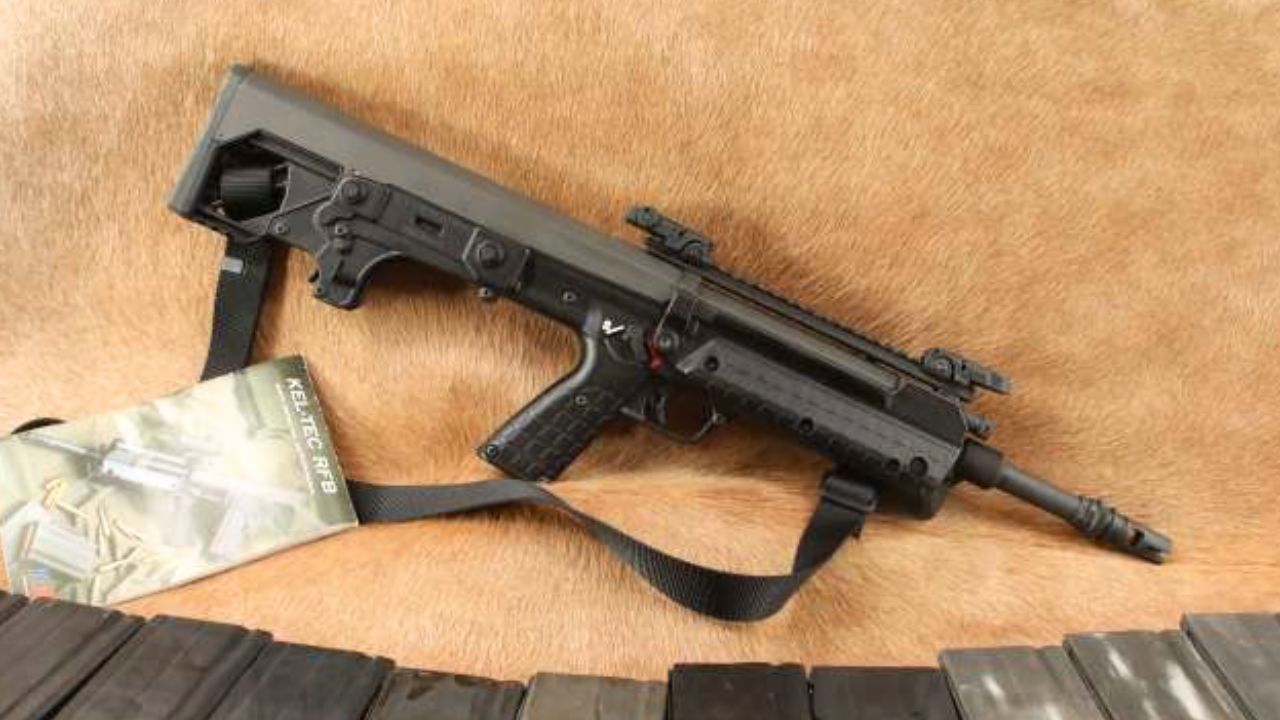
Kel-Tec has a history of making rifles that look like prototypes that escaped. The RFB, with its forward-eject system and bullpup layout, was a perfect example. Folks called it clever, then they called it odd, and plenty wrote it off entirely.
But forward ejection is not just a party trick. Left-handed shooters care. Suppressor shooters care. Anyone who’s tired of brass doing weird things around their face cares. The RFB isn’t a precision rifle, but it’s a practical answer to problems a standard layout doesn’t fix.
10. Ruger Precision Rifle
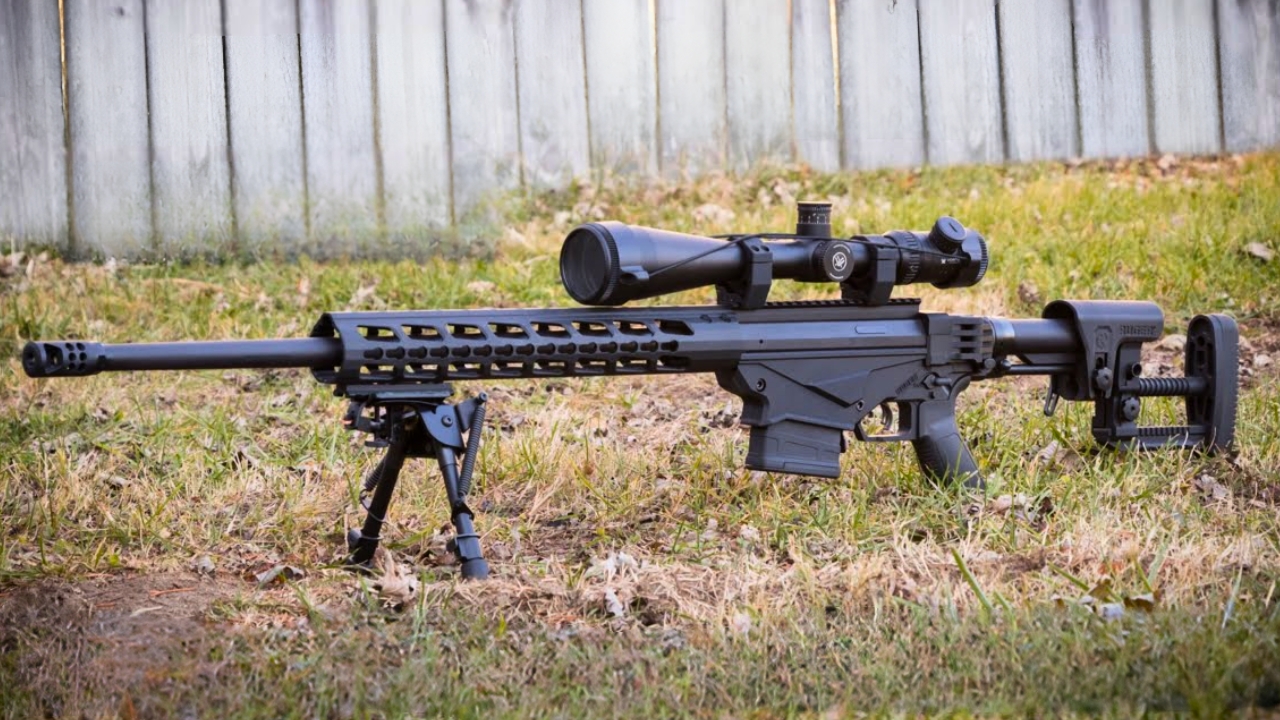
When Ruger dropped the Precision Rifle, a lot of hunters rolled their eyes. A chassis bolt gun from Ruger? With an adjustable buttstock and a big brake? It felt like a range toy built by committee.
Then people shot them. The whole idea—out-of-the-box accuracy, easy optics mounting, adjustable fit—became normal. The RPR isn’t light to carry up a mountain, but it absolutely nailed what the market was turning into: everyday shooters chasing repeatable hits at distance.
11. Savage 10 BA Stealth
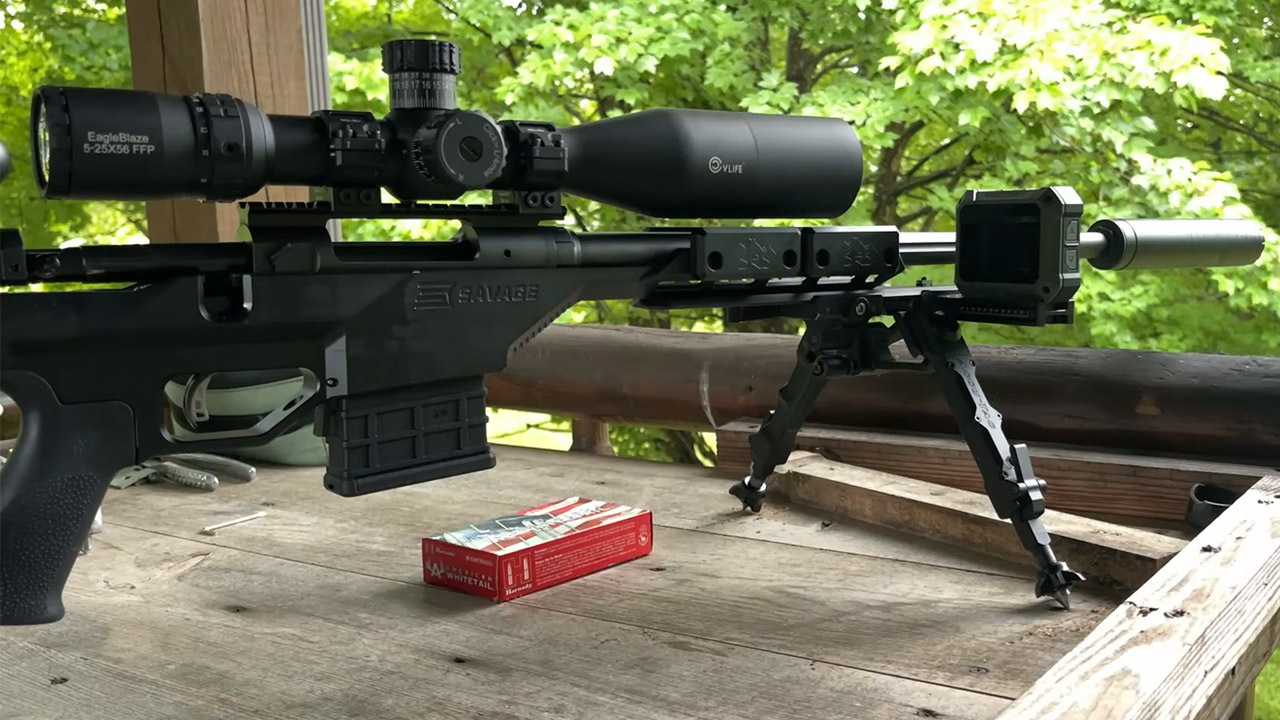
“Factory chassis rifle” used to sound like an oxymoron. The BA Stealth wore its tactical look loud, and it got plenty of jokes about being a sniper rifle for guys who only shoot off benches.
But Savage did what Savage often does: it shot well for the money. The chassis makes bedding worries pretty much disappear, and the adjustable stock makes scope height problems easier to solve. For the guy who wants to hunt some and ring steel the rest of the year, it makes sense.
12. Daniel Defense Delta 5 Pro

Daniel Defense is an AR name to most people, so a bolt gun with a chassis and a heavy barrel looked like a brand flex. It’s also not cheap, and that always draws heat.
Still, the Delta 5 Pro lines up with what buyers ask for now: smooth action, detachable mags, adjustable ergonomics, and a rifle that doesn’t need an immediate “upgrade list.” It’s a ready-to-run setup for the guy who’s done tinkering.
13. Q The Fix
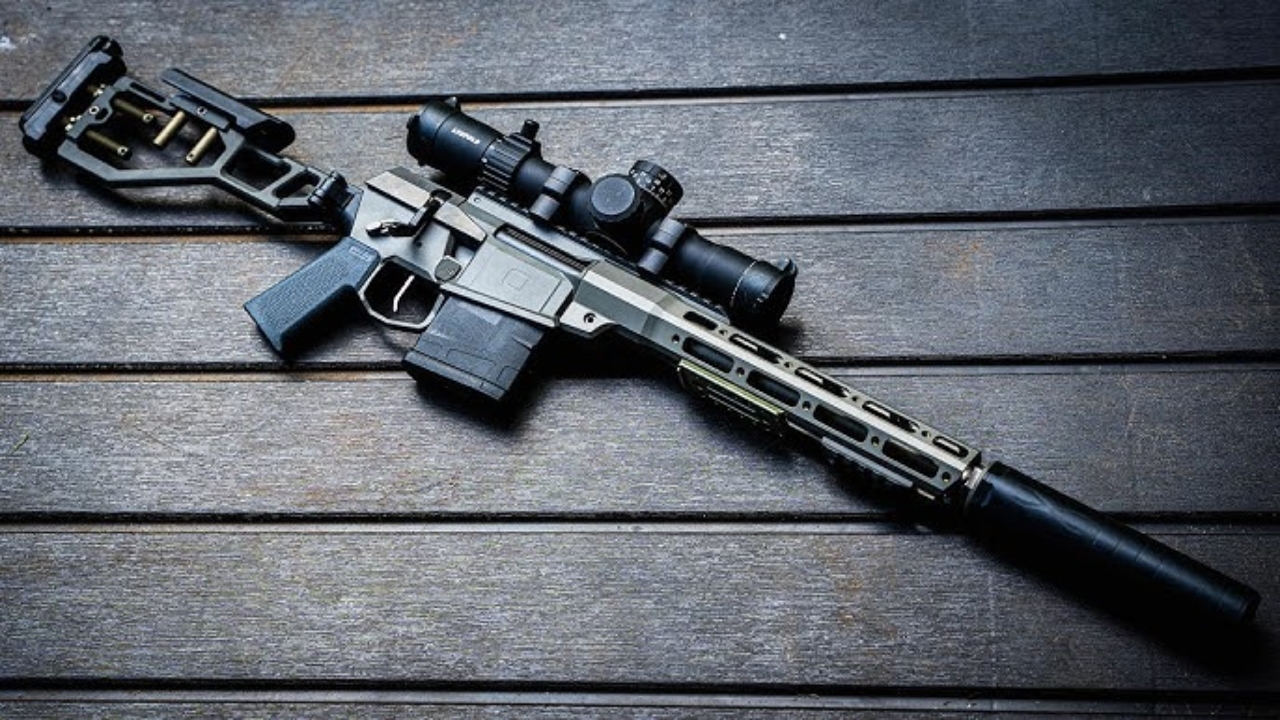
The Fix got mocked for being “too clever.” Lightweight chassis. Folding stock. Short bolt throw. It also looks like something you’d see leaning against a ruck, not hanging in a deer camp.
But the market went hard toward suppressed hunting rifles, and The Fix fits that trend like it was planned. It carries well, it balances well with a can, and it’s built around modern optics and mounting. Is it pricey? Yep. Does it solve real problems for certain hunters? Also yep.
14. SIG Sauer CROSS
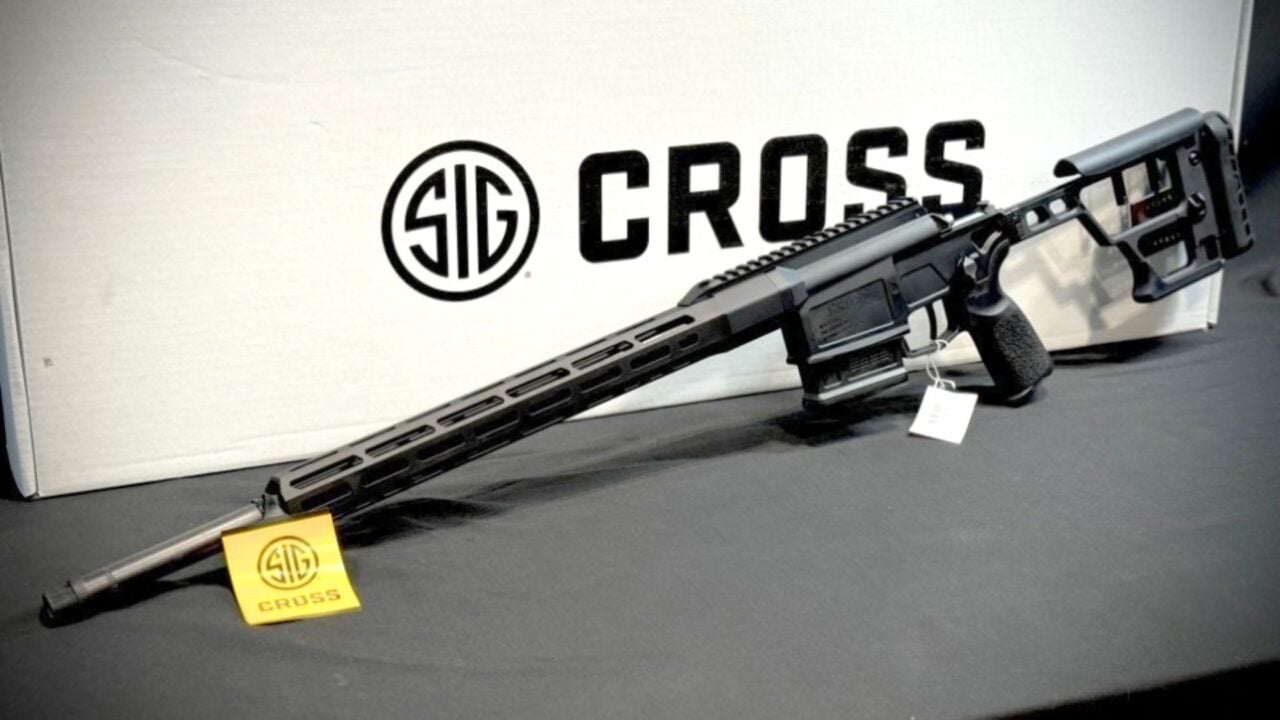
The CROSS took heat for being a folding-stock hunting rifle from a company better known for pistols and carbines. Some traditionalists just don’t like the look. Others called it unnecessary when “a good .308 bolt gun already exists.”
Then people started hiking with them. A rifle that packs small, carries easy, and still gives you decent accuracy is hard to hate when you’re three ridges deep. It’s not a benchrest rig, and it doesn’t pretend to be. It’s a modern field rifle, and that’s what a lot of folks actually want.
15. Browning X-Bolt Max Long Range
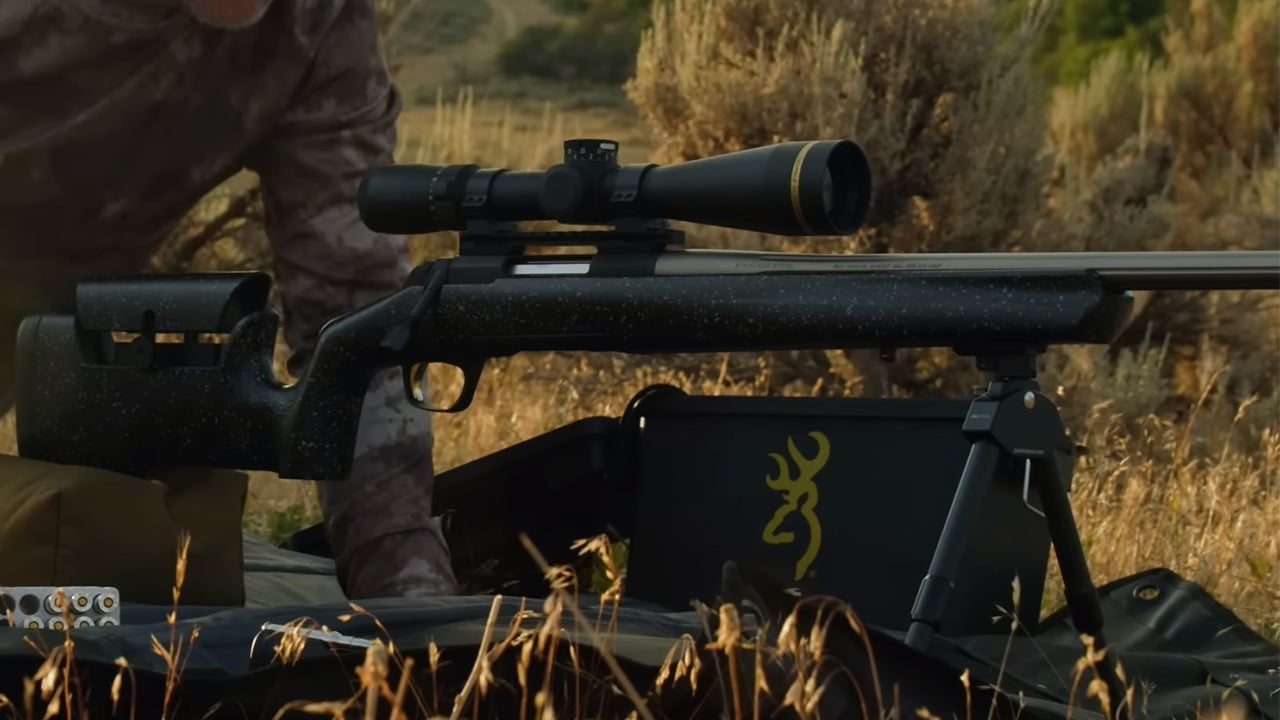
The tall comb, adjustable features, and heavy-ish barrel made some hunters grumble. For decades, Browning buyers expected sleek lines and classic styling, not a rifle that looks like it wants a bipod and a rear bag.
Now “long range capable” is a common request, even from folks who’ll never shoot past 400 yards. The Max gives you a stock that fits modern shooting positions and big glass without needing a custom build. It’s a nod to where hunting culture has gone, for better or worse.
16. Bergara B-14 HMR

The HMR lives in that middle ground that used to get roasted: too heavy for a pure mountain rifle, too “hunting” to be a full competition chassis gun. Some folks didn’t know what to do with it.
That middle ground is now the sweet spot. The B-14 HMR carries fine for most normal hunts, shoots accurately enough to make you blame yourself, and accepts common upgrades. It’s a practical rifle for guys who want one bolt gun to do most things.
17. Sako TRG 22/42
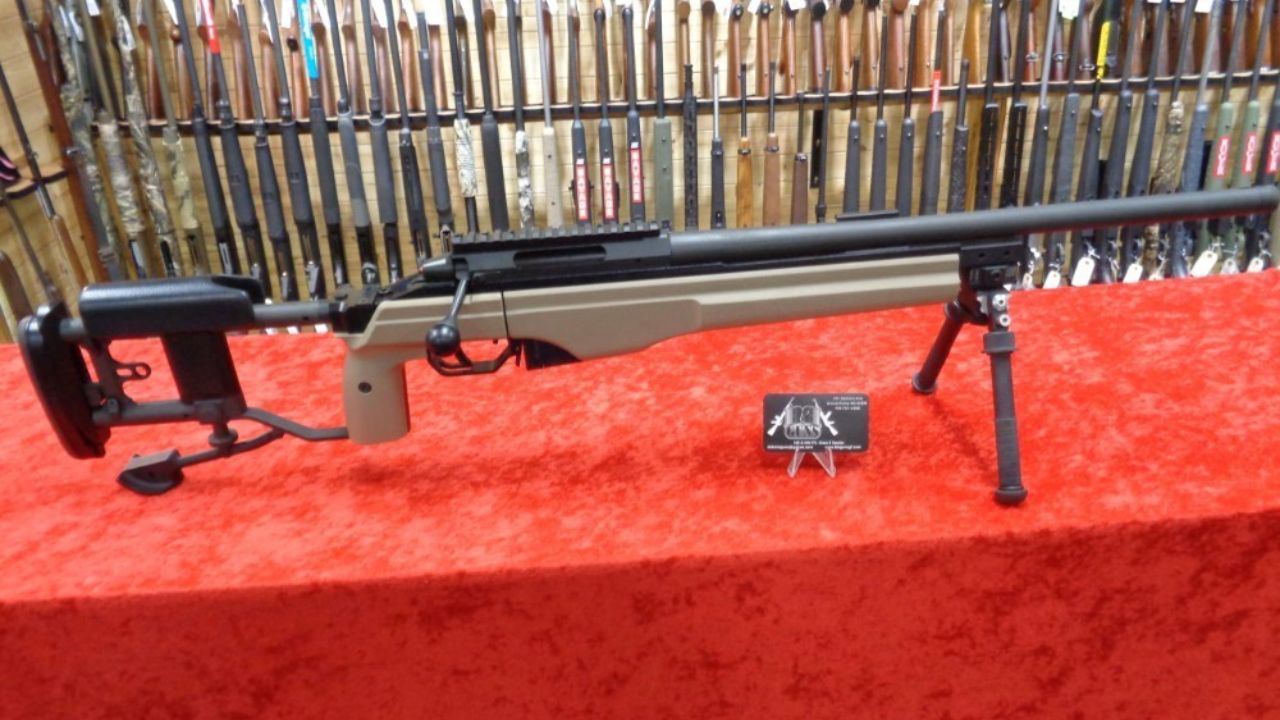
The TRG series always had that “engineer built it” vibe—smooth, precise, and unapologetically specialized. It’s not the rifle you toss behind the seat and forget about, and it’s not cheap enough to be carefree with.
But the market now appreciates refinement. When you’re running a suppressor, dialing turrets, and expecting boring consistency, the TRG delivers. It’s also one of those rifles that makes a lot of other actions feel gritty by comparison.
18. Steyr Scout
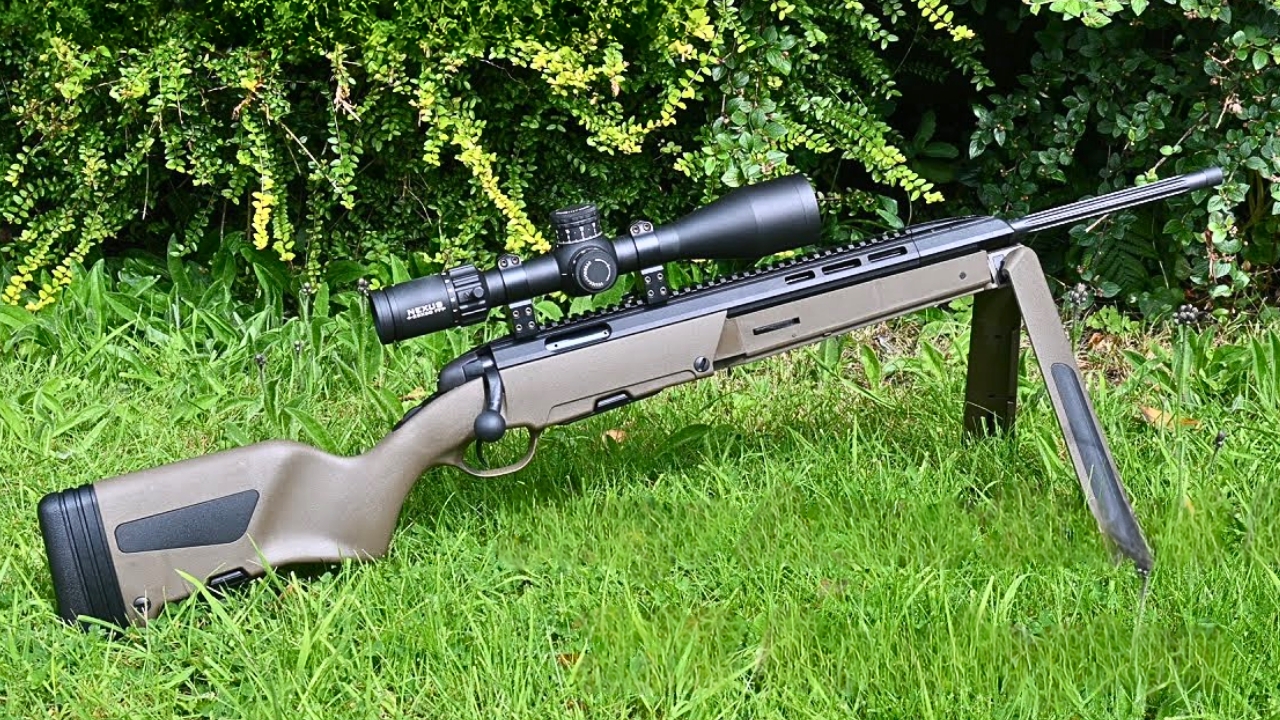
When the Scout concept was louder, a lot of folks treated it like a gimmick. Built-in bipod. Spare magazine in the stock. Lightweight with features that looked like they were solving problems nobody had.
Turns out, plenty of people do have those problems—especially hunters who travel, hike, and want a rifle that’s handy all day. The Scout still isn’t for the guy who likes traditional walnut and blued steel, but as a practical carry rifle, it’s hard to dismiss.
19. Springfield Armory M1A SOCOM 16
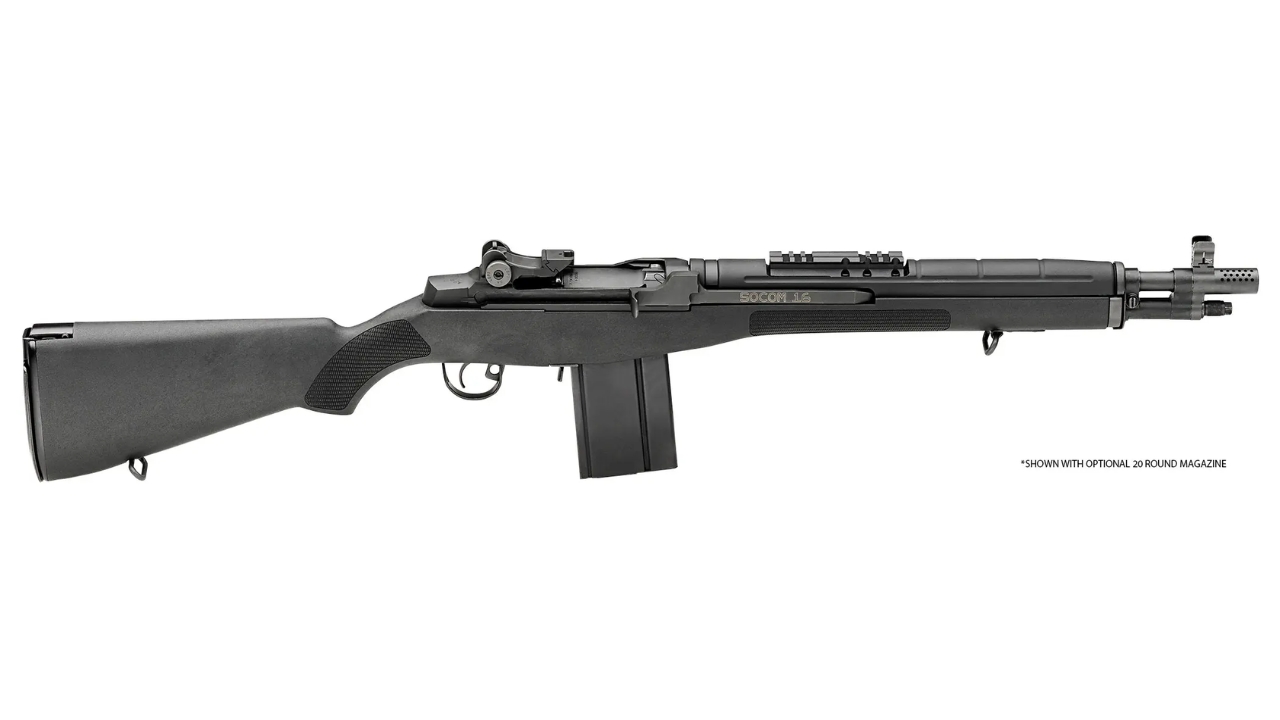
The SOCOM 16 caught plenty of grief. Short barrel on a .308, muzzle device that looks like it belongs on a different planet, and the whole “modernized M14” thing that makes some purists grumpy.
But a handy .308 that shoulders fast and runs with iron sights is appealing again, especially as more shooters get interested in durable, general-purpose rifles. It’s not the easiest to scope compared to modern platforms, but the demand for rugged, shootable classics is real.
20. HK SL8 / G36-style civilian variants

The SL8 and its cousins were easy targets: odd styling, proprietary vibes, and a “why does this exist?” feeling when ARs were cheaper and everywhere. It looked like a gun designed by someone who hates standardization.
Now, the same features that annoyed people—different operating system, distinct ergonomics, robust polymer construction—make it appealing to buyers tired of samey rifles. It’s not the most practical choice for everyone, but the market has room again for rifles that are different and built like they expect hard use.
The funny part is none of these rifles changed to become more desirable. Shooters changed. Suppressors, optics, training culture, and the idea of owning one rifle that does a lot of jobs pushed “overengineered” into “well thought out.” You still have to pick what fits your kind of hunting and your kind of shooting, but I wouldn’t be so quick to laugh at the complicated stuff anymore. A lot of it aged better than the simple rifles we all assumed would be around forever.
Like The Avid Outdoorsman’s content? Subscribe to our newsletter so you never miss an article.
Here’s more from us: