
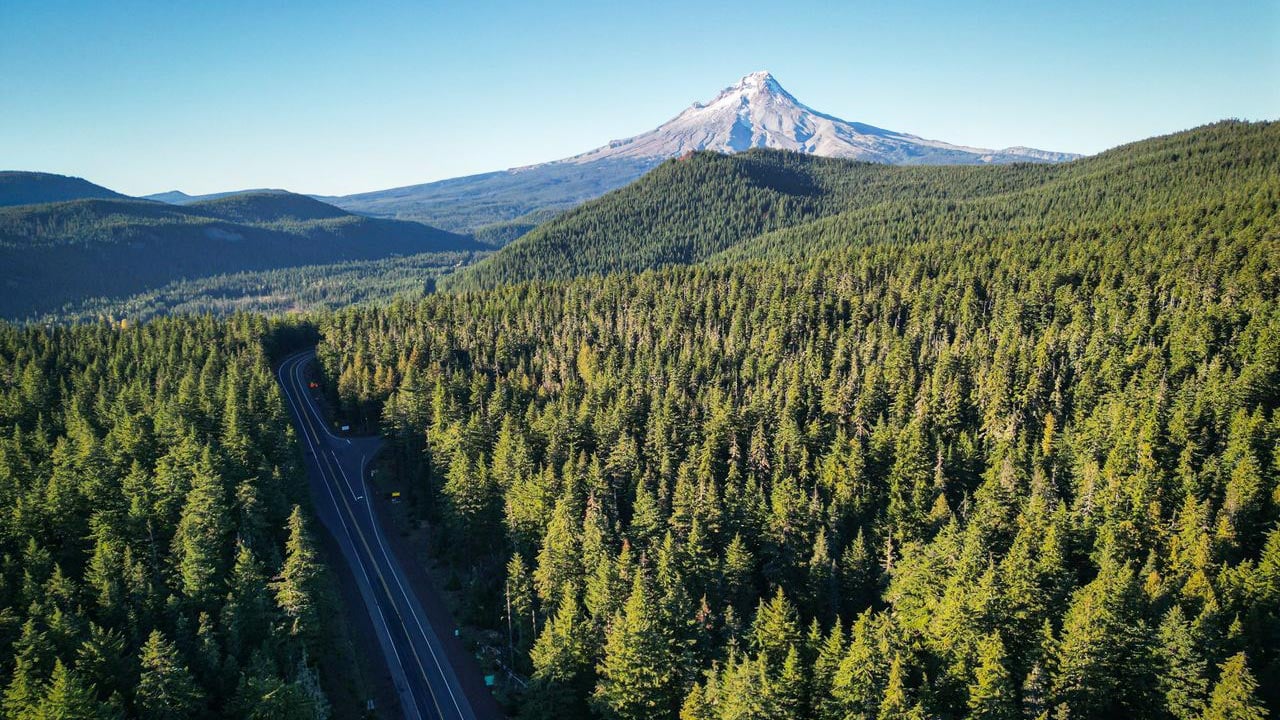
Photo credit: Ertabbt/Pexels.com
If you have been hunting the same spots for 10 or 20 years, you do not need a spreadsheet to tell you what is happening. The gate that used to be open has a keypad now. The “for sale” sign turns into survey flags, then a dozer shows up, and a year later there are streetlights where you used to glass a bean field for does.
The hardest part is how quiet it all is. It is not one big public-land selloff you can point at. It is a thousand little cuts: subdivision roads that cut travel corridors, “recreation tracts” that get posted the minute they close, and lease rates that climb so fast regular working folks get squeezed out. Below are 20 states where the squeeze is happening fast, and what it looks like on the ground for hunters trying to keep access, keep safety, and keep tradition alive.
1. Texas
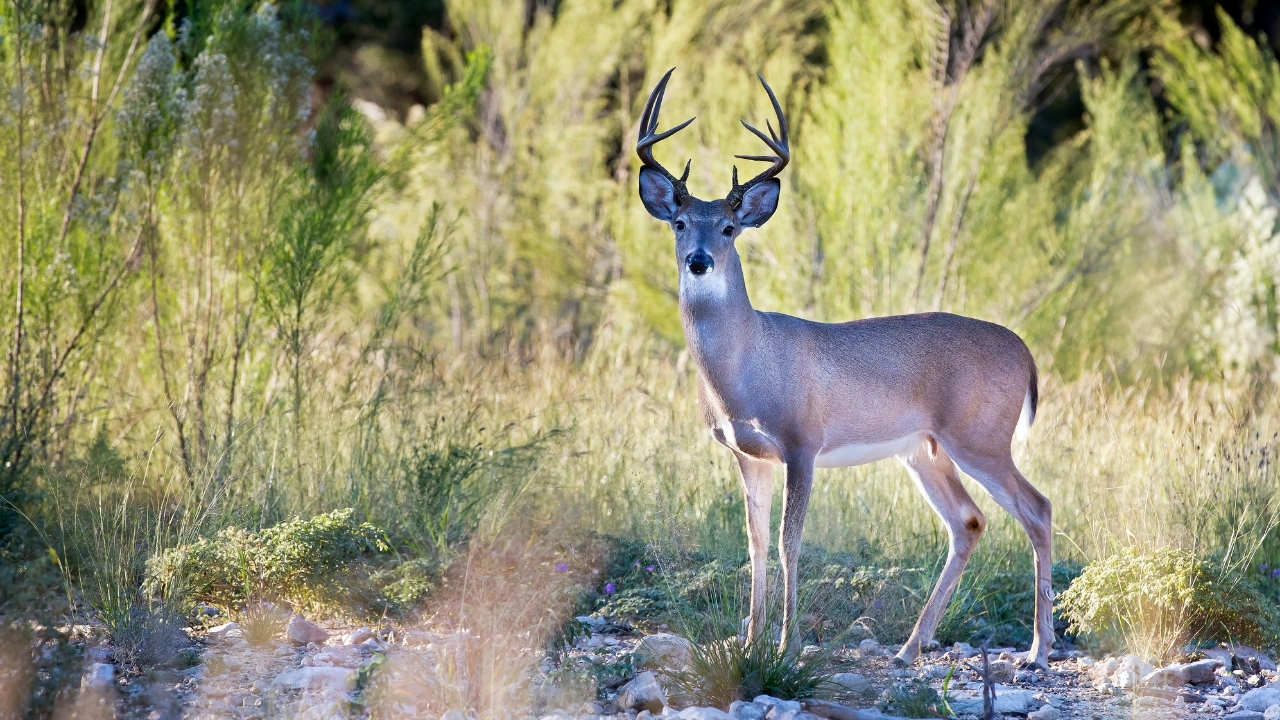
Texas has always been a private-land game, but the pace of growth is what is different now. When a ranch gets carved into ranchettes, the deer do not vanish overnight, but the hunting does. Ten new owners means ten different opinions about rifles, stands, and “who is that truck on my road?”
A good lease used to be a handshake and a cooler of meat at Christmas. Now it is often a contract, higher rates, and zero tolerance for “my buddy wanted to bring his cousin.” If you have a place, treat it like it is fragile—because it is.
2. Florida
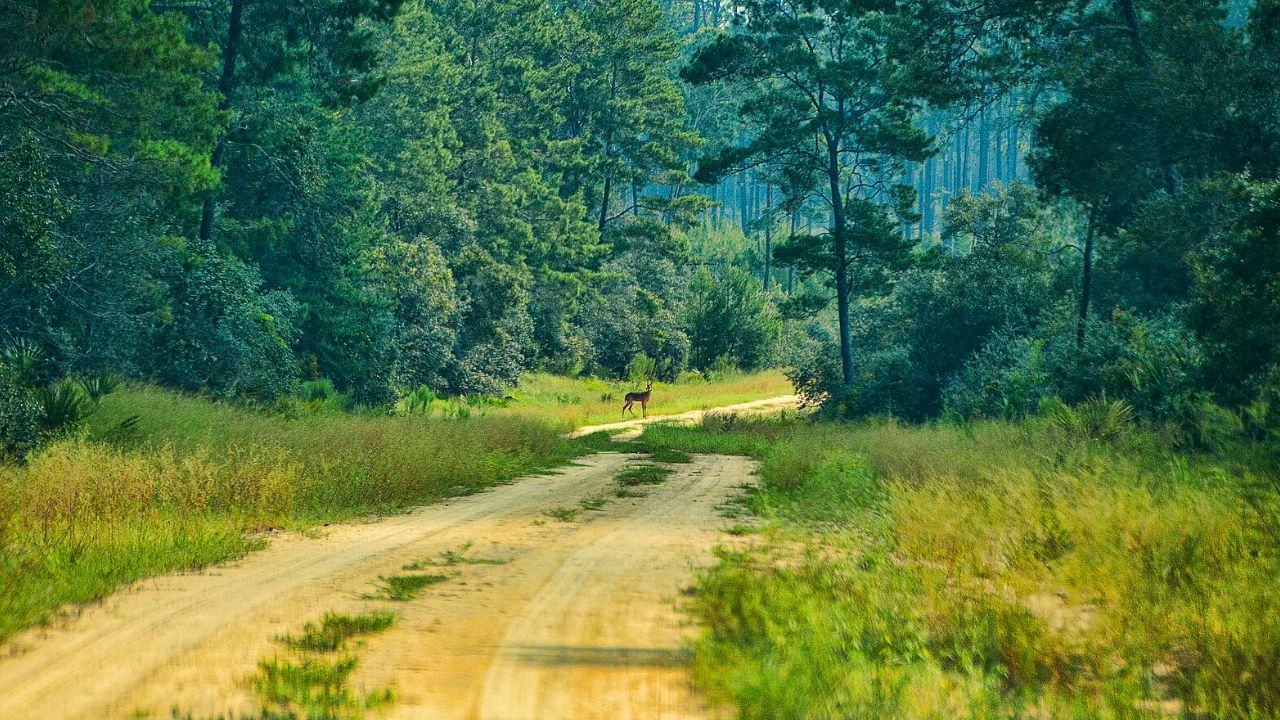
Florida loses woods to rooftops like few other places. Pine flats that used to hold pigs and deer get turned into retention ponds and “preserves” you cannot set foot in. Even where public land exists, the pressure ramps up when nearby private land disappears.
And Florida has a lot of water access headaches, too. A canal bank that was “nobody’s problem” becomes somebody’s backyard overnight, and suddenly you are dealing with posted signs and folks who think any boat near their dock is trespassing.
3. North Carolina
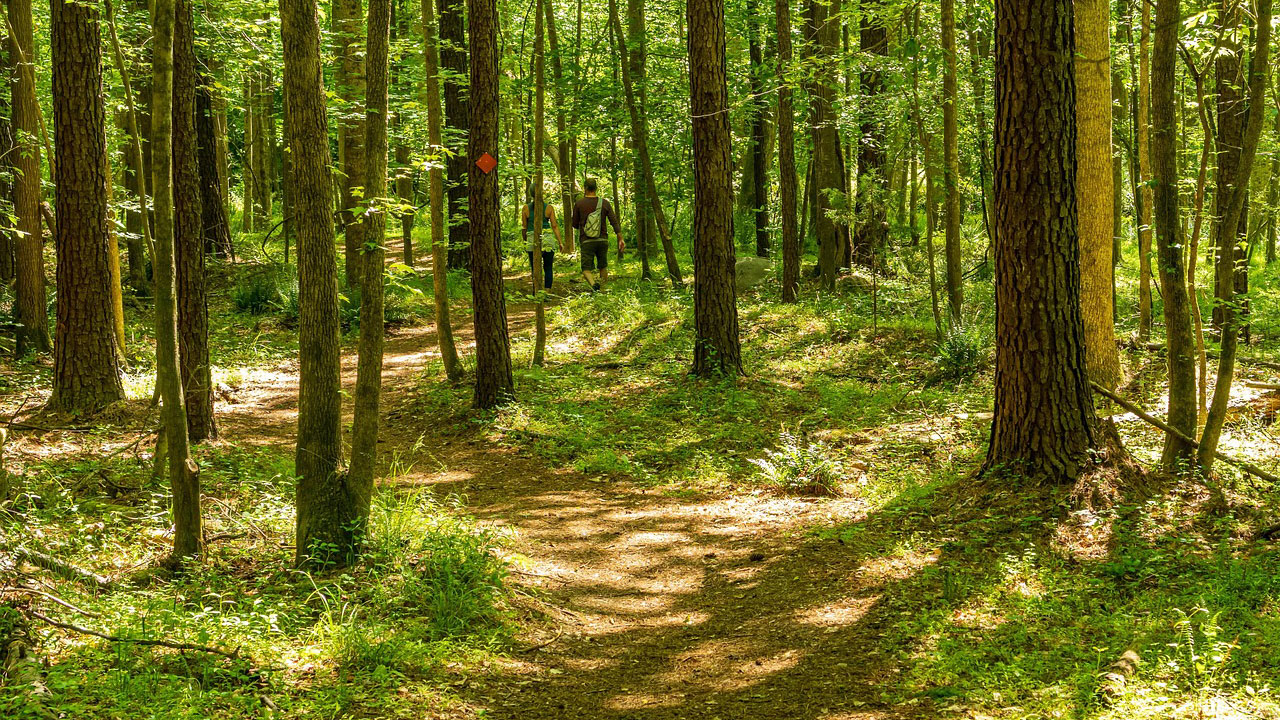
North Carolina’s growth corridors are chewing up the edges of the best mixed habitat—farm fields, timber cuts, and creek bottoms. That mix is exactly what whitetails like, and it is exactly what developers like because it is buildable, drainable, and close to highways.
The other thing that changes fast is tolerance. A property owner who used to be fine with a couple hunters may sell to someone who calls the sheriff over a truck door shutting at 5 a.m. It is not personal. It is just the new normal.
4. Georgia

Georgia still has strong hunting culture, but the sprawl around job centers is pushing into old-family timber ground. The land that stays as timber can still hunt well, but access gets tricky when parcels shrink and boundaries multiply.
Small parcels create big problems: short shots, sketchy backstops, and neighbor relations that go sour after one “I thought I was still on my side.” In tight country, mapping apps and clearly marked lines are not optional anymore.
5. Tennessee

Tennessee’s mix of ridges, hollers, and river bottoms can handle pressure, but it cannot handle being chopped into five-acre lots with a dog in every yard. Deer adapt, but hunting becomes a different sport when every ridge has a house tucked into it.
Lease prices are also creeping up, and not always because the land got better. It is because there are fewer big blocks left within reasonable driving distance, and everybody is competing for the same remaining options.
6. South Carolina

South Carolina has long had a lease culture, especially around timber and plantation-style properties. What is changing is how many of those blocks are being converted to mixed-use developments and gated communities, particularly near coastal areas and commuter routes.
When that happens, it is not just deer land that goes away. Small-game cover gets manicured, and the “in-between” places—ditch lines, field edges, cutovers—get turned into ornamental landscaping that looks green but hunts dead.
7. Virginia

Virginia is a poster child for the “one more subdivision” problem. Even where deer numbers stay high, access drops fast as farms get sold and broken apart. You can have more deer than ever and less room to hunt them safely.
Archery becomes the default in many areas because of proximity to homes, which is fine if you are set up for it. But if your old rifle spot is now a cul-de-sac, that tradition is gone, and it is not coming back.
8. Maryland

Maryland’s development pressure squeezes hard because the state is not huge, and the good ground is often close to population centers. Private permission gets harder, and public areas get crowded, especially during peak weekends.
One thing I hear more and more from Maryland hunters is the “new owner reset.” You spend years building trust with one family, then the property sells, and you are back to knocking on doors like a stranger.
9. Pennsylvania

Pennsylvania has big woods, but the best hunting is not always in the biggest woods. It is in the mixed farm-and-timber country where deer feed and move all day. That is the exact land that gets converted first because it is gentle terrain with road frontage.
Even when a farm stays a farm, posted acreage can jump. Liability worries and bad experiences with trespassers make landowners shut it down for everyone, including the respectful hunters who never caused trouble.
10. Ohio

Ohio’s whitetail reputation brings pressure, and pressure brings money. Good habitat near towns gets bought up fast, and the first thing that happens is usually a fence and a set of signs. The next thing is a driveway and a house.
If you hunt permission in Ohio, the relationship side matters more than ever. Help with chores, be consistent, and communicate. When the landowner starts getting offers, you want to be the “safe, reliable” option, not just another request.
11. Michigan

Michigan has public land, but it is not evenly distributed for the kind of hunting most people want close to home. Around growing areas, the small private woodlots and the edges of ag land are where deer pile in. Those are also the first to get developed.
Up north, the story is often second homes and short-term rentals turning quiet areas into busy ones. More traffic, more “No Trespassing,” and less willingness to let somebody park a truck by the two-track like they have done for years.
12. Wisconsin
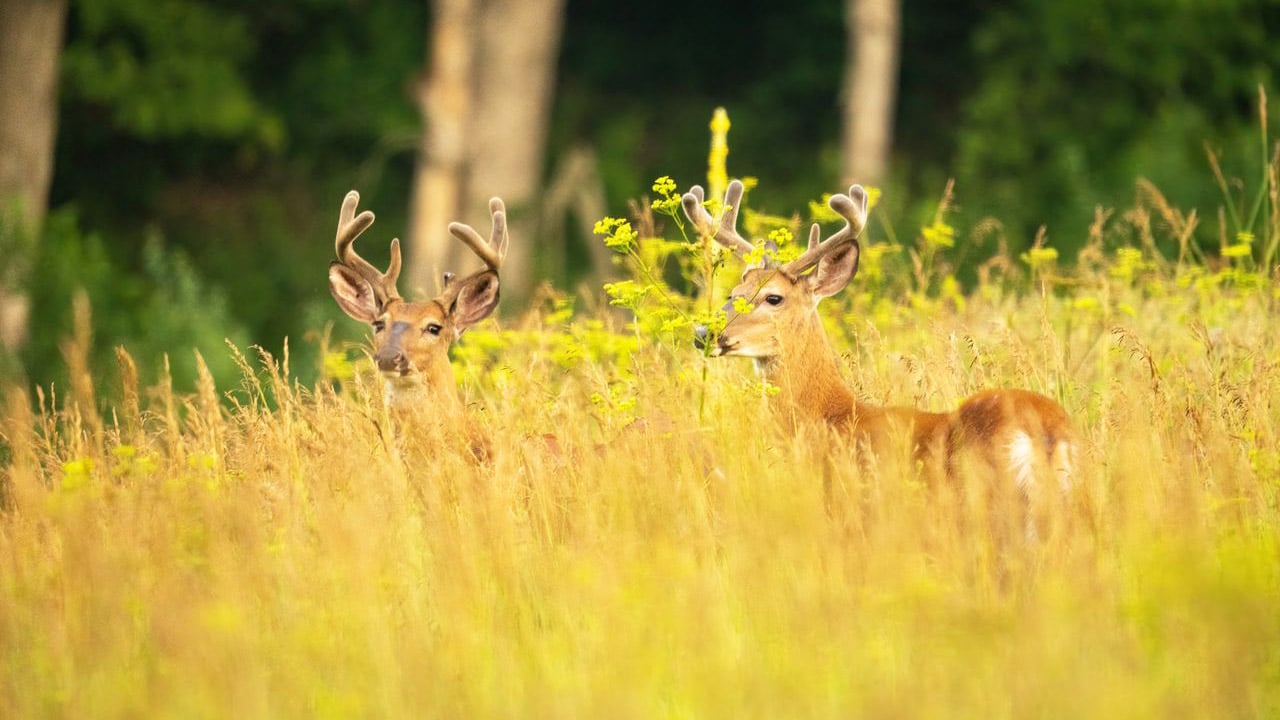
Wisconsin’s deer culture runs deep, but the land map is changing. Suburban growth and hobby farms turn larger blocks into scattered pockets. Deer still travel those pockets, but hunters lose the ability to manage wind and entry routes without crossing somebody else’s corner.
And once access gets tight, stands get set closer together, shots get rushed, and tempers get short. It is not just about losing land. It is about losing the space that keeps hunting calm and safe.
13. Minnesota
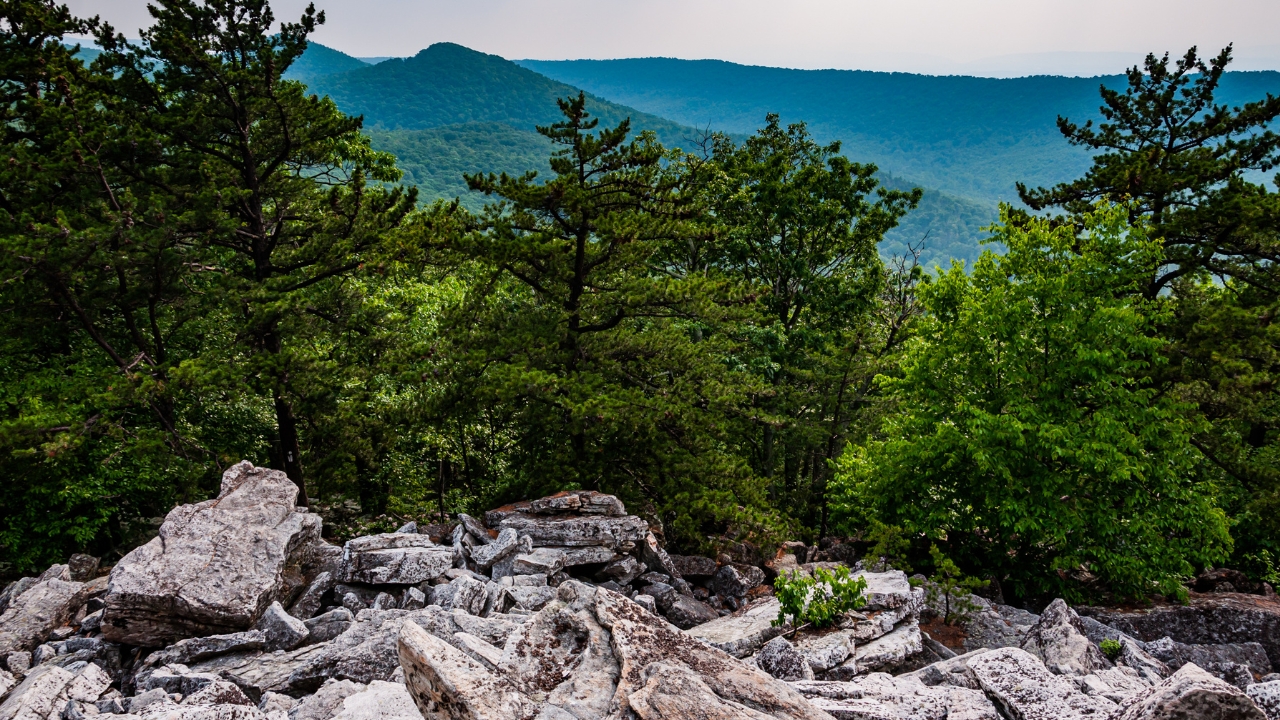
Minnesota has a strong outdoor identity, but development around lakes and “recreation country” can gut the very habitat folks moved there to enjoy. When shorelines get built up, you lose corridors for deer, and you lose quiet access routes for hunters.
Another issue is the slow conversion of marginal farm ground and brushy edges into “clean” properties. Clean looks nice. Clean does not hold grouse, rabbits, or pheasants the way a rough, weedy edge does.
14. Colorado

Colorado’s problem is not just houses, it is the way growth blocks access. A new subdivision at the base of a foothill can cut off the informal route hunters used to reach public land. You still “have public,” but getting to it becomes a headache.
On the Eastern Plains, big tracts get turned into smaller ones, and the handshake permission culture gets replaced with paid access or nothing at all. If you grew up hunting birds behind a buddy’s house, you know how fast that can disappear.
15. Idaho
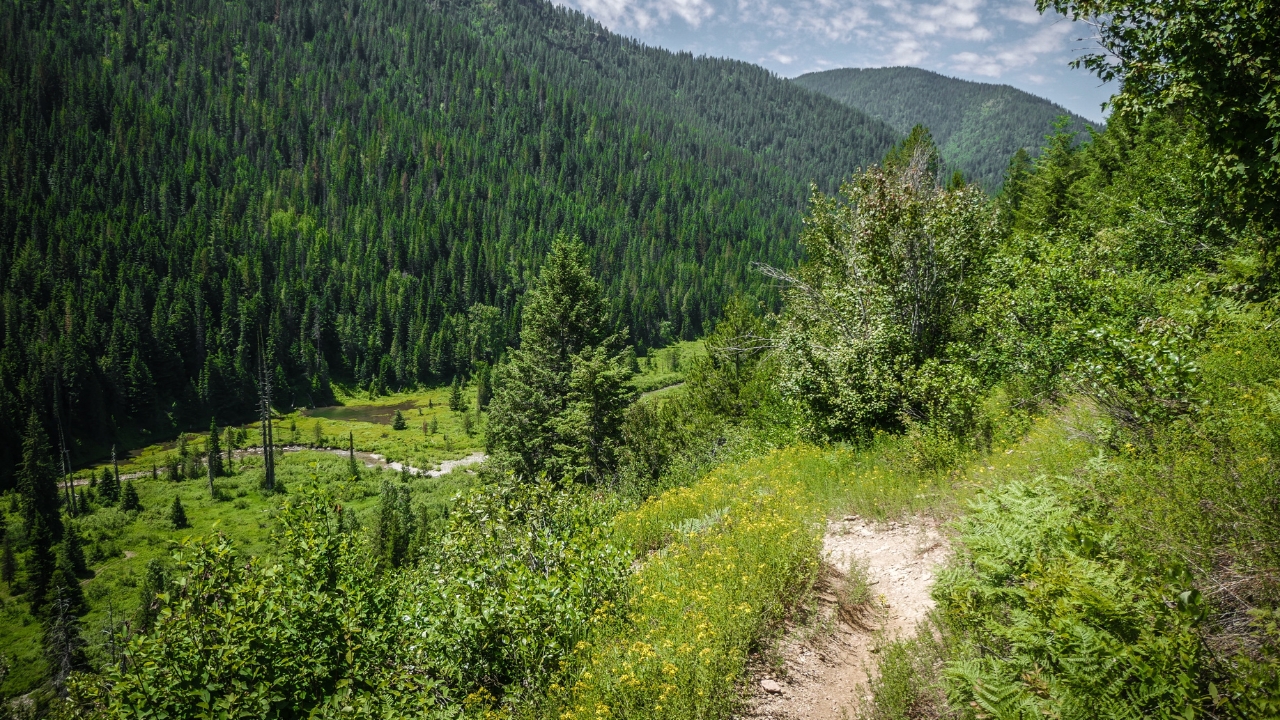
Idaho has been feeling a land rush for years now. Valleys that used to be working ground—alfalfa, pasture, hay—are getting subdivided, and those valleys are exactly where deer and elk want to be during certain parts of the year.
When that valley access goes away, hunters get pushed higher and tighter into the remaining public pieces. That increases pressure, increases conflicts, and it can sour local attitudes toward out-of-state plates in a hurry.
16. Montana

Montana still looks wide open until you start counting “No Trespassing” signs along river bottoms and foothills. Development is part of it, and so is the change in who owns the land. When a property becomes a high-dollar retreat, the hunting might still happen, but it is no longer community hunting.
Another quiet change is roads getting gated. A road that was “always used” can become private overnight when ownership changes. That shifts pressure and can create long walk-ins that are fine for some hunters and impossible for others.
17. Arizona

Arizona’s sprawl pushes outward into desert and foothill country, and the impacts are not always obvious until you try to hunt it. Washes get rerouted, new fencing pops up, and the little access points you used to park at become “resident only” areas.
Water is a big deal here. Development changes how wildlife moves around water sources, and it changes how hunters can approach those areas without running into houses, dogs, and people hiking with earbuds in.
18. Nevada

Nevada has a lot of public land, but the huntable pieces near where people actually live can get pinched by growth and access restrictions. A new industrial park or housing tract can take away the practical entry points that made a unit doable for weekend hunters.
Then there is the human factor: more recreation use. Side-by-sides, target shooters, hikers—everybody stacks on the same ground. Even when development is not directly taking habitat, it changes how huntable it feels.
19. Washington
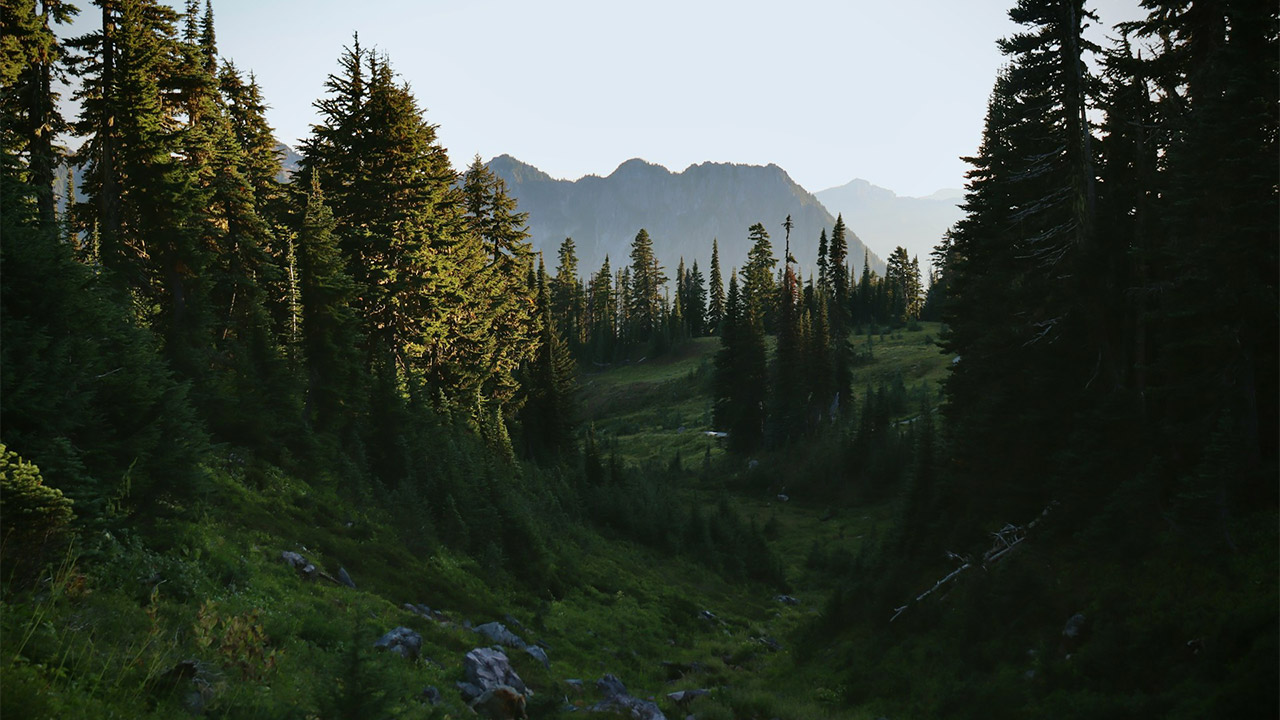
Washington’s growth pressure is intense in many areas, and it hits hunting from two angles: development and ownership changes. Timberland that used to allow some access can switch policies, and suddenly your old bear or blacktail route is closed off.
On the east side, agricultural edges can turn into housing fast, and those edges are where whitetails and mule deer like to feed. When that goes away, deer relocate, and hunters end up competing harder in the remaining pockets.
20. Oregon
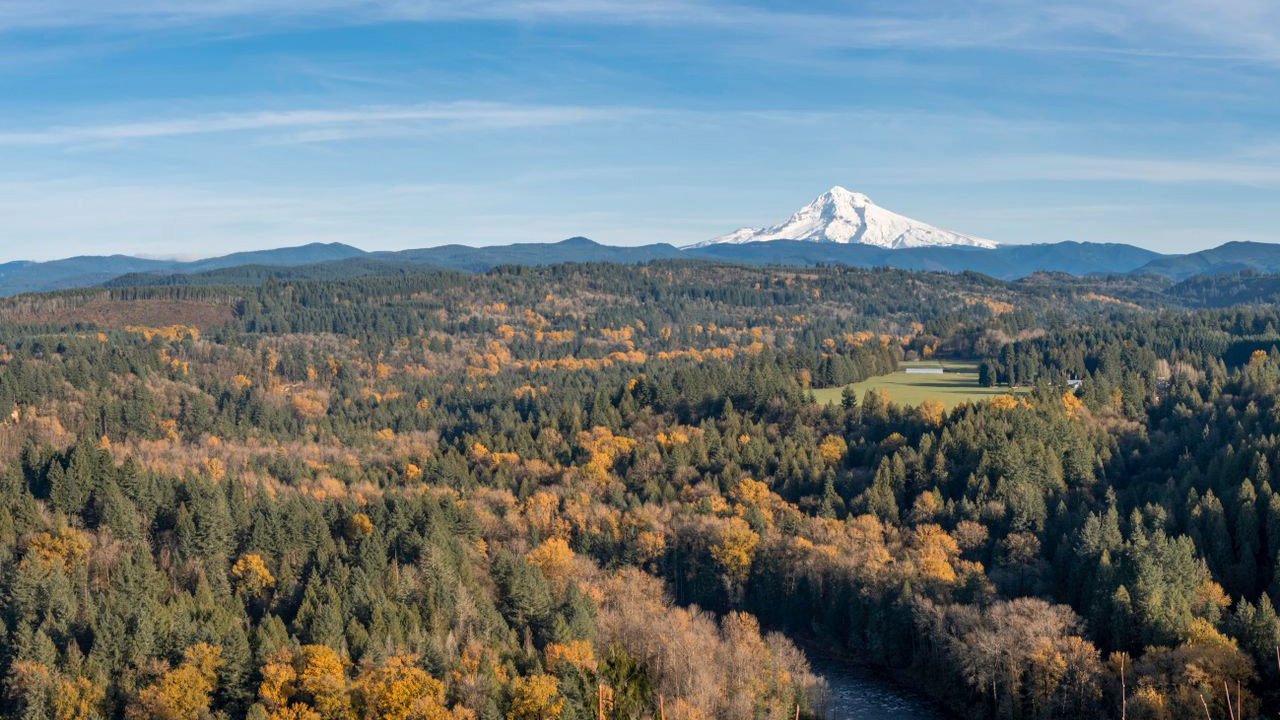
Oregon has a similar mix of timber access changes and expanding communities. When the easy access disappears, the pressure concentrates on the pieces that remain open, and that can make a good general-season hunt feel like you are sharing the woods with half the county.
In some places the “development” is not just houses, it is infrastructure—new roads, new utility corridors, new traffic. Wildlife adapts, but it changes movement patterns enough that your old honey hole turns cold without any obvious reason.
If you want to protect your hunting future, the play is not complicated, just hard: lock down permission early, treat landowners like partners, and be the hunter who never creates a problem. Support access programs where they actually work, show up at local meetings when a big tract is on the chopping block, and teach young hunters how to navigate boundaries and respect them. Nobody gets to freeze time, but we can stop pretending the land will always be there just because it always has been.
Like The Avid Outdoorsman’s content? Subscribe to our newsletter so you never miss an article.
Here’s more from us:


