Photo credit: TheColtFirearms/Youtube
Spend enough time around a gun shop and you start noticing a funny pattern. The counter gets stacked with the same best-sellers over and over: the current “value” striker-fired 9mm, the basic AR, the latest micro-compact. They sell because they’re easy to explain, easy to stock, and easy for a customer to justify in five minutes.
But start talking to the guys and gals who actually fix the things for a living, and the conversation changes. Gunsmiths see what breaks, what wears out, what is a nightmare for parts, and what keeps running even when it’s dirty, banged up, and riding behind a truck seat. A lot of what they personally hang onto isn’t what moves fastest across the counter. Here are 20 specific guns I’ve seen gunsmith types quietly keep for themselves—and why.
1. Ruger GP100 (4-inch, .357 Magnum)
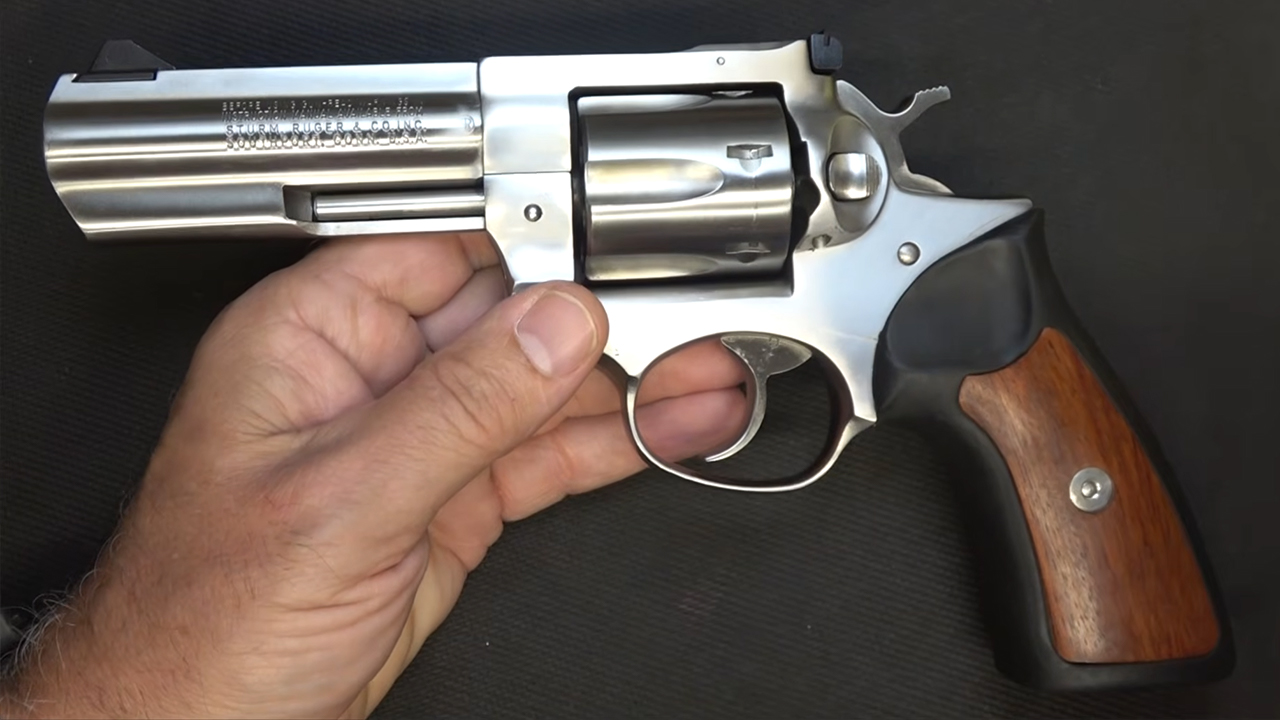
There’s a reason you’ll see a well-worn GP100 in a smith’s safe even if he sells way more polymer pistols. It’s not trendy and it’s not light, but the thing is built like farm equipment. The lockwork is stout, timing stays put, and it digests real .357 loads without feeling like you’re beating it to death.
For an outdoorsman, it’s also honest. Easy to verify loaded or not, easy to run with gloves, and it handles snake shot, .38s, or heavy hunting loads without drama. A lot of guns do one thing great. The GP100 does a bunch of things well for decades.
2. Smith & Wesson Model 19 (K-frame, classic blued .357)
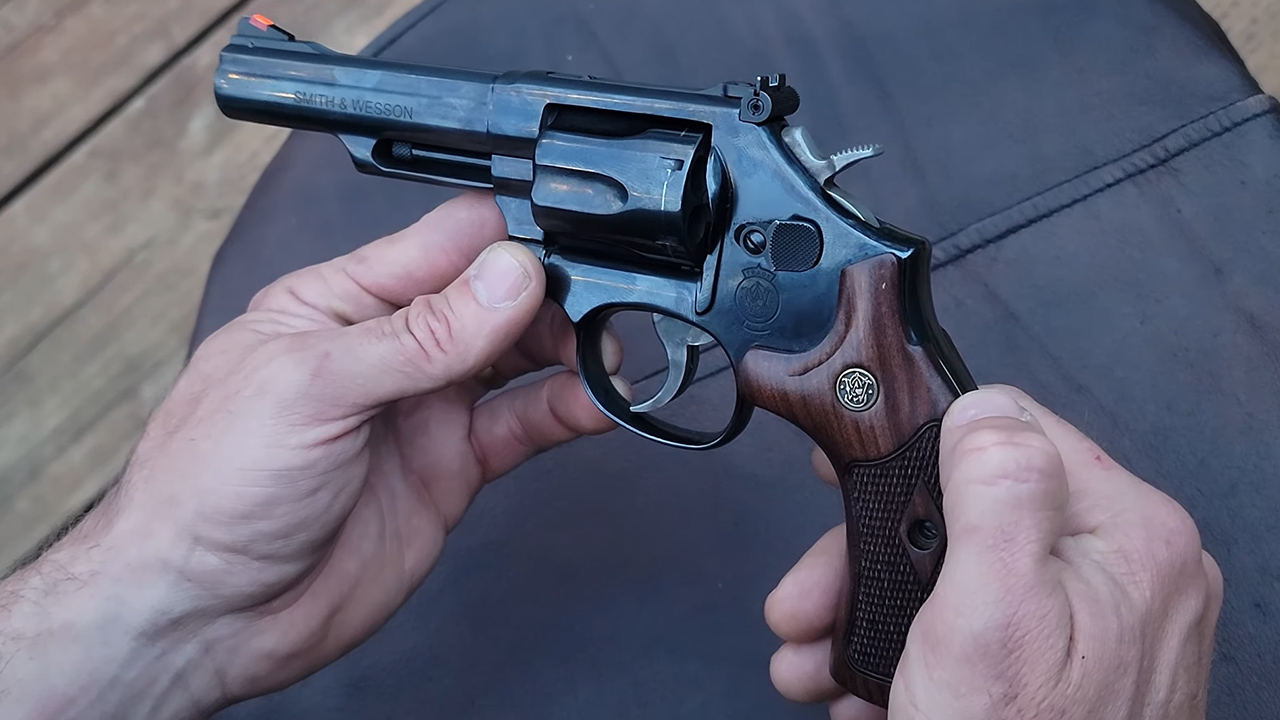
This is one of those “they don’t make them like that” revolvers that gets snapped up the minute it hits a used case. A gunsmith appreciates the smooth action and the way a good Model 19 points like it’s reading your mind. It’s also just a pleasant gun to shoot with .38s, which means it gets used instead of admired.
Is it a steady diet of max-pressure .357 all day forever? No. But for normal use, it’s a sweetheart. And when you find one that hasn’t been abused, it’s hard to send it back out the door.
3. Glock 19 (Gen 3 or Gen 5)
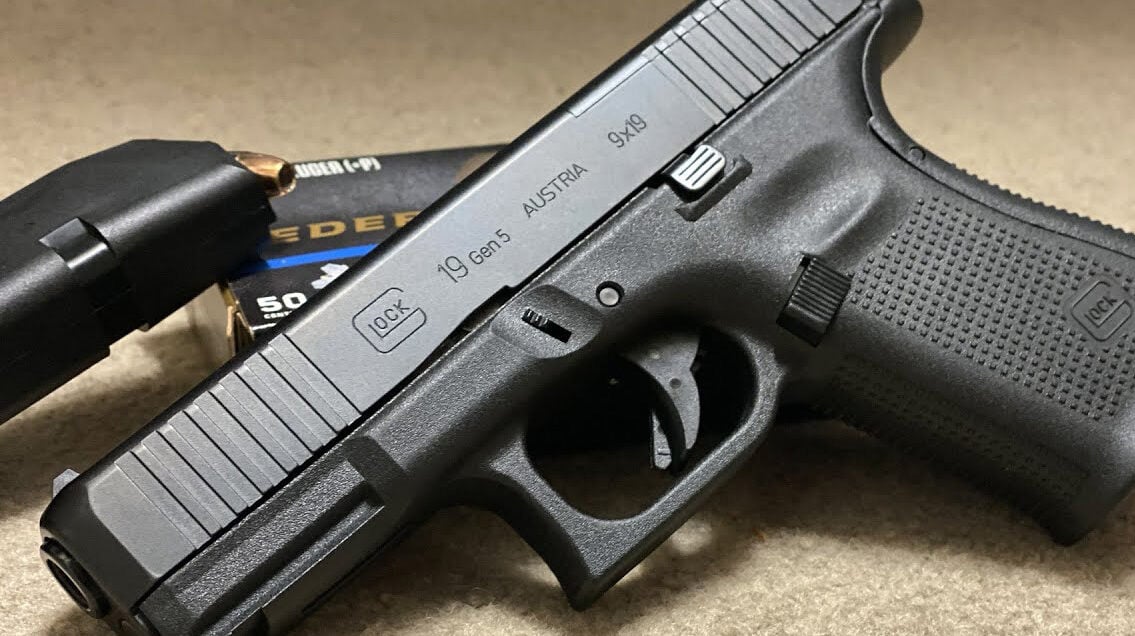
Gunsmiths sell a mountain of micro-9s, but the carry gun many of them actually trust is the boring one. A Glock 19 is big enough to shoot well, small enough to carry, and simple enough that you’re not chasing weird little springs or proprietary magazines every time something changes.
Parts are everywhere. Magazines are everywhere. Holsters are everywhere. It’s not romantic, but it’s a tool that keeps acting like a tool, even after the new-gun excitement wears off.
4. SIG Sauer P226 (9mm)
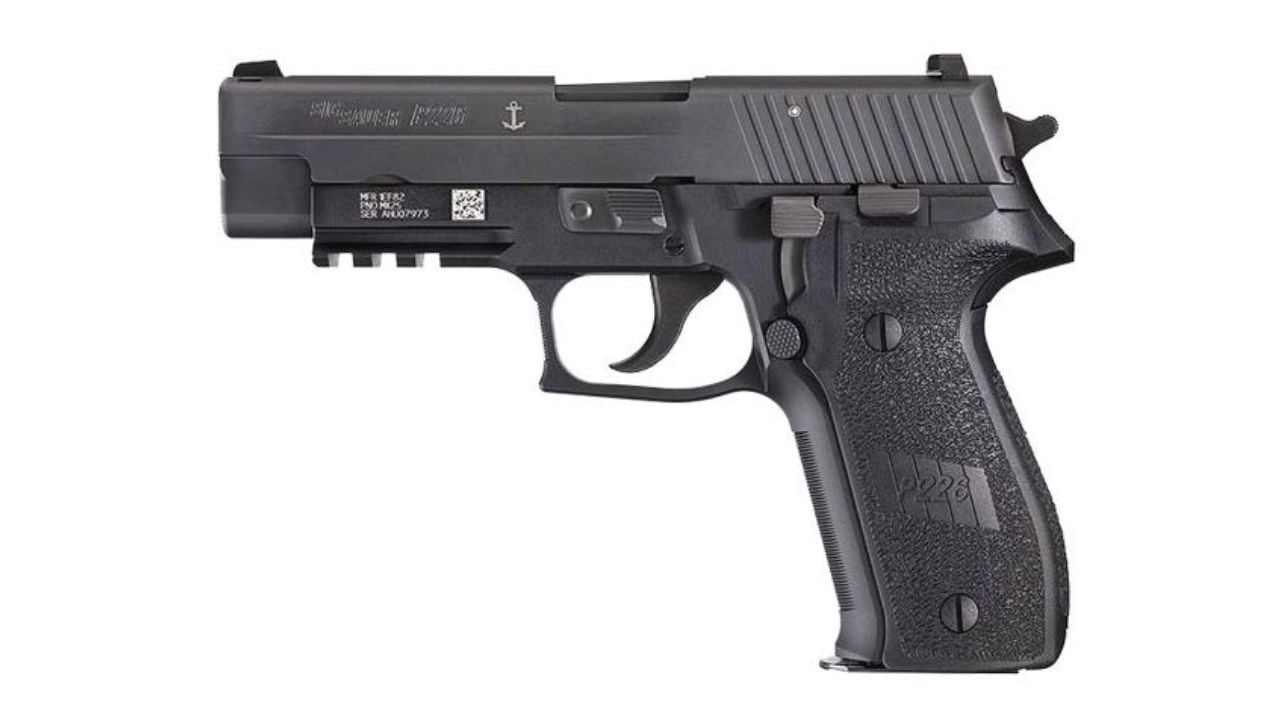
The P226 is the kind of pistol you keep because you’ve shot it enough to know it’s not fussy. It’s heavy compared to the plastic crowd, but that weight soaks up recoil and makes long range sessions easy. A lot of smiths like guns that don’t punish you when you’re checking function or testing someone’s reloads.
It also has that “settled” feel when the slide cycles—like it’s riding on rails, because it basically is. Not everyone wants a full-size DA/SA gun anymore. That’s exactly why the ones who know tend to keep theirs.
5. CZ 75B (or CZ 75 BD)
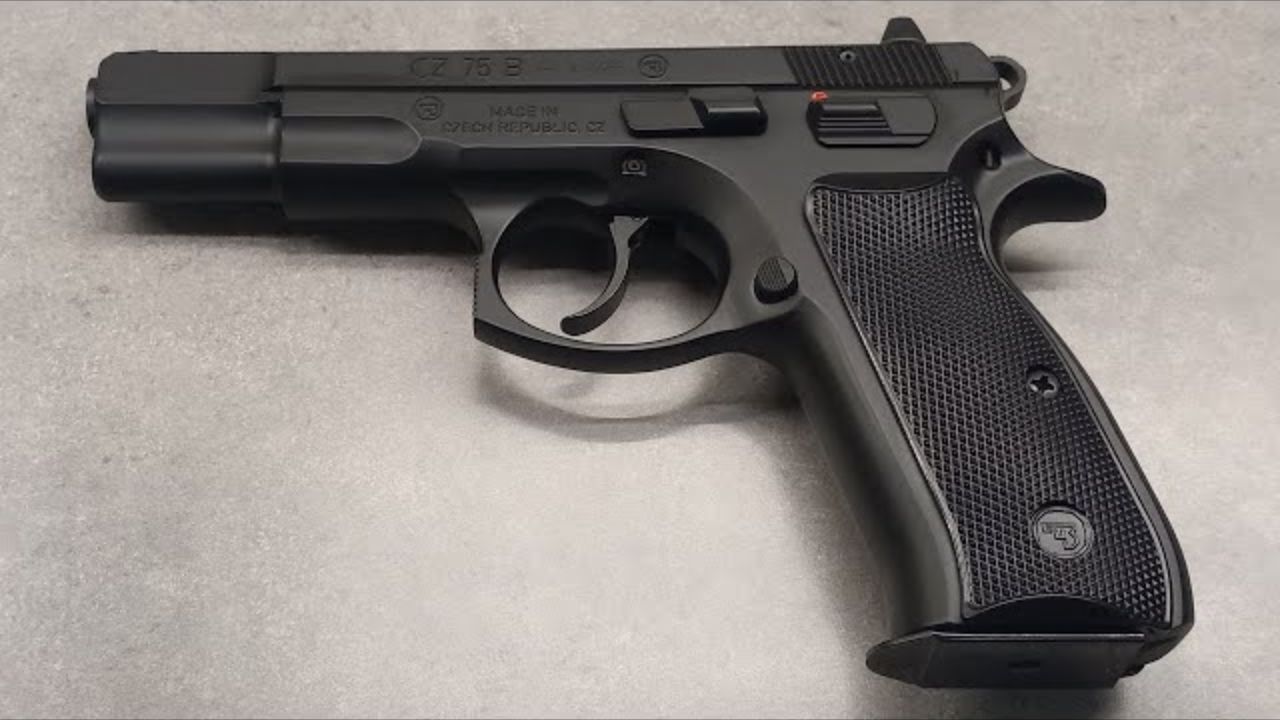
CZs don’t always dominate the display case the way other brands do, but the 75 has a loyal following among people who actually shoot. It fits a wide range of hands, the recoil impulse is soft, and the accuracy is usually better than the price tag suggests.
Gunsmiths like designs that are proven and consistent. The CZ 75 has been doing its thing for decades, and it’s not a fragile “innovation.” It’s a working pistol that ages well.
6. Beretta 92FS
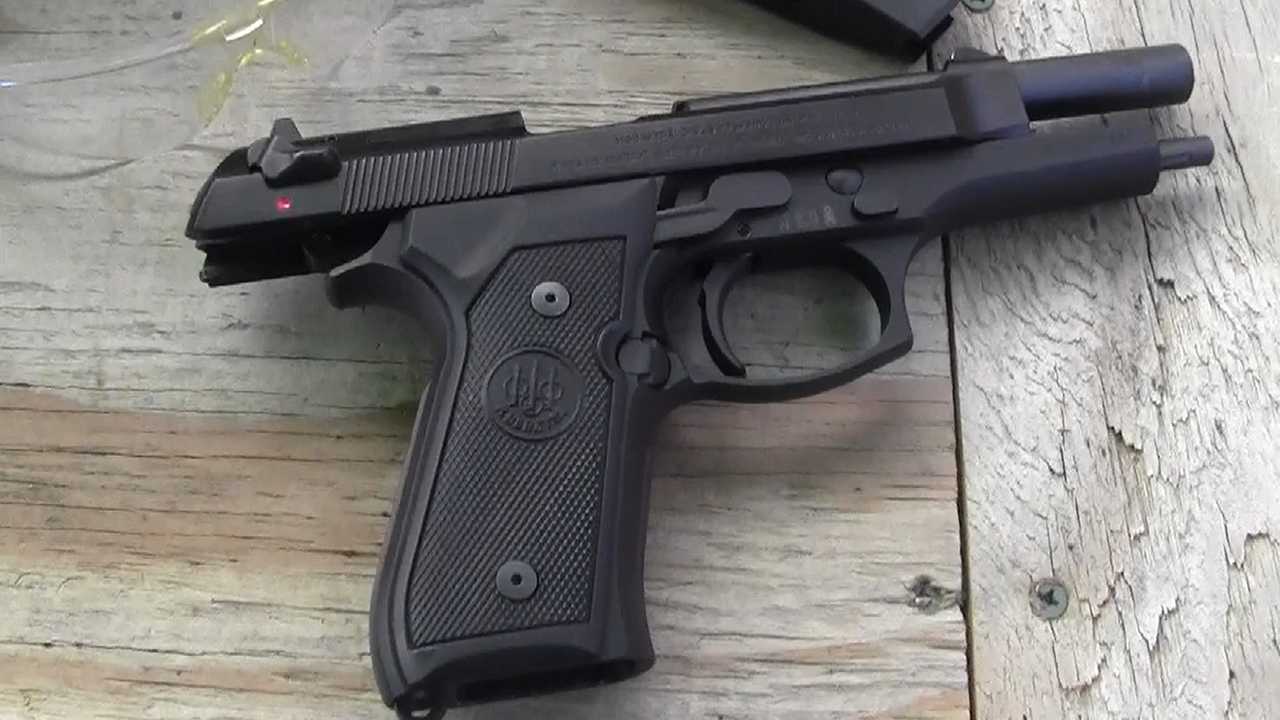
The Beretta is another one that looks big and old-school next to today’s tiny optics-ready guns. Still, it runs. The open-top slide design shrugs off a lot of junk, and the gun just keeps feeding when others start getting picky.
It’s also a forgiving shooter. Wide grip or not, it’s easy to shoot fast and accurately, and it’s a natural choice for someone who wants a full-size 9mm that won’t beat up parts every few thousand rounds.
7. Ruger Mark IV (Target or Standard models)

Ask a gunsmith what he actually shoots for fun and you’ll hear “a .22” sooner than you think. The Mark IV is a practical keeper because it makes practice cheap and it makes you honest. You can’t hide bad trigger control behind recoil.
And yeah, the takedown is the big reason the Mark IV gets love. The earlier Marks run great but can be a chore to strip. The Mark IV finally made cleaning and maintenance feel like a normal human task.
8. Browning Buck Mark

Not everyone is a Ruger .22 person. Plenty of smiths keep a Buck Mark because it shoots straight, feels good in the hand, and just seems to run with a wide range of ammo. It’s also a platform where a simple sight upgrade turns it into a tack driver without getting weird.
It’s the kind of pistol that ends up “living” in a range bag. When a gun gets used that much, it earns a permanent spot in the safe.
9. Remington 870 Wingmaster (older blued guns)
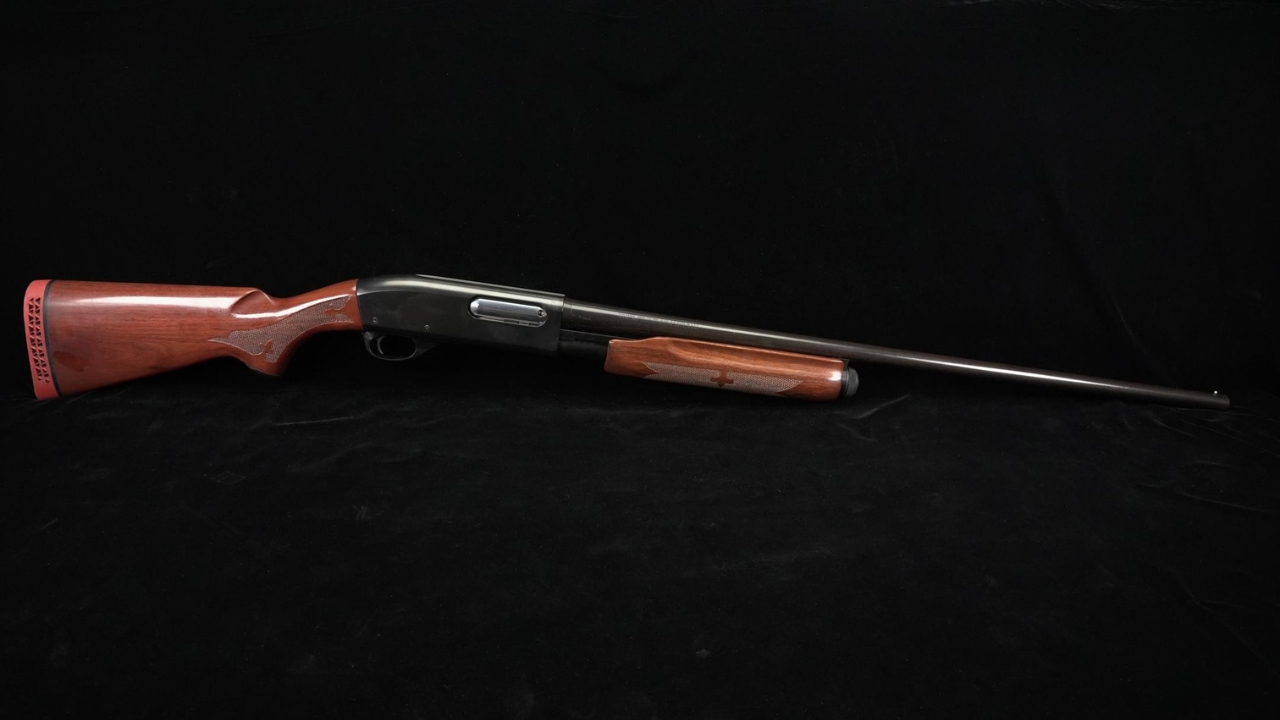
There are a lot of 870s out there, but the older Wingmasters are the ones gunsmiths tend to squirrel away. The action is slick, the steel feels right, and they cycle like they’ve got ball bearings inside. You can feel the difference the first time you rack one next to a newer budget pump.
For upland hunting, turkey season, or a behind-the-door shotgun, it’s hard to beat a good Wingmaster. The new production stuff might sell in volume, but the older ones get kept.
10. Mossberg 590A1
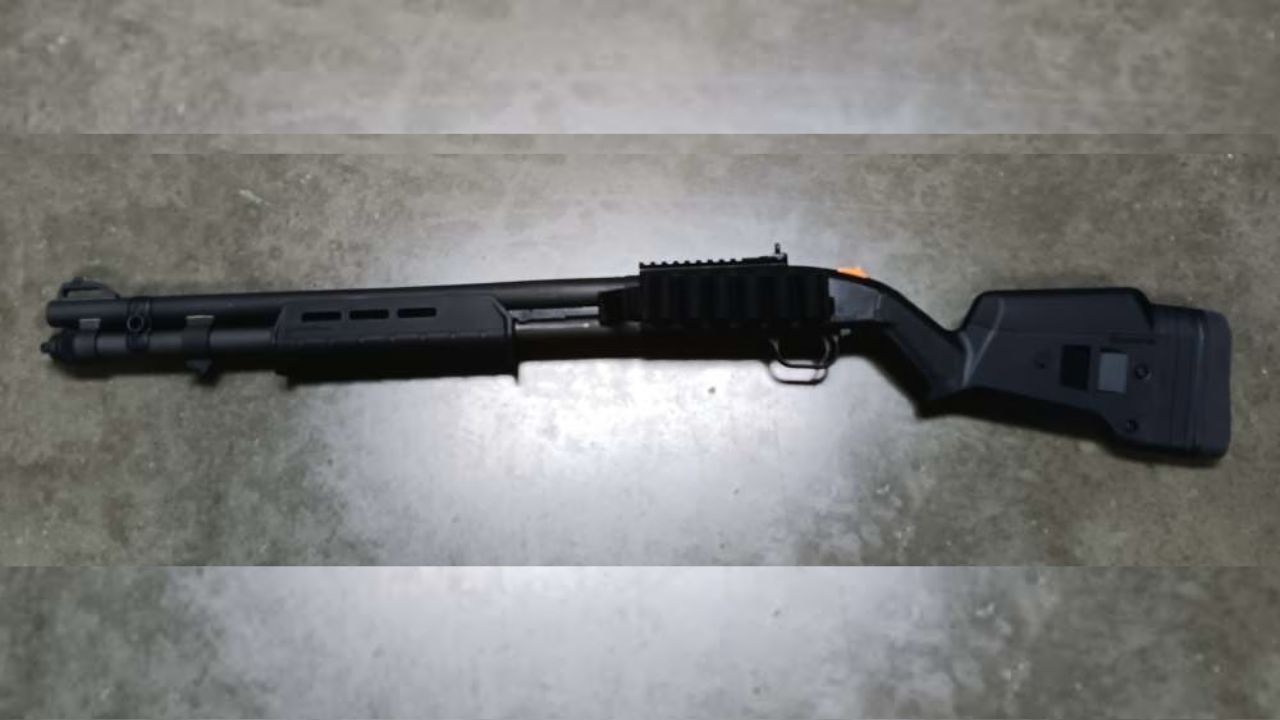
If you’ve ever worked on shotguns, you learn fast which ones tolerate abuse. The 590A1 is not dainty. Heavy barrel, stout internals, and a general attitude of “go ahead and try to wear me out.” It’s not the prettiest gun in the cabinet, and it’s not trying to be.
Top tang safety is a real plus for a lot of folks, especially if the shotgun gets used by multiple people in the house. It’s a simple, rugged choice that doesn’t require a sales pitch.
11. Benelli M2
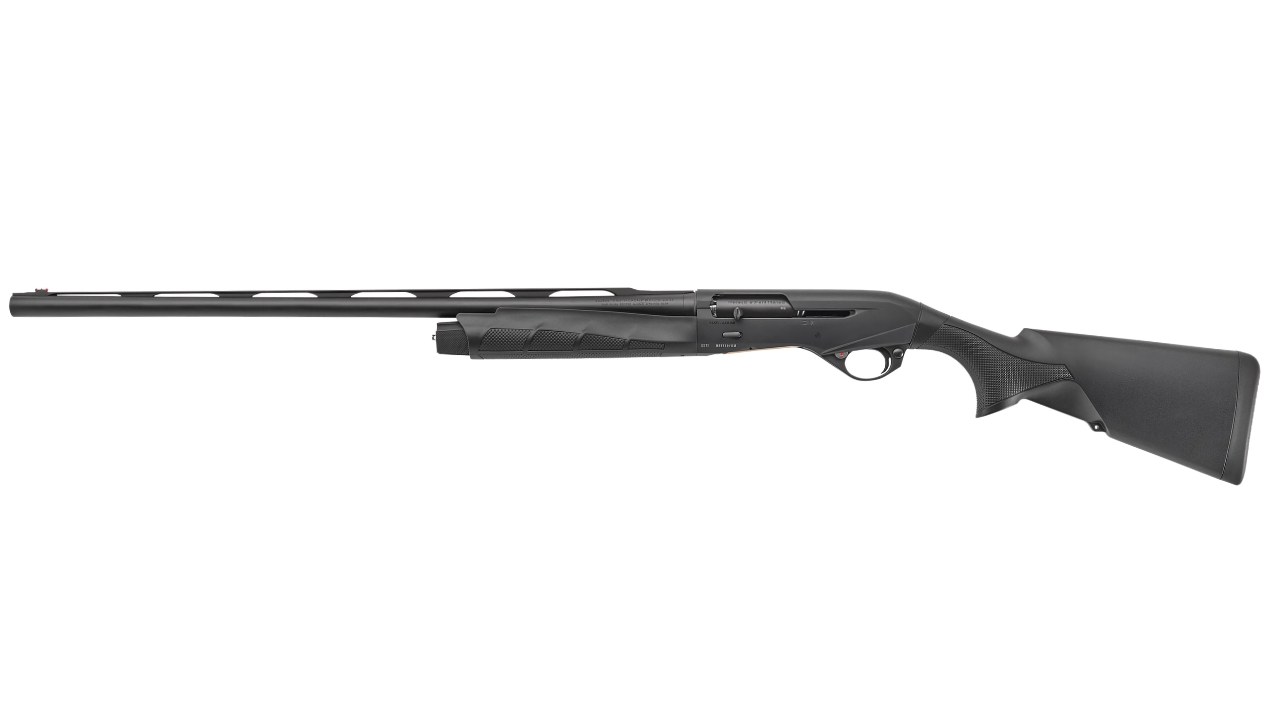
Benellis cost enough that they don’t move like bargain pumps, but smiths who run shotguns hard tend to respect the inertia system. The M2 stays clean compared to gas guns, and it keeps cycling in cruddy conditions where you’d expect a semi-auto to start sulking.
Is it perfect? No. Light loads can be a game of “try it and see.” But for hunting loads, defensive buckshot, and real-world use, an M2 is a lifetime shotgun if you don’t do anything dumb to it.
12. Browning Auto-5 (Belgian or older Japanese production)
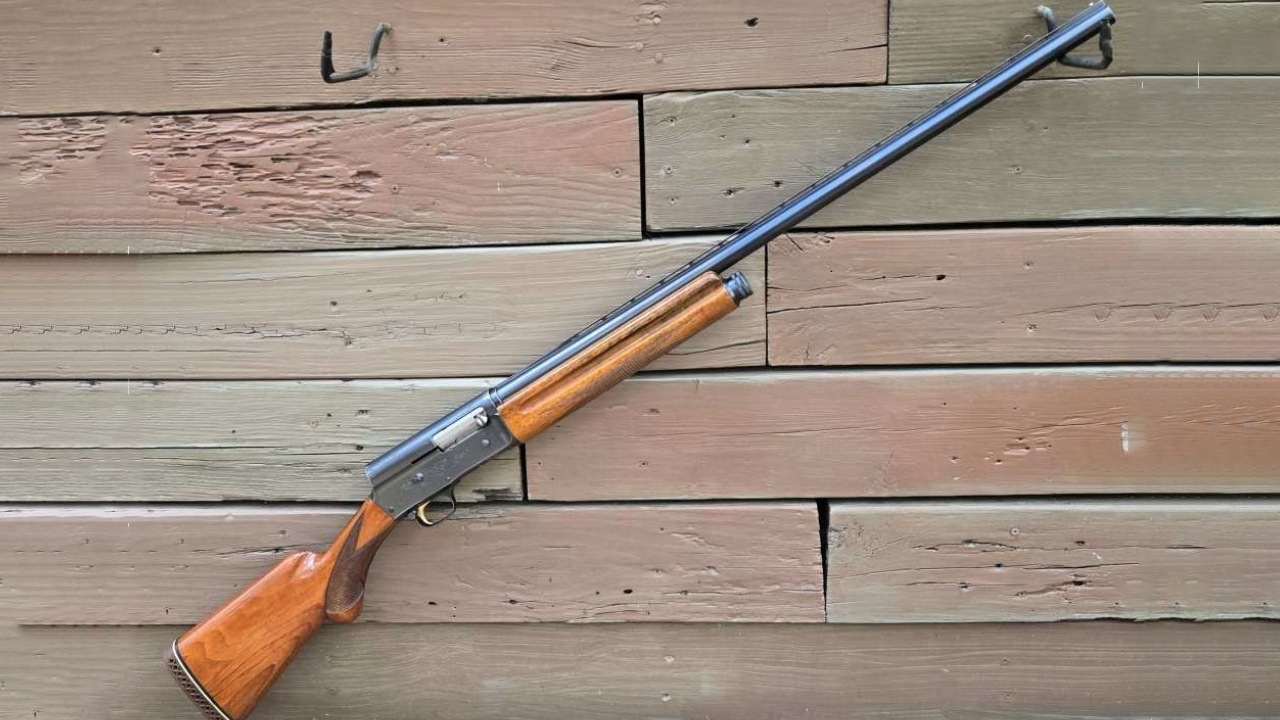
This one is half practicality and half soul. The Auto-5 has been dropping birds for over a century, and when it’s set up right, it still runs. A gunsmith likes mechanisms that are clever but serviceable, and the A5 is exactly that.
It’s also the kind of gun that carries stories. The checkering is worn where somebody’s hand rode it for seasons. The bluing is thin on the receiver edges. That kind of honest wear makes a gun hard to sell.
13. Winchester Model 70 (pre-’64 or Classic)

If you want to understand why gunsmiths love certain bolt guns, pick up a good Model 70 and run the bolt. Controlled-round feed isn’t magic, but it’s confidence-inspiring, especially when you’re working the gun fast from awkward positions in the field.
It’s also a rifle that tends to be worth fixing. When a rifle has good bones, bedding and a trigger tune can turn it into a lifetime hunter. Plenty of newer rifles shoot fine, but the Model 70 feels like it was built to be handed down.
14. Remington 700 (older, proven actions)
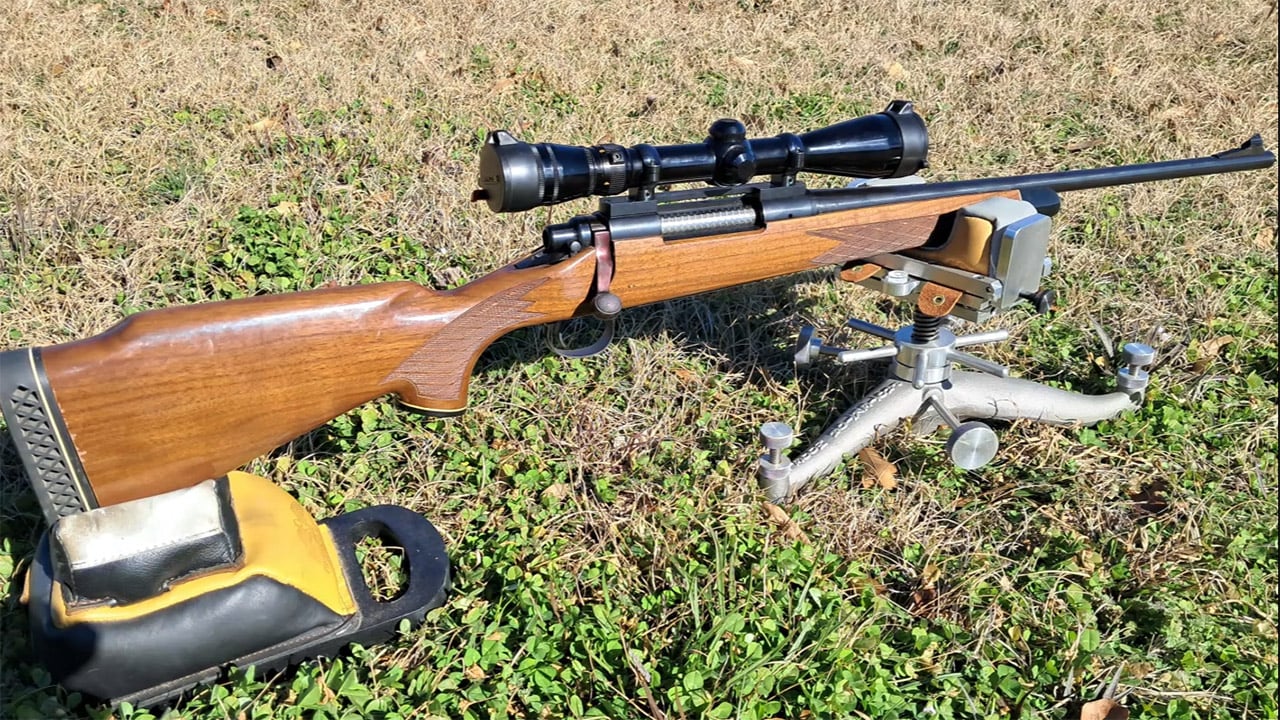
Remington 700s sell in huge numbers, but the specific 700s many smiths keep are the older, known-quantity rifles. Not because every older rifle is perfect, but because the ecosystem is massive. Stocks, triggers, bottom metal, scope bases—everything exists, and it’s been tested a thousand ways.
A gunsmith also knows what he can do with a 700 action without turning it into a science project. If you hunt hard and shoot a lot, that matters more than whatever the newest “feature” is this year.
15. Ruger M77 Hawkeye (especially in .30-06)

The M77 doesn’t always get the internet excitement, but it’s the kind of rifle that ends up riding in a scabbard, leaning in a corner at deer camp, and still shooting where it’s supposed to. Ruger actions are tough, and the Hawkeye is a solid working rifle.
.30-06 isn’t glamorous either. That’s part of the theme here. It’s available everywhere, it handles a wide range of bullets, and it keeps getting it done without needing a new name every season.
16. Tikka T3x Lite
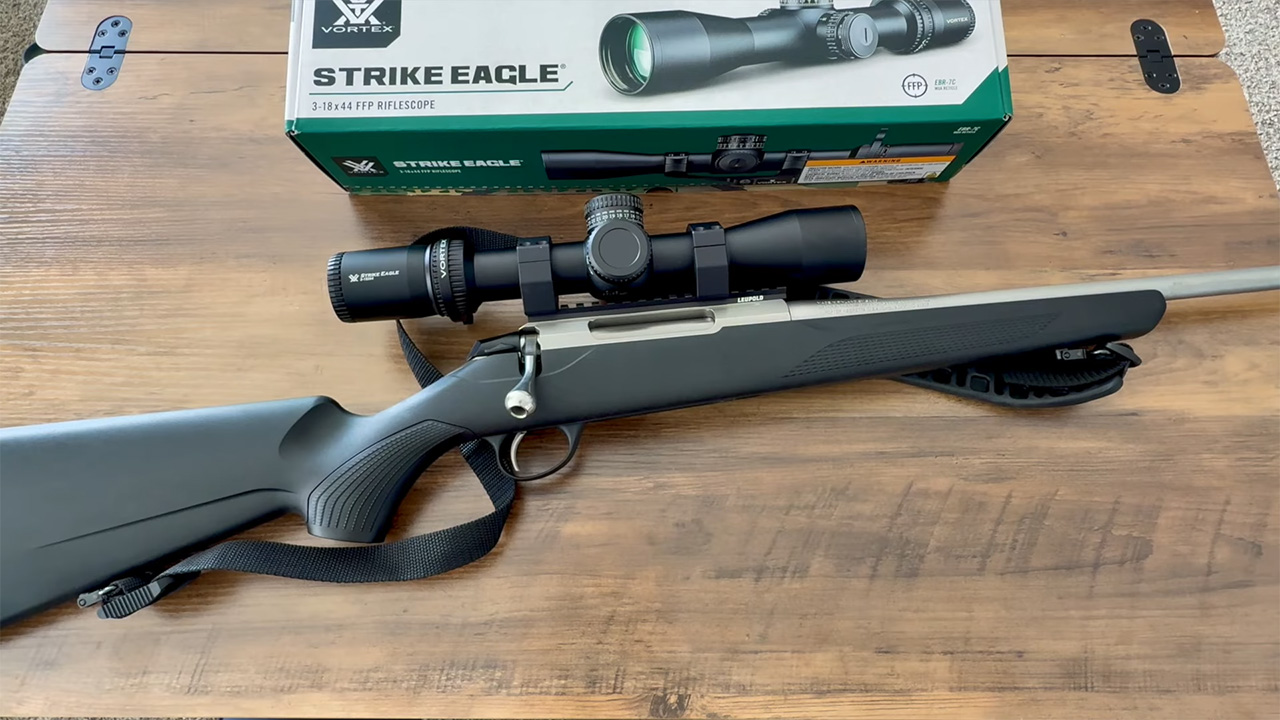
This one surprises folks because it’s a “modern” rifle, but gunsmiths keep them because they’re consistent. The factory barrels tend to shoot, the actions are smooth, and the triggers are clean without having to get cute. When a rifle shoots well out of the box, it doesn’t create drama on the bench.
Lightweight rifles can be punishing in magnum calibers, and I get why some hunters set them up wrong. Still, in sensible cartridges, the T3x is a no-nonsense hunting rifle that just works.
17. Marlin 336 (JM-stamped, .30-30)
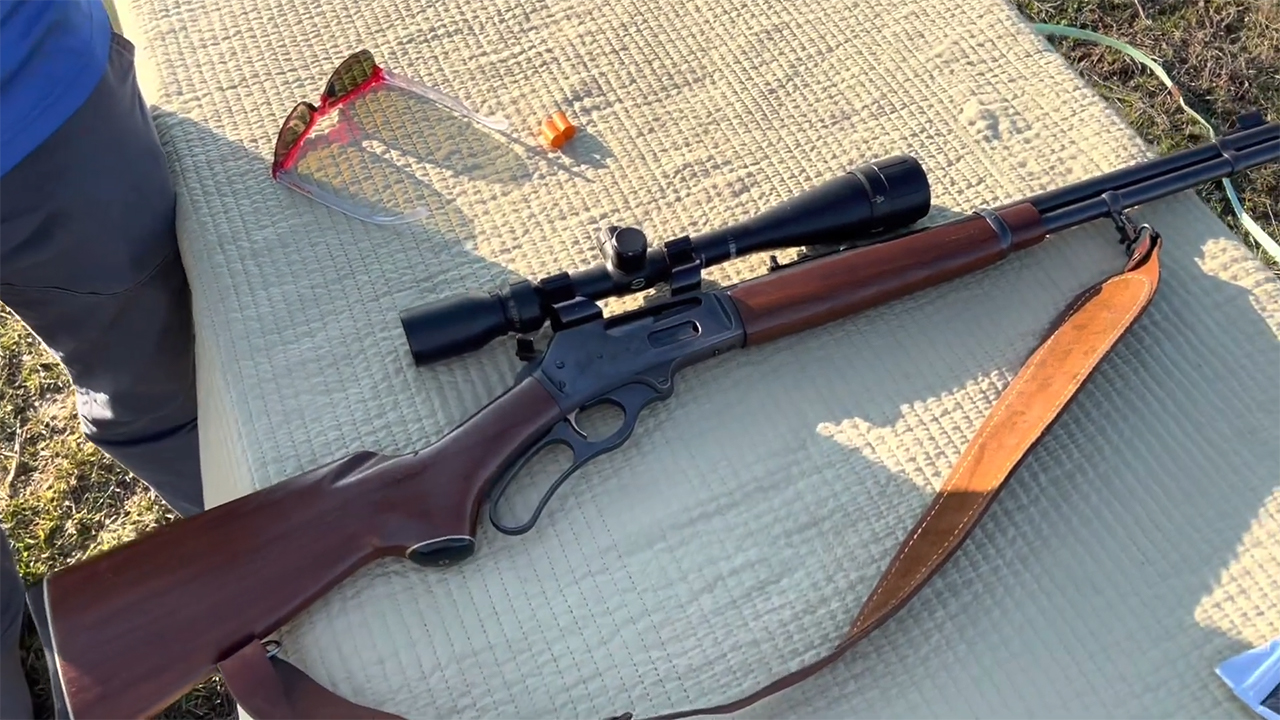
A lever gun in .30-30 is about as unsexy as it gets online, which is exactly why you’ll find one sitting quietly in a gunsmith’s safe. The Marlin 336 is handy in the woods, easy to carry all day, and fast to get on target in thick cover.
The older JM guns have a feel you can’t fake. The actions slick up with use, the rifles balance well, and they do what they were built to do. If you hunt whitetails in timber, there’s nothing silly about keeping a good 336.
18. Henry Big Boy Steel (in .357 Magnum)

Not every gunsmith is a “new Henry” guy, but plenty of them keep a Big Boy Steel because it’s a practical rifle that’s fun without being fragile. In .357, it’s a woods rifle, a farm rifle, and a range toy all in one.
Ammo flexibility is huge here. .38 Specials for cheap practice, .357 for real work. And a lever gun that feeds well and carries easy is hard to hate.
19. Ruger 10/22 (basic carbine)
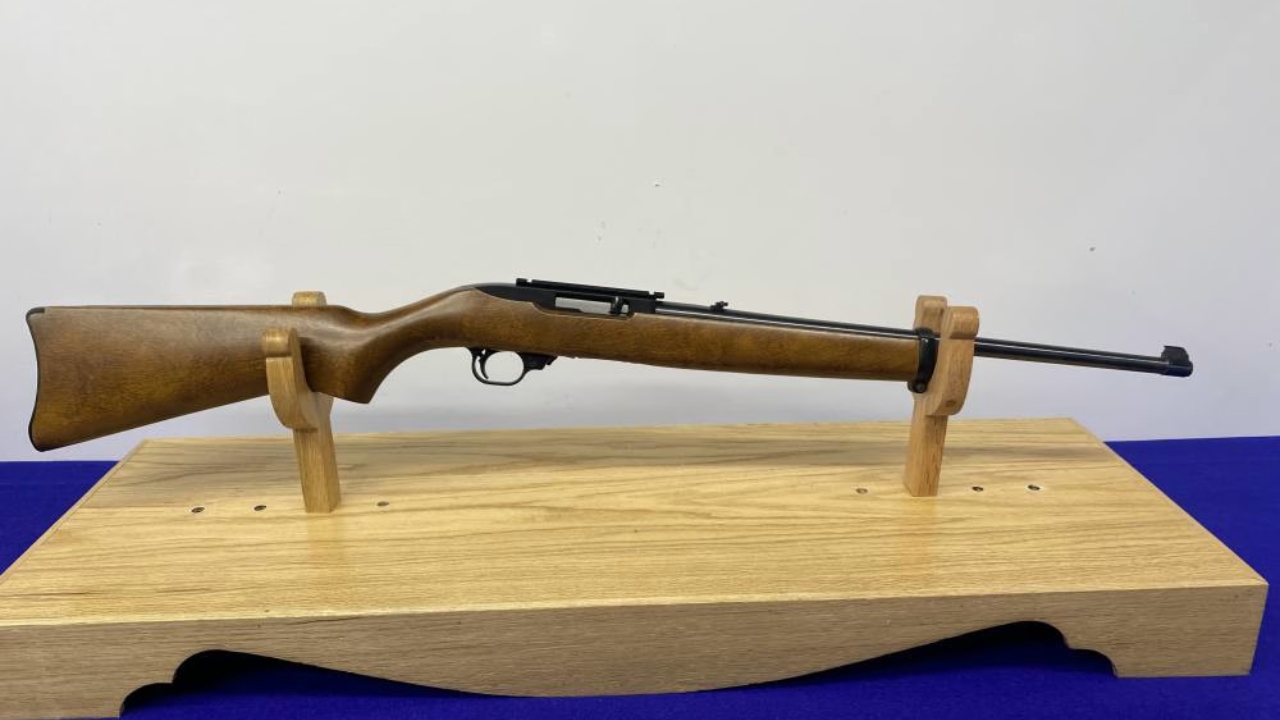
Gunsmiths sell plenty of tricked-out 10/22s, but the one they keep is often a plain carbine with a decent optic and a sling. There is nothing fancy about it, and that is kind of the point. It’s the rifle you grab for pests, plinking, or teaching a kid without worrying about scratching a safe queen.
Mags are everywhere, parts are everywhere, and it’s a platform you can keep alive forever. If you’re the guy everyone asks to fix things, you start appreciating guns that rarely need fixing.
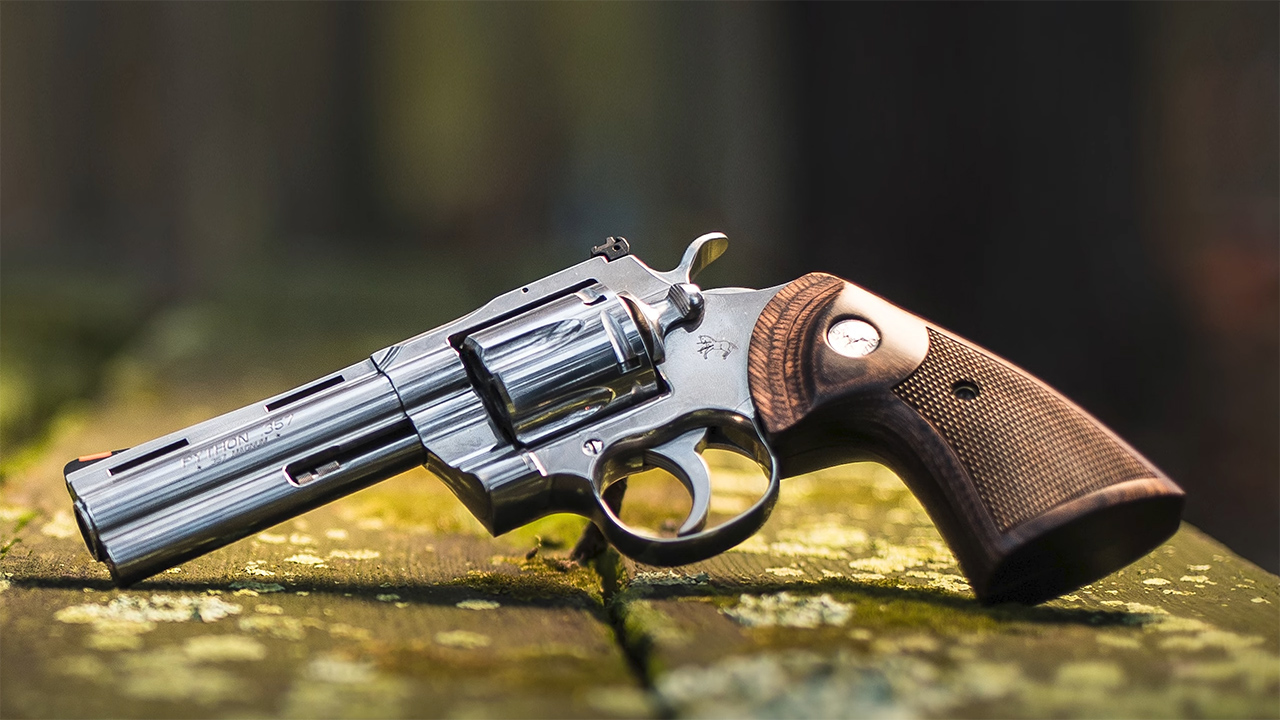
20. Colt Python (older production)

Not every gunsmith keeps a “show” revolver, but if you’ve ever felt a real Python’s double-action pull, you understand why it ends up staying put. The finish, the lockup, the way the cylinder closes—there’s a reason they’re admired even by folks who don’t care about collector stuff.
It’s also a reminder that craftsmanship used to be a bigger part of the average gun. They’re not the easiest revolvers to work on compared to some Rugers and Smiths, and that’s exactly why a gunsmith who understands them might hang onto one. Letting it go can be the kind of decision that bugs you for years.
What I take from all of this is simple: the stuff that sells fastest isn’t always the stuff that holds up best, shoots the nicest, or makes the most sense when you’re actually living with it. If you’re staring at your safe thinking about “trimming down,” it’s worth asking yourself one question before you trade something off: is this gun a tool I know, or is it just a gun I bought? The answer usually tells you what should stay.
Like The Avid Outdoorsman’s content? Be sure to follow us.
Here’s more from us: