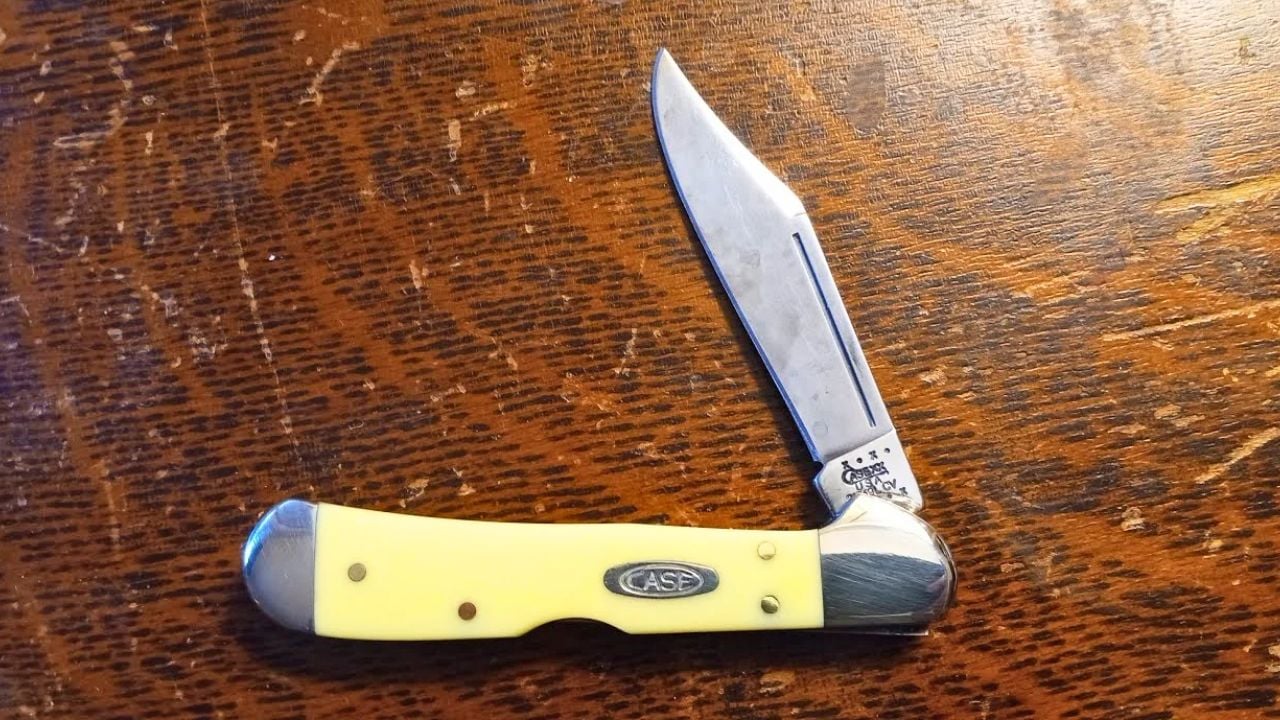
Photo credit: New Again Knife Reviews/YouTube
Every year there’s a new “super steel,” a new lock, a new handle texture, and a new promise that this one finally fixes what the old ones got wrong. Then you get out in the woods, your hands are cold and wet, and you’re trying to open a blister pack, cut cordage, or dress a deer before the light is gone. That’s when the old American-made knives start making sense again. They aren’t all pretty. A few are heavy. Some have steel that won’t impress the internet. But they show up, cut straight, sharpen easy, and keep working long after the new-guy novelty wears off.
Here are 20 older, U.S.-built knives that still hang with (and often beat) a lot of modern competition where it counts: in your pocket, on your belt, and out in the weather.
1. Buck 110 Folding Hunter
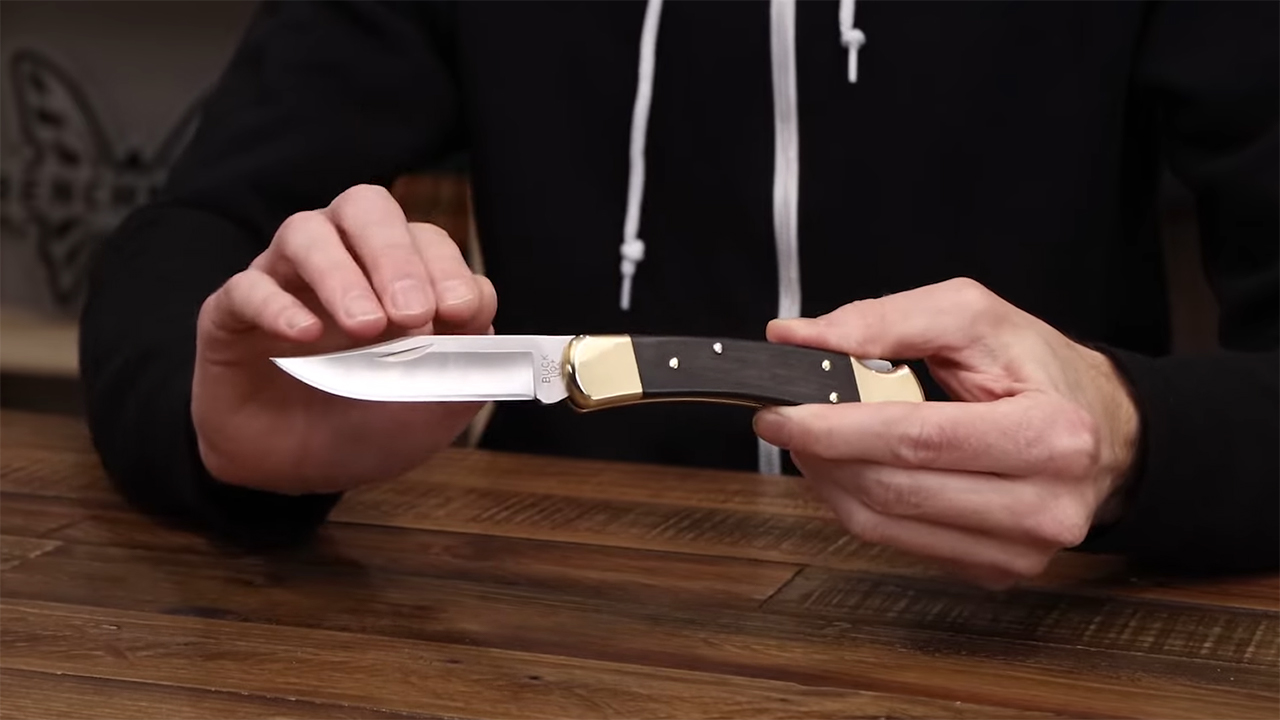
The Buck 110 is still the measuring stick for a reason. That lockback is boring in the best way: solid, simple, and hard to “accidentally” defeat when you’re torquing through hide or trimming around joints. The older ones with the brass bolsters and ebony-like scales feel like a tool, not a toy, and they ride fine in a belt sheath even if they’re a little much for a jeans pocket.
Steel snobs will complain about older 420HC, but here’s what matters: it sharpens fast and it’s consistent. When you’re tired at camp and you just want an edge back with a stone or a basic sharpener, the 110 cooperates. There are fancier knives, sure. For real work, this one still earns its keep.
2. Buck 119 Special
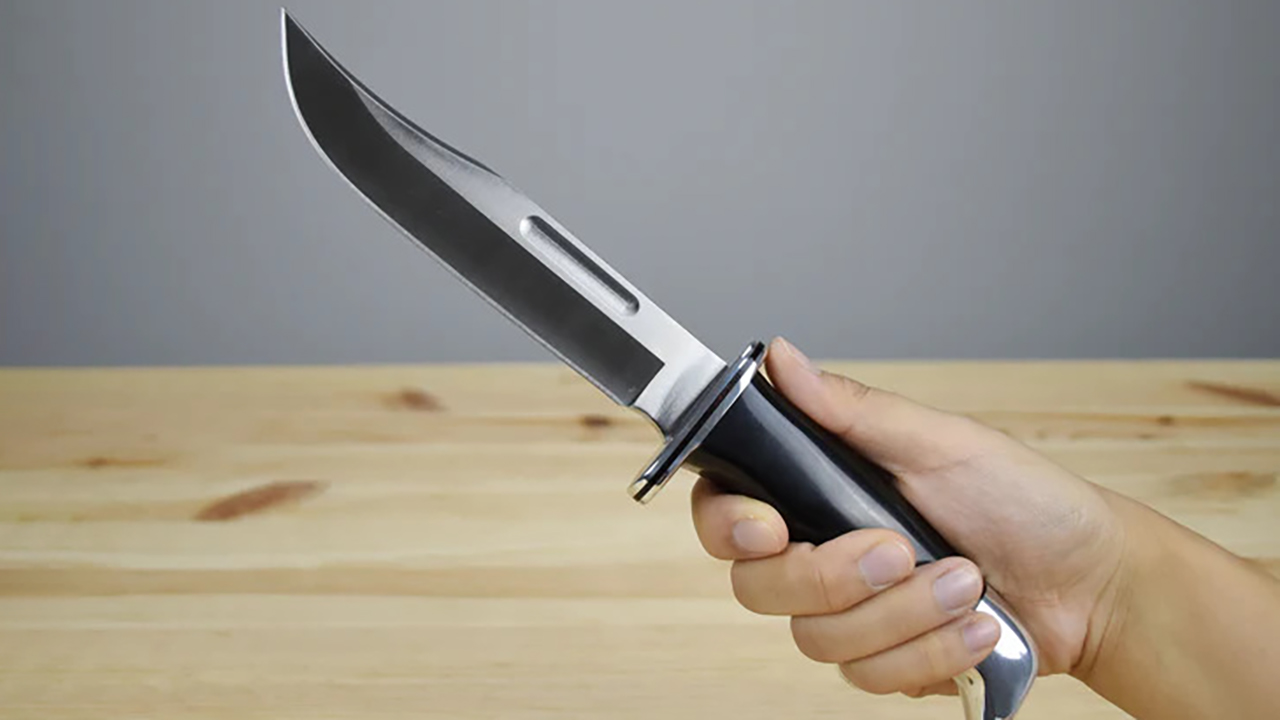
If you grew up around deer camps, you’ve seen a 119 on somebody’s belt. It’s not complicated: a fixed blade that points naturally and gives you enough blade to handle field dressing without feeling like you strapped on a short sword. The guard is old-school, but it also keeps your hand where it belongs when things get slick.
The 119’s magic is how “right” it feels in use. It’s not a delicate slicer, but it does the whole job without drama. It also doesn’t demand you baby it. Wipe it down, touch up the edge, and put it back in the sheath. There is nothing fancy about it, and that is kind of the point.
3. Buck 102 Woodsman
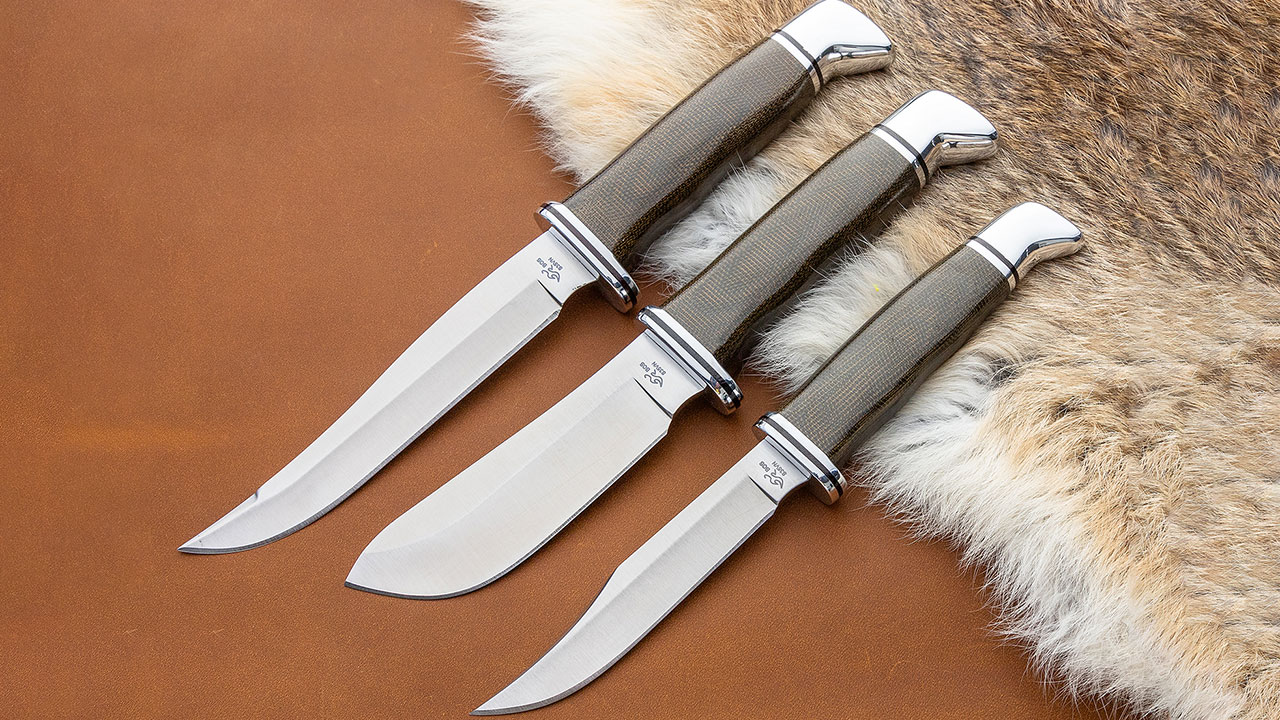
The 102 is one of those knives that makes you wonder why you ever carried bigger. It’s compact, nimble, and easy to control when you’re opening a body cavity or working around tenderloins and backstraps. In the hand, it feels like a small bird-and-trout style knife that grew up and got serious.
Where it outperforms modern “do everything” blades is precision. Lots of new knives chase thick spines and chunky handles, and you end up fighting the knife instead of guiding it. The 102 stays out of your way. For hunters who want a belt knife that doesn’t feel like overkill, it’s a sleeper.
4. Buck 112 Ranger
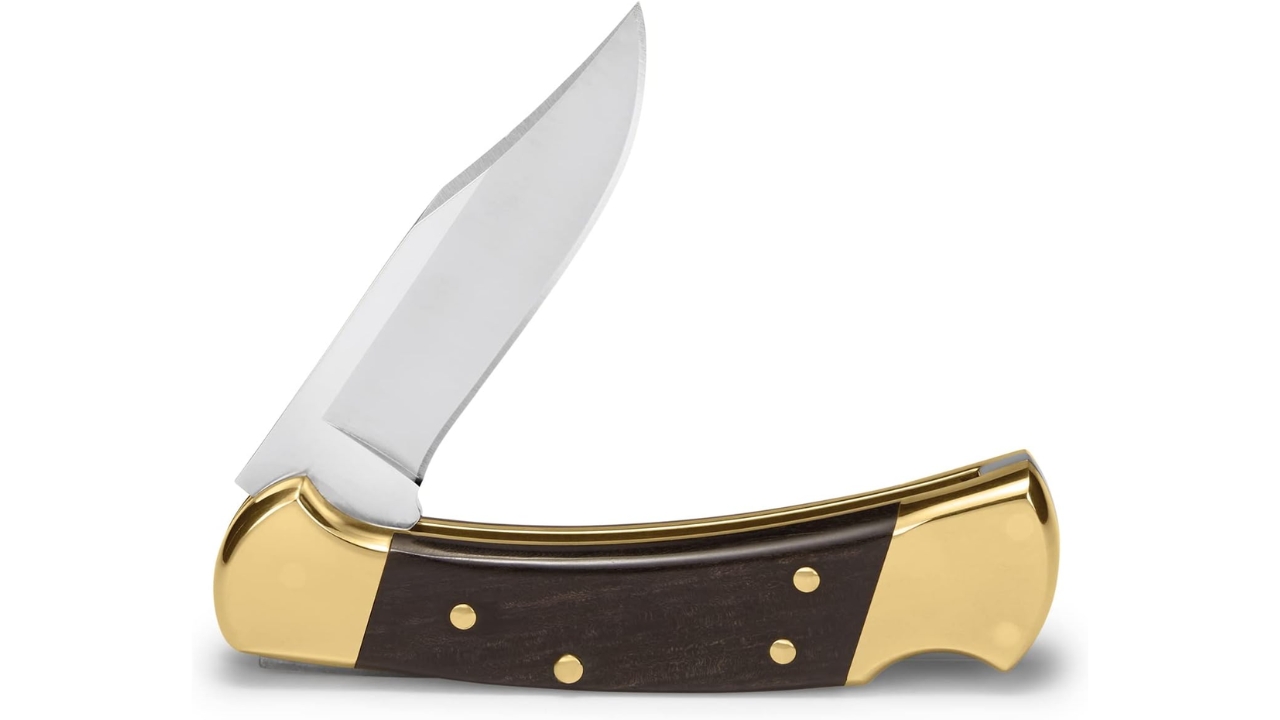
The 112 is basically the 110’s more practical little brother. Same attitude, just less bulk. If you’ve ever tried pocket-carrying a 110 and decided you were done bruising your thigh, you’ll get why the 112 has a following. It’s still stout enough for real cutting, and that lockup inspires confidence.
Modern folders can be lighter and faster to open, but the 112’s advantage is how it behaves under load. There’s no flex, no weird ergonomics, no “hot spot” handle texture that chews your palm. It’s a pocketable tool that doesn’t need a tutorial. If you find an older USA one in good shape, hang onto it.
5. Case Trapper (CV or older stainless)

A Case Trapper is not a tactical knife. Good. Two blades, simple slipjoint, and a profile that disappears in your pocket. The older carbon steel versions take a wicked edge and patina the honest way, and even the older stainless models are more than capable if you keep up with them.
Where the Trapper still beats a lot of modern folders is the “always with you” factor. It carries flat, doesn’t scare non-knife people, and it handles the everyday cuts—feed sacks, rope, zip ties, apples, and whittling by the fire—without looking like you’re preparing for a hostage rescue. It’s not for prying. It’s for cutting. And it still does that job extremely well.
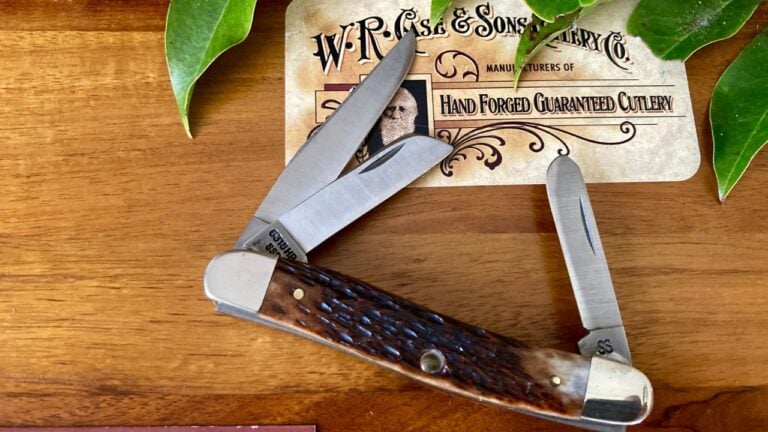
6. Case Stockman
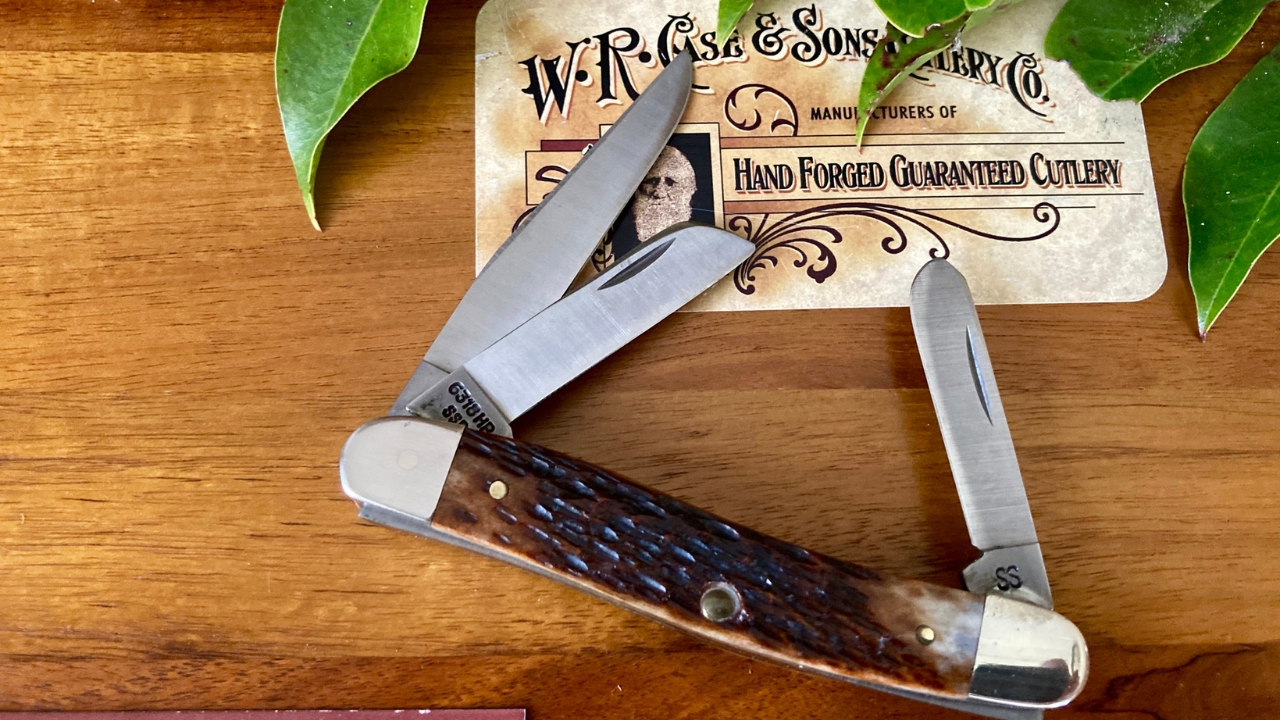
The Stockman is a working man’s pocket knife, and the older American-made ones feel like they were built for exactly that. Three blades give you options: a clip for general work, a spey that’s handy for skinning-type tasks, and a sheepfoot that shines on controlled cuts and trimming.
Modern one-blade folders often try to be perfect at everything and end up just “okay.” The Stockman lets you pick the right edge for the job, and when one gets dull you can rotate blades and keep moving. I also like how these ride in the pocket—no clips to snag on a truck seatbelt or scrape a rifle stock. It’s a simple system that still makes sense.
7. Case Sodbuster Jr.
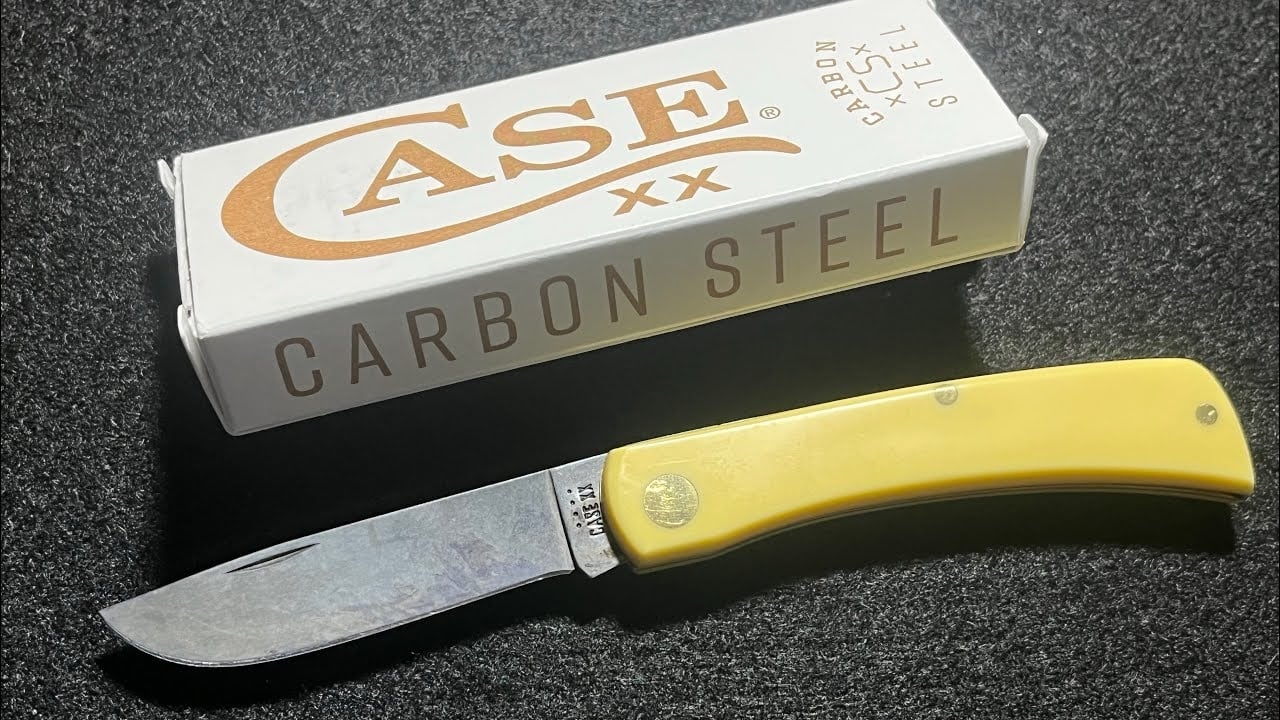
The Sodbuster Jr. is plain enough that some guys overlook it, which is fine because it keeps them affordable at flea markets and old hardware stores. That broad blade is a fantastic slicer, and the handle fills the hand without needing aggressive texturing. It’s the kind of knife you can loan out without having to explain it.
Where it surprises folks is how useful it is on the farm and around camp. It cuts feed twine, cleans fish, and opens boxes all week, and it doesn’t punish you in the pocket. Yes, it’s a slipjoint, so you treat it like a slipjoint—cut smart, don’t stab and twist. For day-to-day work, it’s hard to beat.
8. Case Peanut
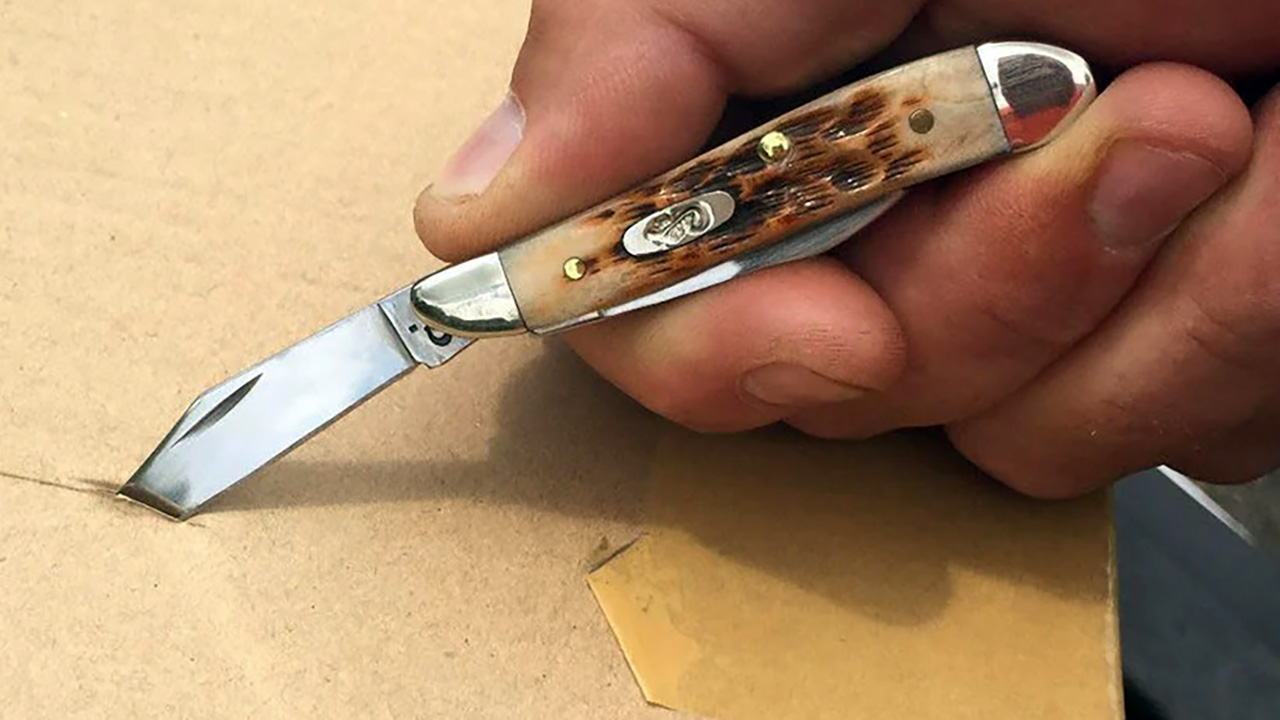
The Peanut looks like a “gentleman’s knife” until you actually use one. The older American-made Peanuts have great walk-and-talk and blade geometry that’s more capable than the size suggests. It’s one of the best true pocket knives ever made for folks who don’t want a clip hanging off their pants.
This is the knife that ends up being there when you need it because it’s so easy to carry. It’s not for batoning kindling, and it’s not meant to be. It’s for the hundred small cuts that happen in real life: fishing line, loose threads, snacks, tape, and trimming material in the field. If you want “always on you,” the Peanut still wins.
9. Case Mini Copperlock
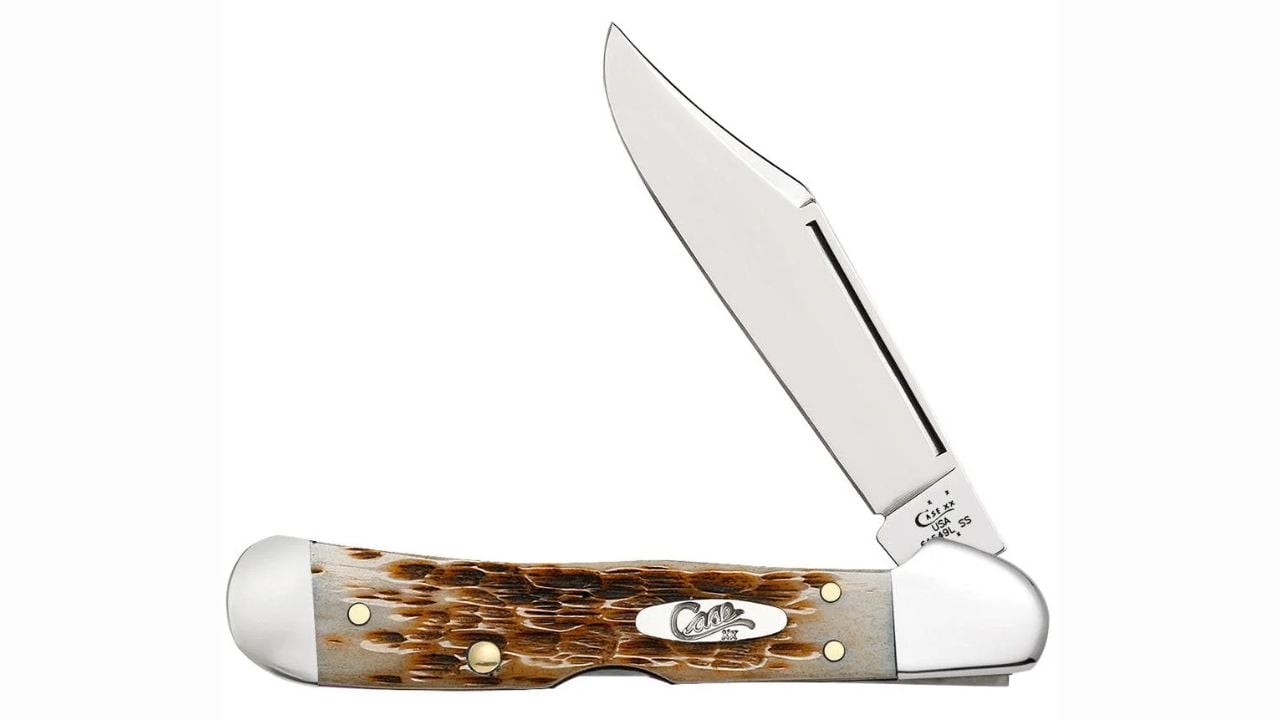
The Mini Copperlock is a smart blend of tradition and function. You get the classic Case look, but with a lockback that adds confidence when you’re bearing down a little. The clip-point blade is useful without being delicate, and the knife sits nicely in hand for something so slim.
Modern compact locking knives often chase one-handed opening and end up with thick handles and awkward blade shapes. The Mini Copperlock stays straightforward and cuts clean. It’s also one of those knives that doesn’t get you side-eye at a gas station when you’re buying jerky and a coffee. Practical, low-drama gear has a place, and this one earns it.
10. Ka-Bar USMC Fighting/Utility Knife (1217)
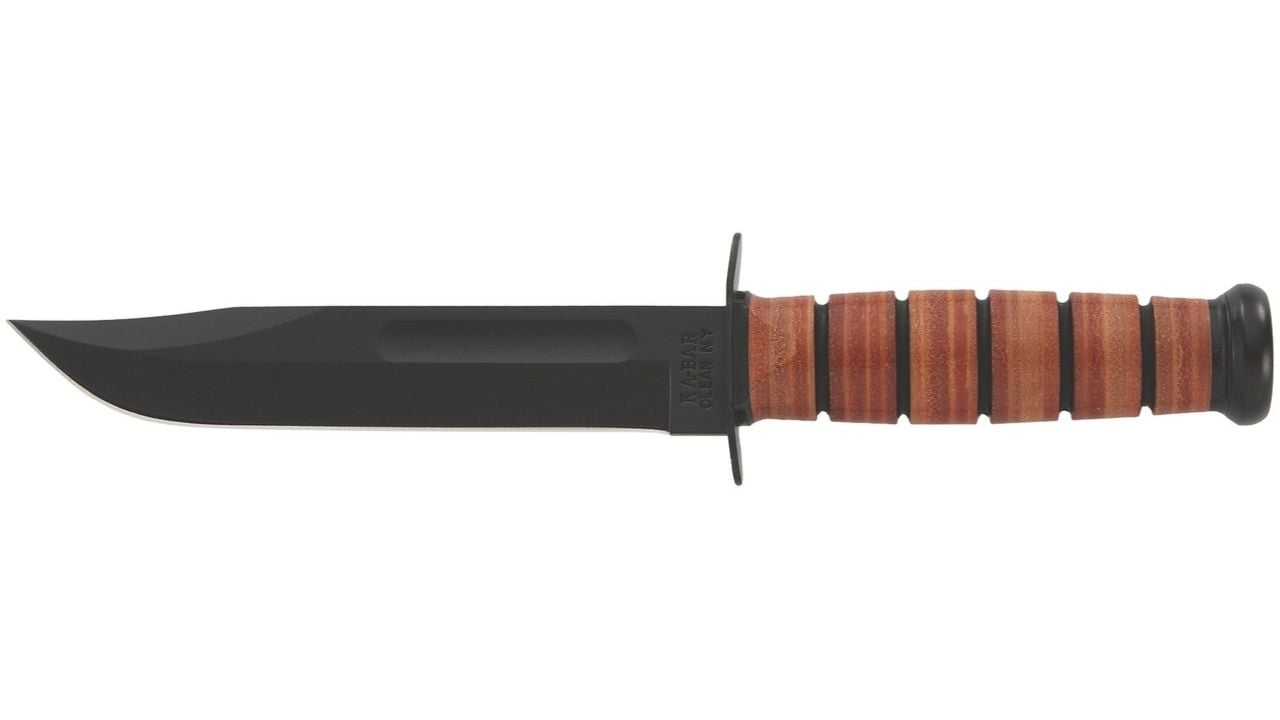
The old Ka-Bar is a legend, but it also happens to be a very usable outdoors knife if you respect what it is. The blade shape is versatile, the handle is comfortable for long use, and the overall size gives you reach and leverage for rough jobs. It’s not a scalpel, but it’s not pretending to be.
Where it still shines is toughness for the money. Plenty of modern “survival” knives cost more and deliver less, especially once you actually start cutting dirty materials and doing camp chores. The Ka-Bar’s stacked handle can be slippery when soaked, so that’s a real tradeoff. Still, if you want an old-school fixed blade that can take abuse and keep cutting, it’s hard to argue with.
11. Ka-Bar Becker BK2 Campanion (early USA production)
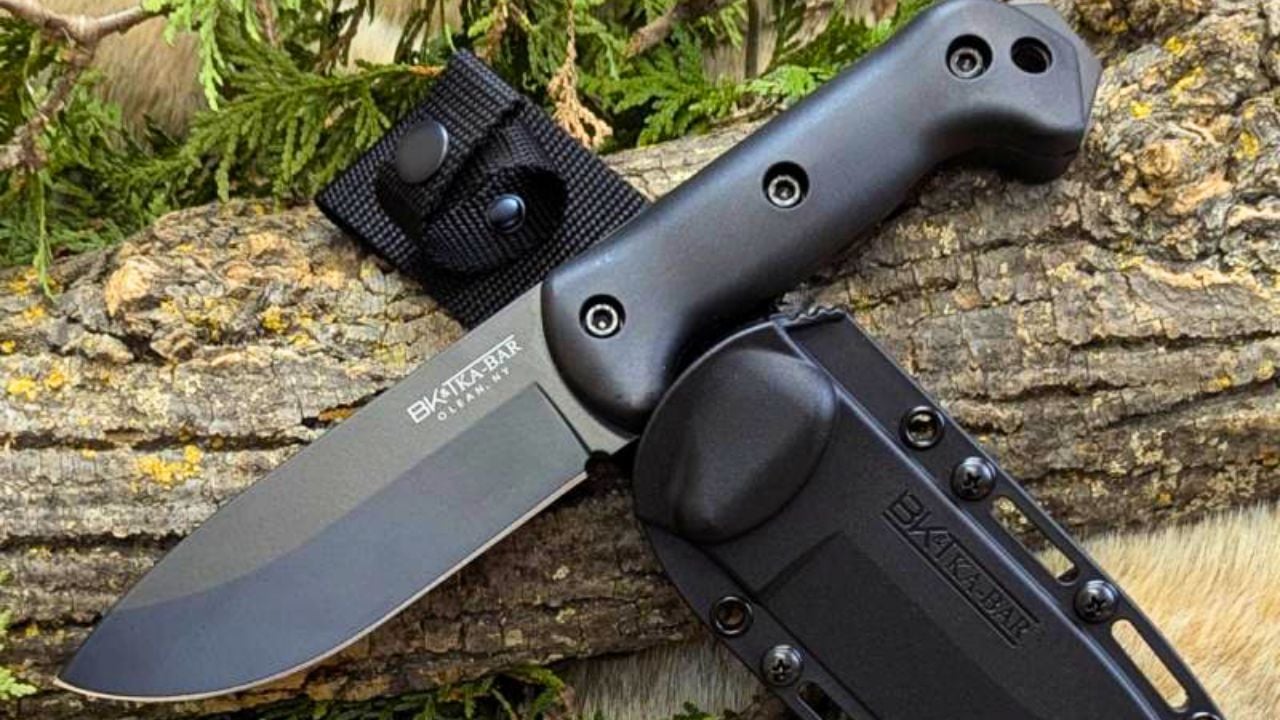
The BK2 is a chunk of steel, and no, it’s not subtle. But if you’ve ever split kindling, chopped through stubborn roots, or done messy camp work where a lighter knife feels flimsy, you understand why the BK2 has fans. The early USA-made Beckers have a reputation for consistent heat treat and durability.
Modern competitors often try to shave weight and end up losing the “no worries” factor. The BK2 carries like a brick, so it’s not everyone’s belt knife for a long hike. But around a truck, a cabin, or a base camp, it’s a problem-solver. Pair it with a small slicer and you’ve got a setup that works in the real world, not just online.
12. Ontario Knife Company (OKC) RAT-1 (older USA runs)
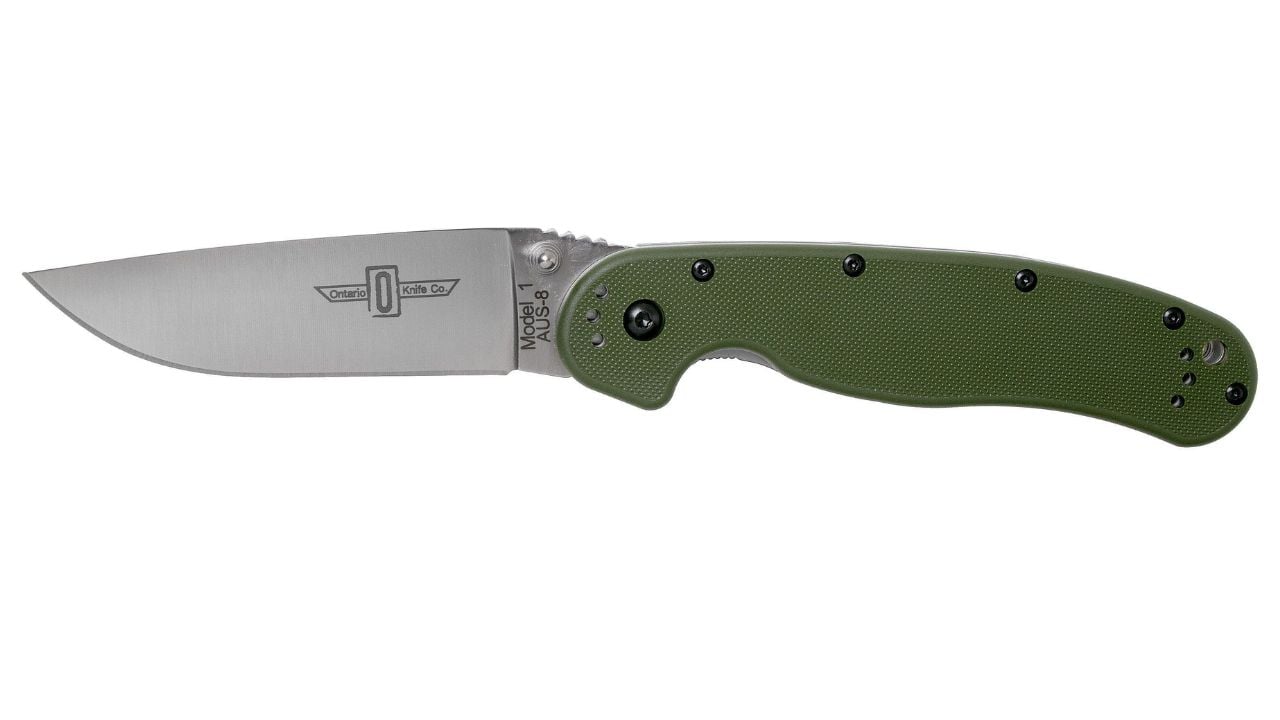
The RAT-1 got popular because it works, not because it was flashy. It fills the hand, the blade shape is practical, and it’s the kind of folder you can use hard without feeling like you’re abusing something precious. The older American-made runs have a certain “tight but not stiff” feel that’s hard to describe until you’ve handled a few.
Modern budget folders are a crowded market now, but plenty of them cut corners where you notice later—soft screws, gritty pivots, goofy blade shapes, or clips that bend if you look at them wrong. A good RAT-1 is boringly dependable. It’s also easy to maintain. If you want a work folder you won’t cry over, this one still competes.
13. Ontario Knife Company (OKC) RAT-3 (USA)

The RAT-3 hits a sweet spot for outdoorsmen who actually carry a fixed blade. It’s big enough to do real work but small enough not to snag every time you sit down or climb into a stand. The blade geometry is made for cutting, not just being thick and “tough” on paper.
A lot of modern small fixed blades are either too thick behind the edge or too handle-heavy. The RAT-3 tends to balance well, and it’s easy to control for detail work like carving stakes or cleaning up notches. The factory sheath setups varied over the years, and some are better than others, but the knife itself is the main event. For a belt knife that doesn’t overcomplicate life, it’s a strong pick.
14. Ontario Knife Company (OKC) SP-1 Marine Combat Knife
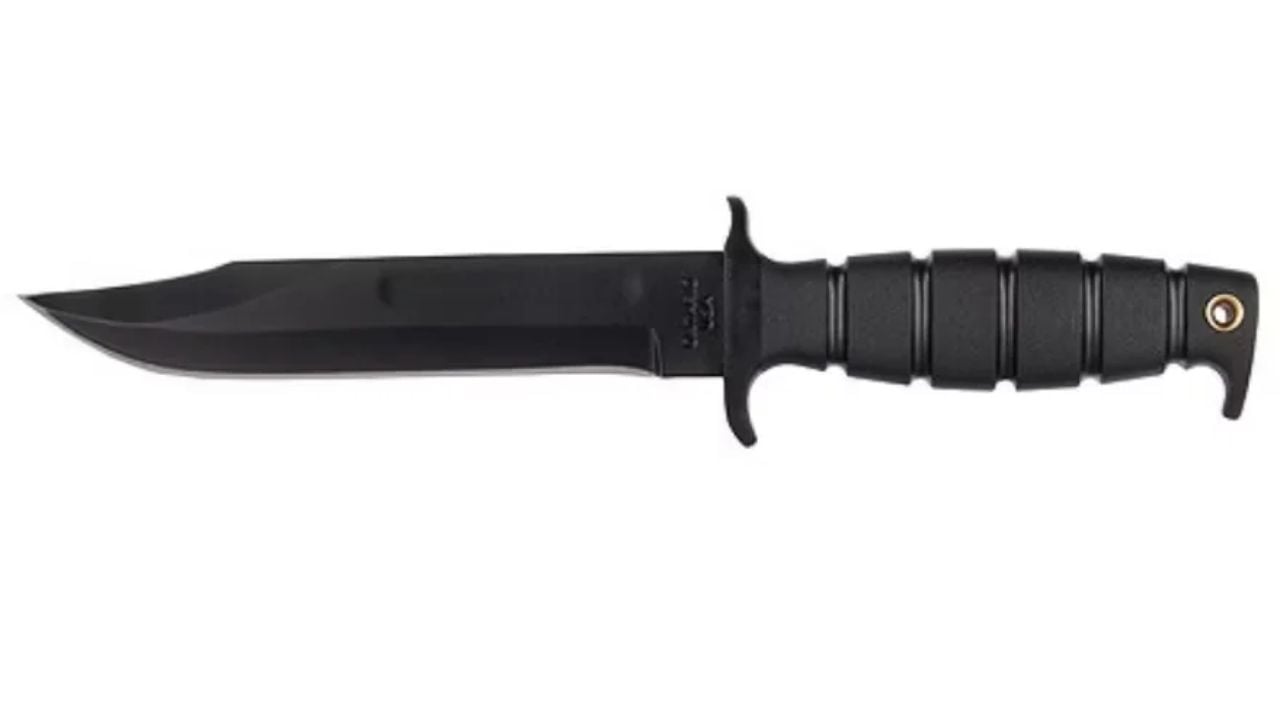
The SP series doesn’t get talked about as much as the Ka-Bar, but some of those old Ontario combat-style blades are just flat-out useful. The SP-1 has a sturdy profile and enough blade to handle camp chores, rough cutting, and the kind of work that chews up daintier knives. It’s not light. It’s not refined. It is effective.
Modern “combat” knives often lean into gimmicks—sawbacks that don’t saw, coatings that flake, and handle shapes that look cool until you wear gloves. The SP-1’s strength is that it’s straightforward. Keep it clean, keep it sharp, and don’t expect it to be a skinning knife. Used in its lane, it still outworks a lot of newer stuff.
15. Schrade 34OT “Middleman” (USA)
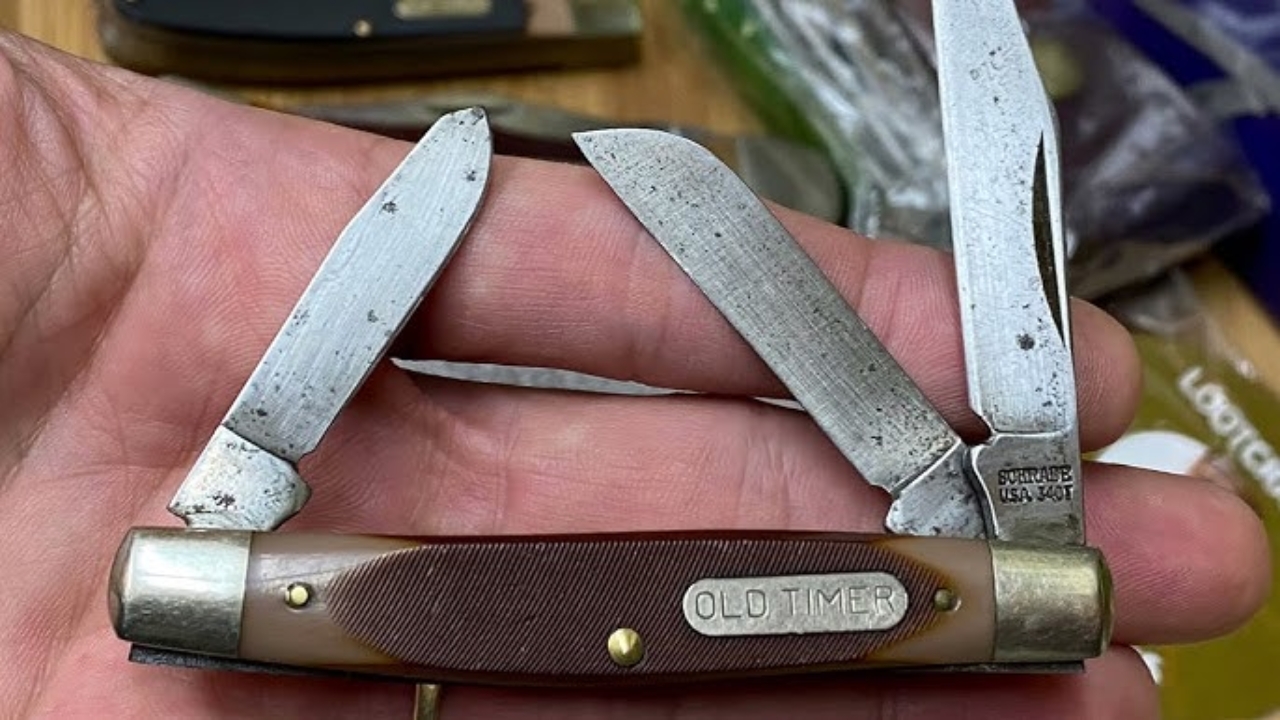
The Schrade Old Timer line was never about showing off. The 34OT is a classic three-blade pocket knife that just works, and the older USA versions have a solid feel that’s hard to find in today’s throwaway world. The blades are practical, and the knife has enough handle to actually grip when you’re cutting something stubborn.
Steel is only part of the story; heat treat and edge geometry matter, and these were built for regular folks doing regular work. The Delrin handles aren’t fancy, but they don’t mind getting wet, dirty, or banged around. If you grew up seeing one on a granddad’s pocket, you already know. If you didn’t, you might be surprised how useful “simple” can be.
16. Schrade 8OT “Senior” (USA)
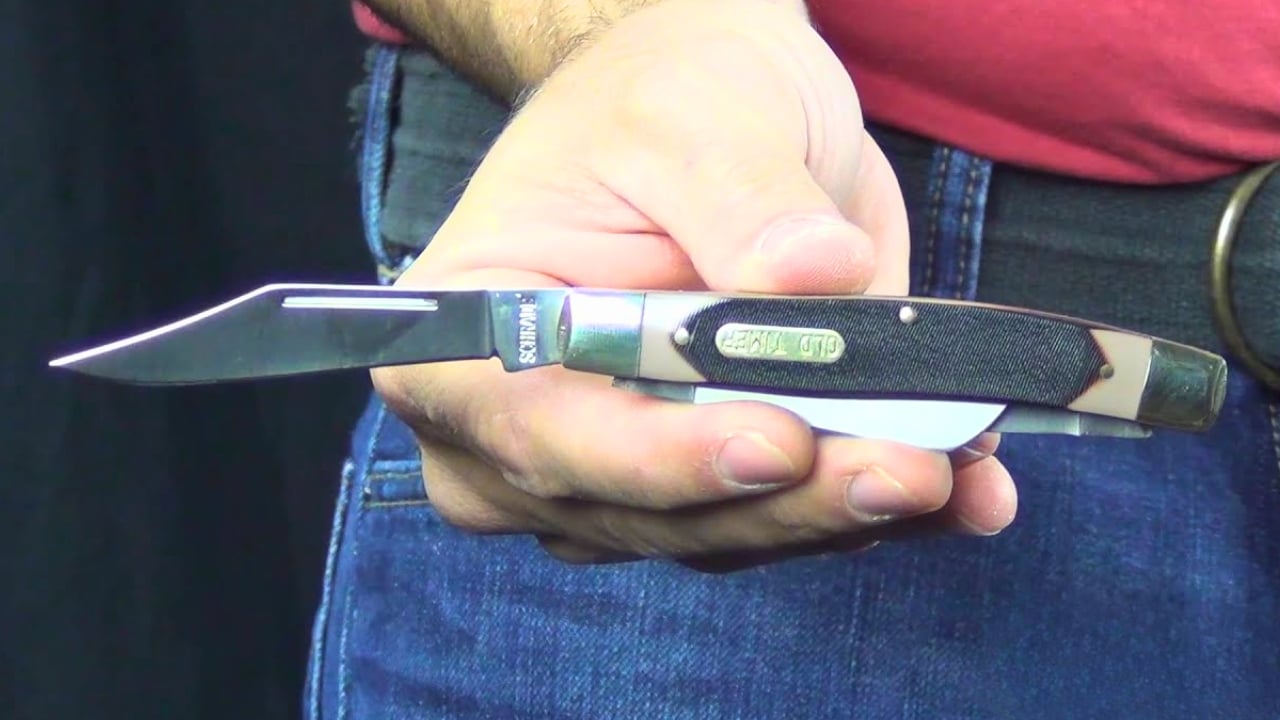
The 8OT is bigger than the 34OT, and that extra size makes it a better choice for gloved hands or cold-weather use. It’s still a traditional slipjoint, so you use it accordingly, but it gives you a lot of cutting edge in a package that rides easy in a coat pocket. The older ones have that familiar snap that tells you the springs are doing their job.
Newer pocket knives can be more “advanced,” but a lot of them are built around clips, studs, and thick liners that make them bulky. The 8OT disappears until you need it, then it’s ready to work. It’s also a knife you can actually sharpen without special equipment. For anyone who spends time outside and values a no-drama tool, the old Senior still earns a spot.
17. Camillus USN Mark 2 (Vietnam-era and similar)
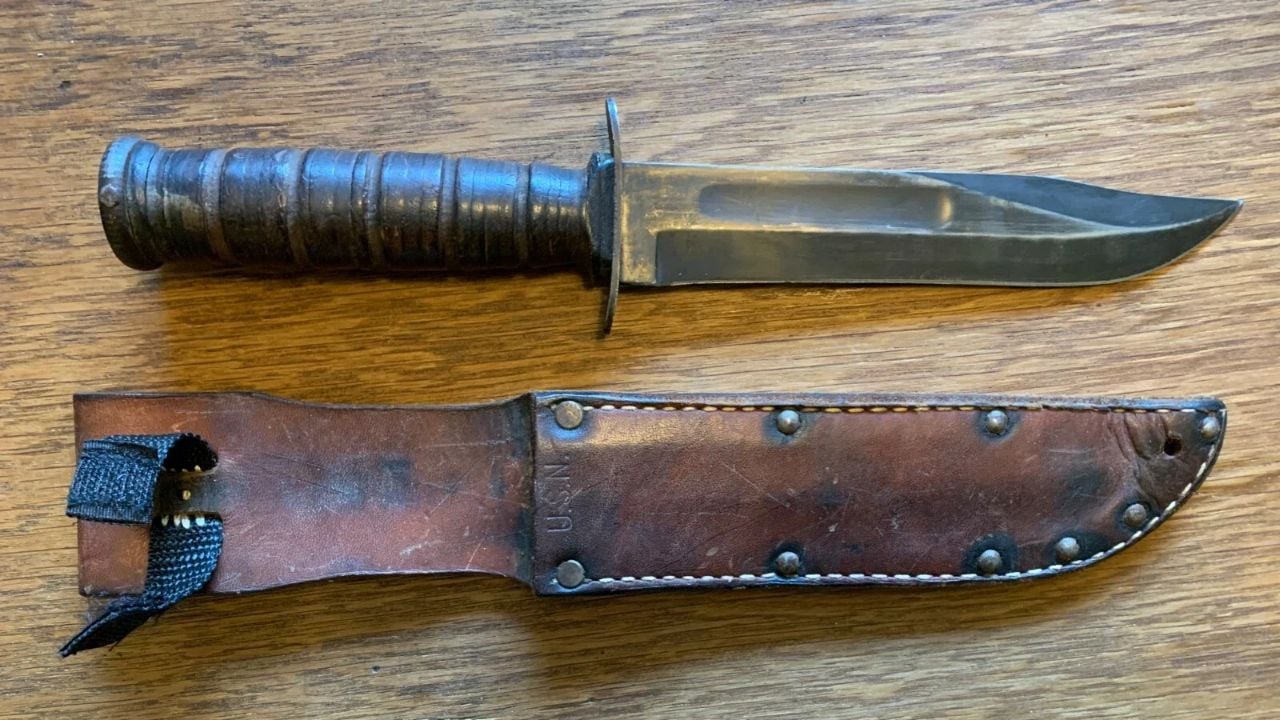
The Camillus-made Mark 2 is one of those knives that feels like it belongs with canvas gear and a field jacket. It’s not a collector-only piece if you find one that’s been used; it’s a working knife with a proven design. The blade shape is handy for camp tasks, and the overall construction is meant to survive rough handling.
Where it still beats modern “retro” reissues is honesty. The old ones were built to be issued and used, not babied. Leather handles need care, and the steel can stain if you ignore it, but that comes with the territory. If you want a knife with history that can still do real chores, a good Camillus Mark 2 is hard to dismiss.
18. Western W49 Bowie (older Boulder-era style)
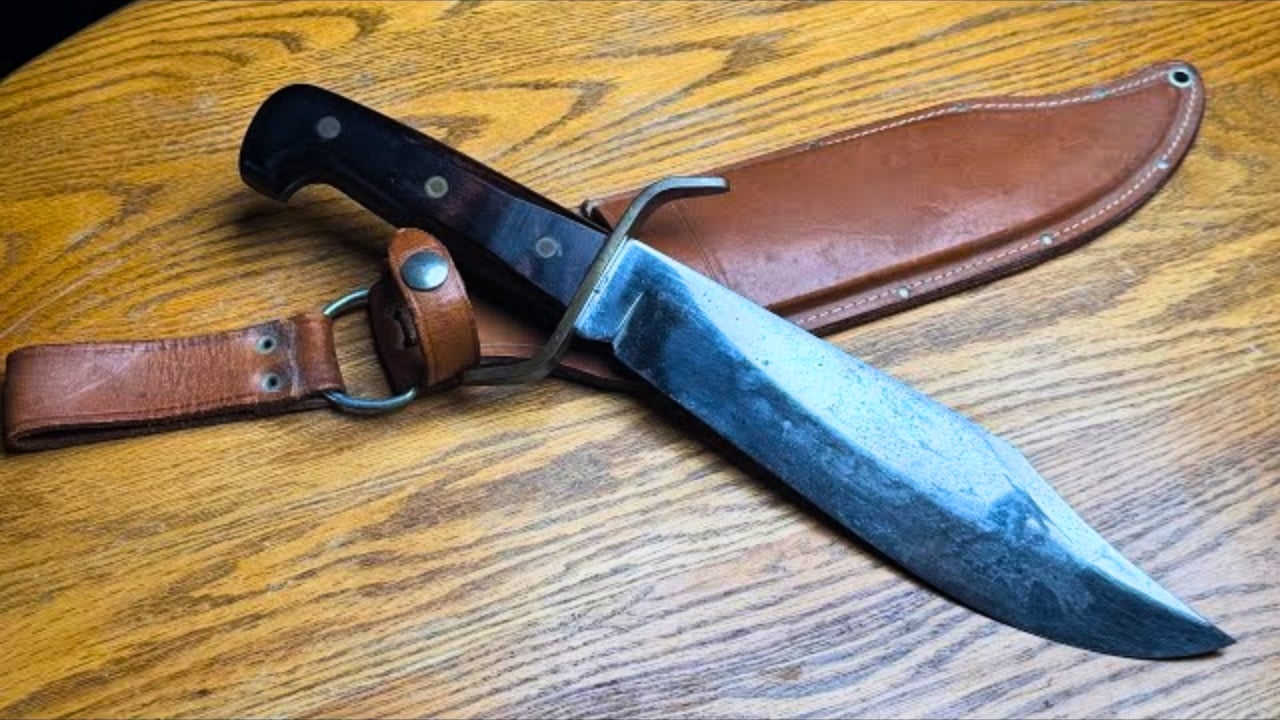
The Western W49 is a big, classic outdoors blade that’s more practical than the word “Bowie” makes it sound. It has enough blade for brushy tasks and camp food prep, and it can handle splitting smaller kindling if you’re careful. What stands out on the older ones is the feel—good grind, comfortable handle, and a balance that doesn’t fight you.
Modern big knives often go thick to prove toughness, and then they cut like a wedge. The W49 tends to be more usable as a cutter, which is what you actually need in the field. It’s not the knife I’d pick for fine caping work, and it’s not light on the belt. But if you like one fixed blade that can cover a lot of ground, this is one of the old American standouts.
19. Marble’s Ideal (older USA production patterns)
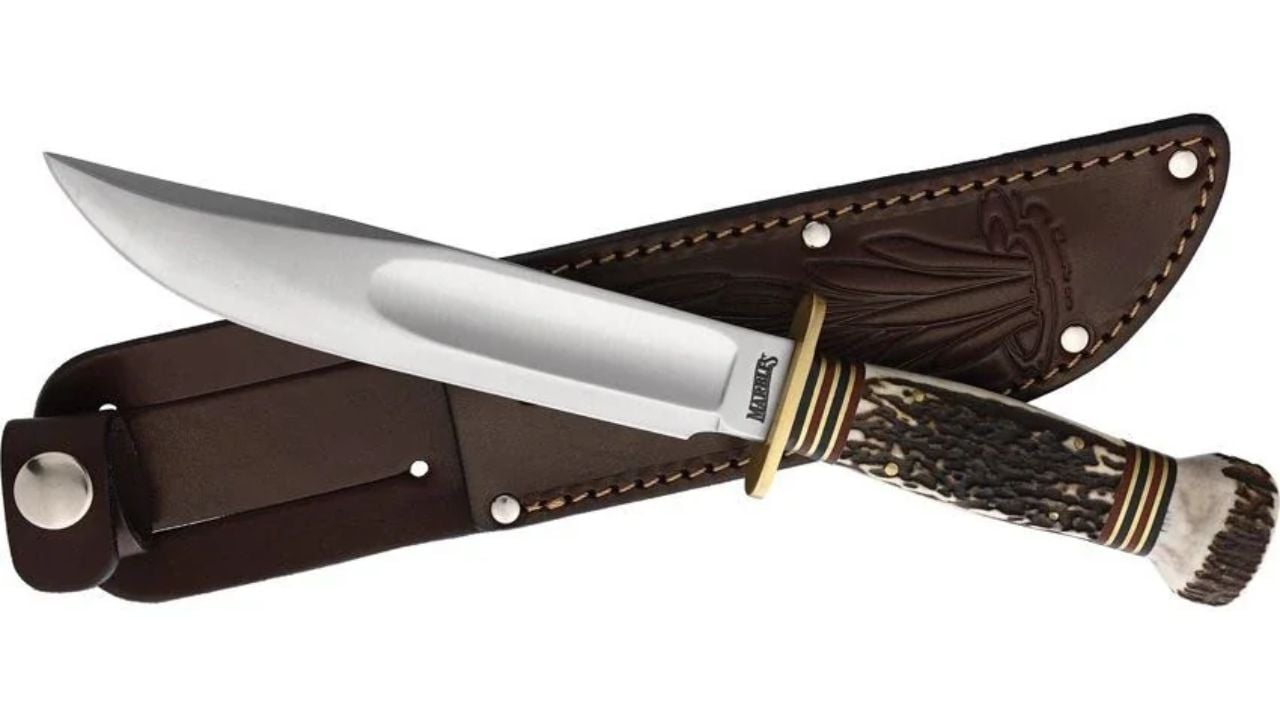
Older Marble’s hunting knives have a look that screams classic deer camp, but the reason they lasted is performance. The “Ideal” pattern in particular tends to have a good belly for skinning and a point that’s usable without being fragile. In the hand, it feels like it was shaped by someone who actually dressed animals, not someone designing around a computer rendering.
A lot of modern hunting knives are either too specialized or too gimmicky. The older Marble’s style is just a solid hunter’s knife. You can touch it up quickly, it rides well on a belt, and it’s easy to clean. The downside is you need to be careful buying used—some have been sharpened into odd shapes over the decades. Find a good one, and you’ll understand the reputation.
20. Gerber 600 Multi-Plier (USA)
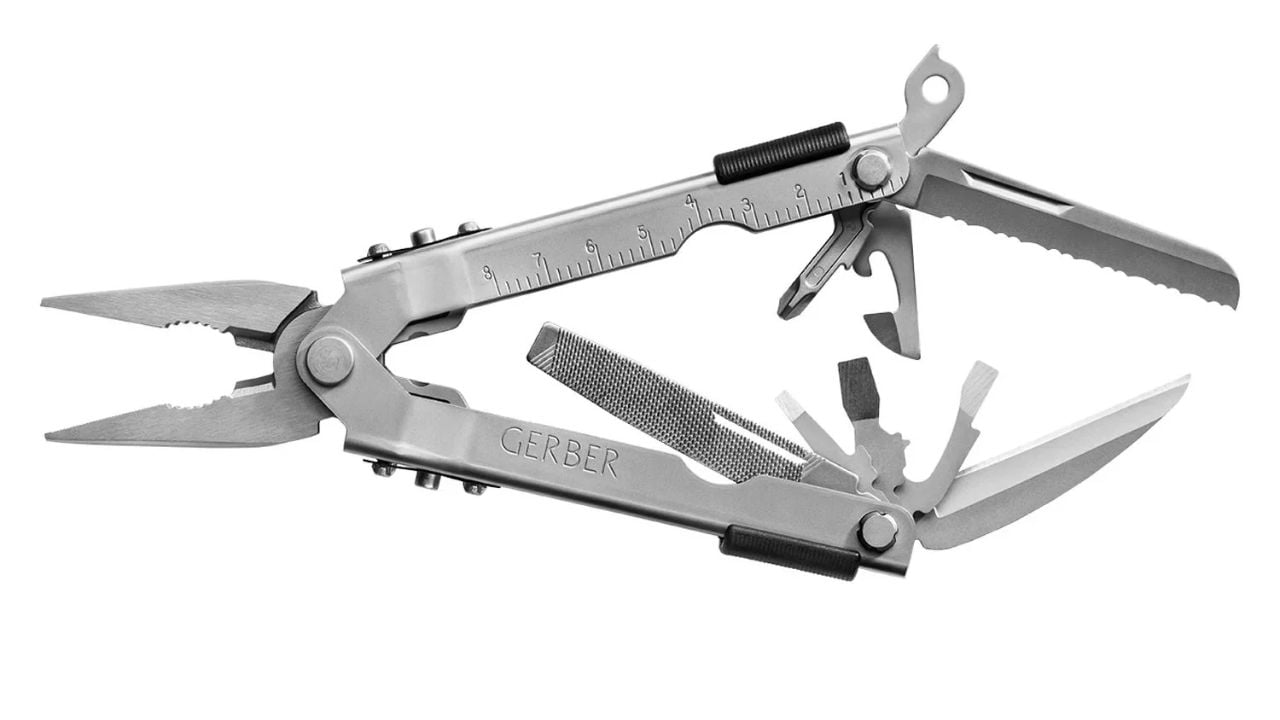
I know, it’s a multi-tool, not a “knife knife,” but if you’ve spent time around rifles, ATVs, treestands, and boats, you already get why it belongs here. The USA-made Gerber 600 is one of the few multi-tools that feels like it was designed for actual work gloves and cold hands. That one-handed plier action is not a gimmick when you’re juggling gear.
The blade steel isn’t exotic, and the knife portion won’t out-slice a dedicated folder. But overall utility counts, and the 600 keeps saving the day: crimping, grabbing hot wire, tightening screws on an optic mount, fixing a loose pack buckle, or pulling a thorn out of a dog’s paw pad without a wrestling match. Modern multi-tools can be nicer on a desk. The old 600 shines where things are dirty and time matters.
None of these knives are perfect, and a few of them are downright unfashionable. Still, when you’re wet, cold, and busy, “unfashionable” is usually the gear that works. If you’ve got one of these older American-made blades in a drawer, put an edge on it and carry it for a week. You’ll remember why it survived all the trends in the first place.
Like The Avid Outdoorsman’s content? Subscribe to our newsletter so you never miss an article.
Here’s more from us: