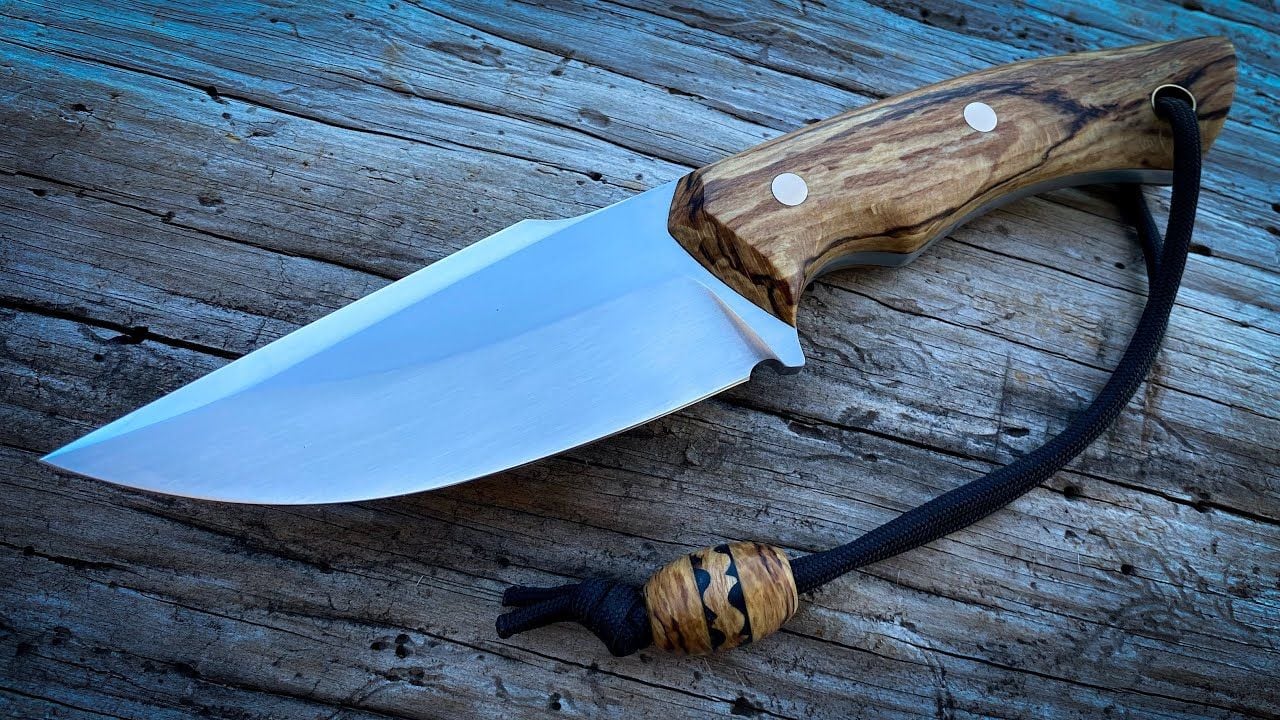
Photo credit: AVmake/YouTube
Every season I see the same thing at deer camp and at estate sales: a box of “old knives” sitting under a table like they are all butter knives. A lot of those blades are just honest users, and that’s fine. But mixed in are a few that are quietly worth real money, or at least worth far more than the owner’s nephew thinks when he posts them for a quick sale. The tricky part is value isn’t only about age. It’s about steel, stamps, sheath details, limited runs, and whether the knife world has decided a certain model is “the one.” Here are 20 hunting knives that get undervalued all the time, and why I would slow down before you trade one for gas money.
Randall Made Knives Model 1 “All Purpose Fighting Knife”
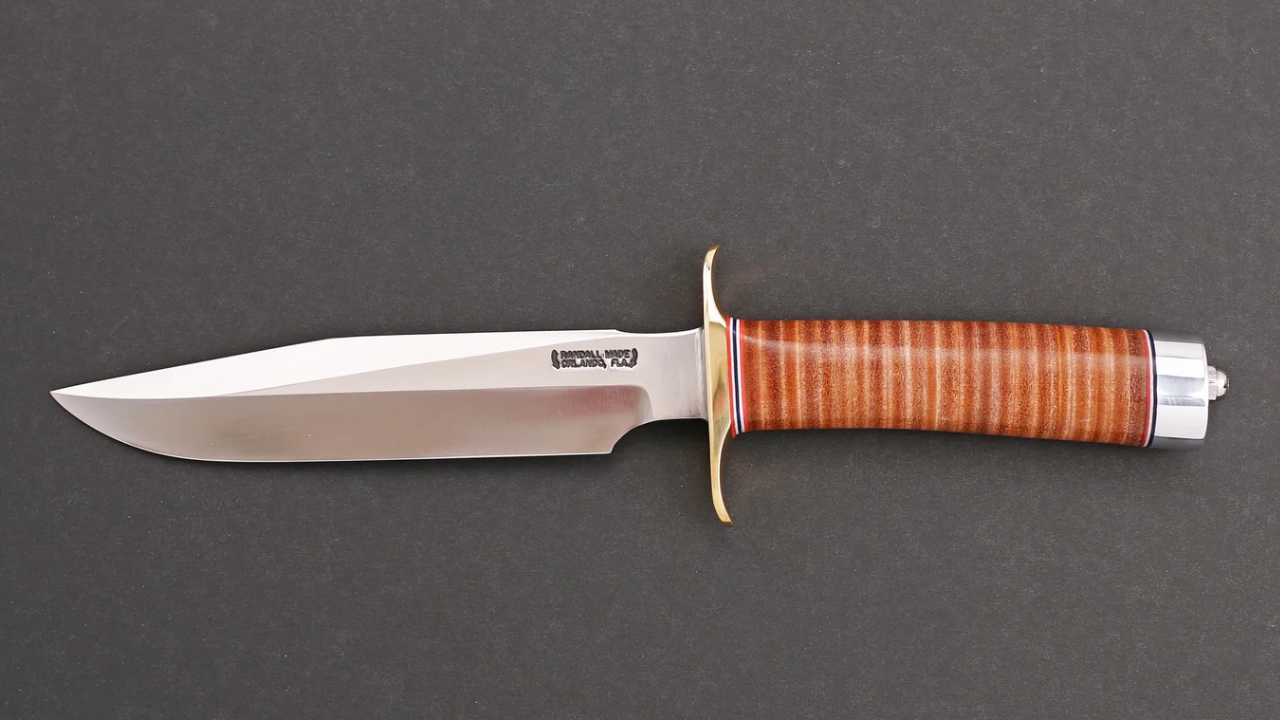
It’s not a pure hunting pattern, but plenty of outdoorsmen carried a Model 1 because it flat-out works. The surprise is how much the small details matter: blade length, grind, handle material, guard style, and especially the sheath. A Randall with the right stamp and the right sheath can jump from “nice old knife” to “don’t let it out of your sight” in a hurry.
Even beat-up examples can bring strong money because wait times and demand keep the market hot. Lots of owners don’t realize the story behind them either. They were bought by servicemen, traded around camps, and actually used. If you’ve got one in a drawer, don’t “clean it up” with a grinder or buffing wheel. That’s how value gets wiped out in ten minutes.
Randall Made Knives Model 5 “Camp and Trail”
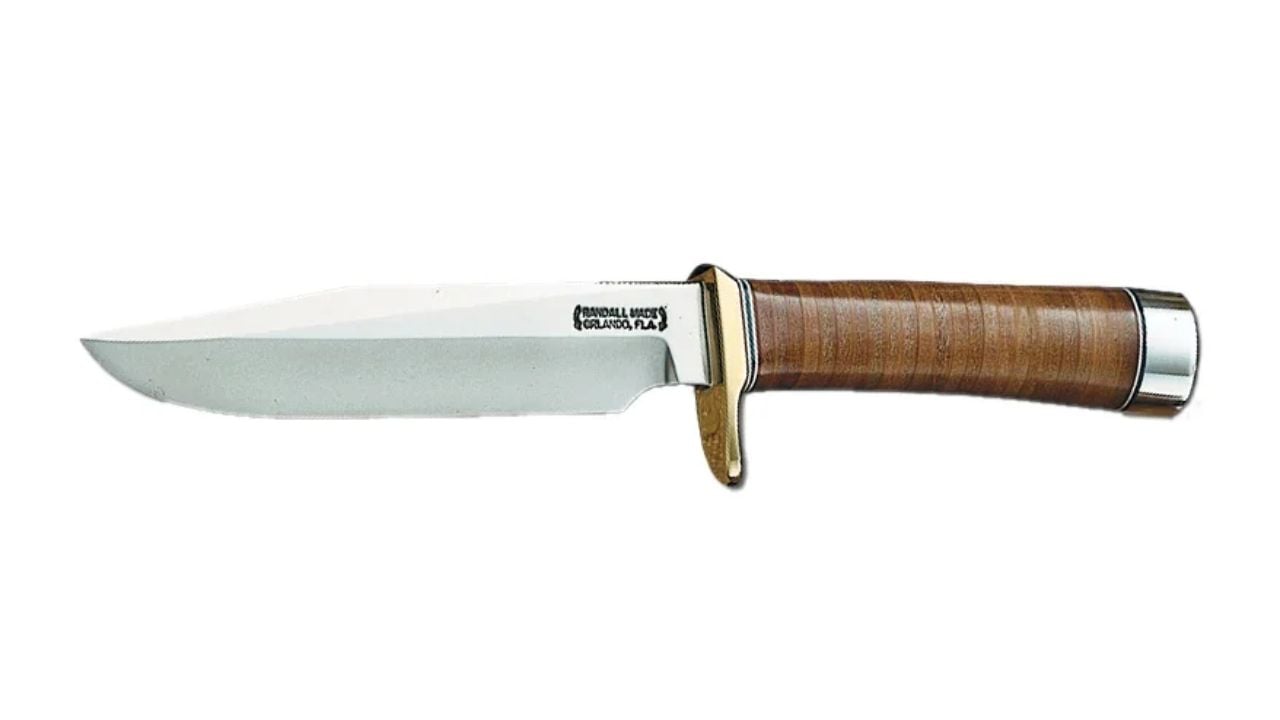
The Model 5 is one of those knives that looks simple until you spend a weekend using one. It’s a do-it-all fixed blade that dresses deer cleanly, splits kindling without drama, and rides well on a belt. Because it’s a working design, owners often treat it like any other carbon-steel knife and never think about collector demand.
But Randall collectors chase Model 5 variants hard, and again, sheath and configuration matter. A period-correct sheath, the right markings, and a handle that hasn’t been sanded into a different shape can make it worth far more than a modern production “Randall-style” knife. If grandpa had one, odds are it’s not just sentimental.
Ka-Bar USMC (WWII-era and early post-war production)
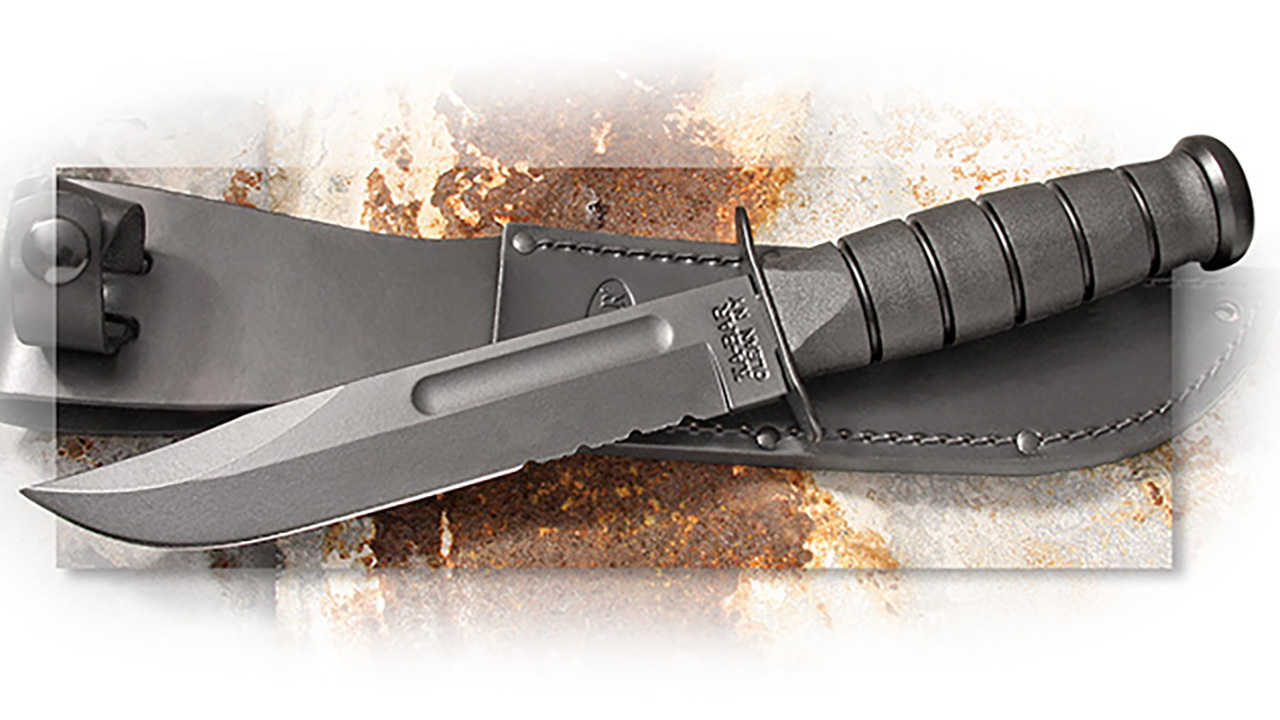
Not every old Ka-Bar is a retirement plan, but certain eras and markings matter. Wartime production knives with clear stamps and original leather washer handles get attention, and the same goes for early post-war pieces in good condition. A lot of hunters ended up with them because they were everywhere, cheap at the time, and practically indestructible.
What owners miss is how many modern “USMC” Ka-Bars exist that look similar but don’t carry the same value. Original sheaths, maker markings, and the overall condition of the stacked leather make a big difference. If it smells like an attic and the sheath looks like it marched through history, it might be worth checking before you toss it in a trade pile.
Western Cutlery W49 Bowie
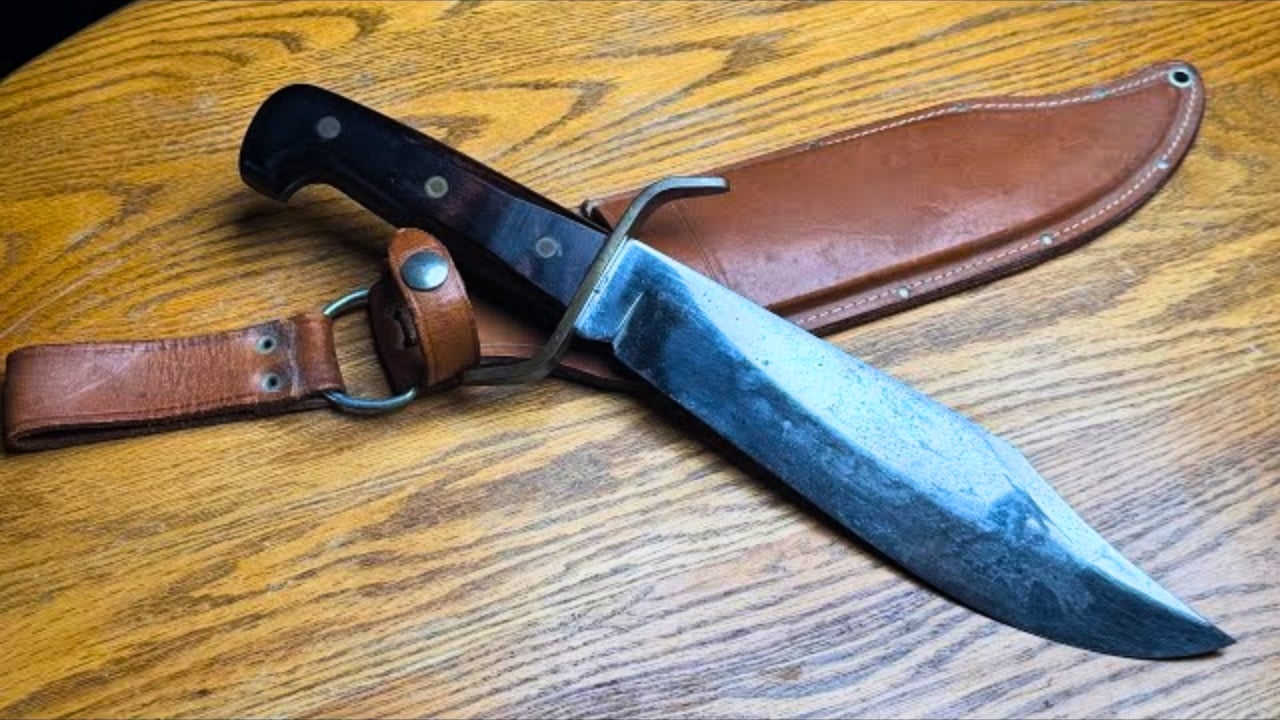
The W49 is one of those classic American big knives that got used hard on ranches and in elk camps. It’s not a dainty showpiece. It’s a working Bowie with enough blade to quarter an animal, chop small limbs, and handle camp chores without feeling like a novelty.
Because Western made plenty of knives, folks assume they’re all common. The W49 is different. Condition, tang stamps, and sheath style separate a $100 curiosity from a much more serious piece. And the older Westerns have a feel that’s hard to replace—good balance, good grind, and steel that sharpens up like it wants to work.
Western Cutlery L66 “Baby Shark”
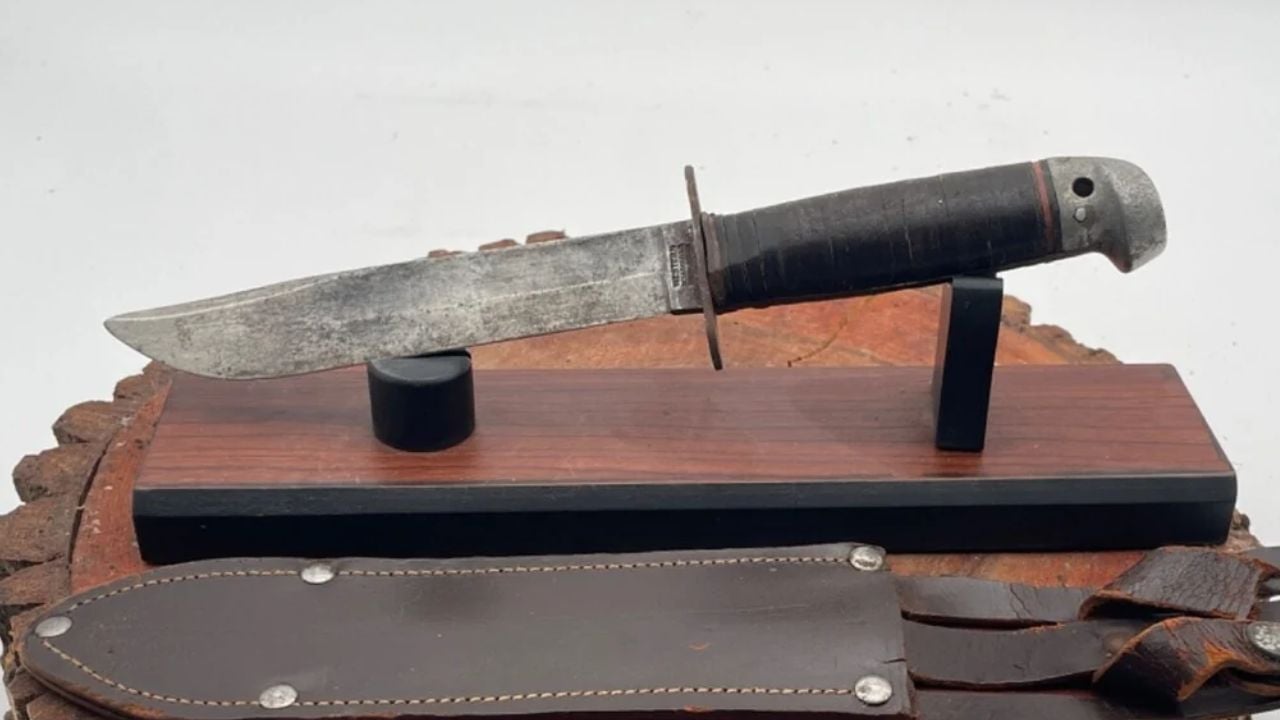
This is a smaller pattern that gets overlooked because it isn’t flashy. Then you actually put it on a deer and you understand why it has a following. The blade shape is efficient, the handle fits most hands, and it’s the kind of knife that ends up being the one you grab without thinking.
The older L66 knives—especially those with desirable stamps and original sheaths—can bring surprising money. Lots of them got carried, so pristine examples are harder than you’d think. If you see one at a flea market with a decent sheath and clean stamp, don’t assume it’s just another “old Western.” The small patterns are often where the value is hiding.
Case XX Fixed Blade “Leather Hunter” (e.g., 5254, 523-5)
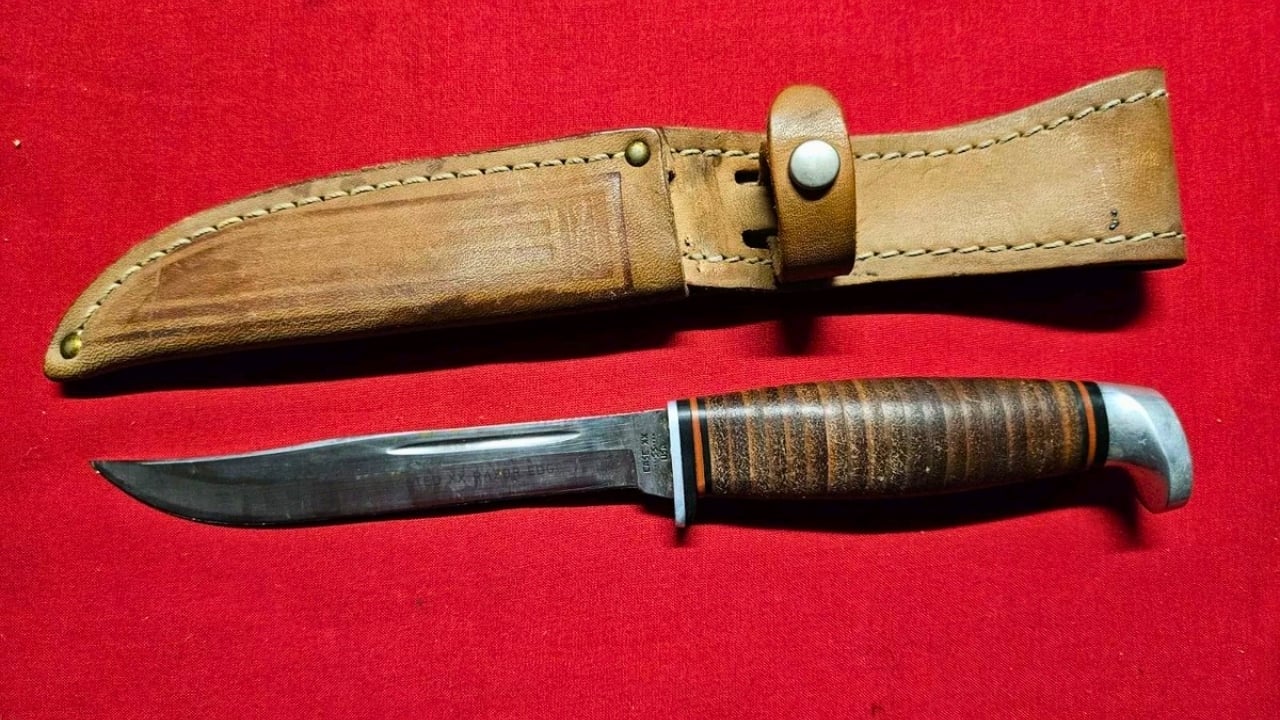
Case folders get all the attention, but the fixed blades have their own crowd. The Leather Hunter series shows up in gun cabinets all over the country because they were affordable, they worked, and they came with those familiar leather sheaths. A lot of owners still think of them as a $30 knife because that’s what they paid decades ago.
Variations in tang stamps, handle materials, and era can move the needle. Some specific runs are more collectible than people realize, and original sheaths matter more than you’d expect. The biggest mistake is over-polishing the blade or swapping the sheath when the original one gets worn. Honest patina is fine. “Restoration” usually isn’t.
Case XX “Sodbuster” Fixed Blade (and similar older Case hunters)
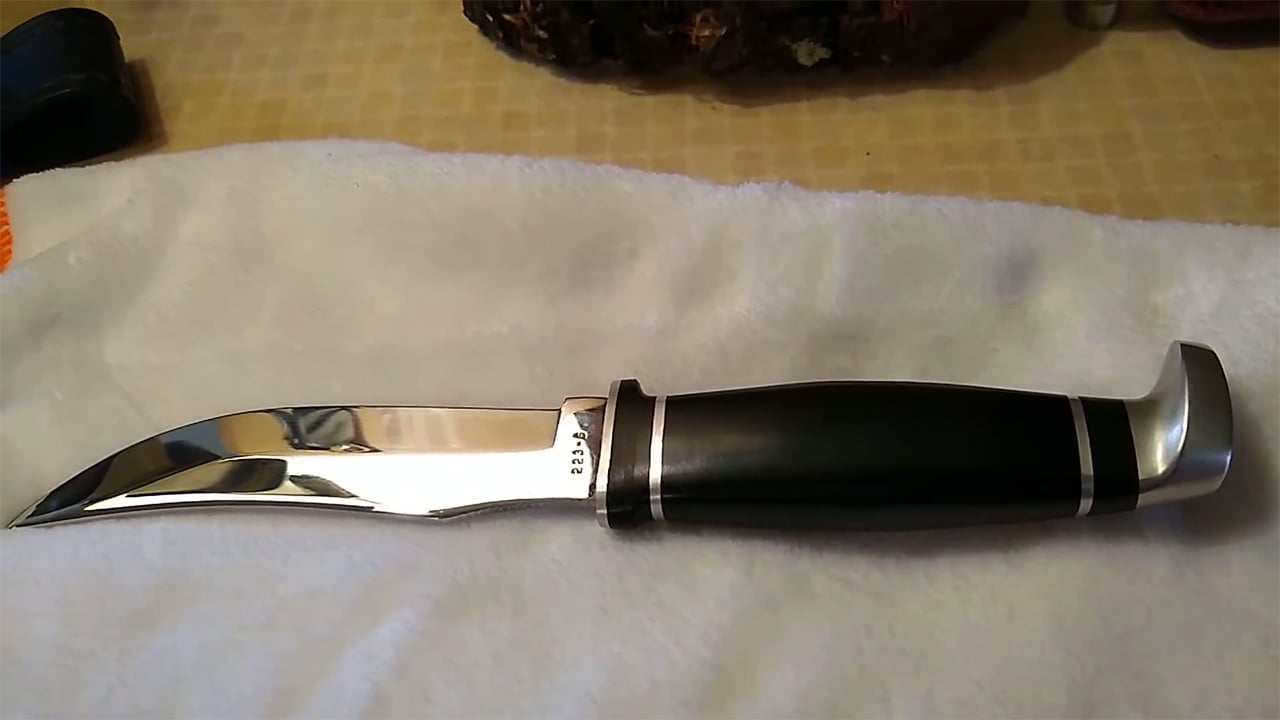
Case made several fixed blades that live in the shadow of the Leather Hunter name. They’re straightforward hunting knives: drop points, manageable lengths, comfortable handles. They’re also the kind of knife that gets thrown in a drawer because it’s “nothing special.” That’s usually when the grandkids sell it for nothing.
Collectors like era-correct stamps and factory grinds. A knife that’s been reground into a totally different profile might still be a good user, but it won’t be what it could have been value-wise. If the blade still has its original lines and the handle hasn’t been sanded down, it’s worth a closer look. Some of these surprise folks in a hurry.
Buck 119 Special (older two-line and early production)
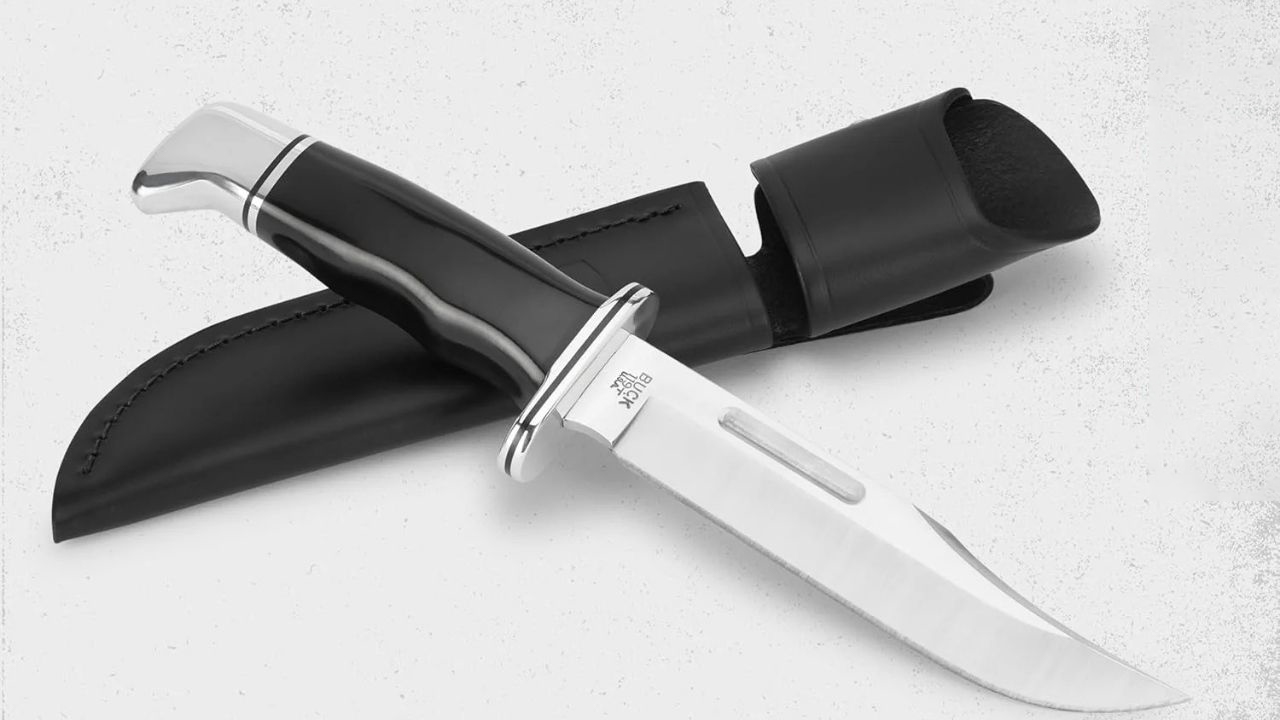
The Buck 119 is almost too common, which is why it gets undervalued. It’s the classic big hunting knife you saw on belts for decades. The newer ones are still solid, but the older versions with certain stampings and details are where the collector interest lives.
A lot of guys keep a 119 as a “truck knife” and beat it up, which is understandable. But if you’ve got an older one with the right stamp and an original sheath, it’s not just a $40 blade. Also, don’t assume because it’s a Buck that it’s all the same. Era matters. Packaging matters. Even small changes in guards and pommels matter to the folks who chase them.
Buck 110 Folding Hunter (early production and special runs)

/Youtube
Not everyone thinks of a folder as a hunting knife, but the 110 has dressed more deer than a lot of “purpose-built” blades. It’s heavy in the pocket, sure. Still, it locks up like a bank vault and the blade shape just works when you’re up to your elbows and trying to be careful.
Early 110s and certain limited editions can be worth far more than the average owner realizes. The biggest tell is condition and originality. A 110 with the original sheath and minimal blade loss from sharpening is a different animal than one that’s been “tuned up” for years on a carbide pull-through sharpener. Ask me how I know. If you’ve got an older 110 that still has crisp markings, don’t let it walk off cheap.
Gerber Mark II (older production)
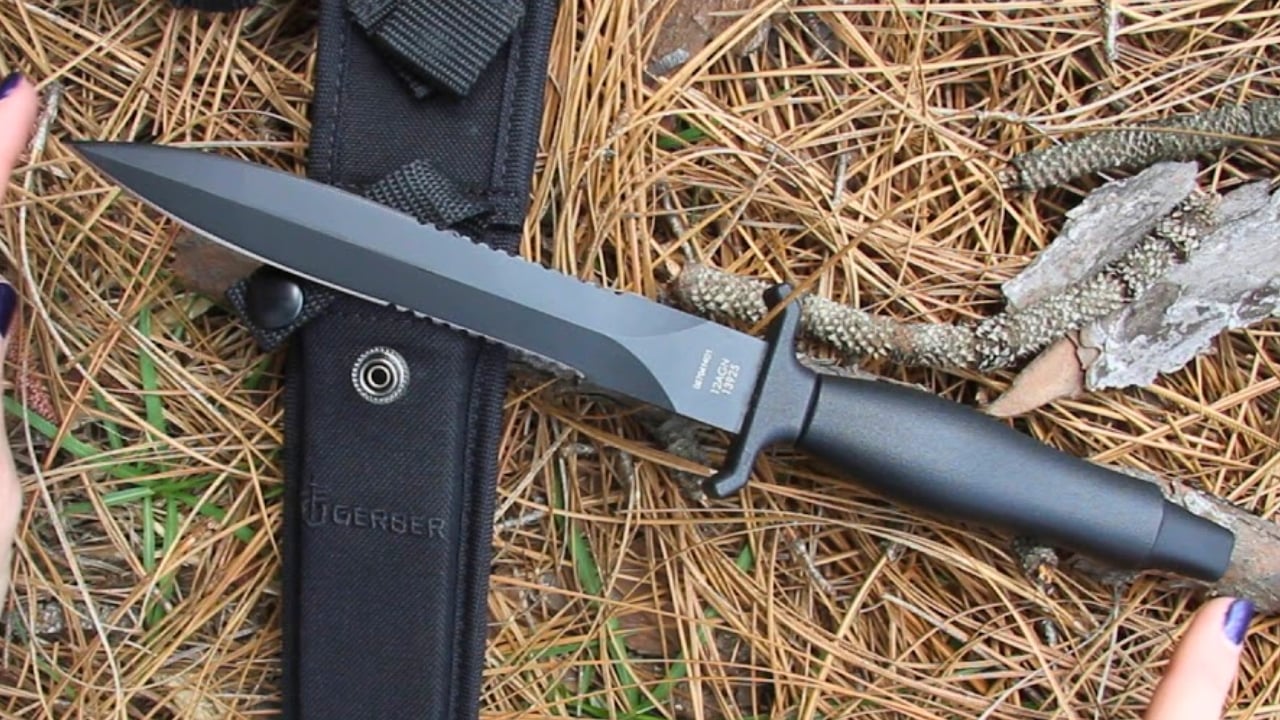
The Mark II is more “field knife” than traditional hunting knife, but plenty of hunters carried them because they’re slim, tough, and easy to wear. They also have a long history and a look that people recognize instantly. That recognition is part of what drives value.
Older Mark IIs, depending on the era and markings, can bring real money, especially in clean condition. Owners often miss that because they see a black-handled Gerber and think it’s interchangeable with any other. It isn’t. If you find one with the right details and the edge hasn’t been abused, it’s worth research before you list it as a random “old Gerber.”
Gerber Magnum Hunter (older versions)
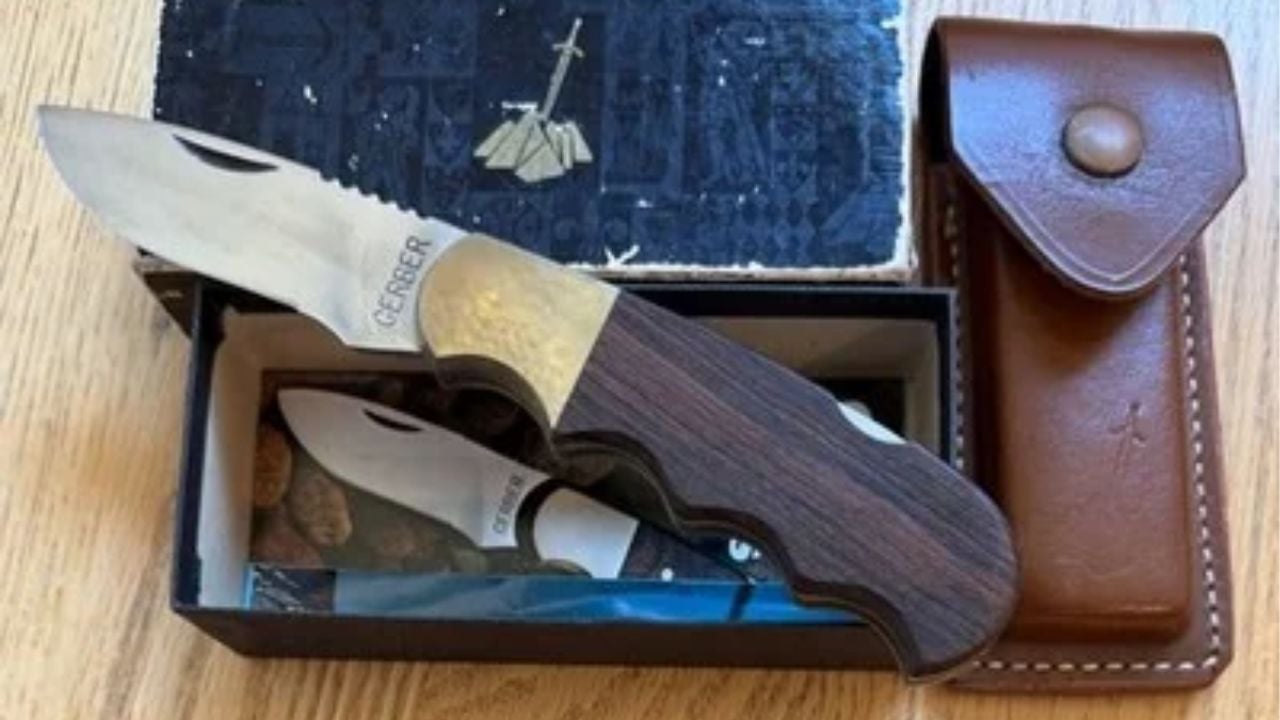
The Magnum Hunter is a true hunting knife that got used exactly the way it was intended. It’s got enough blade for elk or moose work, a handle that stays put when it’s slick, and a profile that doesn’t fight you when you’re trying to open up a body cavity cleanly. It’s not flashy, and that’s why owners undervalue it.
Older U.S.-made Magnum Hunters have a following, and complete sets with the sheath in good shape can jump in price. The sheath is often the weak link because they got soaked, dried by the fire, soaked again, and eventually cracked. If the knife is still tight and the markings are clear, don’t assume it’s just a “used camp knife.” Those older Gerbers are getting harder to find in honest condition.
Puma Original Bowie (German-made, older runs)
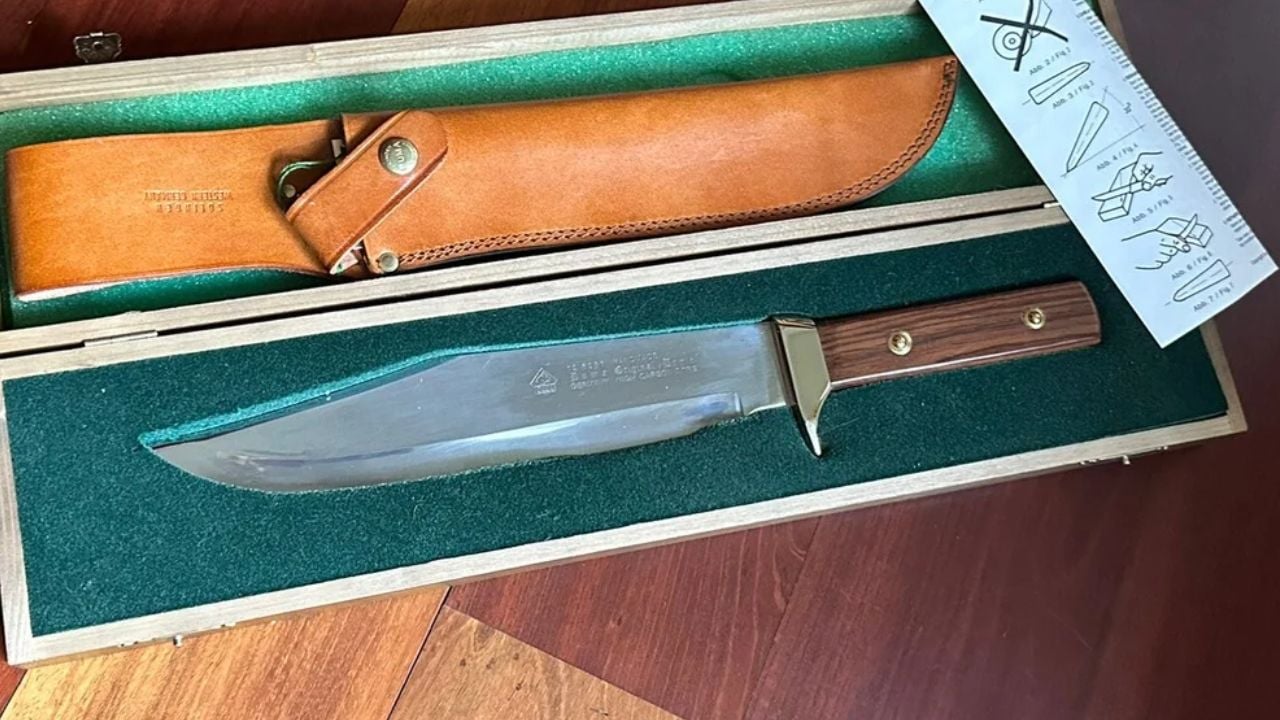
Puma knives show up in hunting circles because they were once a “buy it once” option for guys who wanted European steel and a serious build. The Original Bowie is big, confident, and surprisingly handy around camp. It’s also the kind of knife that ends up stored away because it feels too nice to beat on.
Older German-made Pumas with clear stamps, original sheaths, and intact handles can carry more value than a lot of owners expect. Beware the temptation to “freshen it up.” Patina is not the enemy on these. Over-polishing can erase markings and make the knife look wrong to collectors. If you’ve got a Puma that’s been sitting in a dresser, it may be worth more staying exactly the way it is.
Puma White Hunter (Original, not modern reissues)
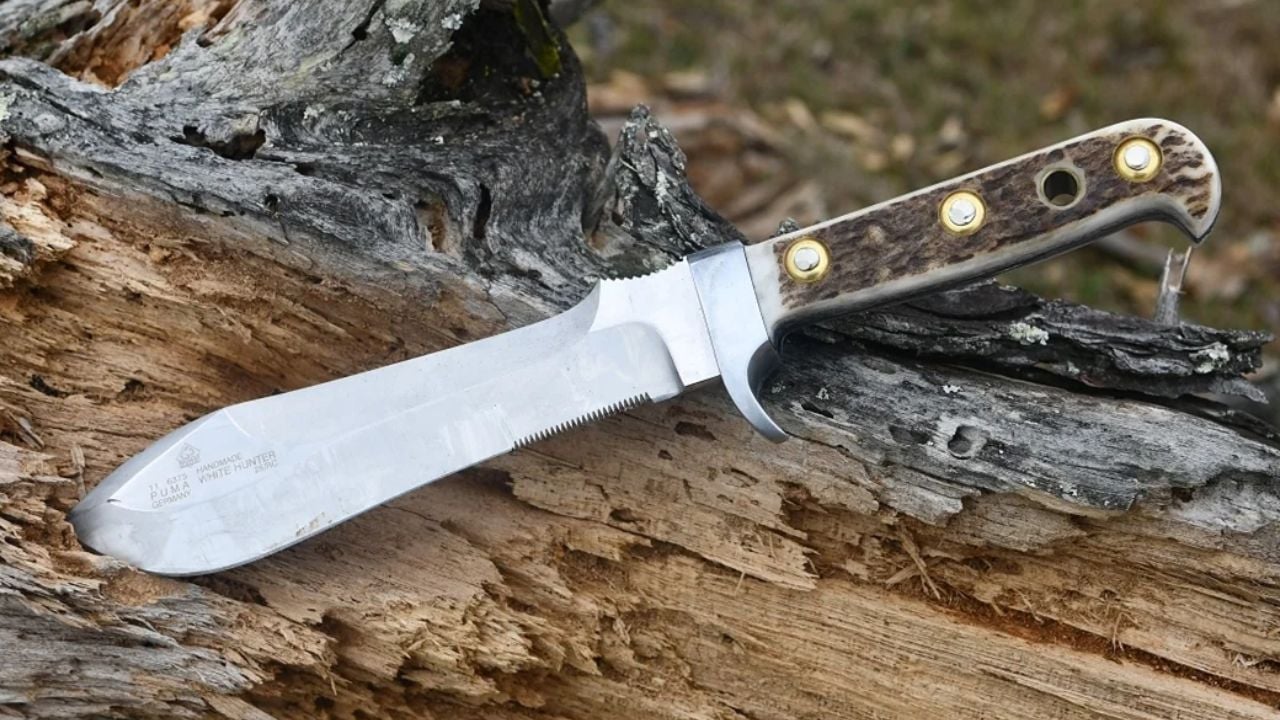
The White Hunter is almost a cliché in the hunting world, and that’s not an accident. The pattern works. The guard and handle shape are built for control, and the blade profile is friendly for skinning and general field work. A lot of them were bought as “nice knives,” carried a little, then tucked away.
Original German production pieces tend to be where the value is. Later reissues and look-alikes don’t hit the same. Condition counts, but so does completeness: sheath, box, paperwork if you have it. The White Hunter is one of those knives that gets mistaken for “just an old hunting knife” by anyone who isn’t paying attention. If yours has the right markings and hasn’t been messed with, slow down before you let it go.
Marbles Ideal (Gladstone-era and early production)
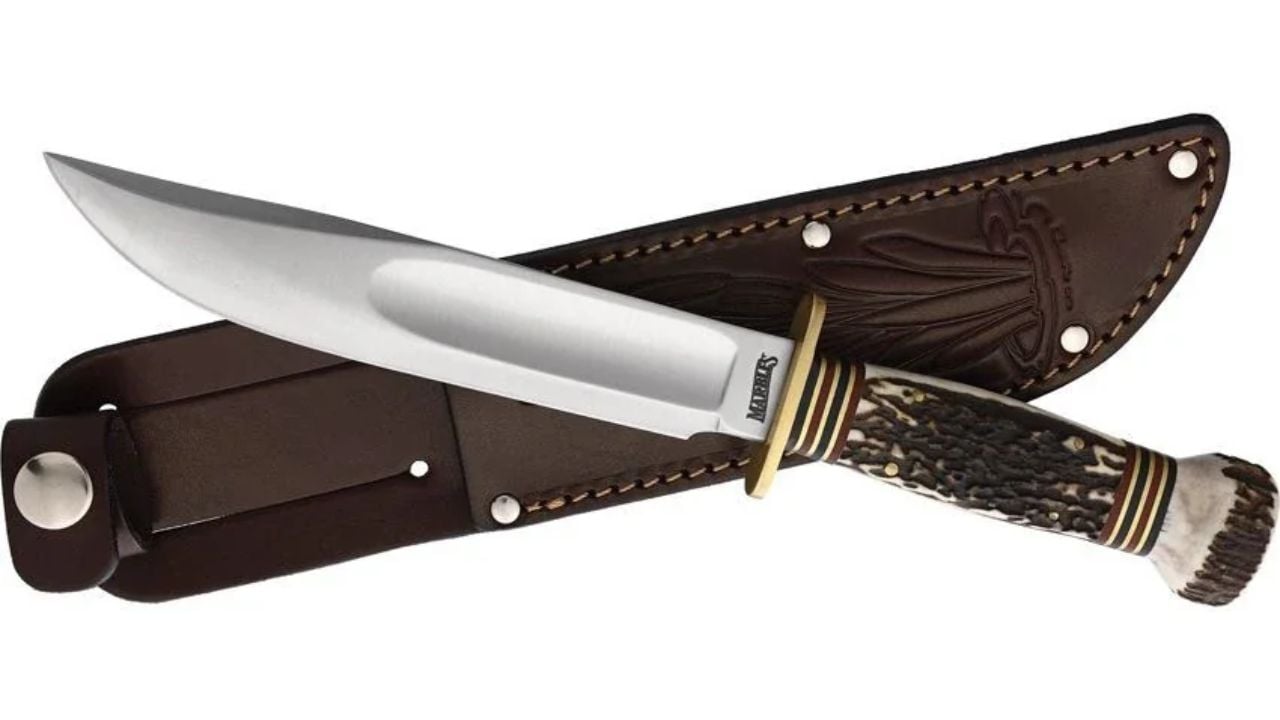
Marbles knives are old-school hunting tools, the kind you see in faded photos with a buck on a pole. The Ideal pattern, in particular, is a classic. It’s a comfortable, usable knife that does real work without being awkward. That’s why they got carried hard and why clean ones are harder to find now.
Older Marbles pieces with the right stamps and an original sheath can bring strong collector money. A lot of folks don’t realize how many reproductions and later versions are out there, so they assume everything with “Marbles” on it is equal. It isn’t. If you inherit one, don’t rush to scrub it shiny. The age and authenticity are the whole point, and they’re easy to ruin with “improvements.”
Marbles Woodcraft (older versions)
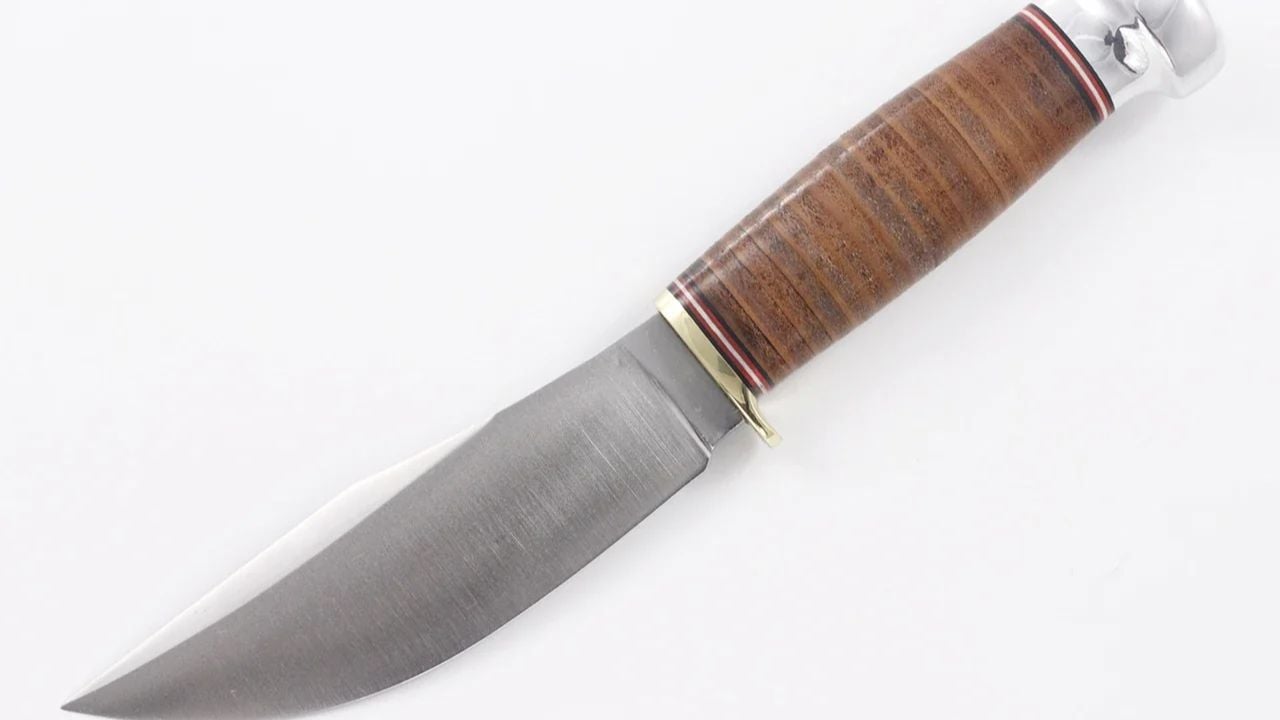
The Woodcraft pattern is one of those designs that makes sense the second you start using it. It’s a hunting knife, a camp knife, and a general belt knife all in one. The blade profile is practical, and the handle tends to lock into your grip without hot spots. There’s nothing fancy about it, and that is kind of the point.
Older Woodcraft knives get undervalued because they look like many other fixed blades at a glance. But the collector market pays for the right stamp, the right sheath, and the right era. The trap is that these were often “sharpened” aggressively. A Woodcraft with lots of blade left and crisp markings is a different story than one sharpened down to a toothpick. If you find one that hasn’t been abused, it deserves a second look.
Schrade Old Timer 165OT “Woodsman” (USA-made)
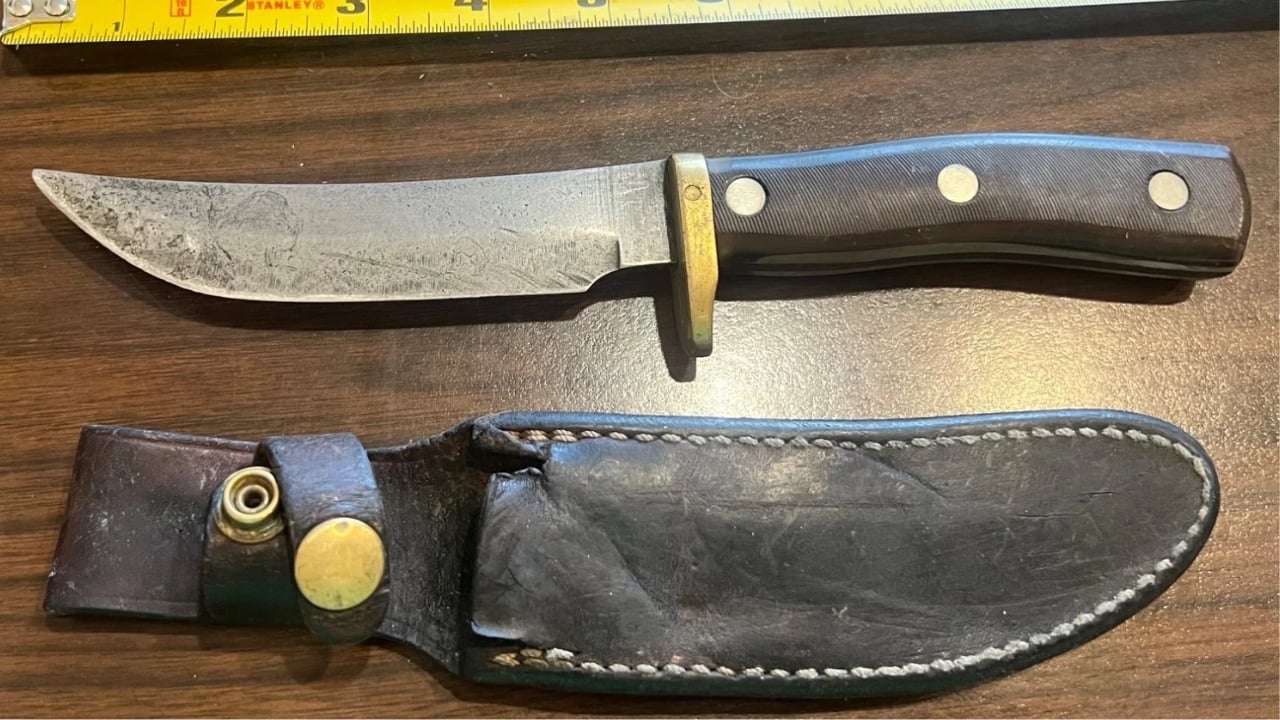
The 165OT isn’t a prestige knife in most minds. It’s a working man’s hunting knife, the kind that rode in a nylon sheath and got used for everything from gutting deer to cutting baling twine. That’s why they’re underestimated. When Schrade was still making these in the U.S., they were reliable, affordable, and everywhere.
Now, “USA” on a Schrade Old Timer fixed blade matters to a lot of people, and clean examples aren’t as common as they used to be. They’re not going to buy you a new pickup, but the value jump from “junk drawer knife” to “collectible user” surprises owners. If the handle isn’t cracked, the blade hasn’t been butchered, and you’ve got the original sheath, it’s worth more than the average garage-sale price tag.
Schrade Uncle Henry 153UH “Golden Spike” (USA-made)
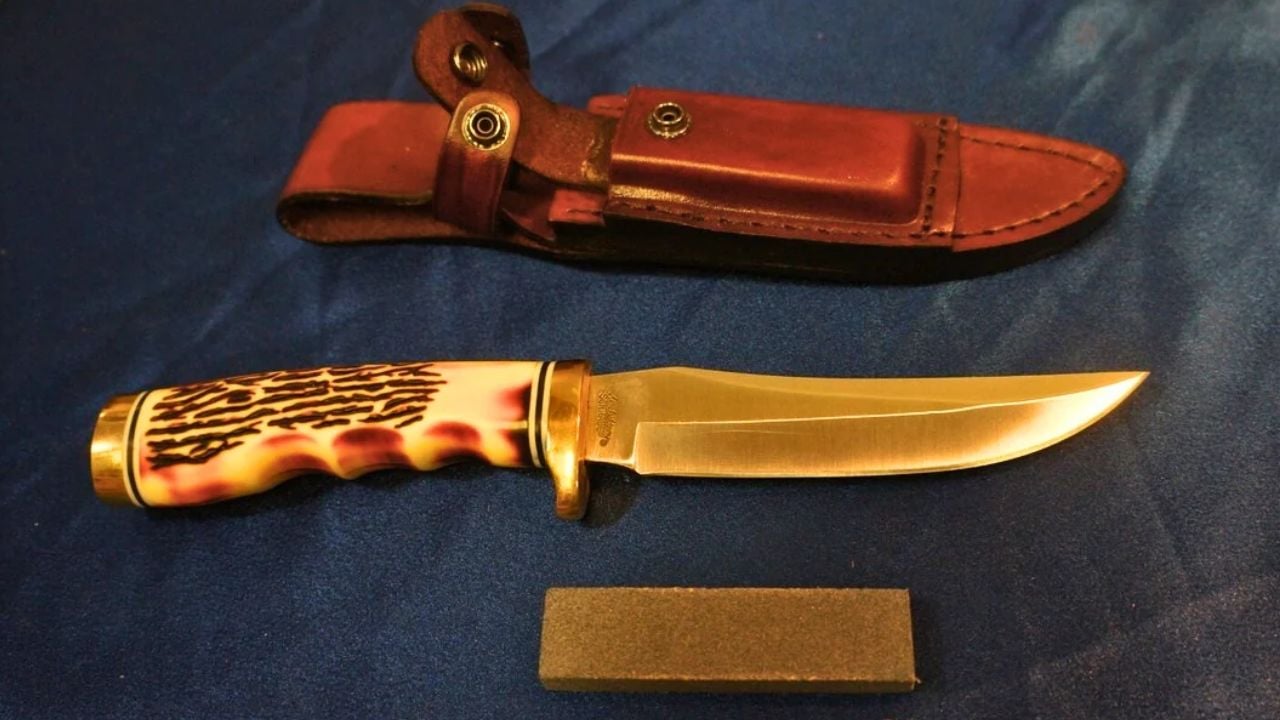
The Golden Spike is a legit deer knife. The blade length is right, the handle fills the hand without being bulky, and it carries comfortably. Plenty of hunters bought one, used it for a season or two, then it became the backup knife that lived in a pack for years. That’s how they get forgotten.
USA-made 153UHs have a solid following, and condition is everything. The brass guard and pommel show wear, and the blade finish can get scratched up. That’s normal. What hurts value is heavy buffing and sloppy sharpening that rounds the tip and washes out the factory lines. If yours still has good shape and readable markings, it’s not just a $20 beater. It’s a piece of a time when a lot of American hunters carried the same dependable tools.
Knives of Alaska Alpha Wolf
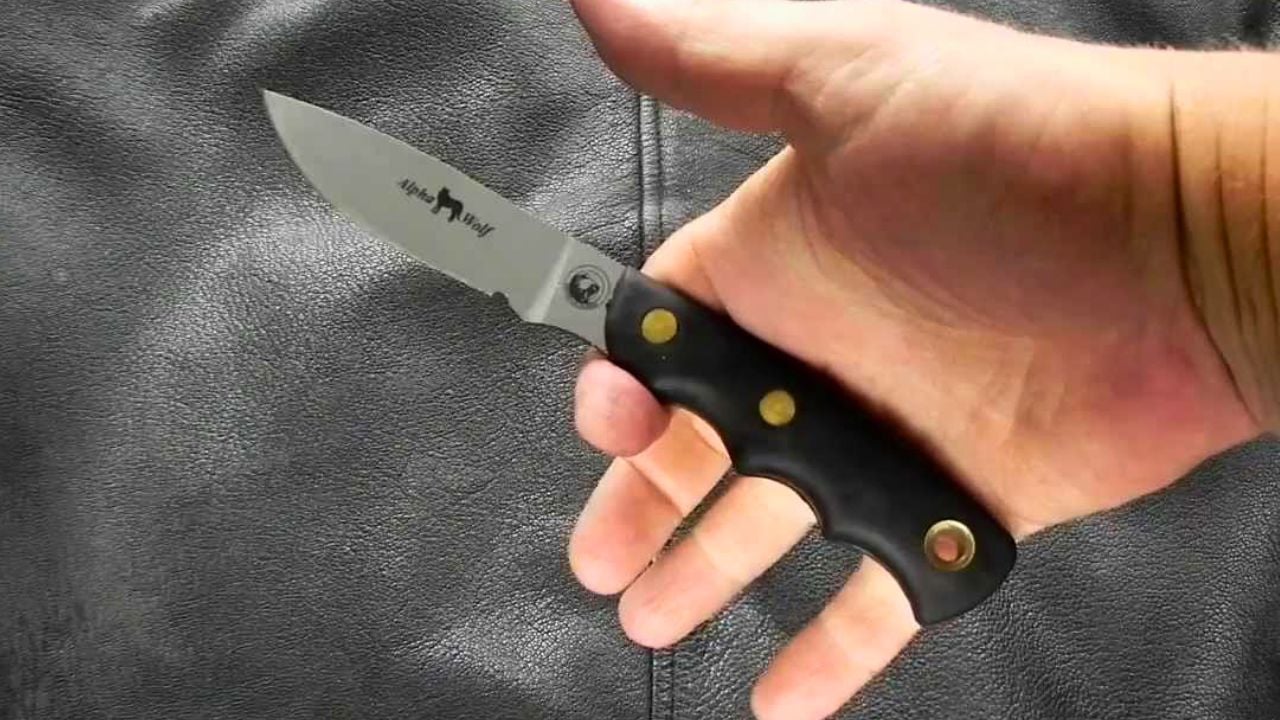
This one is newer than most of the list, but it gets undervalued in a different way. Guys buy an Alpha Wolf, use it a few times, then flip it because they’re always chasing the next thing. Meanwhile, the Alpha Wolf is one of the more capable field knives out there for big game work, especially when you’re breaking down an animal away from the truck.
The steel and heat treat are the real story. It holds an edge longer than a lot of traditional knives, and it’s built for hands that are cold, wet, and tired. Replacement cost stings more than folks remember, especially when you add a good sheath. If you’ve got one that fits your hand, I wouldn’t be quick to let it go just because it isn’t “vintage.” Utility has its own kind of value.
If you’ve got a knife box at home, the best move is slow down and look for stamps, original sheaths, and any paperwork tucked in the bottom. Take clear photos before you clean anything. Most “losses” happen when somebody tries to make an old knife look new again, or they assume every scuffed blade is the same. A good hunting knife earns its wear, but the right wear on the right knife can mean it’s worth a whole lot more than camp talk would suggest.
Like The Avid Outdoorsman’s content? Subscribe to our newsletter so you never miss an article.
Here’s more from us: