Photo credit: Cervus-Venator/YouTube
A defensive pistol does not need to be exciting, rare, or mechanically clever. It needs to fire when expected, remain safe when holstered, feed the chosen defensive load, and behave the same way every time the trigger is pressed.
Some pistols make that confidence difficult. One example may run well while another from the same production line constantly malfunctions. Others depend heavily on ammunition, magazine condition, grip strength, or perfect maintenance. These 20 pistols may work as range guns or collectibles, but their uncertainty makes them difficult to trust for daily defensive carry.
Taurus PT145 Millennium Pro

The PT145 offered 10 rounds of .45 ACP in a pistol that was much smaller and lighter than most competing designs. That capacity and price attracted buyers who wanted substantial defensive power without carrying a full-size handgun.
The pistol developed a troubled reputation involving inconsistent reliability and serious safety concerns across the broader Millennium series. Some owners reported dependable performance, while others encountered feeding failures, broken components, or guns that behaved unpredictably. That variation is the main problem. A defensive pistol should not require the owner to wonder whether they received one of the good examples.
Remington R51
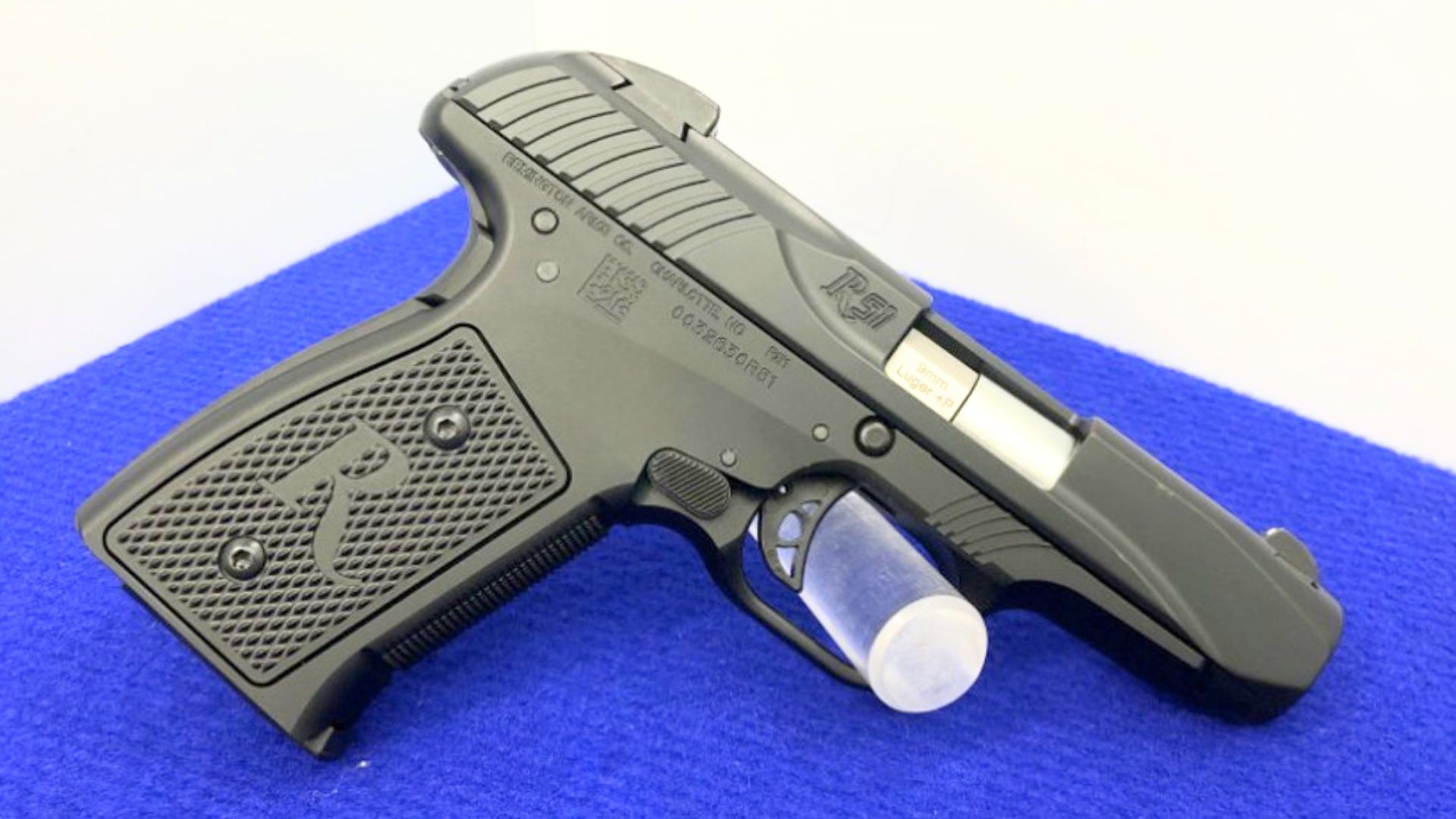
The R51 promised a thin, soft-shooting 9mm pistol using an updated version of the Pedersen hesitation-lock system. Its low bore axis and smooth exterior looked ideal for concealed carry.
Early production was plagued by severe reliability and manufacturing problems, leading Remington to replace or rebuild affected pistols. Later examples improved, but the design never developed enough consistent success to erase the original concerns. Its unusual operating system and limited parts support add further uncertainty. There are too many proven compact 9mm pistols available to justify carrying one.
Kimber Solo Carry

The Solo Carry was attractive, thin, and fitted with the kind of styling buyers expected from Kimber. It appeared to offer a premium alternative to the basic polymer pocket pistol.
The gun was notoriously sensitive to ammunition power, bullet weight, grip strength, and recoil-spring condition. Kimber specified particular types of premium ammunition, but even following those recommendations did not guarantee every example would run consistently. A carry pistol that demands such a narrow operating window leaves too much room for problems.
Boberg XR9-S
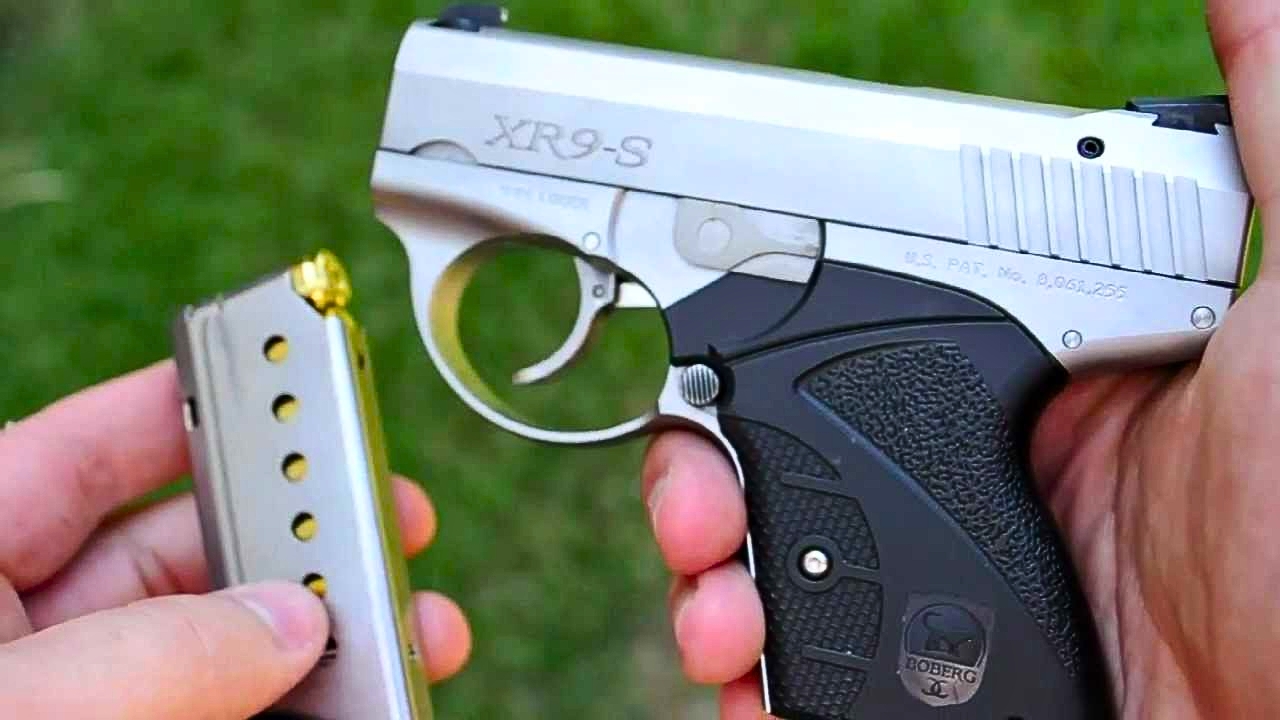
The XR9-S used a unique rearward-feeding system that pulled cartridges from the magazine before pushing them into the chamber. This allowed a longer barrel inside an extremely compact pistol.
That same system created unusual ammunition requirements. Bullets with weak crimps could separate from their cases during the feeding cycle, potentially spilling powder inside the gun. Ammunition had to be tested carefully, and clearing problems was unfamiliar to most shooters. The design was inventive, but defensive carry favors simple feed systems that do not physically pull ammunition apart.
Honor Defense Honor Guard

The Honor Guard entered the concealed-carry market as a modular single-stack 9mm with aggressive grip texture and interchangeable frame components. It looked competitive with established carry pistols.
Independent drop testing raised concerns that certain pistols could discharge when struck in specific ways. The company disputed aspects of the testing and later addressed the design, but the controversy permanently damaged confidence in the platform. Even an updated pistol carries the burden of limited market support and a small user base. Carry guns should not leave owners debating their internal safety margins.
Caracal C Compact
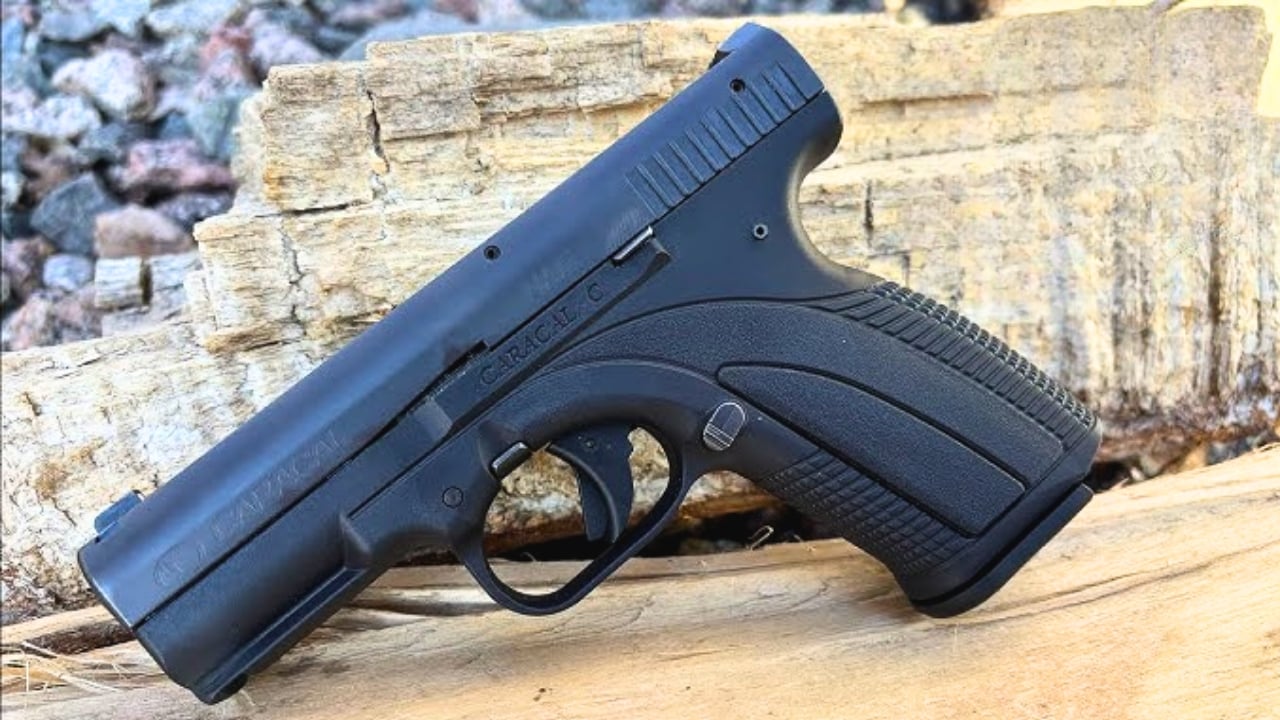
The Caracal C offered a low bore axis, excellent ergonomics, and a distinctive sighting system. It was praised for being fast and controllable during early testing.
A major recall involving possible safety defects effectively ended its momentum in the American market. Replacement pistols and later variants addressed the issue, but the original guns became difficult to evaluate without confirming their exact history. Limited parts, magazines, and factory support further complicate ownership. A defensive handgun should not require a background investigation before being trusted.
Diamondback DB380

The DB380 is extremely thin and light, making it attractive to owners who want a pistol that disappears in a pocket. It resembles a scaled-down striker-fired service pistol.
Its tiny size leaves little room for reliable operation. Early examples developed reputations for extraction failures, feeding problems, and sensitivity to grip technique. The short slide and light recoil system operate within a narrow window. Some examples work well, but the difference between reliable and unreliable guns has been too inconsistent for confident defensive carry.
Cobra Enterprises CA380

The CA380 is a basic blowback-operated pocket pistol sold at a very low price. Its construction is straightforward, and the gun is compact enough for easy concealment.
Quality control, heavy triggers, rough chambers, and inconsistent magazines make reliability difficult to predict. One pistol may function after polishing and break-in, while another continues malfunctioning with several ammunition types. A defensive gun should not arrive as a project. Saving money on the purchase means little if the owner cannot trust the next round to chamber.
Jimenez Arms JA Nine

The JA Nine offers full-size 9mm capacity at one of the lowest prices in the handgun market. Its heavy slide helps control recoil, and its simple blowback-style construction appears rugged.
The gun’s weight hides inexpensive materials and uneven manufacturing. Owners have reported failures involving magazines, extractors, firing pins, and other small components. Even when the pistol functions, the heavy trigger and awkward controls reduce practical performance. Its low price does not compensate for uncertainty in a defensive role.
Lorcin L380

The Lorcin L380 was produced as an inexpensive compact defensive pistol during the height of the so-called Saturday night special market. It is small, simple, and commonly found at low used prices.
The pistol’s zinc-alloy construction, crude sights, inconsistent magazines, and variable internal fitting make dependable function far from guaranteed. Many surviving examples are also decades old and may have unknown maintenance histories. It can be an interesting artifact of the budget-gun market, but it does not belong in a serious carry rotation.
Bryco Jennings Nine
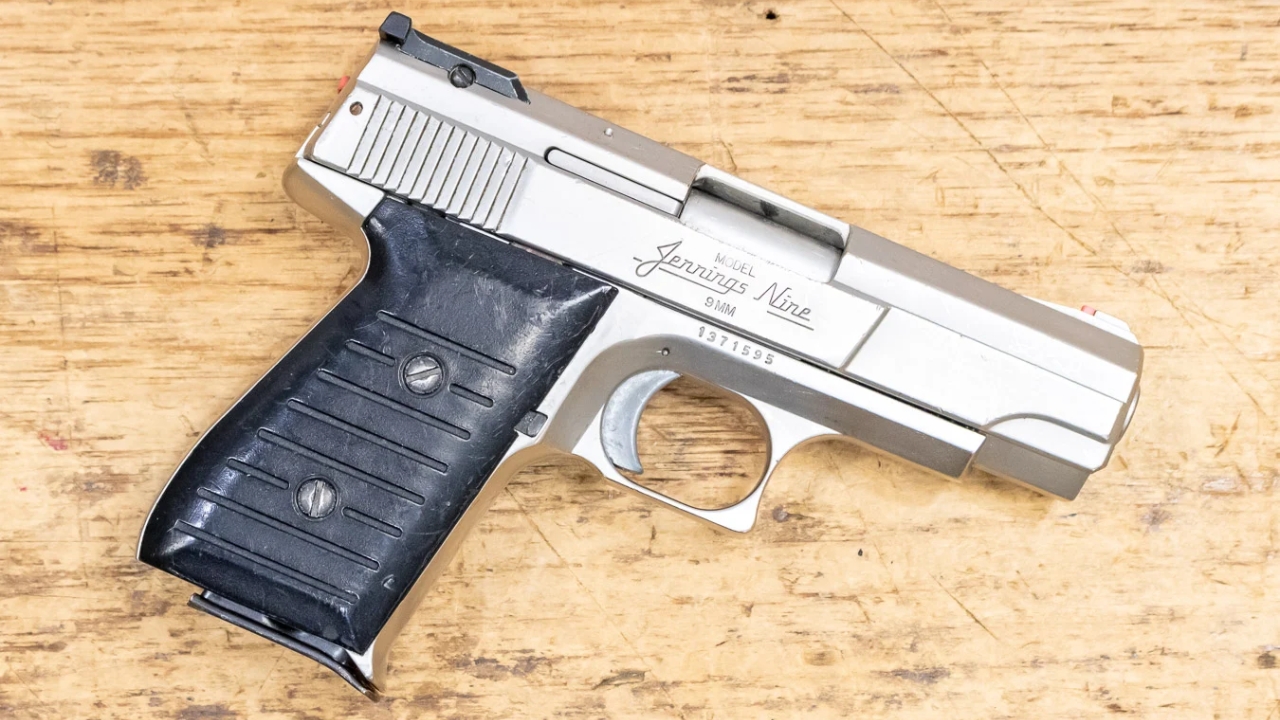
The Jennings Nine attempted to provide an affordable high-capacity 9mm pistol with simple operation. Its appearance suggests a conventional service handgun.
Its construction and internal design do not provide the durability or consistency expected from a duty pistol. Feeding problems, parts breakage, and awkward safety operation have followed the model for years. A large pistol should at least provide a generous reliability margin. The Jennings Nine carries the bulk without delivering that confidence.
Davis P-380
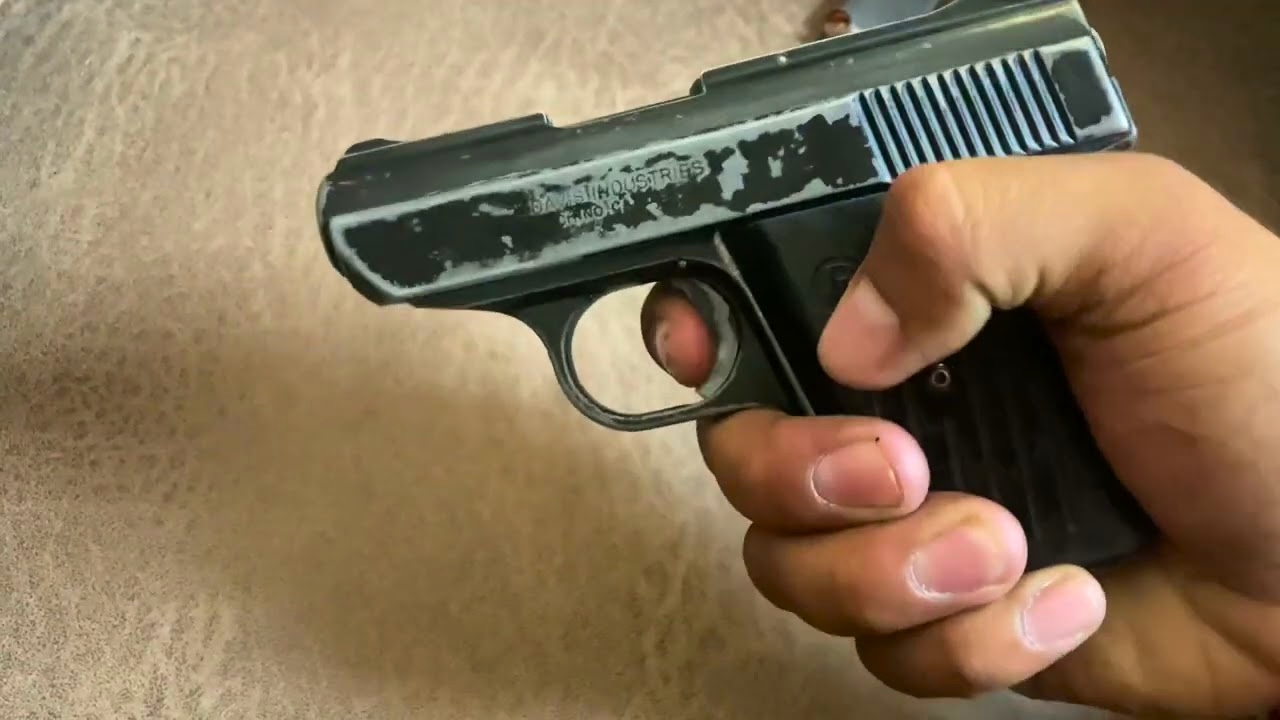
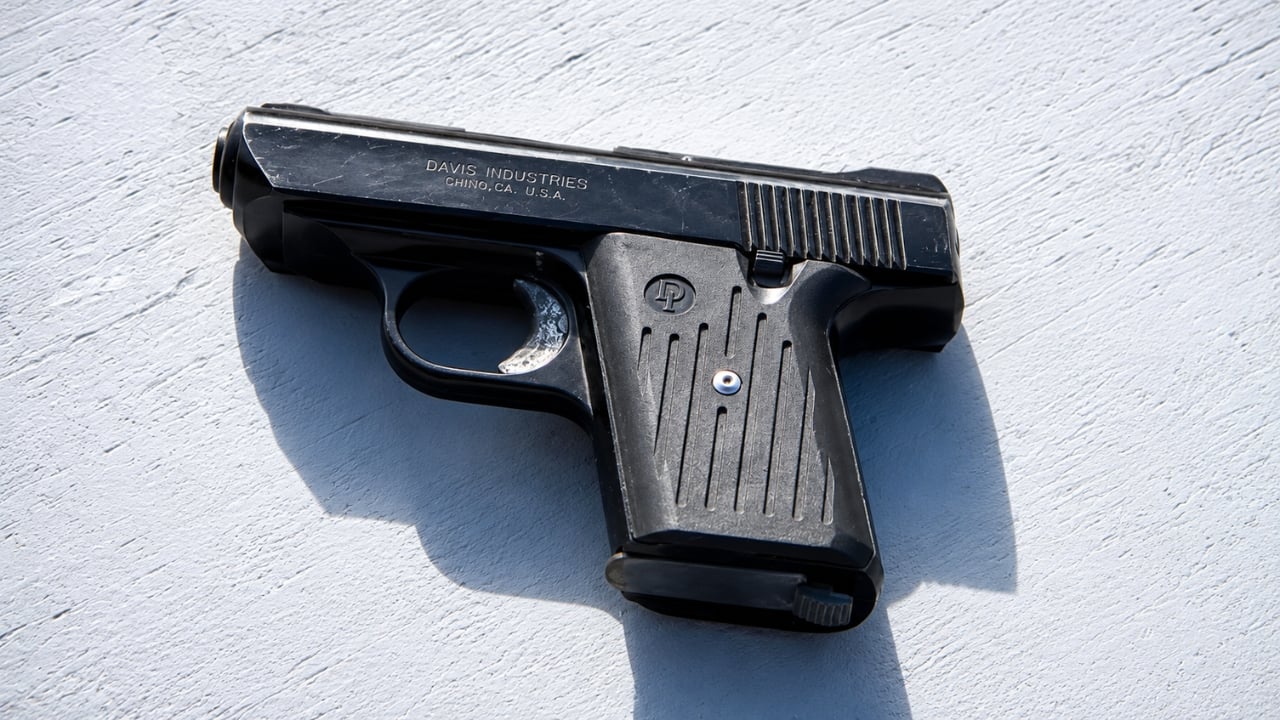
The Davis P-380 is a compact blowback pistol built around inexpensive materials and minimal manufacturing cost. It was easy to buy and easy to conceal.
The heavy slide, stiff recoil spring, crude controls, and inconsistent magazines make it difficult to operate reliably under stress. Age has made replacement parts and factory support even less dependable. Some examples continue working, but defensive carry should not depend on the survival of a low-cost pistol from a defunct manufacturer.
AMT Backup 9mm

The AMT Backup 9mm places a full-power cartridge inside a heavy stainless-steel pocket pistol. Its solid construction makes it feel more trustworthy than lightweight budget guns.
The long and extremely heavy double-action trigger is difficult to manage, while reliability can vary between examples. The pistol is also sensitive to extractor condition, recoil springs, and magazine quality. Its stainless frame may last, but durability of the main body does not guarantee predictable cycling or accurate defensive shooting.
Auto-Ordnance ZG-51 Pit Bull
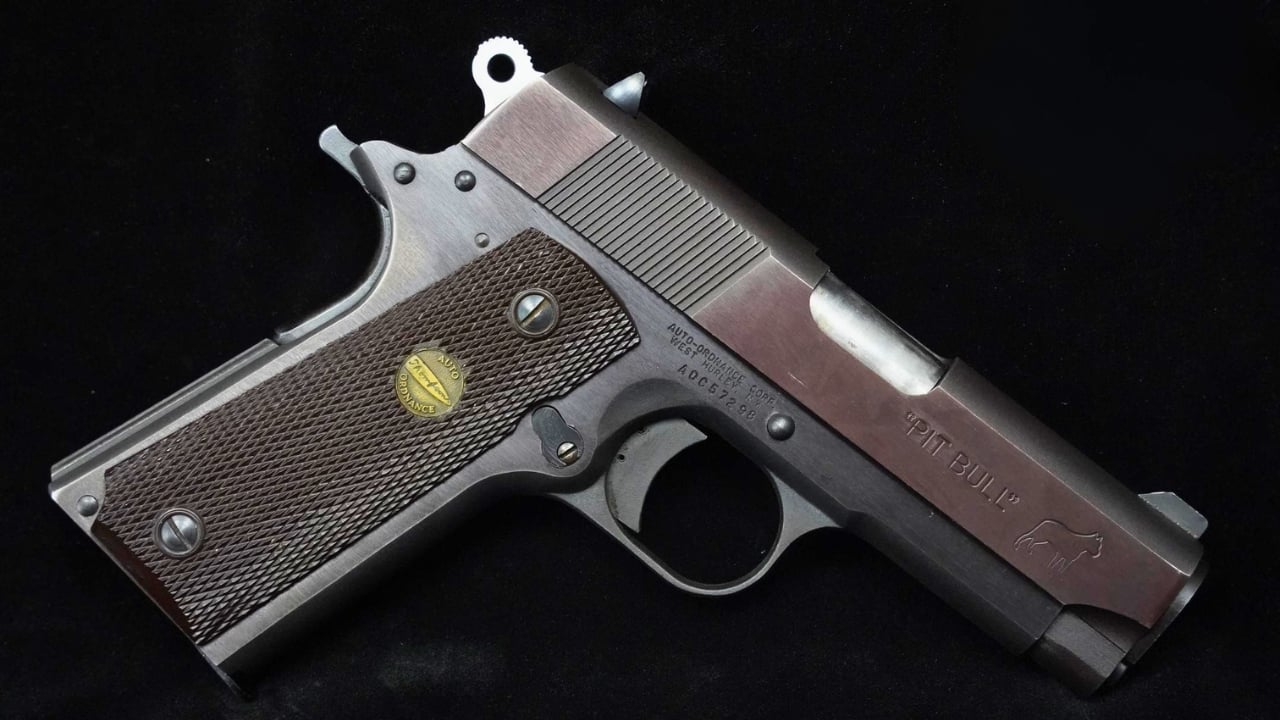
The ZG-51 Pit Bull attempted to shrink the .45 ACP 1911 into an extremely compact package. It delivered substantial power from a pistol that was easier to conceal than a Government Model.
Shortening the 1911 reduces slide travel and makes timing far more critical. The Pit Bull earned a reputation for feeding and extraction problems, particularly when springs or magazines were not perfect. Some examples could be tuned into working guns, but defensive owners should not need specialized gunsmithing to achieve basic reliability.
Detonics Pocket 9

The Pocket 9 was an unusually compact double-action 9mm introduced before modern micro-compacts became common. Its metal construction and smooth exterior made it seem advanced for its era.
Its heavy trigger, limited grip area, and unusual internal design made it difficult to shoot and maintain. Parts and magazines are now extremely scarce, while the age of surviving examples adds uncertainty around springs and small components. Even a functioning specimen lacks the support needed for a practical carry gun.
COP .357 Derringer
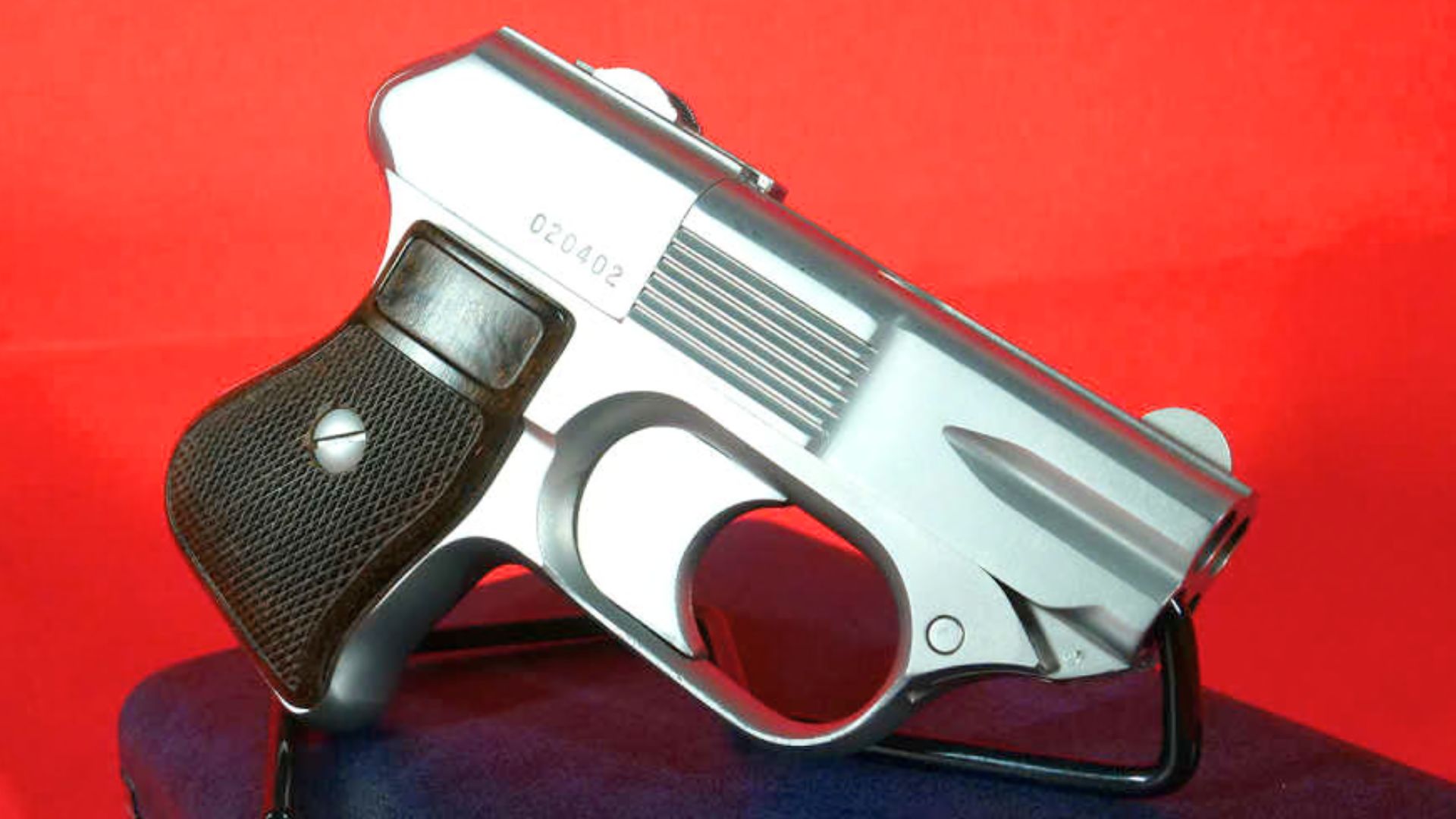
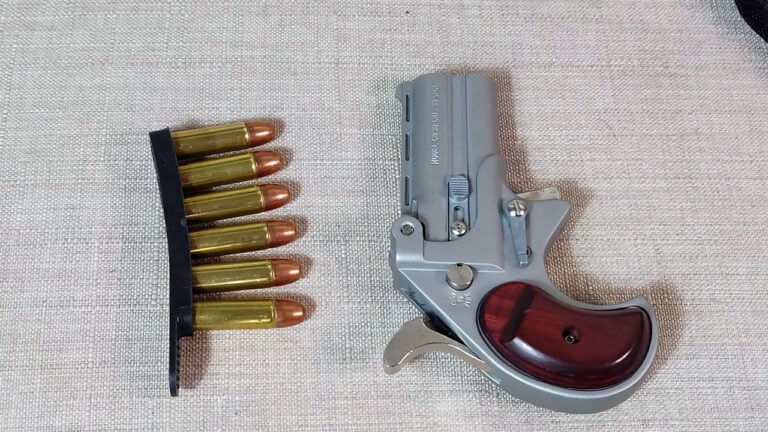
The COP .357 holds four rounds in a compact stainless-steel block with four separate barrels. Its appearance suggests a rugged, mechanically simple defensive pistol.
The trigger is exceptionally heavy because it must rotate and release the internal striker. Point of impact can vary between barrels, and the gun is slow to reload. Reliability may be mechanically acceptable, but shot placement and trigger control become unpredictable under stress. Four powerful cartridges do little good when the shooter cannot press the trigger cleanly.
DoubleTap Tactical Pocket Pistol
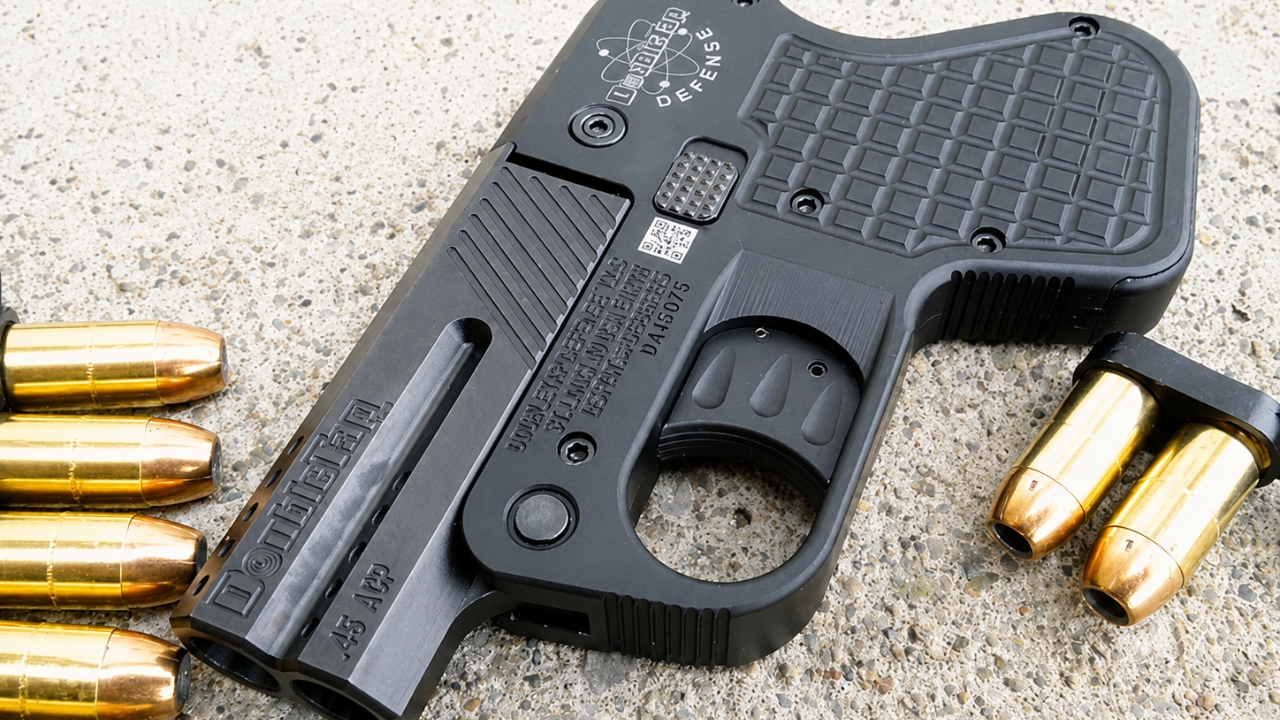
The DoubleTap is a thin two-shot derringer chambered in defensive calibers including 9mm and .45 ACP. Its flat profile makes it easy to conceal in extremely limited space.
The pistol combines severe recoil, minimal sights, a heavy trigger, and only two rounds. Early guns also attracted complaints involving difficult operation and inconsistent ignition. Even when it works, the design leaves almost no recovery option after a poor hit or ammunition failure. It is better understood as an emergency backup than a primary defensive handgun.
Heizer Defense PKO-45
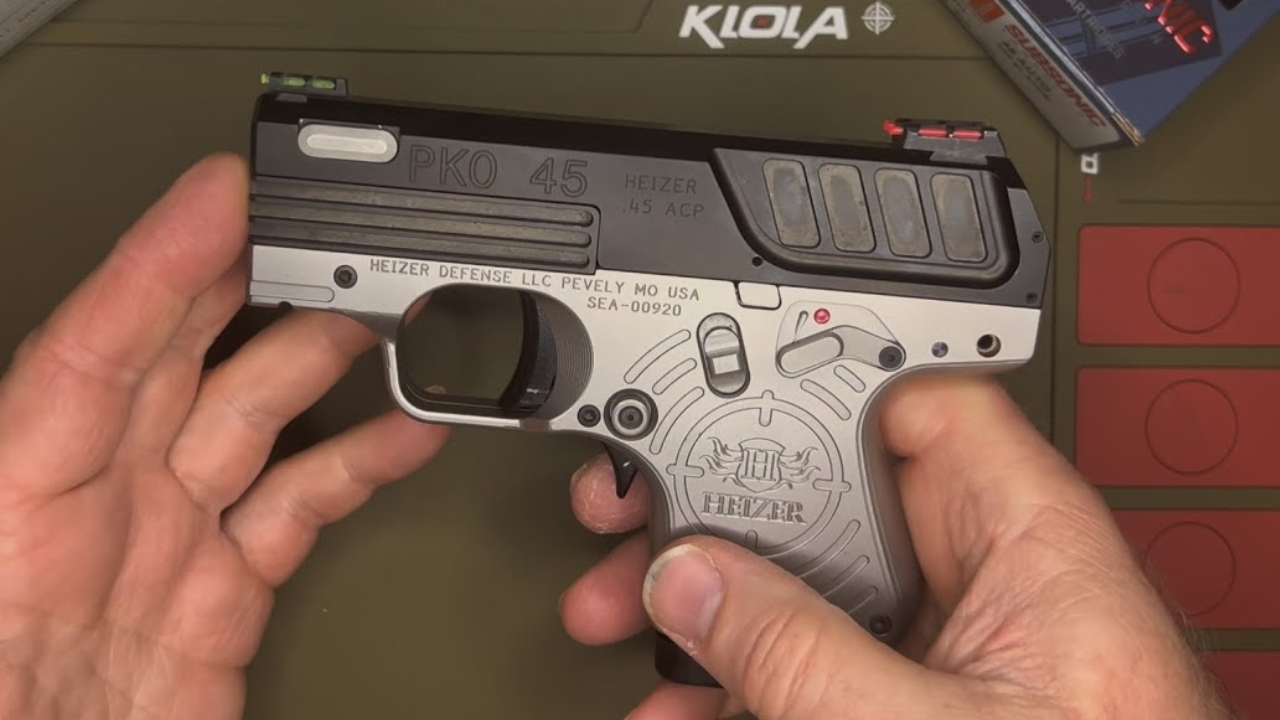
The PKO-45 attempts to place .45 ACP into an extremely thin semiautomatic pistol. Its narrow stainless-steel construction gives it a distinctive appearance and impressive concealability.
The combination of a powerful cartridge, tiny grip, unusual feed system, and limited production history makes performance difficult to predict. The pistol is hard to control, replacement parts are uncommon, and there is not a broad base of high-round-count users proving the design. Carry confidence should come from evidence, not novelty.
KelTec P11

The P11 provided impressive 9mm capacity in a compact and affordable pistol long before that combination became common. It deserves credit for helping establish the modern concealed-carry market.
Its extremely long, heavy trigger and inconsistent finish made it difficult to shoot well. Some examples were dependable, while others required polishing, magazine changes, or factory service. The pistol may still function as a basic defensive gun, but the variation between individual examples makes it far less predictable than newer designs.
Taurus Curve
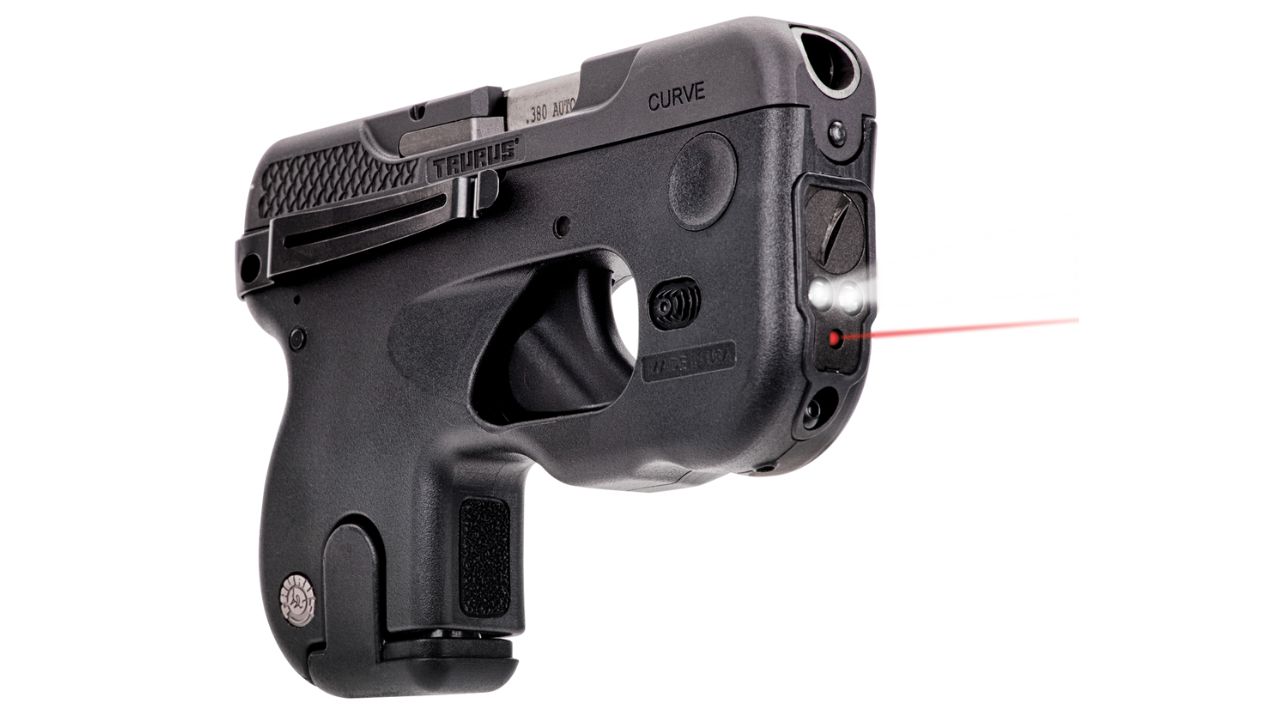
The Curve was designed with a curved frame intended to follow the shape of the body during concealed carry. It also featured a belt clip and integrated light and laser system.
The design sacrificed normal sights, conventional ergonomics, and broad holster compatibility to achieve its unusual shape. Shooters had to depend heavily on the laser or crude close-range indexing. Its limited production and unconventional controls prevented it from building a deep reliability record. A defensive pistol should make aiming and handling more predictable, not less.
Like The Avid Outdoorsman’s content? Be sure to follow us.
Here’s more from us: