Photo credit: Marcin Wojna/Unsplash.com
You can tell when a dog is bored. Chewed-up leads, holes in the yard, pacing at the door every time you grab keys. A lot of it isn’t “bad behavior.” It’s a working brain with nowhere to go. Out in the hunting world and around farms, certain breeds don’t just enjoy a task, they need it. Give them a real role—tracking, retrieving, moving stock, guarding a place—and they settle down and turn into the kind of partner that makes you wonder how you got along without them.
Here are 20 breeds that tend to do their best living when they’ve got something to do besides nap on the couch. None of them are “easy mode,” and that’s kind of the point.
1. Labrador Retriever
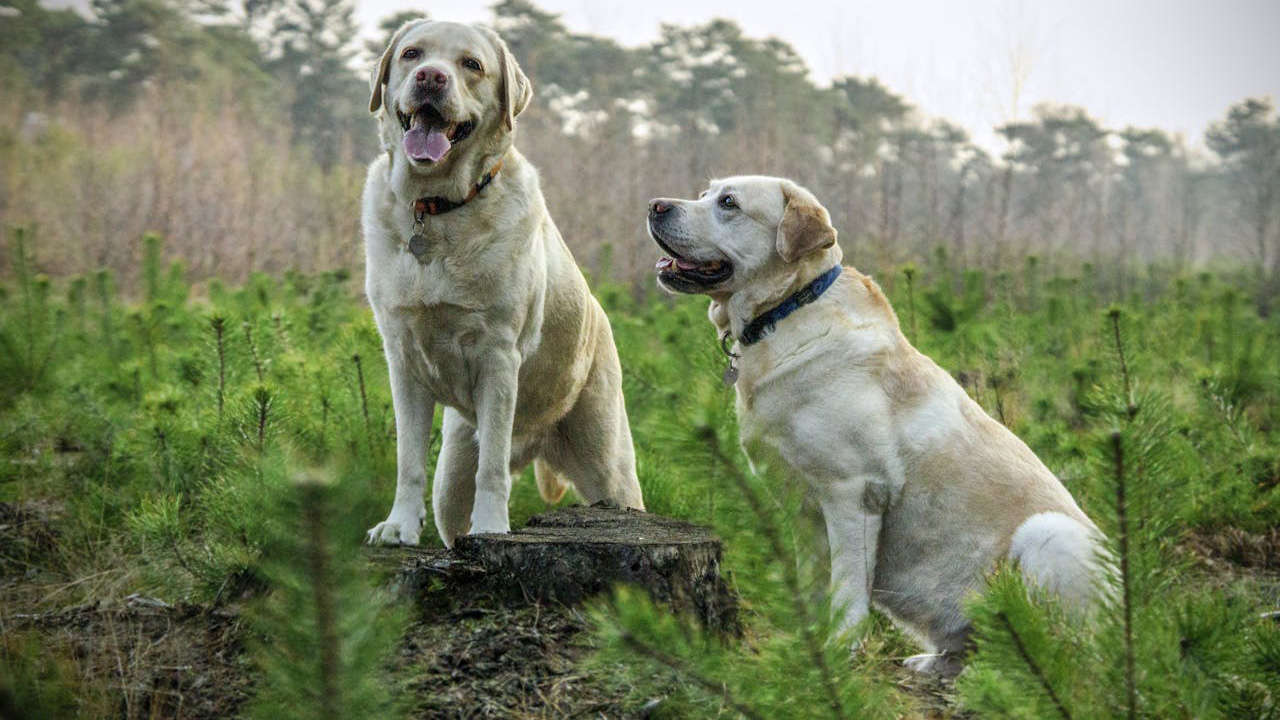
I’ve seen Labs that were perfectly content as house dogs, but the good ones light up when there’s a reason to load the truck. They’re built to go, built to swim, and built to carry birds without turning them into a science project. In the duck blind they’re steady when they’re trained right, and they handle cold water and long sits better than most folks expect.
The job matters with Labs because it gives all that drive a channel. A young Lab without structure is a tornado with paws. Daily retrieving drills, scent games, or actual bird work keeps their head clear. They’re also one of the easier breeds to live with if you’re hunting a lot and you’ve got kids around, as long as you don’t confuse “friendly” with “untrained.”
2. German Shorthaired Pointer

A GSP will make you honest about your own energy level. They’re versatile bird dogs with a motor that doesn’t quit, and they do best when they’re running fields, finding birds, and learning how to work with a gun at their shoulder. When they’re on, they’re a joy—big casts, hard points, and a lot of style.
When they’re off, it’s usually because they’re underworked or undertrained. A Shorthaired doesn’t want a 10-minute stroll around the block. They want miles, scents, and rules. Give them a job like upland hunting, shed hunting, or even organized scent work, and you’ll see a calmer dog in the house and a serious performer outside.
3. German Wirehaired Pointer
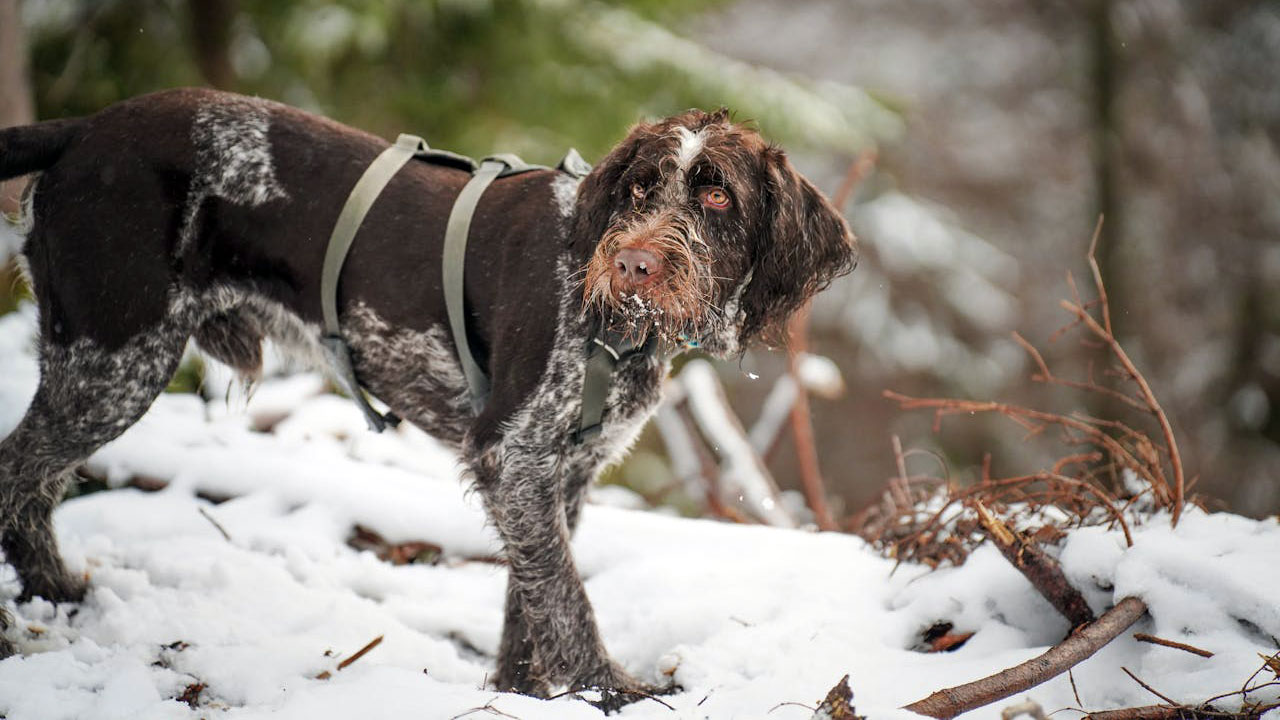
Wirehairs are the “come with me anywhere” version of the pointing world. They handle nasty cover, colder conditions, and rougher terrain, and a lot of them have a protective edge that makes them feel like more than just a bird dog. In the field they’re tough, and they tend to stay working when other dogs start negotiating.
That toughness needs direction. A bored Wirehair can get pushy, and if you let bad habits slide early, they’ll keep them. Their job doesn’t have to be professional-level hunting, but it needs to be consistent. Regular exposure to new cover, water work, and basic obedience under distraction keeps them from turning their independence into stubbornness.
4. English Springer Spaniel
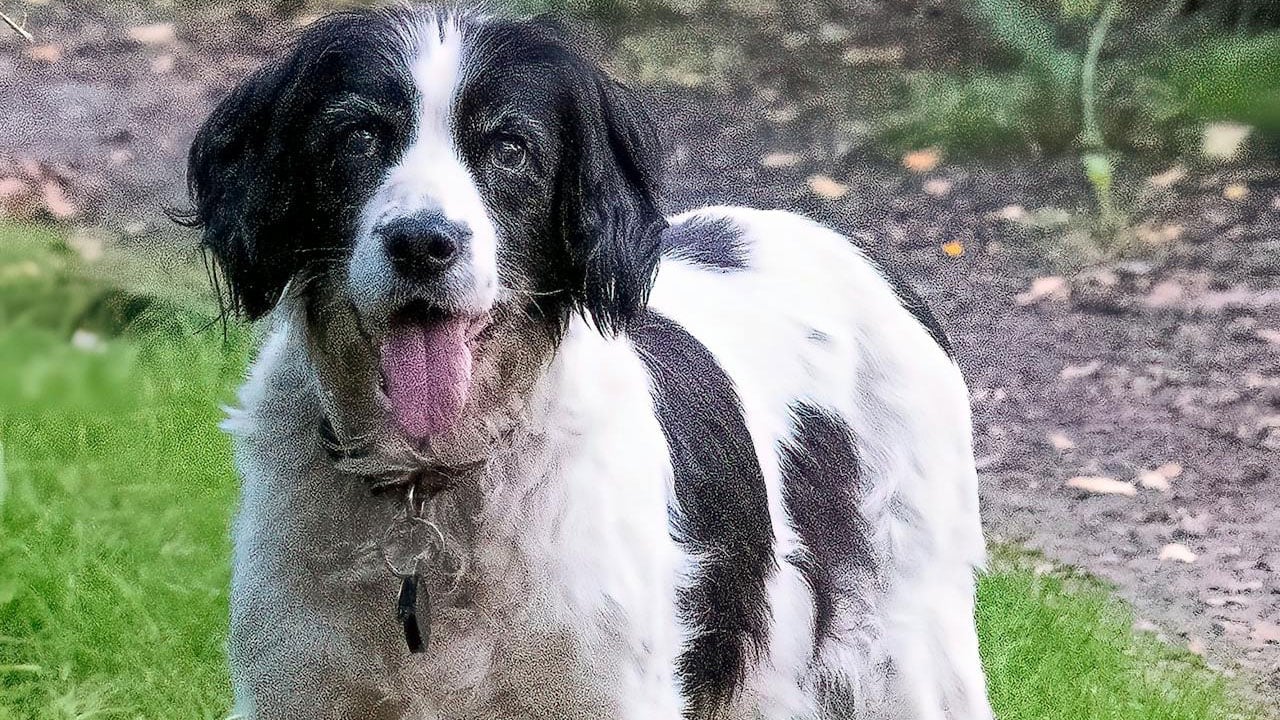
Springers are little rockets with feathers. Their “job” is close-in bird work—flushing, working hedgerows, pushing thick cover, and staying in gun range. If you like walking behind a dog that’s always hunting, always checking in, and always moving, this breed is hard to beat.
They also need boundaries because they’re enthusiastic about everything. A Springer without a job will find one, and you might not like the assignment they pick. Steady field time, retrieving, and simple home tasks like place training and structured play keep them focused. They’re usually good family dogs, but they aren’t decorative. They want to be part of the plan.
5. Boykin Spaniel
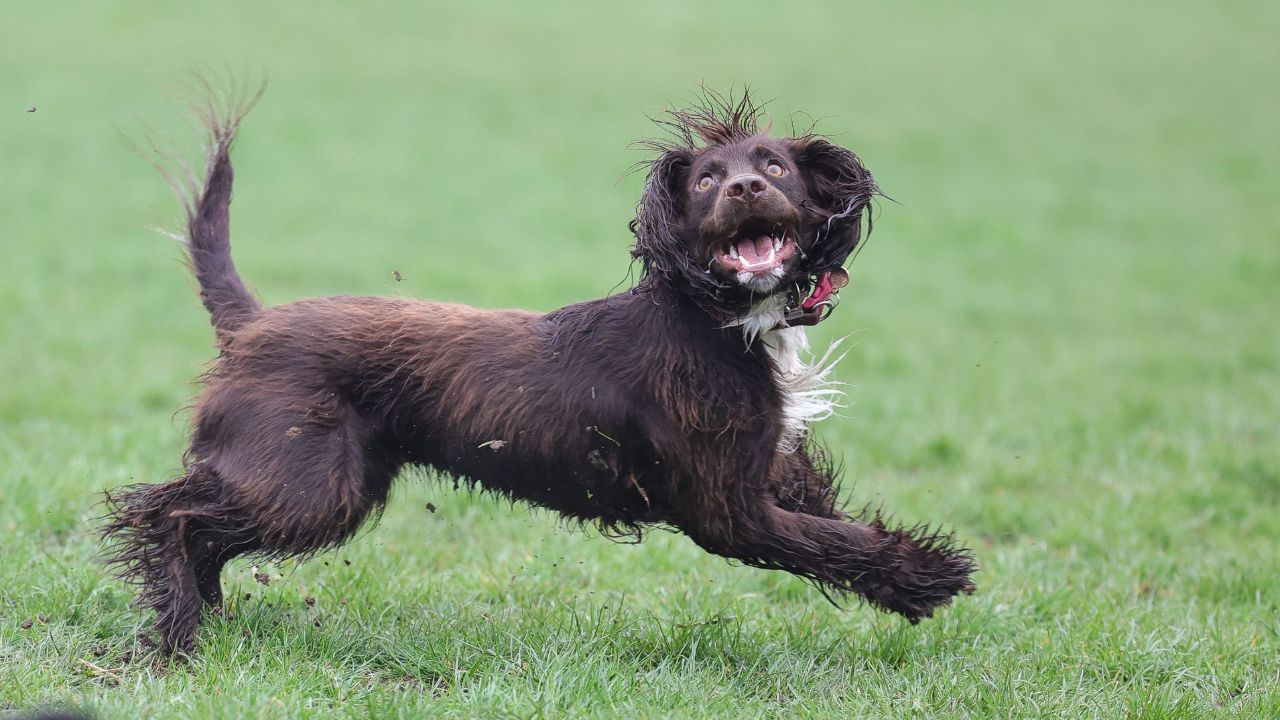
The Boykin is a working dog in a compact package, and if you spend time around southern river bottoms or swamp edges, you’ve probably seen one. They retrieve well, handle boats and blinds, and they’ve got enough grit to get through cover that looks like it’s made of barbed wire and bad decisions.
They’re happiest when their week includes real work: doves, ducks, upland, or steady retrieving drills. If you skip the job part, you’ll get a busy dog that invents games, usually at the wrong times. They do best with a routine and an owner who actually trains, not just “lets them be a dog.” Ask me how I know.
6. Chesapeake Bay Retriever
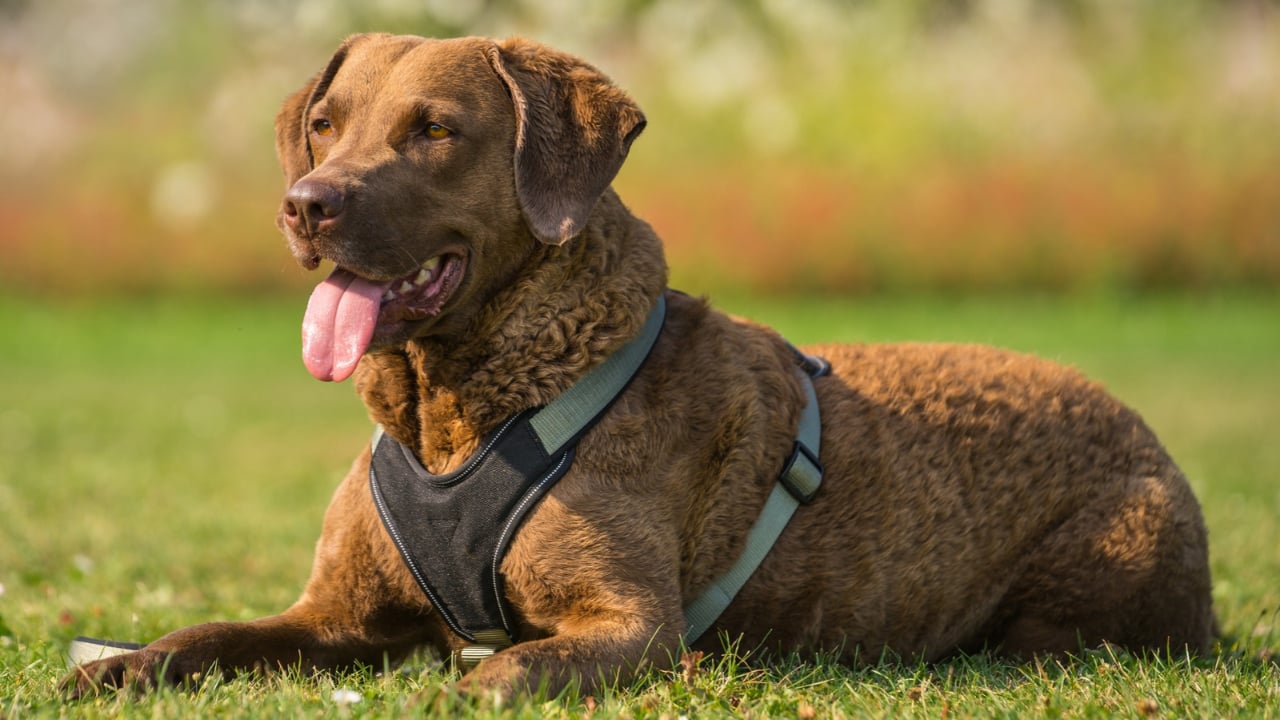
Chessies aren’t Labs with a different paint job. They’re tougher, more independent, and often more serious about their people and their territory. In cold water and rough weather, they shine. They’ll hit icy water repeatedly and still look at you like you’re the one who’s being dramatic.
They love having a job because it matches their personality: purposeful, driven, and not interested in nonsense. The flip side is you’ve got to train with consistency and fairness. A Chesapeake that’s allowed to run the show will try. Give them water retrieves, blind work, and obedience that’s non-negotiable, and you’ll have a dog that can flat-out earn their keep.
7. Golden Retriever (field-bred)
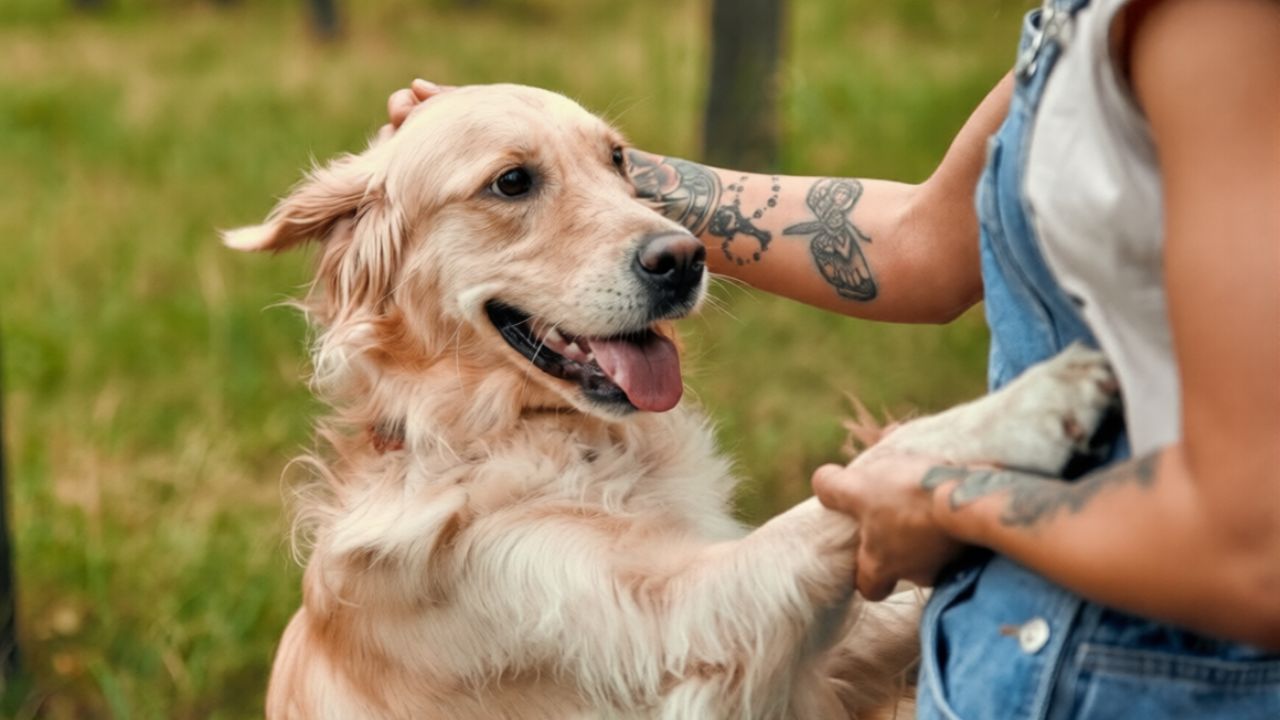
The “hunting Goldens” are a different animal than the fluffier, show-heavy lines most folks picture. A field-bred Golden is athletic, biddable, and wired to retrieve. They’re typically softer than a Chessie and easier for a lot of families to handle, but they still want a job and real structure.
When they get that work—upland retrieves, water work, daily training reps—they’re steady and pleasant to live with. Without it, they can turn into anxious shadow dogs that chew, whine, and follow you into every room like it’s their shift. If you want a dog that hunts hard and then sleeps in the mudroom without drama, a good field Golden is worth a look.
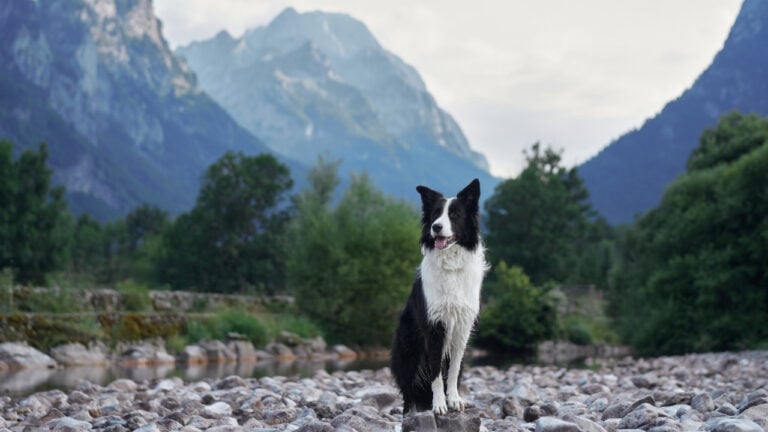
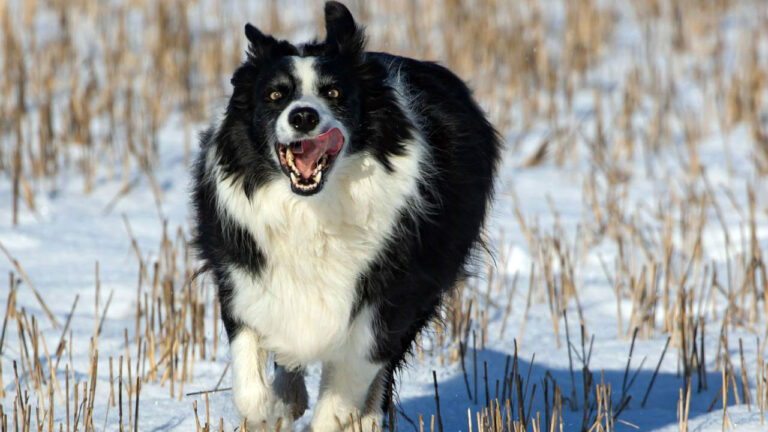
8. Border Collie
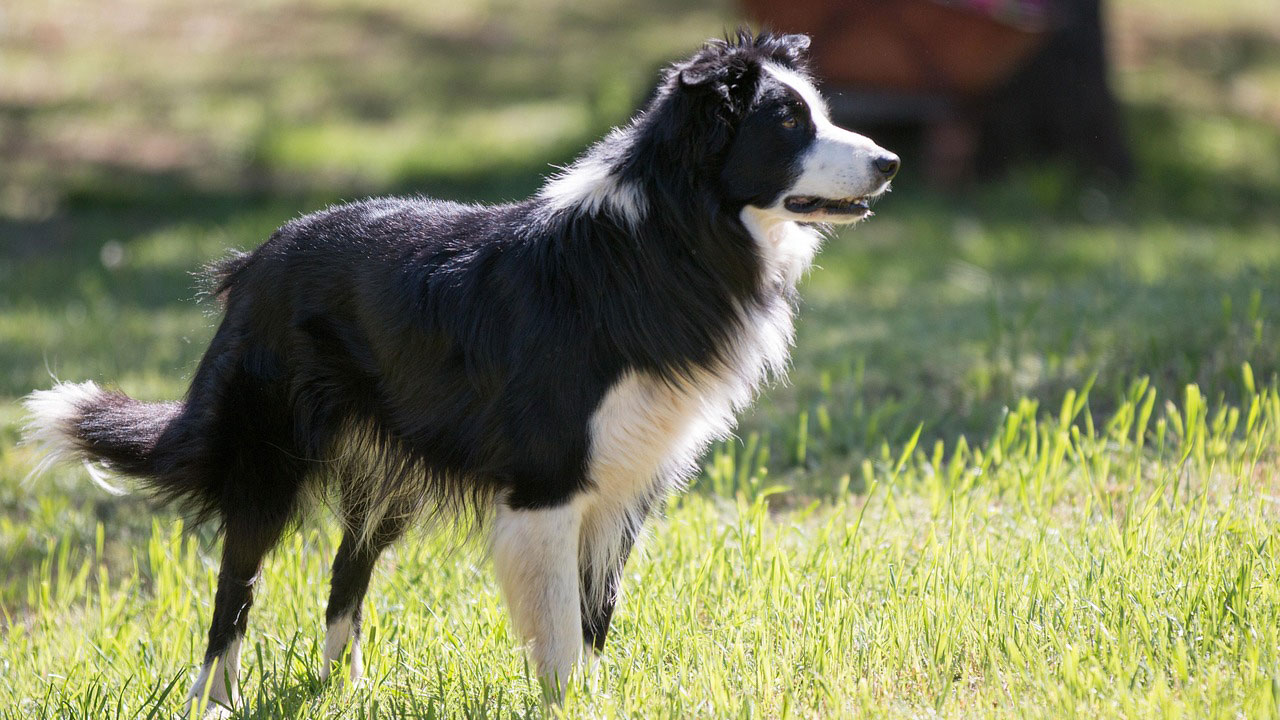
Border Collies are working dogs in the purest sense. Their brain is always running, and if you don’t give it something useful to run on, it’ll start managing your household like it’s a flock. They were made to move livestock with eye and pressure, and they take that job personally.
For ranches and small farms, they can be priceless. For a normal suburban household with no plan, they can be a headache. Their “job” can be real stock work, agility, advanced obedience, or structured chores around the property. Just throwing a ball isn’t a job to them—it’s a warm-up. A tired Border Collie is a good dog. A bored one is a project.
9. Australian Cattle Dog
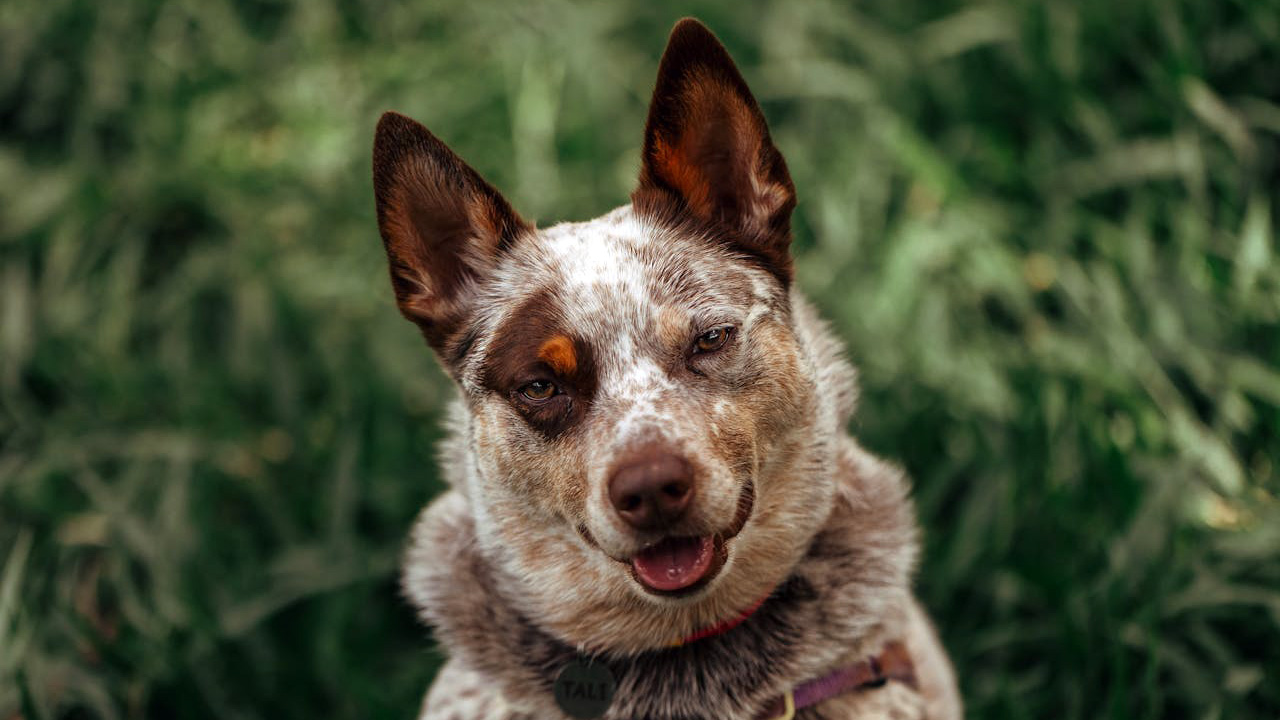
Heelers are tough, stubborn, and extremely loyal. They’re built for hard work and hard miles, and their idea of a good day usually involves moving something that doesn’t want to be moved. They’ll work cattle, guard a truck, and keep an eye on every boundary line like they pay taxes there.
The job piece is what keeps them from turning that intensity on you. Without work and training, they can get nippy, bossy, and reactive. Give them a real outlet—stock work, structured hiking, pulling a cart, or obedience that has consequences—and they thrive. They’re not for everyone, but if you like a no-nonsense dog that wants a purpose, they’re the real deal.
10. Australian Shepherd

Despite the name, Aussies are an American ranch staple, and they’re happiest when they’re included in everything. They’re smart, athletic, and they bond hard. A good Aussie will watch your hands, your eyes, and your habits, then start anticipating what’s next like a seasoned hunting partner.
That intelligence is why they need a job. If you don’t give them direction, they can get anxious and start “helping” in ways you didn’t request. Daily training, chores around the place, or dog sports keep them balanced. They can be excellent around horses and livestock, but don’t skip early socialization. An Aussie with a purpose is solid. An Aussie with nothing to do gets weird fast.
11. Belgian Malinois

Mals are not casual dogs. They’re famous in police and military circles for a reason: speed, drive, and focus that borders on obsessive. If you want a dog that can do protection work, detection, and advanced obedience, they can be unbelievable.
If you want an easy family pet, keep walking. A Malinois needs a real job and a handler who enjoys training, not someone who “might get around to it.” Their daily work can include tracking, bite sports, scent detection, or serious obedience routines. Without that, you’ll often see spinning, chewing, fence running, and a dog that’s basically inventing a mission out of thin air. They’re impressive, but they demand commitment.
12. German Shepherd Dog

A well-bred German Shepherd is still one of the best all-around working dogs on the planet. They can guard, track, herd, and handle protection tasks, and they’re generally steady if the breeder and the training are solid. They’re also one of the more adaptable “working” breeds for folks who want capability without the Malinois intensity.
They love having a job because it gives them a place in the pack. Farm duty, property watch, tracking wounded deer (where legal), or even advanced obedience gives them structure. The caution here is health and temperament. Not all Shepherds are created equal, and bad hips or weak nerves will ruin the experience. Pick carefully, train consistently, and you’ll have a dog that takes responsibility seriously.
13. Doberman Pinscher
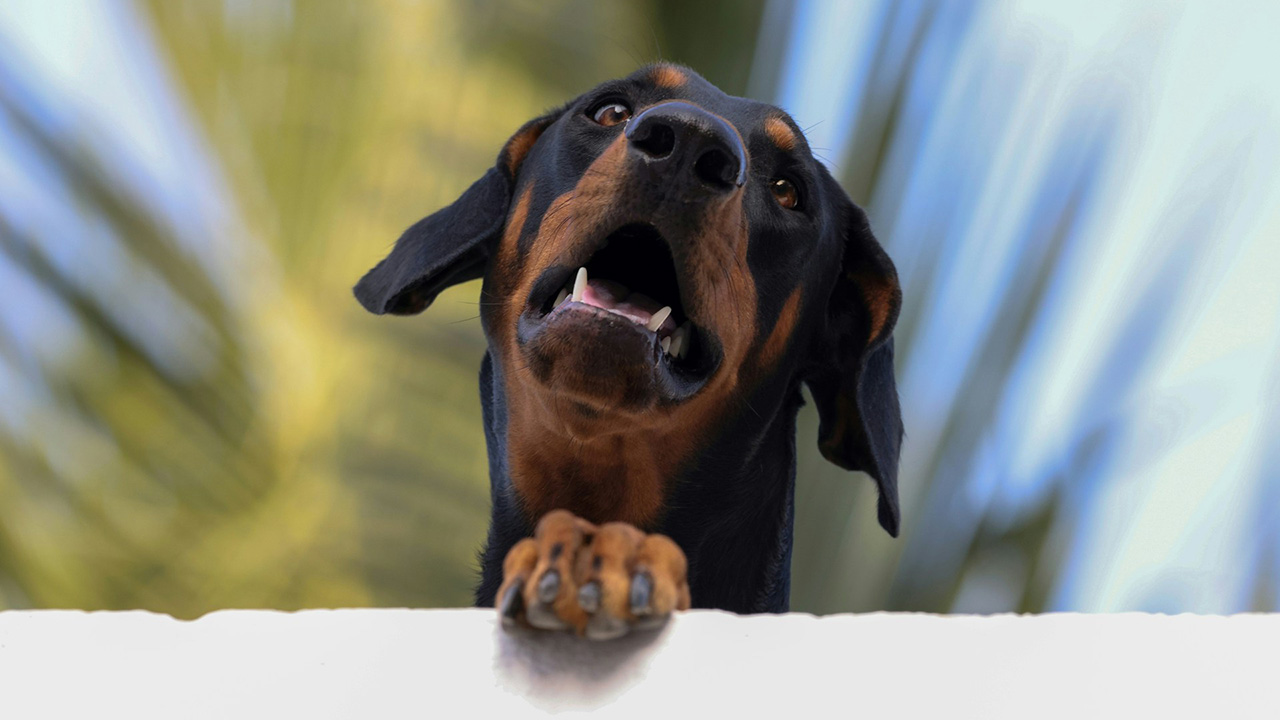
Dobermans are built to be close-protection dogs, and you can feel it in how they move and how they watch. They’re athletic, fast, and tuned in to their people. On a rural property they’re often the “front door alarm” that doesn’t miss much, especially at night.
They need a job because they’re sensitive and intense. Without training and purpose, they can turn anxious or overly protective. A Doberman does well with structured obedience, running, and consistent rules, and they excel in protection sports if you’ve got the right temperament and the right trainer. They’re not yard ornaments. If you want one, plan to invest time every week, not just money up front.
14. Boxer

Boxers don’t always get listed with “serious working dogs,” but they’ve got the heart and drive when they’re trained and handled right. They’re alert, physical, and they can make solid property dogs. You’ll also get a lot of goofiness, which is either a feature or a bug depending on your patience.
The job for a Boxer is usually being involved: obedience, jogging, structured play, and learning boundaries. They tend to be strong and enthusiastic, and if you let them be rude as puppies, you’ll have a big, rude adult. Give them tasks—carry a pack on hikes, learn place/heel/stay, do scent games in the yard—and you’ll see a calmer dog that still has plenty of personality without being out of control.
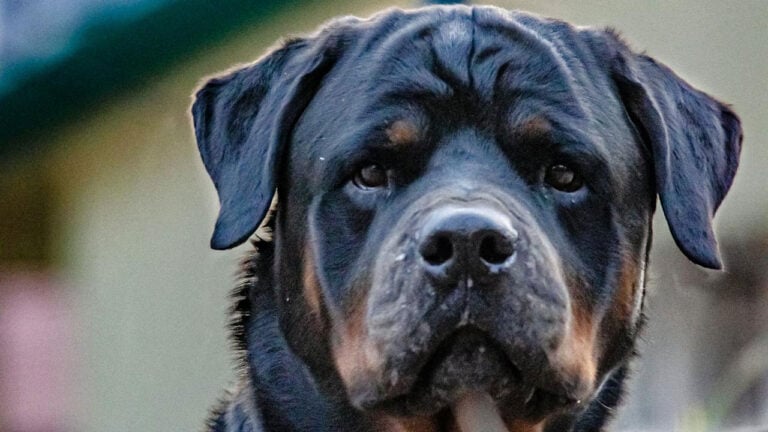
15. Rottweiler

Rotties are powerful, confident dogs that do best when they have clear leadership and clear work. Historically they were drovers and guardians, and you can still see that in the way they plant themselves between you and something they don’t trust. On a rural place, they can be a steady presence.
Their job needs to include obedience and exposure to normal life. A Rottweiler that only knows one yard and one routine can become a liability when something changes. Daily training, controlled socialization, and a real role—property watch, accompanying chores, carting, or structured fitness—keeps them balanced. They’re not the breed for someone who avoids training because it’s “not their thing.” With a dog like this, it has to be your thing.
16. Great Pyrenees

A Pyrenees has a different style of work than a retriever or a herding dog. Their job is to stay out with livestock and make predators rethink their plans. They’re big, independent, and they’ll patrol boundaries you didn’t even realize you had. If you’ve got goats, sheep, or poultry and you fight coyotes, this breed is worth understanding.
They don’t “obey” like a Shepherd, and that trips people up. Their job is decision-making, which means your training is more about relationship and management than snappy compliance. They need space, a real assignment, and secure fencing. If you stick one in a small yard and expect quiet, you’re going to have a long night. In the right setting, though, they can save you a lot of livestock and a lot of sleep.
17. Anatolian Shepherd
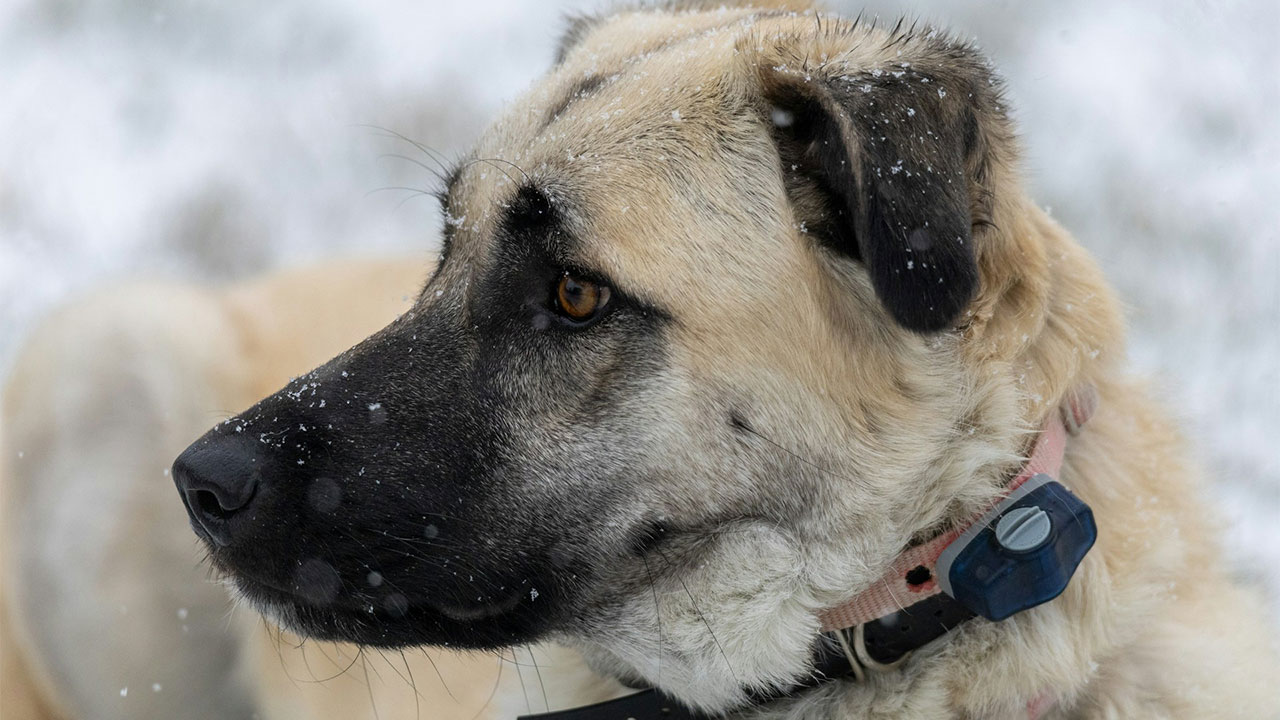
Anatolians are another livestock guardian breed that takes their work seriously. They’re athletic for their size, territorial, and often more active than a Pyrenees. They’re not interested in strangers wandering around, and they’re not the type of dog that wants constant affection from everyone who visits.
They love having a job because they’re wired for responsibility. Put them with stock, give them room to patrol, and they settle into a steady routine. The downside is you need good fences and good judgment. An Anatolian roaming property lines looking for “problems” is asking for neighbor conflict. Raise them with the animals they’ll protect, avoid creating bad habits early, and don’t treat them like a generic pet. They’re a tool with teeth, and you need to handle them like it.
18. Bloodhound

Bloodhounds are scent machines, and it’s almost unfair how good they are at following a trail. Their “job” can be tracking people in search-and-rescue, trailing wounded game where it’s allowed, or doing organized scent work that gives them a clear outlet. When they’re working, they look like they’re plugged into the earth.
They need that job because their nose runs their life. If you don’t provide legal, structured tracking opportunities, they’ll create their own and drag you into it—sometimes literally. They’re also not tidy dogs. Expect drool, stubbornness, and a lot of patience required during training. Still, if you want a dog that lives for scent and you’re willing to put in the time, few breeds feel as “born for a purpose” as a Bloodhound on a track.
19. Beagle
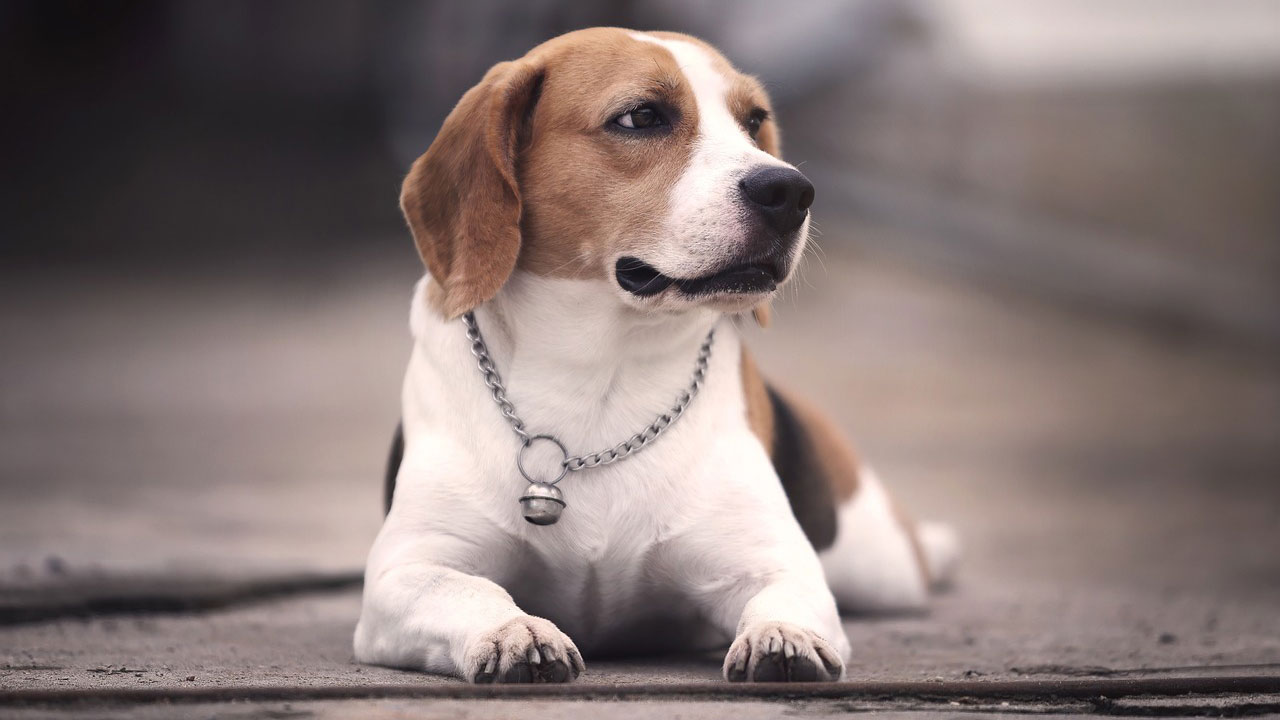
Beagles are small, but don’t let that fool you. They’re hunting dogs to the bone, and they love having a job that involves their nose. Rabbit hunting is the classic, but they also do well in scent games and tracking-style activities that let them follow a line and work a problem.
The challenge is they’re independent and food-motivated, which can be a blessing and a curse. A bored Beagle will wander, dig, howl, and generally act like they’re auditioning to be a neighborhood nuisance. A Beagle with a task—regular field time, scent trails in the woods, or even structured hide-and-seek games with the family—is usually much easier to live with. Just don’t trust them off-leash in open country unless you’ve done the work. That nose will win arguments.
20. Standard Poodle (working lines)
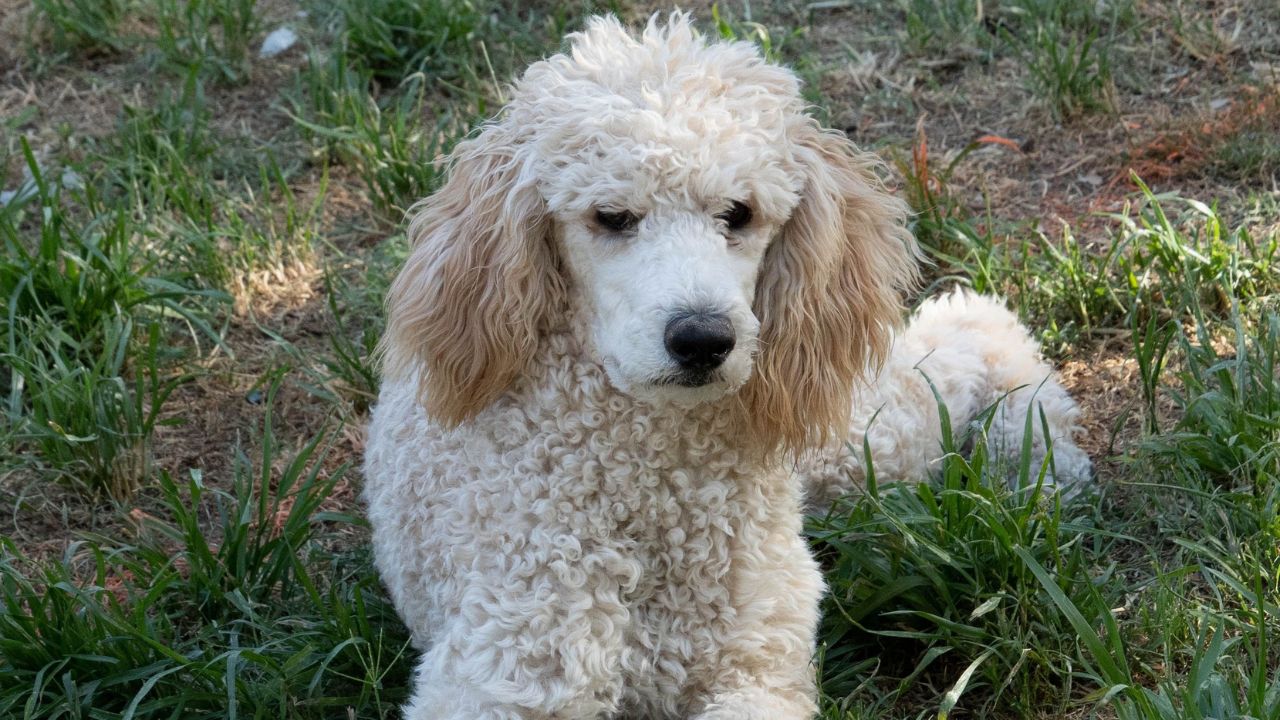
This one surprises people until they’ve hunted with a good one. Standard Poodles can be excellent retrievers, especially in water, and they’re smart enough to handle complex training. The old idea that they’re just fancy dogs doesn’t hold up when you see one marking birds and making clean retrieves in rough conditions.
They love having a job because they’re highly trainable and they bond tight with their handler. That can mean waterfowl retrieves, shed hunting, agility, or serious obedience work. The main caution is grooming and finding the right lines; you want athletic structure and stable temperament, not a dog bred strictly for looks. Put the time into training and keep them working, and you’ll end up with a sharp partner that turns heads for the right reasons.
No matter what breed you like, the pattern is the same: a working dog without work will still burn energy, just in ways you won’t appreciate. Pick a dog whose “job” fits your life—bird hunting, livestock, property watch, tracking, or just structured training you can actually stick with. Then do the part that matters most: put in the time. The best dogs I’ve been around weren’t magic. They were busy, well-led, and useful.
Like The Avid Outdoorsman’s content? Subscribe to our newsletter so you never miss an article.
Here’s more from us: