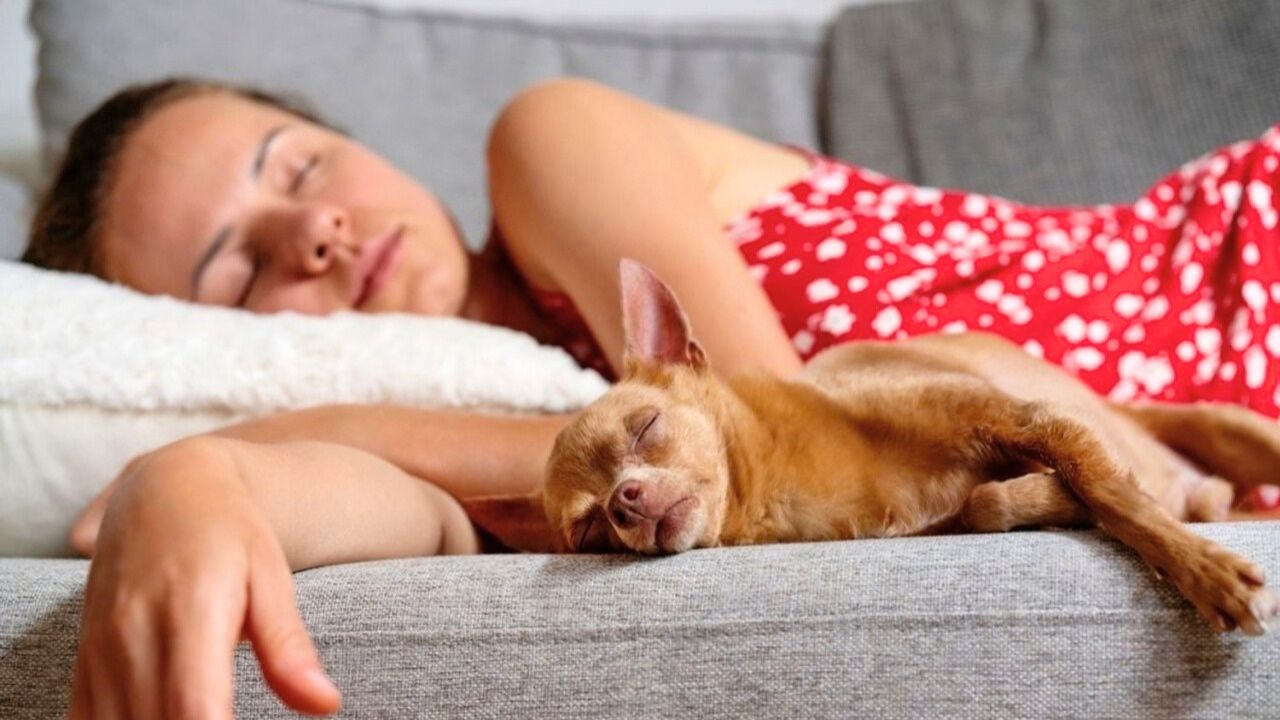
Photo credit: Barillo Images/Shutterstock.com
Not everybody wants a dog that’s glued to their hip from sunup to bedtime. If you’re the kind of person who’s out checking trail cams, splitting wood, running a trapline, or just trying to get chores done without a shadow under your boots, the “needy” breeds can wear you out fast. Independence doesn’t mean cold or unfriendly, either. It usually means the dog can settle on its own, entertain itself for a bit, and not melt down if you leave the room.
There are tradeoffs. A more self-reliant dog still needs training, exercise, and a job that fits its wiring. But if you want a companion that can handle downtime without constant reassurance, these breeds tend to do better than the velcro types.
1. Basset Hound
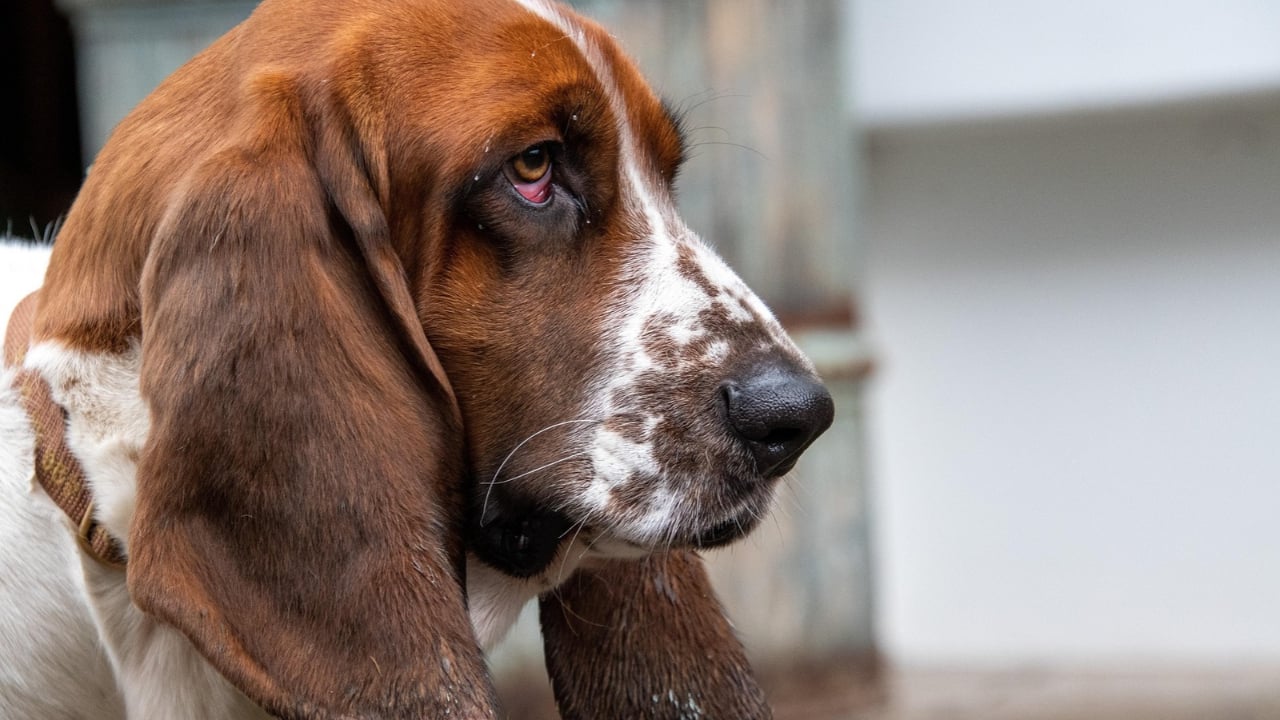
Bassets are famous for two things: their nose and their ability to nap like it’s a competitive sport. If you want a dog that can be content lounging while you work in the shop, a Basset usually gets it. They like their people, but they’re not typically frantic about being in your lap every minute.
The big thing with Bassets is structure. Give them a steady routine, a couple good sniff-walks, and they’ll settle in. They can be stubborn as a fence post, so obedience takes patience, but they’re not generally anxiety-prone if you’ve raised them steady. Watch the weight and the ears, and don’t expect them to be your jogging partner.
2. Greyhound
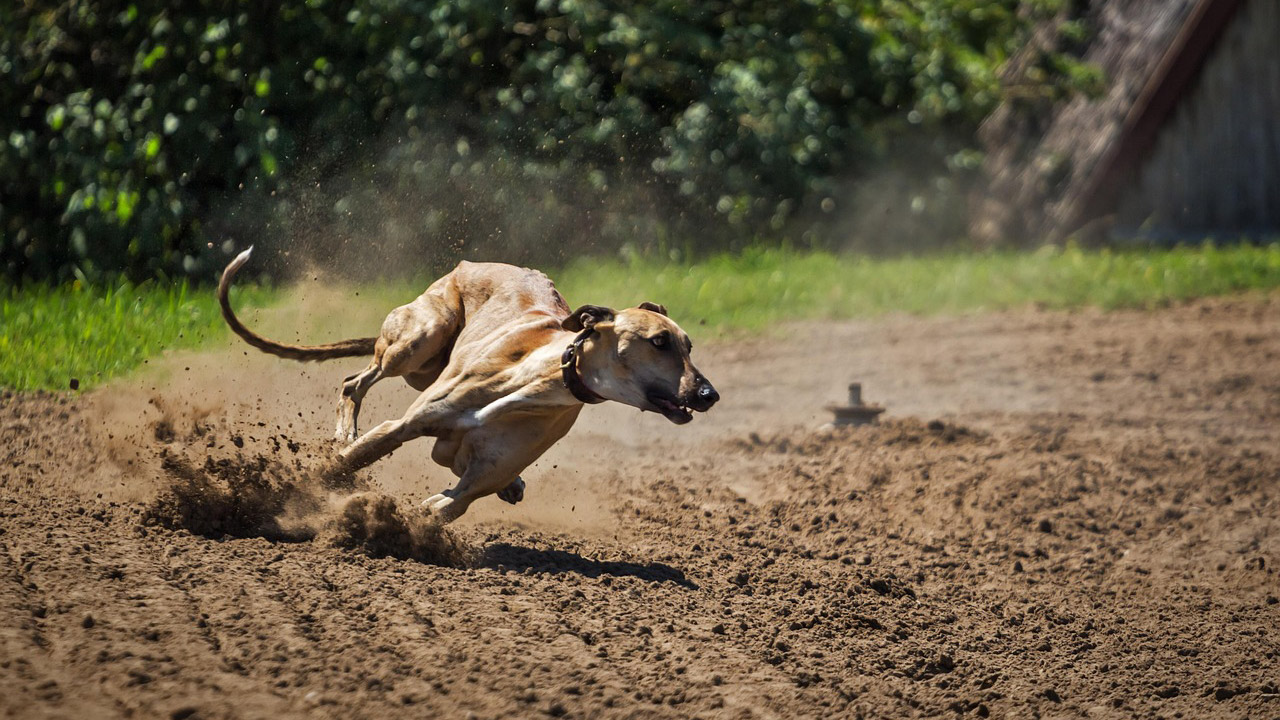
Most folks see a Greyhound and think “high energy,” but the truth is they’re usually calm house dogs that hit the off switch hard. They love a quick sprint and then they’re happy to be a couch ornament. If you’ve got a busy day and can’t provide nonstop interaction, they’re often fine as long as they’ve had their outlet.
They’re sensitive dogs, though. They do best with a calm home and consistent handling, not chaos and yelling. A fenced yard helps, and leash manners matter because the prey drive is real. Still, for a low-drama companion that doesn’t demand constant attention, a Greyhound surprises people.
3. Shiba Inu
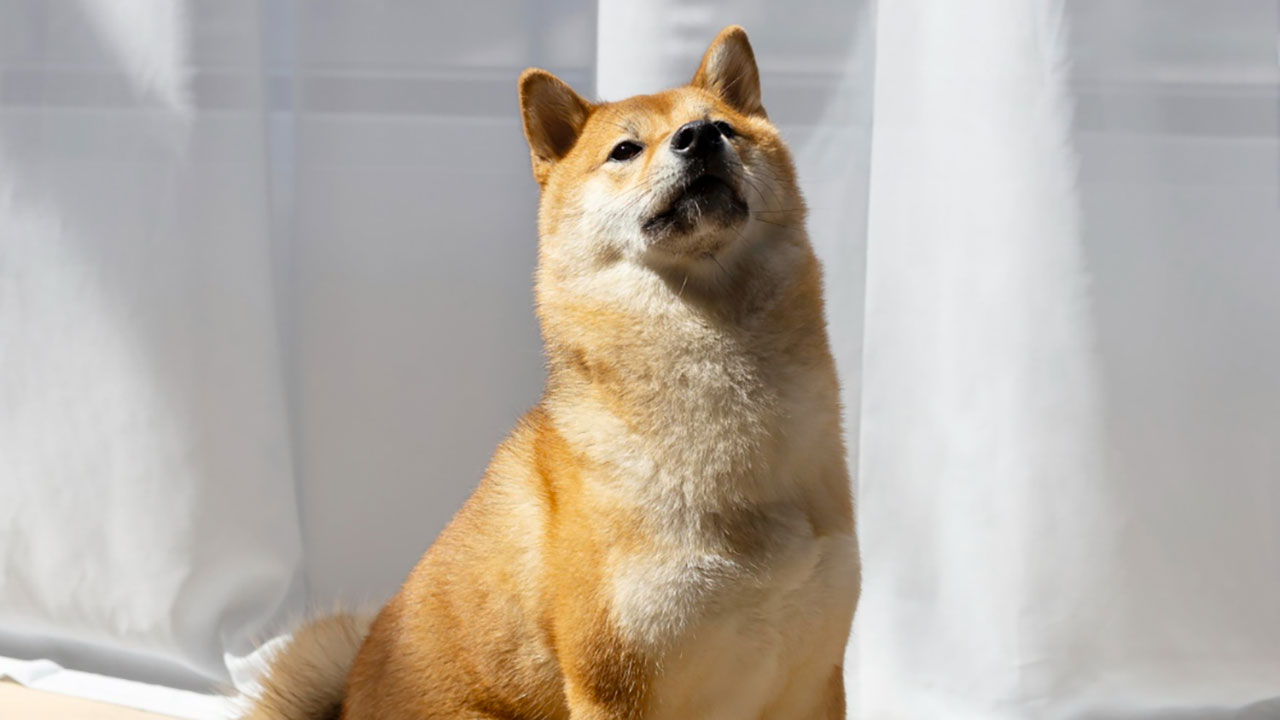
Shibas are independent to the core. They’ll hang out with you, but they’re not usually begging for reassurance every five minutes. If you appreciate a dog with a little “cat-like” attitude—clean, self-contained, and content doing its own thing—a Shiba fits that lane.
The flip side is you can’t be lazy with training. They’re smart and they’ll negotiate like a seasoned horse trader if you let them. Solid recall can be a challenge, and they’re not always thrilled with strange dogs. But for someone who wants a companion that doesn’t need constant coddling, a Shiba can be a good match.
4. Chow Chow

A Chow tends to bond closely but not clingily. They’re often dignified, watchful, and perfectly happy to post up where they can see the house and yard. They’re not the type that needs nonstop play sessions or constant petting to feel okay.
They do need early socialization and a confident handler. A bored, under-socialized Chow can turn into a stubborn handful, and their guarding instincts are nothing to ignore. Grooming is part of the deal too, especially in shedding season. If you respect what they are and you want a more self-contained dog, they can work.
5. Akita
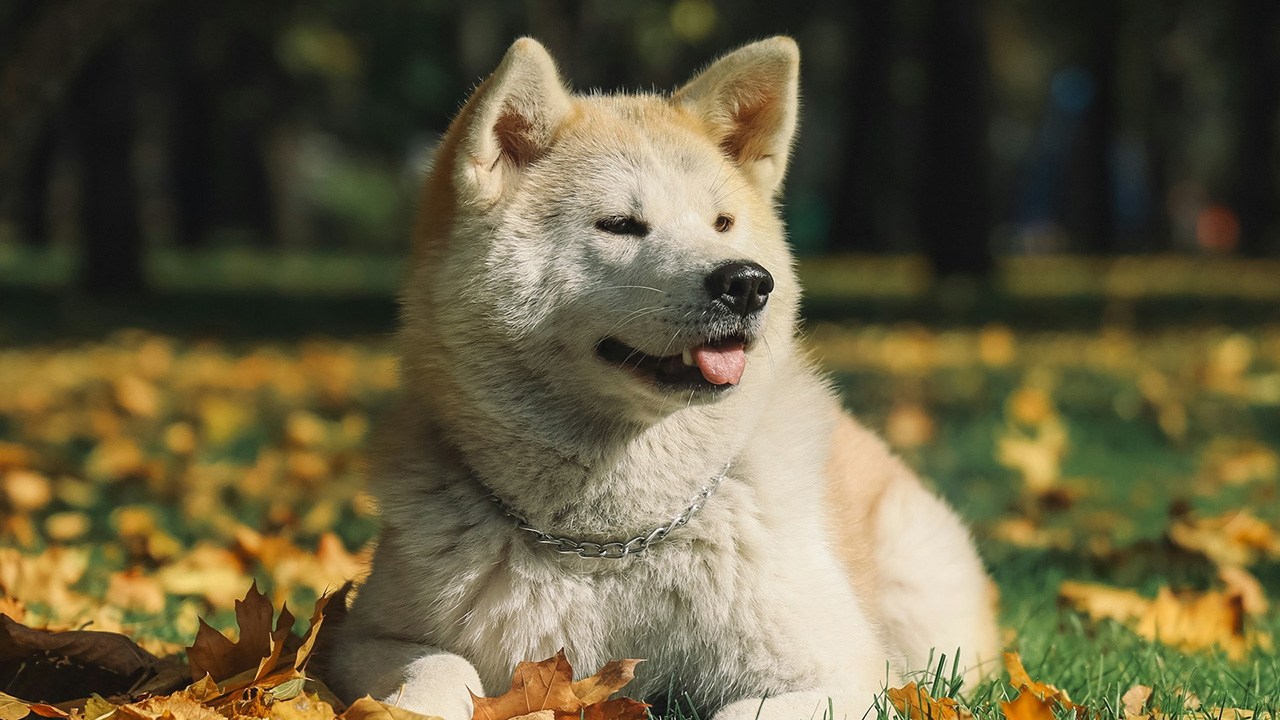
Akitas are the kind of dog that can sit quietly and watch everything without making a fuss. They’re usually not frantic attention-seekers. They’ll be near you because they’re loyal, but they’re not always trying to crawl inside your skin.
This is not a “wing it” breed. They’re powerful, protective, and can be selective with other dogs. Training has to be steady and fair, and you need to be honest about your ability to handle a large, willful animal. If you can meet them where they’re at, they’re often calm around the house and not constantly demanding interaction.
6. Great Pyrenees
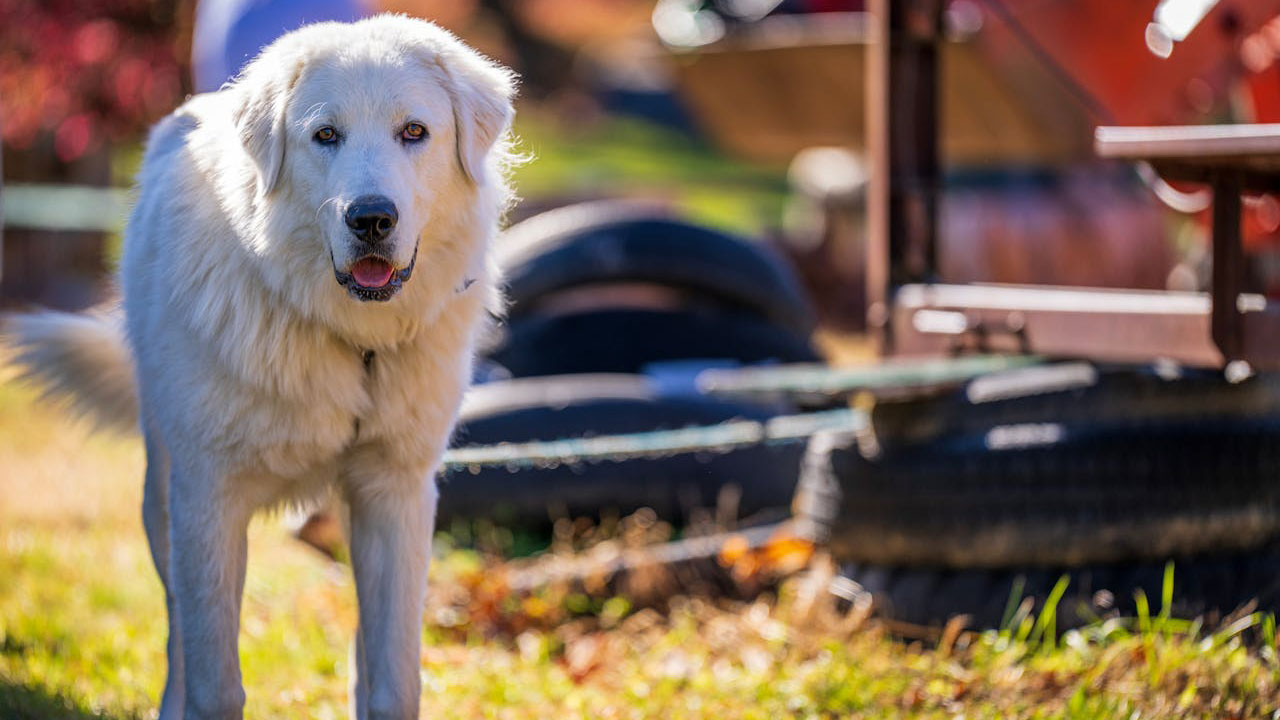
If you’ve ever been around a farm guardian, you know the vibe: calm, patient, and comfortable doing its own job. Great Pyrenees are built to make decisions without a human micromanaging them. That independence usually shows up as a dog that can relax without constant attention.
They do bark, especially at night, because that’s the factory setting. Fencing matters, and so does basic training, but don’t expect robotic obedience. They’re big dogs with big appetites and thick coats. If you want a steady presence that doesn’t need entertainment all day, they’re worth a look.
7. Bullmastiff
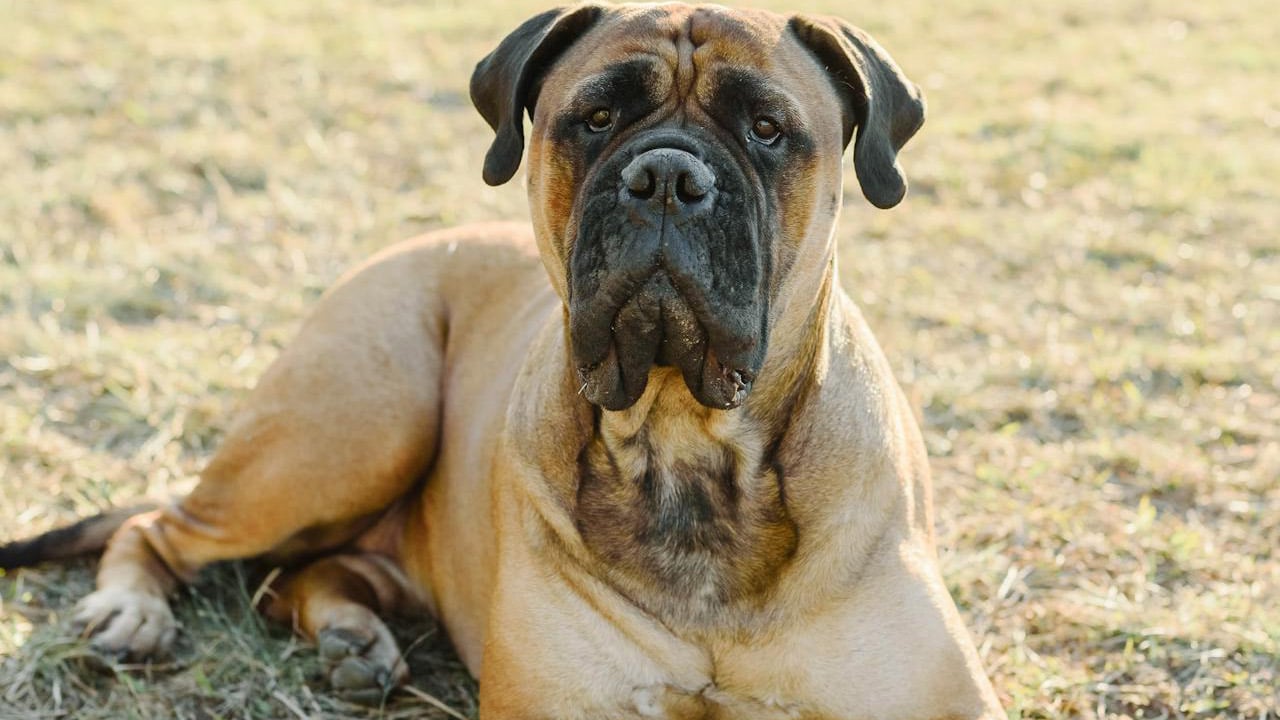
Bullmastiffs are classic “heavy furniture” dogs. They’re protective, calm, and usually content just being close by. If your idea of a good dog is one that can lounge while you handle chores and then take a short walk without acting like it’s the end of the world, they fit.
They’re strong and they mature slowly, so training early is non-negotiable. You don’t want a 120-pound dog pulling like a sled team. Heat can be tough on them, and they aren’t built for long runs. For low-cling companionship and a solid home presence, they’re hard to beat.
8. Whippet
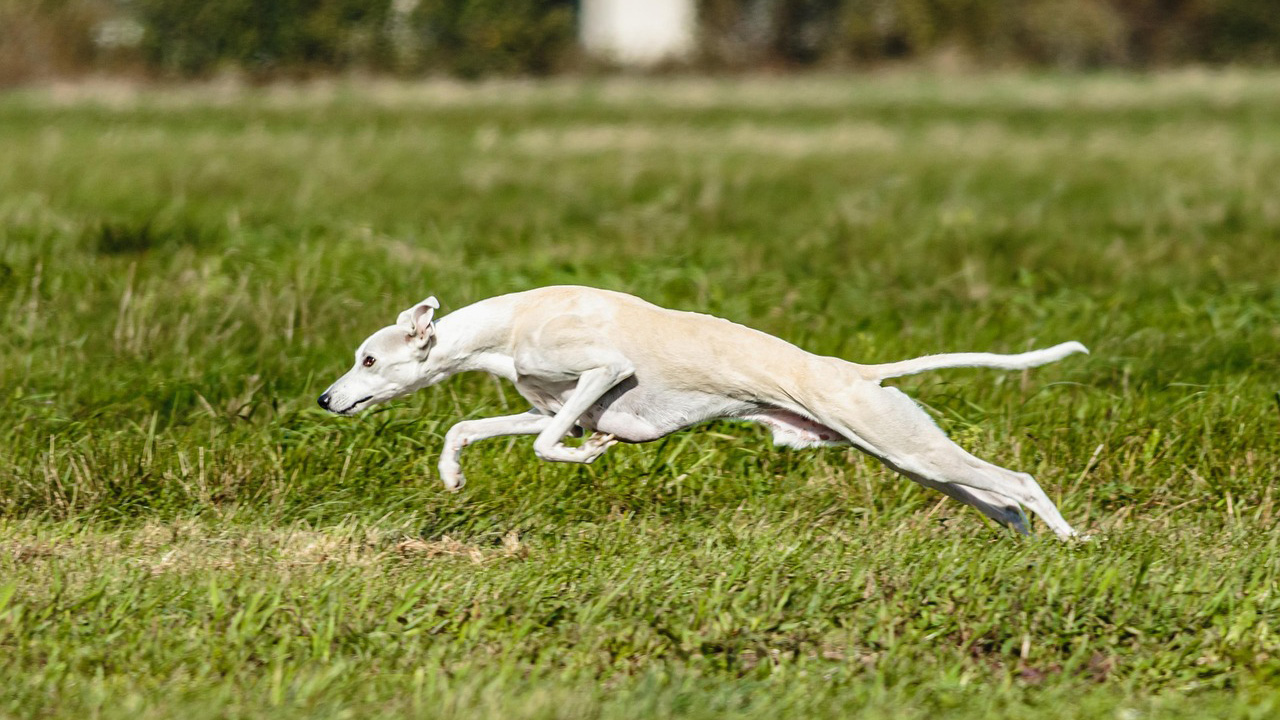
A Whippet is like a smaller Greyhound with the same basic off switch. They’ll get a case of the zoomies, then they’ll nap like they worked a double shift. They typically don’t demand constant attention if their basic needs are met.
They do like comfort, so don’t be shocked if they find the softest spot in the house. They’re also sensitive, so harsh handling backfires. Like other sight hounds, prey drive can be an issue, so leash and fence are important. If you want quiet, clean, and mostly self-contained, Whippets usually deliver.
9. Basenji
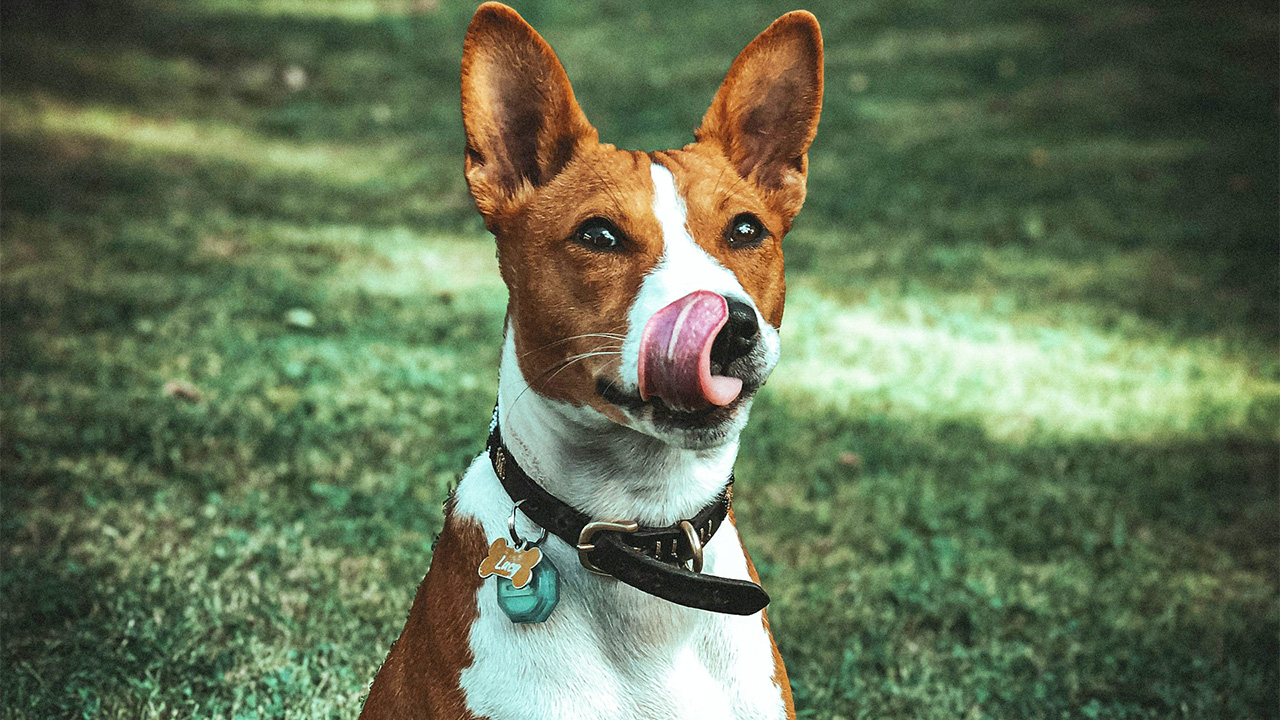
Basenjis are independent, curious, and not especially needy. They were developed to hunt and think for themselves, and it shows. They’re not big on constant approval, and they can be perfectly content entertaining themselves.
They’re also stubborn and clever, which is a combination that’ll test you. If there’s a way out of a yard, they’ll find it, so containment matters. They’re not known for barking much, but they’re not silent either—they make their own noises. If you want a dog that isn’t constantly on your heels, a Basenji fits the bill.
10. Scottish Terrier

Scotties are small but serious. They’re typically confident, independent, and not the type to panic if you’re busy. They’ll do their patrol around the house and yard and then settle down like they’ve handled business.
They can be territorial and stubborn, so you want to be consistent with rules. They were bred to go after critters, so don’t be surprised if they’ve got opinions about squirrels and groundhogs. Grooming takes some upkeep, but day-to-day they’re not usually attention hogs. For a compact dog with backbone and independence, they’re a solid choice.
11. Lhasa Apso
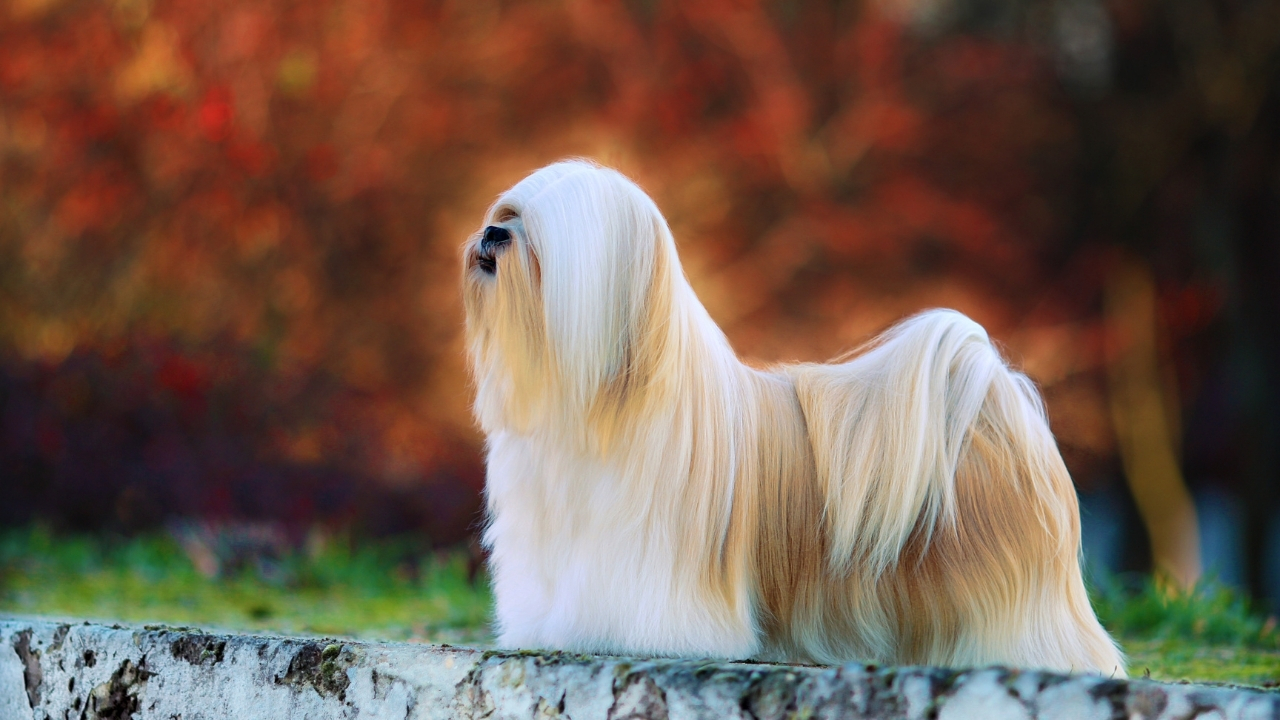
The Lhasa Apso was built to be an indoor sentinel, not a constant cuddle machine. They tend to be fine doing their own thing and checking in on you when they feel like it. If you want a dog that doesn’t melt down just because you’re busy, they often handle that well.
They can be cautious with strangers and a little stubborn with training. Socialization helps keep them from becoming yappy little alarm systems. Their coat can be high maintenance if you keep it long, so be honest about grooming time. Personality-wise, though, they’re often more self-possessed than many companion breeds.
12. Shar Pei

Shar Peis are typically calm and reserved, and they’re not known for being clingy. They’re often content to be in the same space without demanding constant touch and attention. If you like a quieter dog that isn’t always “on,” they can fit.
They do require a watchful owner. Skin and ear issues can pop up, and you need to stay ahead of it. They can also be protective and wary of strangers, so early training and social exposure matters. A well-run Shar Pei can be low-drama at home and not a constant attention sink.
13. Afghan Hound

Afghans are beautiful dogs with an independent streak a mile wide. They’re not typically desperate for attention, and they can be content in their own world. If you want a dog that’s affectionate on its terms and doesn’t require you to be its full-time entertainment, this breed qualifies.
The catch is grooming. That coat isn’t forgiving, and if you don’t keep up, you’ll pay for it in mats and frustration. They also aren’t the easiest to train, so you need patience and realistic expectations. For the right person, they’re calm in the house and not clingy, but they are not a “set it and forget it” pet.
14. Irish Wolfhound

Irish Wolfhounds are huge, gentle, and usually pretty mellow indoors. They don’t tend to be frantic attention-seekers. Give them space to stretch out and a couple decent walks, and many of them are content to just be near you without demanding constant interaction.
Size changes everything, though. Food, vet bills, and the simple logistics of a giant dog are real. They don’t live as long as smaller breeds, and that one hurts. They can’t handle constant hard exercise when they’re young because of growth plates and joints, so you have to be smart. If you want calm companionship and can handle the responsibilities, they’re about as steady as it gets.
15. Newfoundland

Newfoundlands are generally sweet, calm dogs that don’t need nonstop stimulation. They like their people, but they’re often fine just laying nearby while life happens. If you want a big dog that can settle, they usually have that built in.
They drool. If that bothers you, stop here. Grooming is also part of the deal, and they do better in cooler weather than heat. They’re strong and can accidentally bulldoze a kid just turning around, so training manners matters. For a relaxed, low-pressure companion that isn’t demanding every minute, they’re a good option.
16. Cavalier King Charles Spaniel
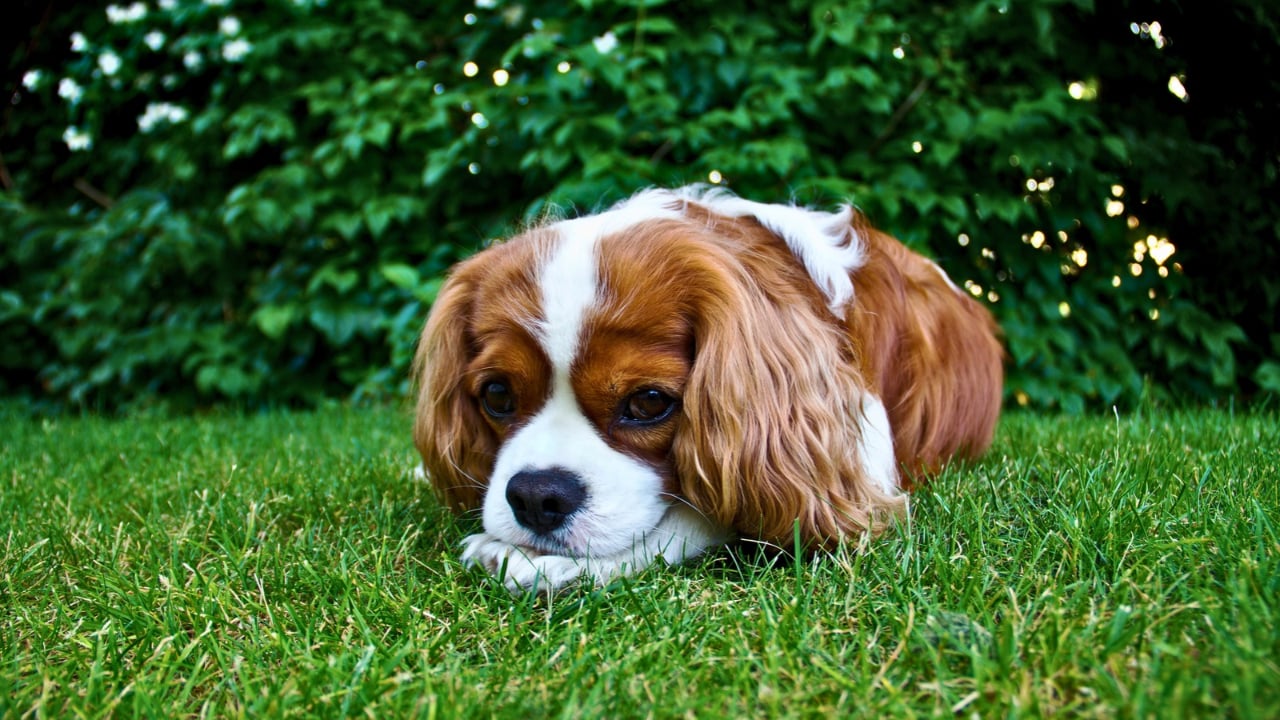
Cavaliers are affectionate, but many of them aren’t as high-maintenance emotionally as people assume. They tend to be adaptable: content to follow you around when you’re home, and often okay settling when you’re busy. If you want friendly without constant intensity, they can be a good middle ground.
They’re not a working dog, so don’t expect them to be happy living outside or running all day. They do best as house dogs with steady routines. Health matters with this breed, so you need to pay attention to breeding and veterinary care. Temperament-wise, a well-raised Cavalier can be easy living for a busy household.
17. Chinese Crested
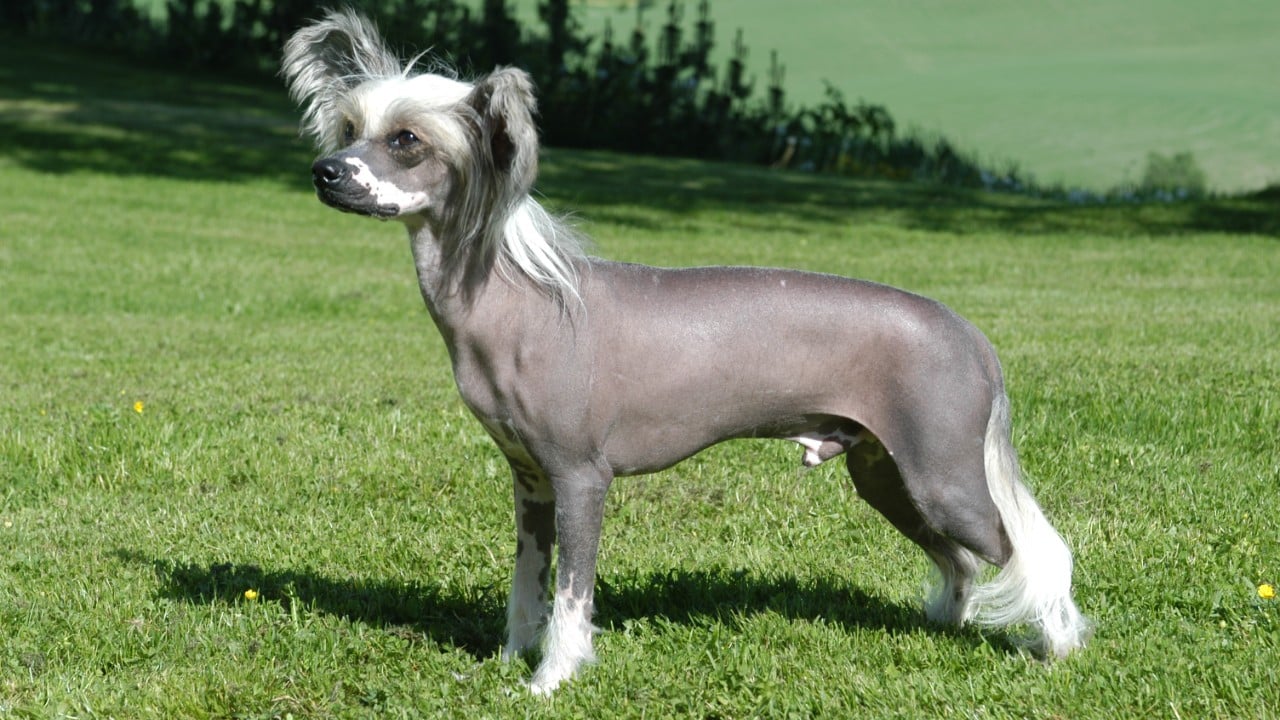
Chinese Cresteds are a little different, but they can be surprisingly okay with downtime if they’re raised with good habits. They enjoy companionship, yet many aren’t nonstop attention-beggers. If you want a smaller dog that doesn’t require constant entertainment, they can fit better than some toy breeds.
They do need skin care if you’ve got a hairless variety, and they don’t love rough weather. They’re also not the kind of dog you toss outside and forget about. But if you’re looking for a dog that can be calm, clean, and content hanging out without demanding center stage all day, they’re worth considering.
18. Pekingese
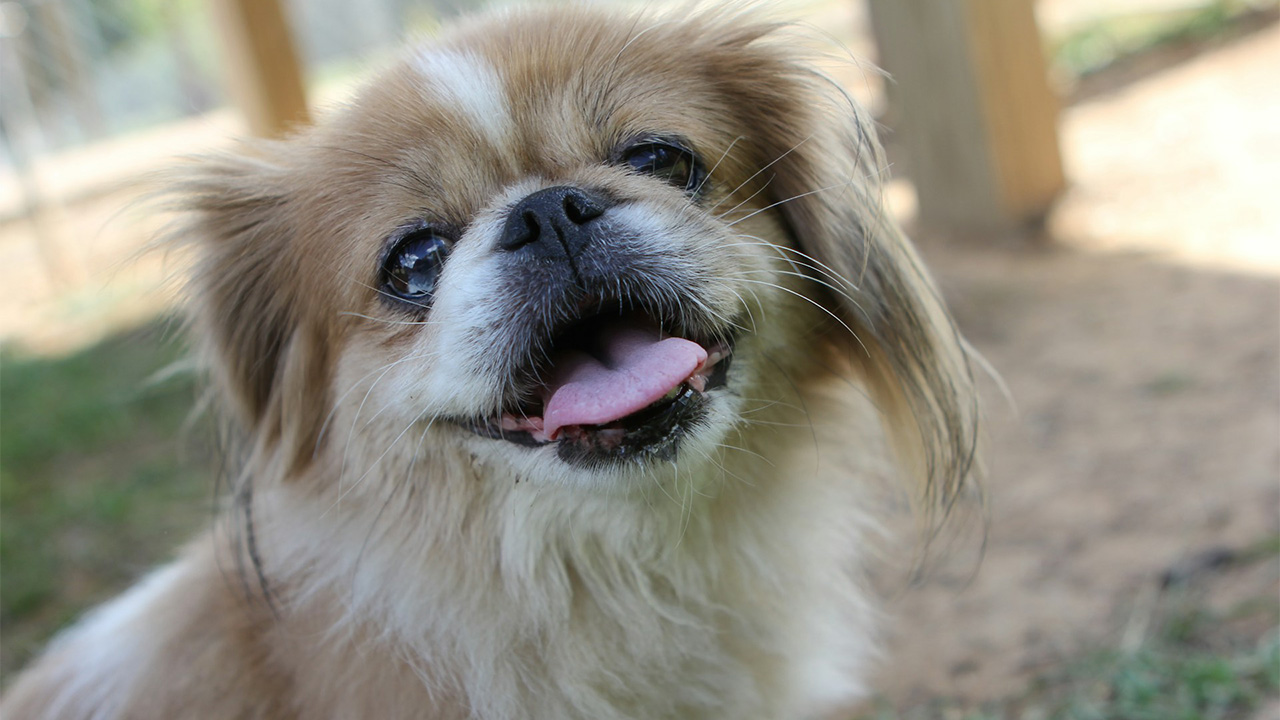
Pekingese have an independent, almost stubborn self-confidence. They’ll take affection, but they usually don’t require you to validate them every second. They can be perfectly happy perched somewhere comfortable, watching the world like they own it.
They’re not built for long hikes or hard runs, especially in heat. Breathing can be a concern with flatter-faced breeds, so you have to be smart about exertion and temperature. Grooming can be a chore if you keep the coat long. Still, for a low-activity companion that’s not constantly in your business, they often fit the bill.
19. Labrador Retriever (working lines with an “off switch”)

I know, Labs are popular and everybody’s got an opinion. But a well-bred Lab with proper training can be steady as a rock at home. The key phrase is “well-bred” and “properly exercised.” When those boxes are checked, many Labs aren’t needy—they’re just present, ready when it’s time to go.
If you pick a high-octane field line and never give it a job, you’ll get chaos. But if you hunt, train, throw bumpers a few times a week, and teach place/kennel manners, a Lab can nap through half your day. They’re also easier to live with than a lot of independent breeds because they generally want to please.
20. English Bulldog
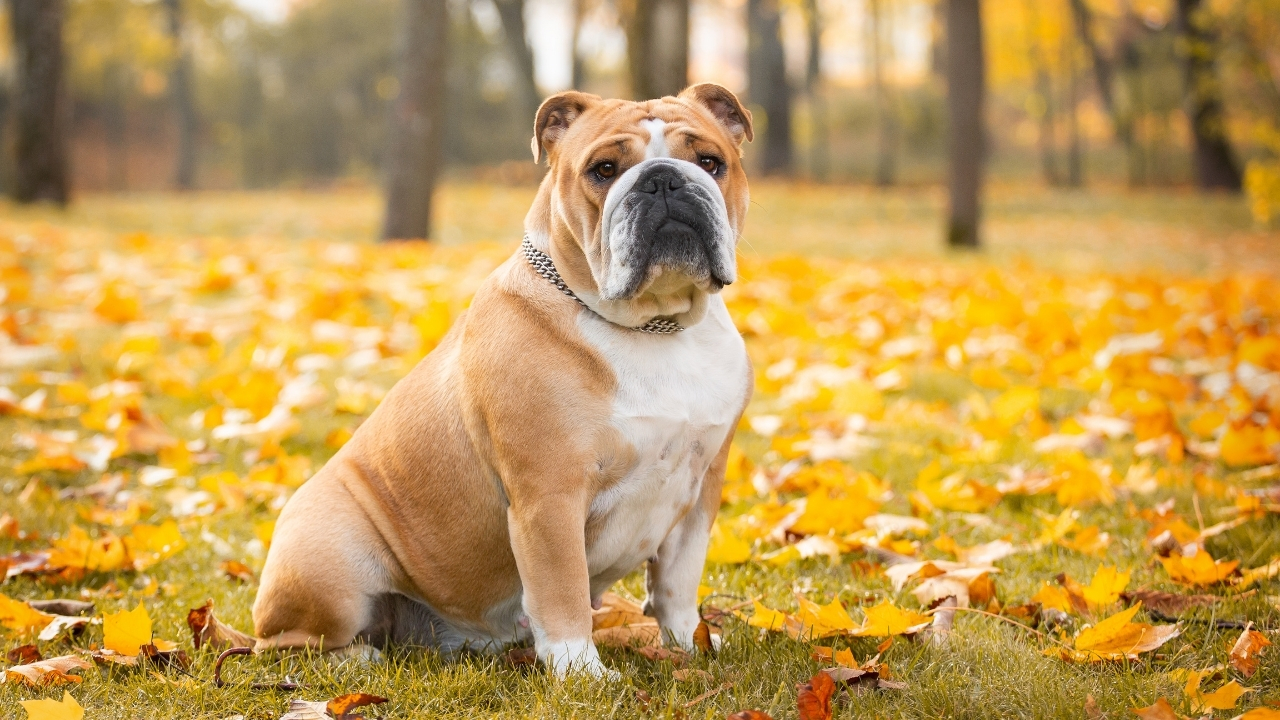
English Bulldogs are not typically demanding athletes or constant attention machines. Most of them are content to hang around, nap, and follow you from room to room without acting frantic. If your life is more “steady routine” than “always on the move,” they can match that pace.
They do come with considerations: heat sensitivity, potential breathing issues, and vet bills that can surprise you. You also need to stay on top of skin folds and general conditioning so they don’t turn into couch-bound problems. But if you’re looking for a laid-back companion that doesn’t require nonstop engagement, Bulldogs are often as low-key as it gets.
The best “low attention” dog isn’t the one that never wants you around. It’s the one that can handle real life: chores, work, kids, hunting weekends, and quiet evenings without getting spun up. Spend time around the breed, be honest about your schedule, and pick a dog whose needs you can actually meet. Independence is a feature, not a flaw—if it matches how you live.
Like The Avid Outdoorsman’s content? Subscribe to our newsletter so you never miss an article.
Here’s more from us: