Photo credit: sootch00/Youtube
Walk into any gun shop and mention you’re looking for a carry caliber, and you can almost predict the script. You’ll hear about 9mm first, then maybe .380 if you’re wanting something tiny, and after that it turns into a debate about .45 versus “just shoot 9mm better.” Meanwhile, a handful of old standbys and “in-between” cartridges sit there like tools nobody grabs anymore.
Some of those rounds didn’t get worse. They just got crowded out by better marketing, cheaper ammo, and the internet’s tendency to turn everything into a one-size-fits-all answer. If you’re the kind of person who actually carries day in and day out—through heat, chores, truck seats, treestands, and gas-station runs—there are a few calibers worth re-thinking even if they aren’t cool right now.
1. .32 ACP
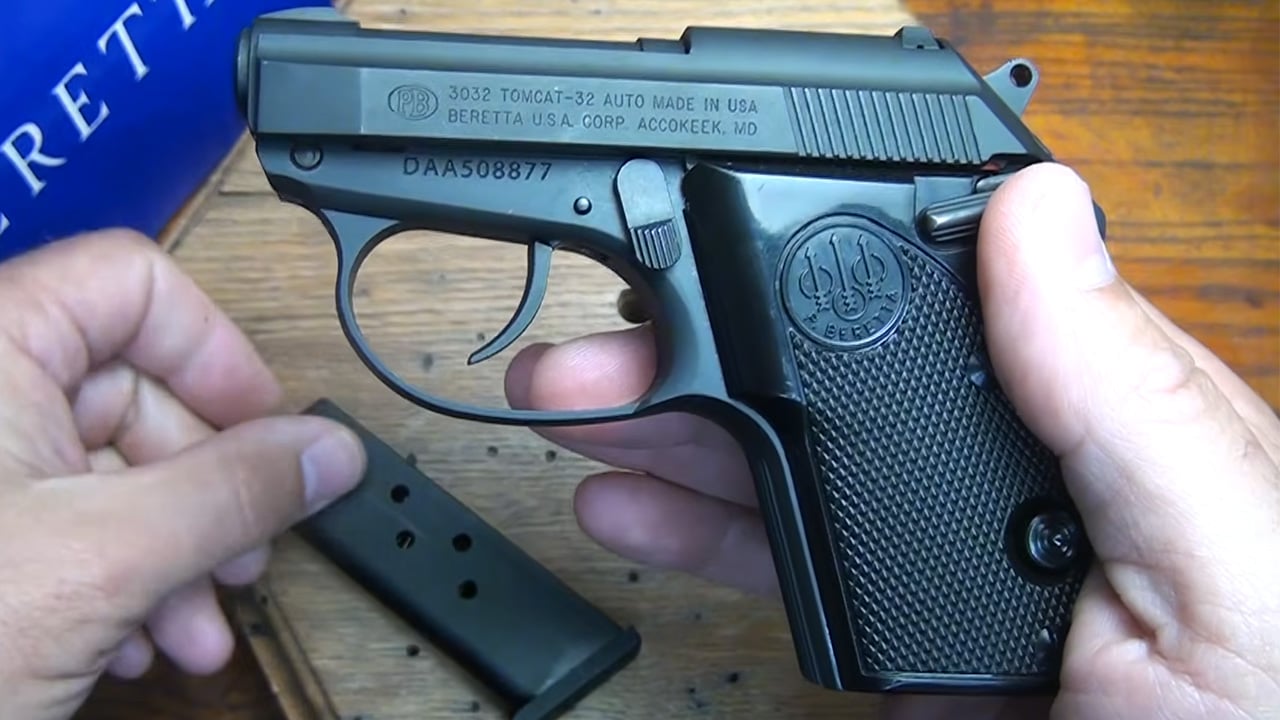
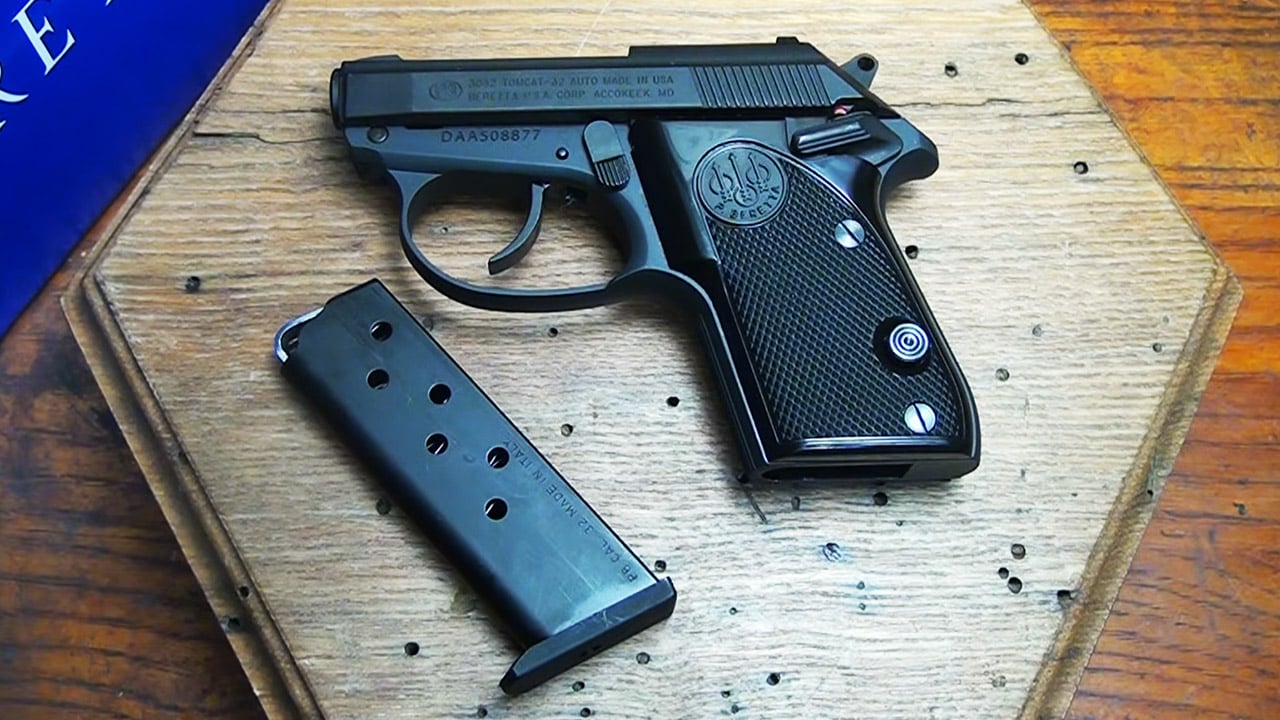
.32 gets treated like a joke until you actually spend time with a good .32 pistol. In a true pocket-size gun, .32 often feeds smoother than some finicky .380s, recoil is mild, and follow-up shots come quick. That matters when the gun is so small you can’t get much grip on it.
The downside is obvious: fewer modern defensive loads on every shelf, and you’re not getting the energy numbers everyone likes to quote online. Still, for deep concealment where a bigger gun simply will not happen, .32 is a real answer. A tiny gun you’ll actually carry beats a “better caliber” sitting in the console.
2. .380 ACP (with full-power ammo and honest expectations)
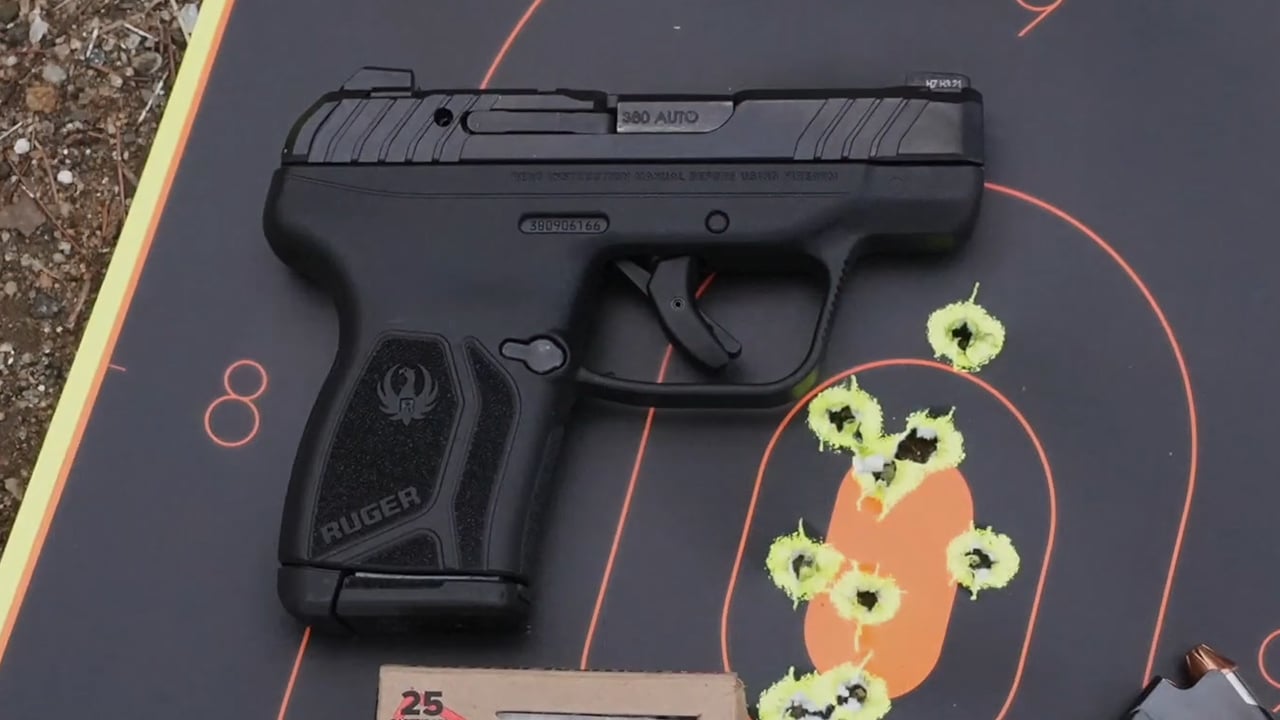
Everybody recommends .380 to new carriers, and that’s part of the problem—experienced shooters got tired of the hype and started acting like .380 is useless. It isn’t. It’s just limited, and it lives or dies by the gun you choose and the ammo you run.
In the micro pistols, .380 can be snappy and unpleasant, which is backwards from what folks expect. But in slightly larger .380s, it can be easy to shoot well and easy to carry all year. If you can place shots fast and the pistol actually runs, .380 still earns its keep.
3. .38 S&W (not .38 Special)
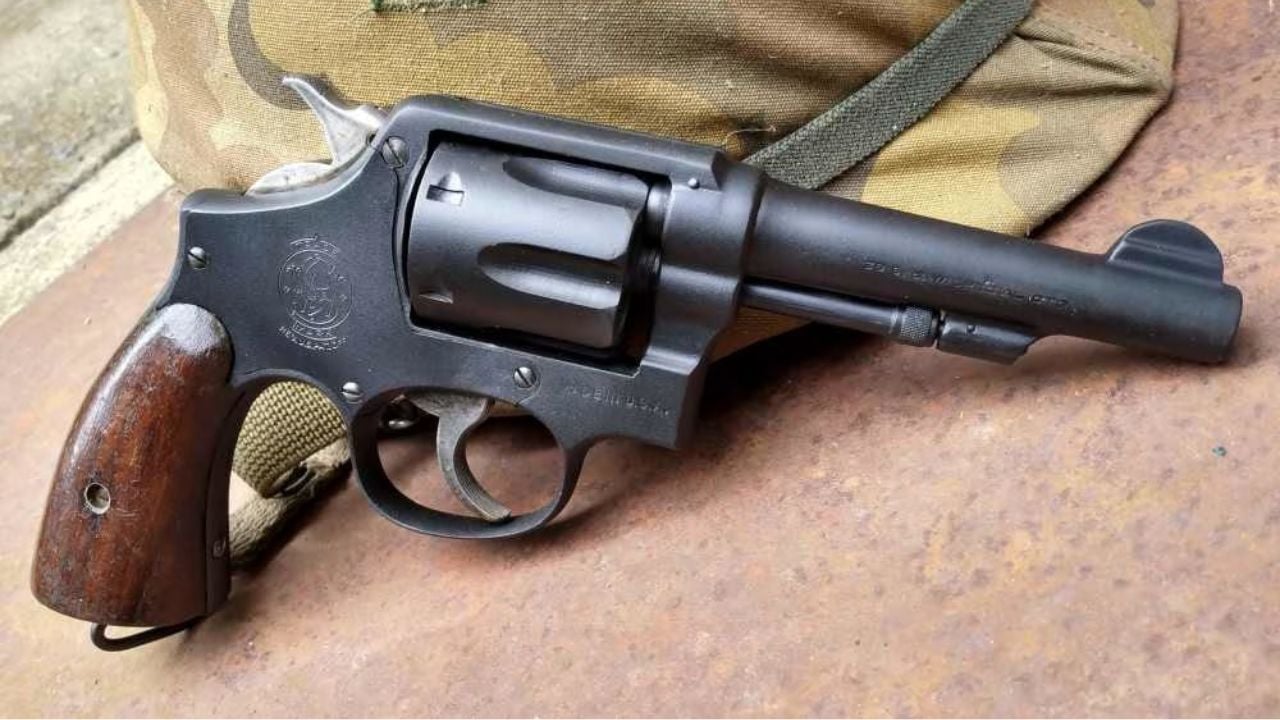
This one gets forgotten because most people don’t even realize it’s a different cartridge. .38 S&W shows up in older revolvers and a few niche guns, and it’s not the same as .38 Special. It’s generally lower pressure and built around older designs.
I’m not telling you to run out and carry an antique you can’t get parts for. I am saying if you inherited a solid old revolver chambered in .38 S&W and you’ve been tempted to dismiss it completely, slow down. With the right factory ammo and a gun checked over by someone competent, it can be more “real world” than folks give it credit for—especially for people who will actually practice with a mild-recoiling revolver.
4. .38 Special (standard pressure, out of a revolver you’ll actually carry)
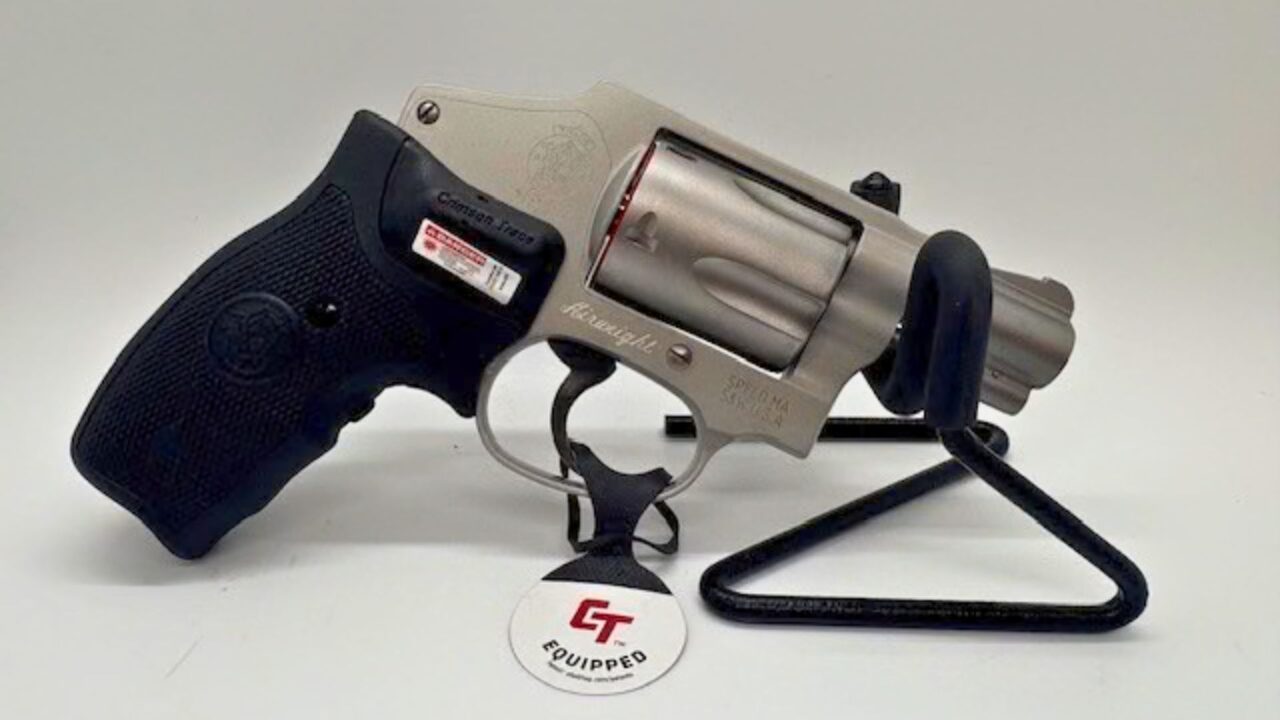
.38 Special is still recommended, but it’s rarely recommended with the kind of common sense it deserves. Everyone jumps straight to +P talk and “short barrel loads,” and then wonders why the little revolver becomes a chore to shoot. Standard pressure .38 in a good snub is controllable, accurate enough, and simple.
Here’s what never changes: revolvers carry well in pockets and on ankles, don’t care about limp-wristing, and can be shot from awkward positions without going out of battery. Capacity is the trade. But as a “grab it when you’re running out to feed animals” gun, .38 Special remains boring and useful.
5. .327 Federal Magnum

.327 Federal is one of the most practical revolver rounds nobody talks about anymore. It can give you an extra round in the same size revolver compared to .357, and it shoots flatter than most folks expect. In a small frame, that extra capacity is not nothing.
The knock is ammo availability and price, plus blast. .327 can be loud, especially out of a short barrel. But the flexibility is real: you can also shoot .32 H&R Magnum and .32 S&W Long in many .327 guns, which makes practice a lot more comfortable. If you like revolvers and want more than five shots, this one deserves a serious look.
6. .41 Magnum (yes, for carry—sometimes)
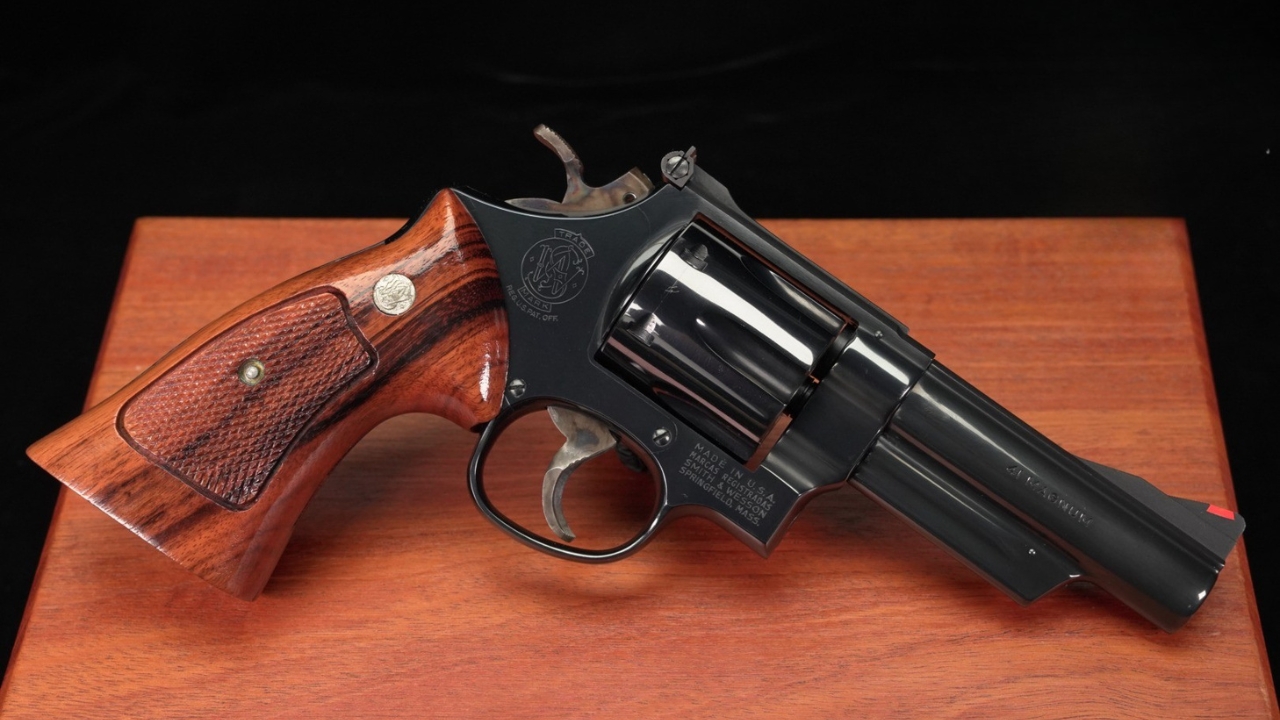
I can already hear the “who carries a .41?” crowd. Not many. But I’ve spent enough time in the woods and on rural properties to know there’s a difference between “town carry” and “I might run into a mean dog, a hog, or something worse in the back pasture” carry.
.41 Magnum got squeezed between .357 and .44, and it never recovered. Still, in the right revolver and with the right load, it hits hard without always being the wrist-breaking monster people assume. It’s not for everyone, and it’s not for thin summer clothes. But for a woods-sidearm role, it’s undervalued.
7. .44 Special
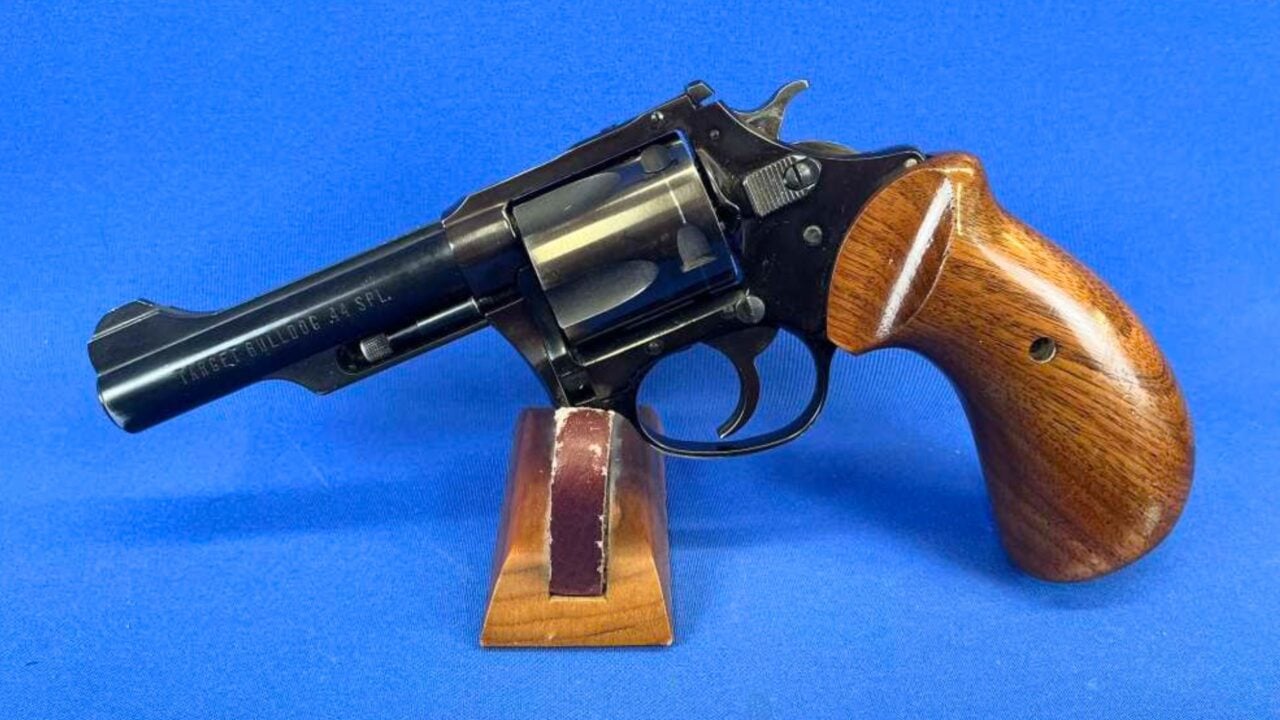
.44 Special is what a lot of folks actually want when they say they want a .44. Manageable recoil, a big bullet, and less punishment than full-house .44 Magnum. In carry terms, it can be surprisingly shootable in medium-frame revolvers, and it doesn’t beat the gun up the same way.
The problem is cost and selection. You don’t see endless boxes of .44 Special stacked up like 9mm. But if you reload, or you keep a reasonable stash, .44 Special is a calm, effective choice that doesn’t need to be trendy to work.
8. .45 GAP
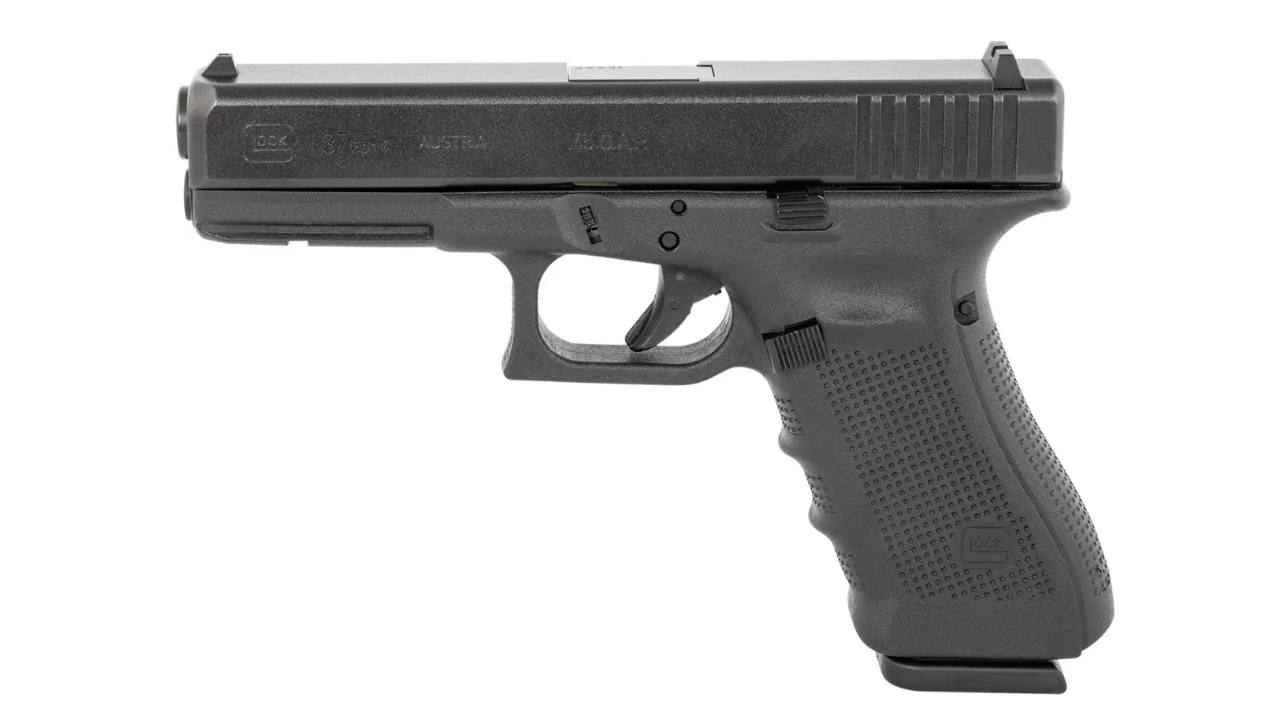
.45 GAP is the classic “why does this exist?” caliber—and I get why it faded. It was trying to put .45 performance into a smaller grip frame, and then modern 9mm loads, better pistol design, and the whole micro-compact wave made the argument less urgent.
Still, if you already own a .45 GAP pistol and it runs, you’re not automatically handicapped. The real issue is supply: ammo can be harder to find and more expensive, and that affects practice. If you’re the type who trains regularly, you may decide it’s not worth the hassle. If you’ve got ammo put back and you shoot it well, it’s not the dead-end some folks pretend it is.
9. .45 Colt (in the right revolver, with the right loads)
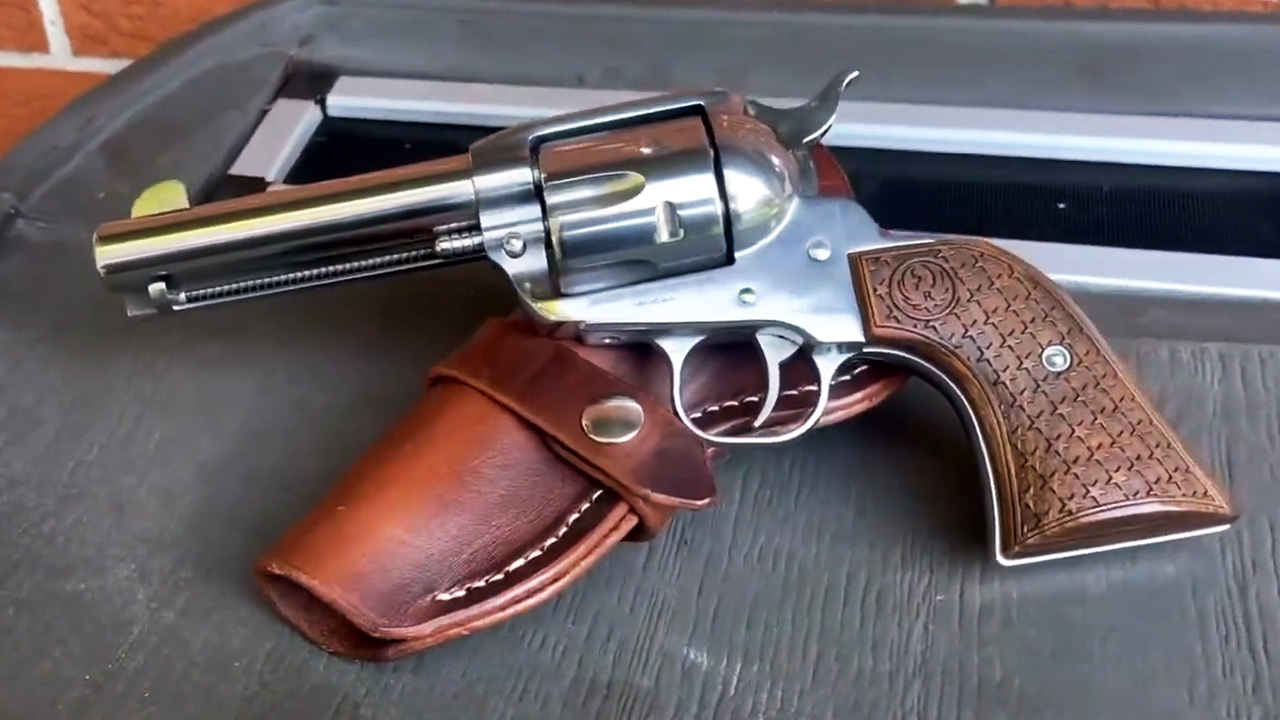
.45 Colt is usually discussed like a cowboy round or a handloader’s playground. But as a carry caliber—especially on rural ground—it has a quiet practicality. Standard-pressure loads can be very controllable, and the bullet does what big bullets tend to do.
The warning label is important: .45 Colt load data is all over the map depending on the gun. For carry, the smart move is sticking with reputable factory ammo suited to your revolver, not trying to turn it into something it isn’t. As a woods and property cartridge, it’s better than its “old-timey” reputation.
10. 10mm Auto (when you treat it like a tool, not a personality)
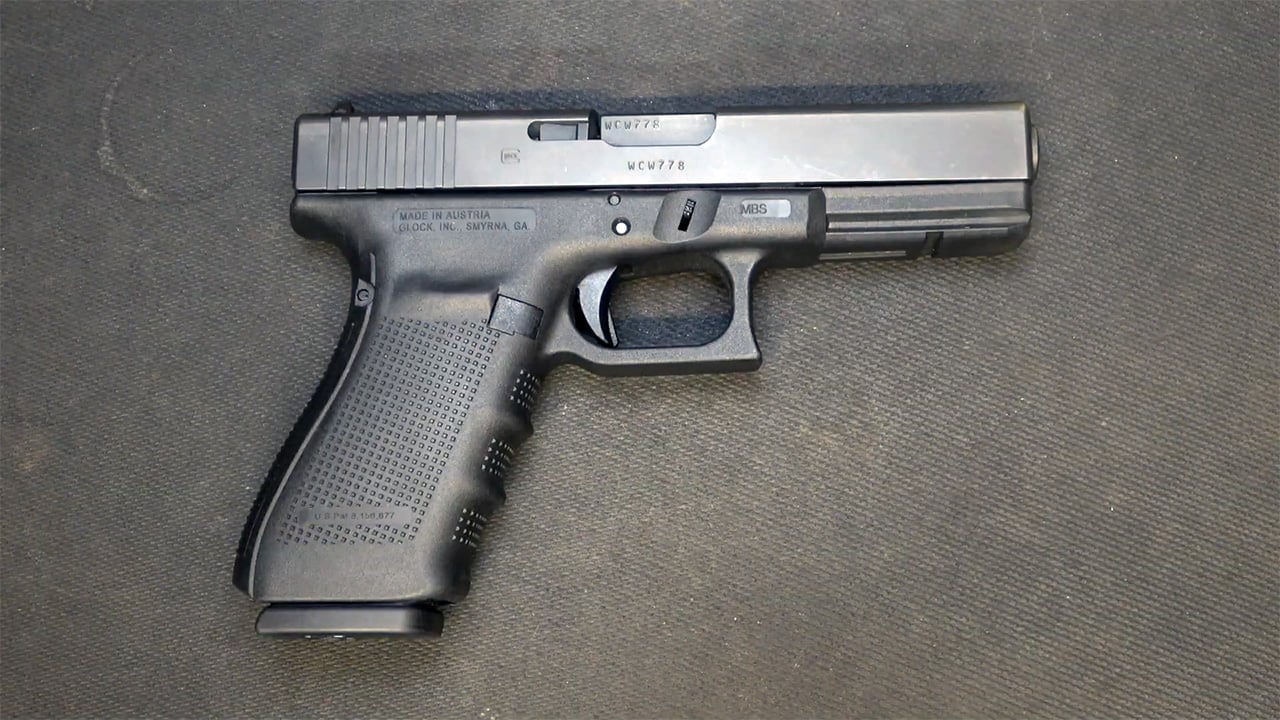
10mm isn’t exactly forgotten, but it is misunderstood. It gets recommended for everything from bear defense to “the ultimate do-it-all,” and then people buy a small, light pistol and realize they don’t enjoy practicing with it. Ask me how I know.
Here’s where 10mm is undervalued: a well-built, mid-size pistol with good springs, quality magazines, and sensible ammo can be a very capable backwoods carry. You can also step down to milder loads for practice. If you’re not going to train, don’t bother. If you are, it’s a serious cartridge that still gets reduced to internet chest-thumping.
11. .357 SIG
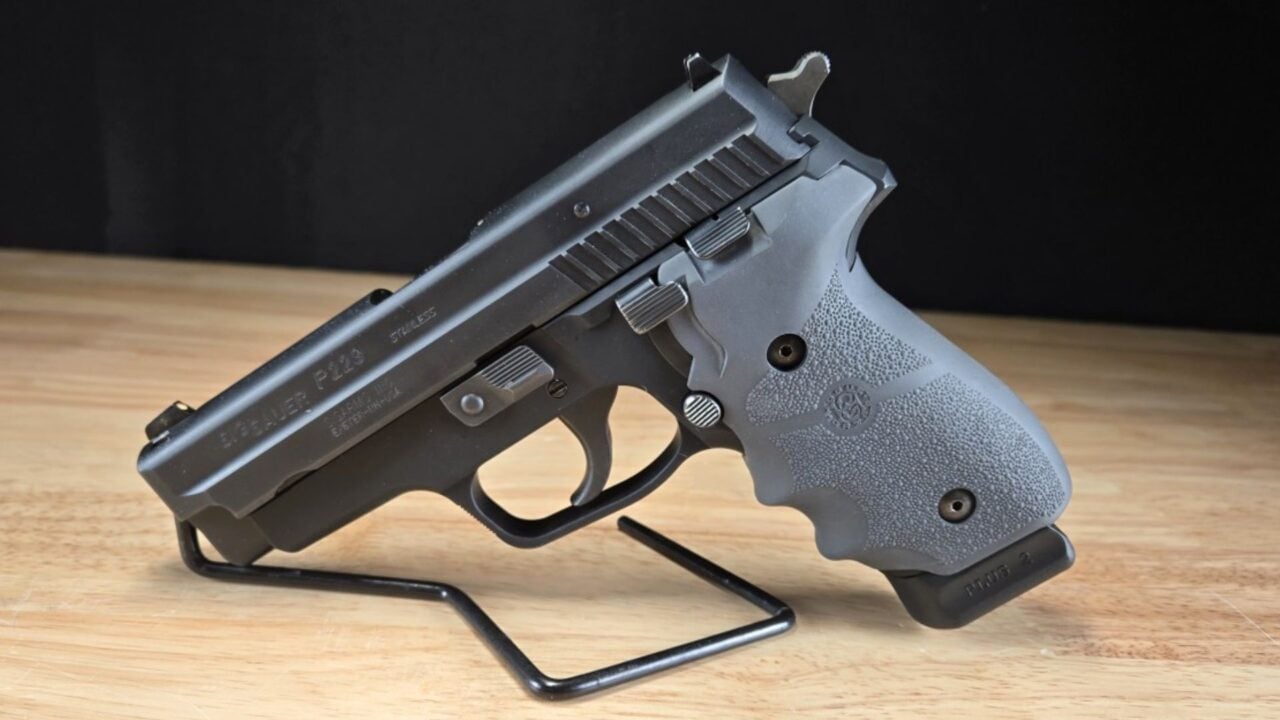
.357 SIG used to be the hot thing in law enforcement circles, then it fell out of favor when 9mm loads improved and budgets mattered. It’s loud, it’s snappy, and it burns through ammo money fast. That’s why it doesn’t get recommended much anymore.
But in terms of performance, .357 SIG still does what it was built to do: drive a fast bullet reliably, often with excellent feeding due to the bottleneck case. In compact pistols, it can be a handful, but it’s also one of those rounds that tends to “just run” in guns that like it. If you can afford to practice, it’s not outdated—it’s just inconvenient.
12. .30 Super Carry
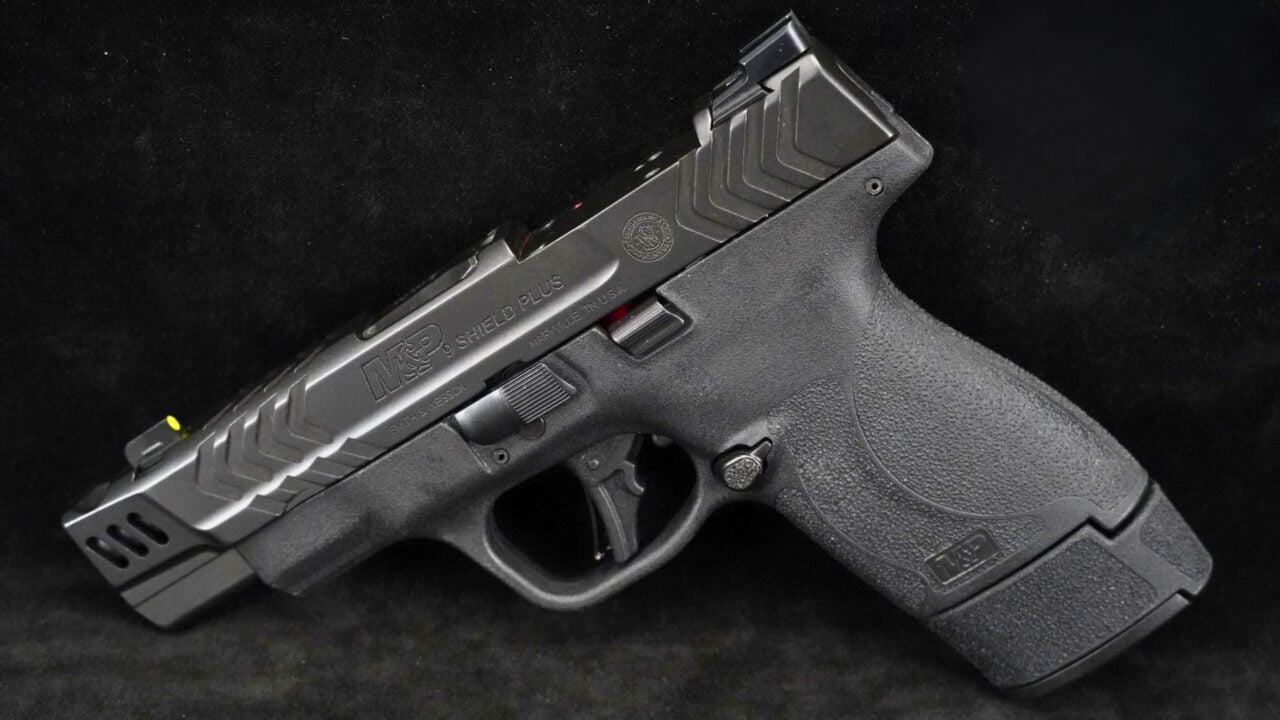
.30 Super Carry came in with a clear pitch—more capacity with respectable performance—and then it basically got ignored. Not because it can’t work, but because the market didn’t feel the need. Most folks are already satisfied with 9mm capacity in today’s guns.
Still, the idea isn’t silly. If you can get one or two extra rounds in the same grip size and you can shoot it well, that’s worth something. The catch is the same one that kills a lot of niche calibers: ammo availability. If you can’t find it locally and you won’t buy in bulk, you’ll stop practicing. And then the “advantage” is gone.
13. 9x18mm Makarov

9×18 Makarov is one of those calibers that lives in surplus-gun history, and that’s exactly why it gets overlooked. It sits between .380 and 9mm Luger, and most of the guns chambered for it aren’t modern carry darlings. Heavy, simple, and not always ergonomic.
But a good Makarov-type pistol is often reliable in a way that makes you trust it, and the straight-blowback design is simple to maintain. If you’re carrying one, you need to be realistic about sights, triggers, and holster options. Still, for someone who already owns one and shoots it well, it’s not automatically a bad choice—it’s just not a fashionable one.
14. .22 WMR (as a “carry something” option, not a flex)
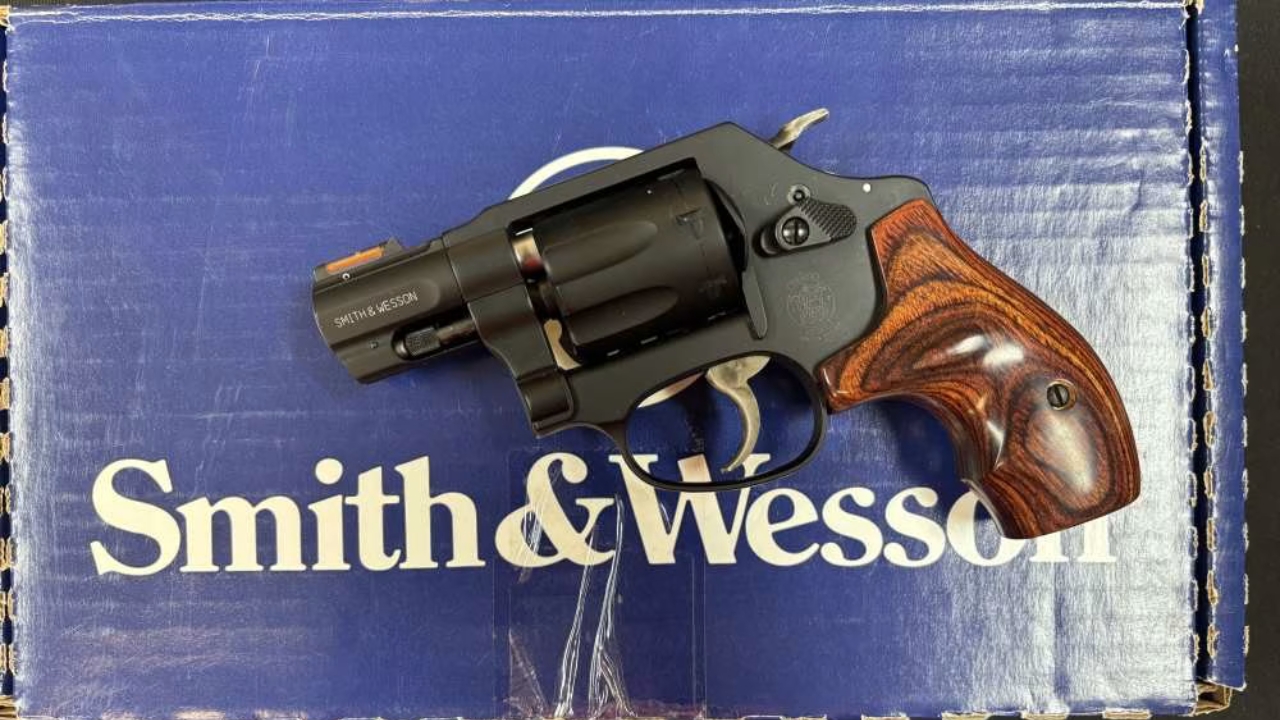
.22 Magnum carry gets side-eyed because it isn’t a big-bore stopper and rimfire ignition isn’t as consistent as centerfire. Fair points. But real life has a way of forcing compromise, and there are people who simply cannot manage recoil, or they won’t carry anything bigger.
In a reliable platform, .22 WMR can offer better penetration than people expect, and it can be shot quickly and accurately by folks who struggle with centerfire recoil. The key is reliability testing and choosing a gun that actually functions with your chosen load. It’s not ideal. It’s also not nothing.
15. .25 ACP
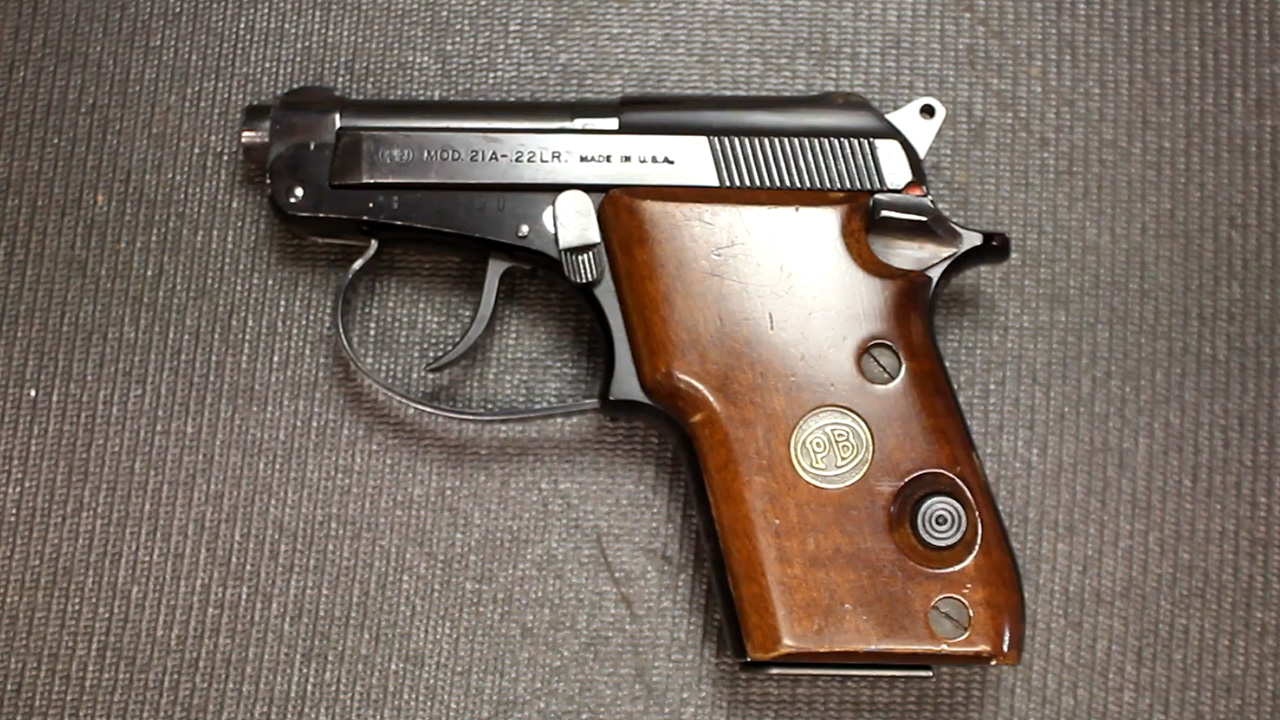
.25 ACP is the definition of “last-ditch,” and I’m not going to pretend it’s a top-tier modern defensive caliber. What it is, though, is a centerfire round that can be surprisingly reliable in tiny pocket pistols compared to some rimfire options. That’s the whole argument.
Where it becomes relevant is deep concealment in hot weather, dress clothes, or situations where anything bigger truly prints or drags. You still need to practice, and you still need to understand limitations. But the little .25s have saved more than a few folks from being completely unarmed.
None of these calibers are magic, and none of them fix bad habits. The best “carry caliber” is the one you can afford to practice with, that runs in a gun you trust, that you will actually carry when you’re tired, rushed, and dressed for the weather. The internet will keep chanting the same two or three answers. Out in the real world, the right choice is usually the one that fits your life instead of somebody else’s comment section.
Like The Avid Outdoorsman’s content? Be sure to follow us.
Here’s more from us: