Photo credit: AI-generated image created using ChatGPT. Illustrative only.
Property-line arguments are nothing new in the country. But they get serious in a hurry when tempers flare, families pile on, and somebody decides intimidation is the way to “win” a patch of grass. That’s the kind of mess one homeowner described when he went looking for a lawyer’s perspective after multiple run-ins with the folks next door.
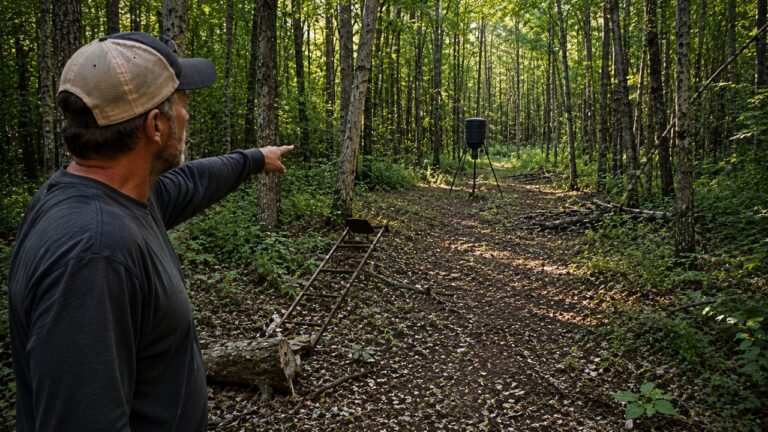
In the original post, he said his neighbor, along with the neighbor’s 16-year-old and 23-year-old sons, confronted him over cutting grass in an area the neighbor claimed was his. The homeowner’s position was simple: there wasn’t a fence, there was a treeline, and the grass in question wasn’t actually the neighbor’s property.
How a little grass turned into a running feud
Most of us who’ve lived rural know how these things start. One side mows or hunts or drives where they always have, and the other side decides it’s an encroachment. In this case, the homeowner said the neighbor “considers” the grass his, but that it isn’t—an important distinction when you’re talking about property rights instead of feelings.
The situation didn’t stay between two adults, either. The homeowner described being confronted by the neighbor and both sons. After that, he said the 23-year-old son continued to harass him, and the neighbor took the fight public by posting about him on Facebook. That kind of public trash-talk tends to harden positions, and it can create a paper trail that cuts both ways.
When police show up three times, it’s not a “disagreement” anymore
The homeowner said police had been called out three times to deal with the situation. That’s a big tell. Most neighbor disputes never get that far unless somebody is pushing it, somebody is scared, or both.
He also claimed the neighbor lied to officers each time. Whether that’s exaggeration or not, it points to a reality a lot of landowners learn the hard way: if you’re the calm, quiet one who just wants it to stop, you can still get outmaneuvered if you don’t document what’s happening and you don’t tell your side clearly when law enforcement is standing there.
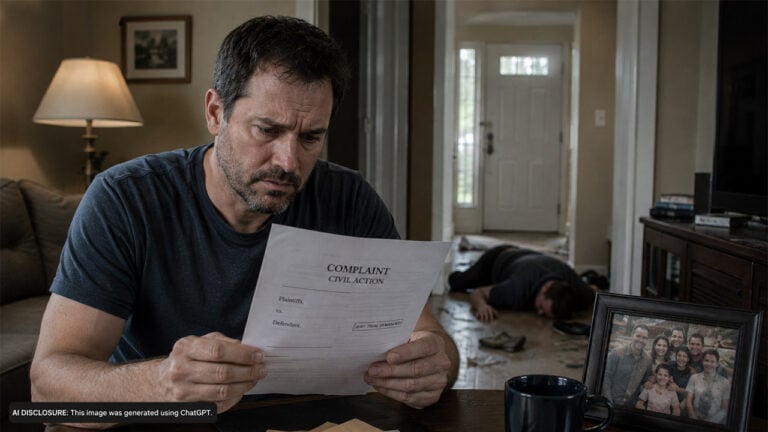
The headline angle here mentions a gun being drawn during the dispute and the other party racing to file a complaint first. The homeowner didn’t lay out that full sequence in the material provided, but the broader point still stands: once a weapon enters a property-line argument—whether it’s displayed, pointed, or just used as a threat—the whole situation moves from “civil disagreement” to “personal safety problem.”
The easement detail matters more than most people realize
In an edit, the homeowner added a key detail: the property line in question is on the far side of a drainage and electrical easement. He said it is his property and that he has to maintain access.
That’s not just trivia. Easements and utility corridors are where neighbors get sideways all the time, because they don’t always look like “normal” yards. Folks see a strip of grass or a swale and assume it belongs to whoever’s closest. But if there’s an easement involved, there can be legal rights and maintenance obligations that don’t match what it looks like from the porch.
Even if you’re 100% right about where the line is, an easement can complicate the conversation, because some areas are your property but are also subject to specific use rights by a utility, a municipality, or other parties. That’s why these disputes often end up hinging on boring stuff—plats, surveys, recorded easement documents—not on who’s loudest.
A camera pointed at the pool changes the tone
The homeowner also said the neighbor put up a camera pointed “right at my pool” and that it doesn’t even look at the neighbor’s property—only his. For anybody with a family, that’s not just annoying. That feels invasive, and it’s the kind of move that escalates emotions fast.
Outdoor folks use cameras all the time—trail cams on property corners, driveway cams on gates, barn cams on equipment. But there’s a difference between monitoring your own place and aiming a lens straight into someone else’s private backyard space. Depending on local laws and the exact camera placement, it can raise real questions about harassment, privacy expectations, and whether the camera is being used to intimidate.
Even if it turns out the camera is technically “legal,” it can still be useful evidence of the neighbor’s mindset if the homeowner ever needs to show a pattern of behavior—especially combined with repeat calls for service and alleged harassment by the adult son.
Why “just talk it out” doesn’t always work
The homeowner said he wants the situation dropped and resolved, but the neighbor has shown zero interest in talking. That’s another familiar moment for landowners: you can be willing to settle it like adults, but you can’t negotiate with someone who only wants to win.
He also said he’d considered a restraining order but feared it would make things worse. That fear is real. Sometimes legal action cools things off; sometimes it pokes the hornet’s nest. The problem is, doing nothing can also make things worse—because if the other side keeps calling the cops, posting online, and stepping up harassment, the “new normal” becomes you constantly reacting.
He put it plainly: there are so many details that without an hour with an attorney, he can’t really know his rights and options. That’s about as honest as it gets. Neighbor disputes aren’t one-size-fits-all, and the small details—exact line location, the easement language, what was said during confrontations, what’s on video, what’s been reported—are what decide whether you’re dealing with a civil boundary issue, criminal harassment, or both.
The practical playbook most rural folks end up following
The homeowner said moving, fencing, and a survey are out of the question financially right now. A lot of people are in that boat. But even when money is tight, there are still a few practical steps that tend to matter in these cases.
First is documenting everything like you’re building a case, because you might be. Dates, times, who said what, when police came, what reports were made, what was posted online—keep it clean and factual. Second is avoiding the “driveway debate.” Don’t get pulled into yelling matches at the treeline, especially if the other side is bringing family members into it.
Third is getting your hands on whatever property documents you can without spending big money: your closing paperwork, county GIS maps (not perfect, but a start), recorded plats, and any recorded easement documents. The homeowner mentioned an easement and maintenance access; having that in writing is the kind of thing that can stop an argument from turning into a he-said/he-said.
And finally, if law enforcement has already been out three times, it’s worth asking how to provide a statement and make sure your side is recorded—calmly and clearly. The person who calls first shouldn’t automatically control the narrative, but in the real world, early reports can shape how later reports are viewed.
At the end of the day, this kind of dispute isn’t really about grass. It’s about boundaries, pride, and whether someone is willing to use pressure—social media, repeated complaints, or worse—to take ground that isn’t theirs. When the temperature gets that high, the smartest move is usually the least satisfying one: get organized, stay steady, and start treating it like a safety and documentation problem until it finally runs out of room to escalate.
Like The Avid Outdoorsman’s content? Be sure to follow us.
Here’s more from us: