Photo credit: AI-generated image created using ChatGPT. Illustrative only
A Nevada family thought they were dealing with one nightmare—an ambush outside the home that ended in a gunfight and two men in the hospital. Then a second worry showed up fast: a phone call from police to the hospital asking for a medical file number and, according to the family, a comment that the officer wanted to “see what the blood tests said.” The account was shared in the original post, and it reads like something a lot of gun owners dread after a defensive shooting: surviving the attack, then getting tangled up in questions about evidence, property, and privacy.
The poster says their brother-in-law was shot multiple times, returned fire, and hit the attacker. Both ended up hospitalized. While the full story was still getting sorted out between everyone involved, the family’s immediate concerns were practical—whether law enforcement was trying to dig for dirt through medical records, and how to get back cash taken from his wallet.
The ambush happened at home, right after a ride was over
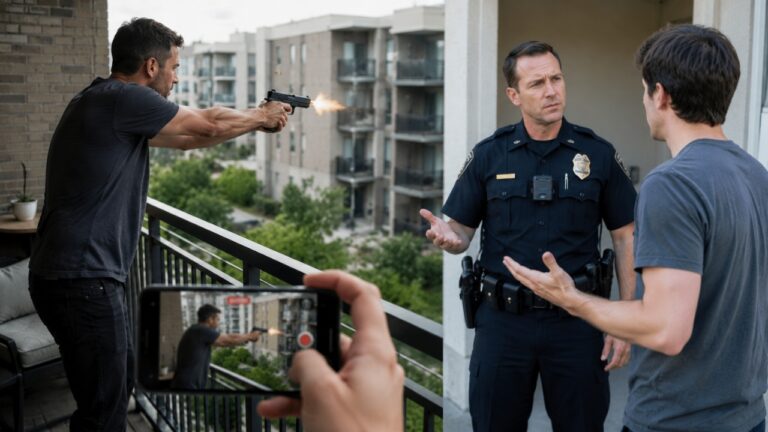
According to the family’s description, the brother-in-law had just been dropped off at his home by a female coworker when the attack happened. The initial version of events was that the coworker’s ex-boyfriend had followed them and ambushed him as he stepped out of the vehicle.
The brother-in-law was shot “several times,” but the post says he returned fire in self-defense and hit the attacker. That detail matters to outdoorsmen and concealed carriers because it’s the real-life version of what people talk about at the range: you may be forced to fight hurt, scared, and behind the curve. It also means a shooting investigation is inevitable, even if the defensive use ends up being justified.
When both men are in the trauma ward, the investigation starts immediately
Any time there’s exchanged gunfire, police are going to treat it as a serious crime scene until they can sort out who did what. The family acknowledged that. They also noted the brother-in-law “doesn’t have the best criminal history,” but had worked to expunge records, and they believed the gun used in the defense was legally his.
That’s a familiar fear for a lot of folks who carry: even if you did everything right in the moment, your past—or something unrelated—can get dragged into it. After a shooting, the system doesn’t move on your schedule, and it often doesn’t feel friendly.
The hospital call is what set off alarm bells
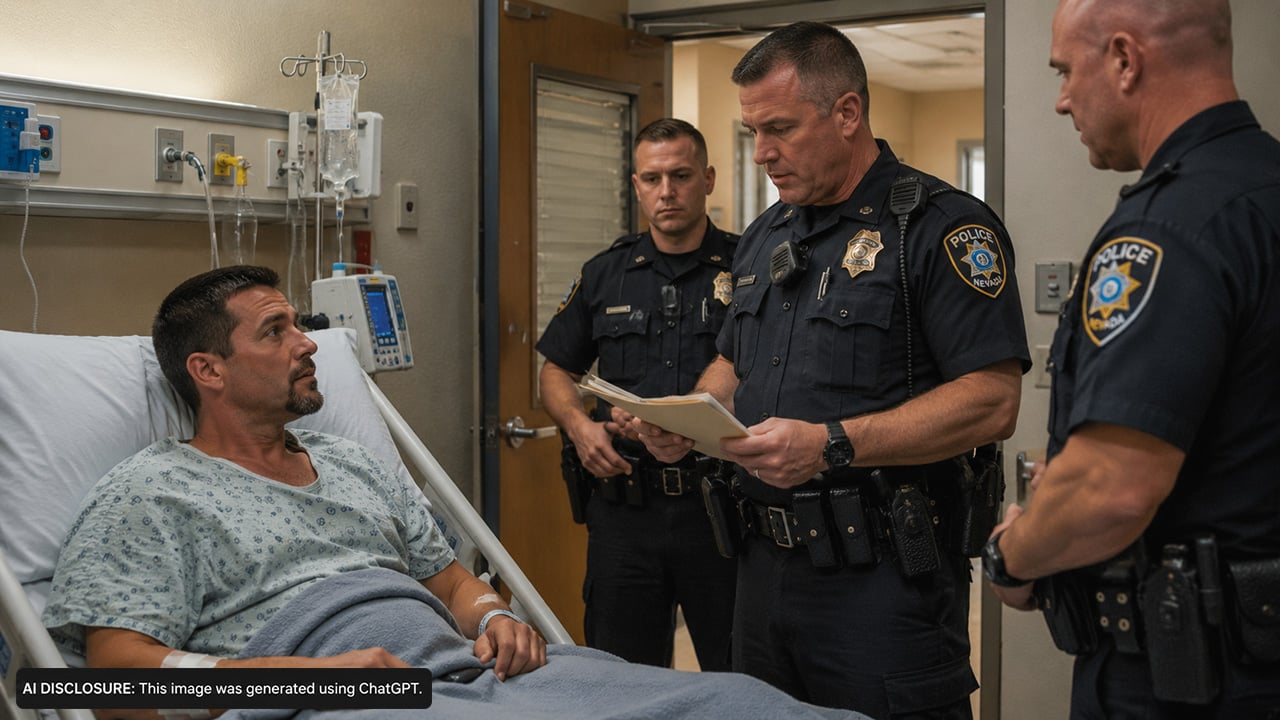
The part that made the family’s necks stand up was a reported call from an officer to the hospital requesting the brother-in-law’s medical file number. Nurses didn’t provide information because he had been admitted to the trauma ward without his name being registered.
Then, according to the post, the officer called the mother-in-law asking for the file number and told her it was so he could see what the blood tests said. From a common-sense standpoint, you can see why the family didn’t like that. A blood test can turn into a character attack in the public mind, even when it doesn’t change who started the violence.
The nurses apparently advised the mother-in-law to give police a newly assigned social worker’s phone number instead, and let that person handle whether access to information was appropriate. That’s one of those practical, real-world moves that makes sense: keep conversations inside formal channels, and don’t hand out identifiers over the phone because an officer asks for them.
Why gun owners worry about medical records after a defensive shooting
The family’s suspicion was that police were trying to learn whether the brother-in-law had drugs in his system, and they felt that shouldn’t happen without a warrant. Whether law enforcement can get certain medical information can depend on details like patient consent, subpoenas, warrants, and what exceptions might apply. But from a boots-on-the-ground perspective, the smart move is the same: don’t casually help the government build a case against you or your loved one.
Outdoor folks tend to be practical. If a game warden or deputy asks to “just take a quick look,” you’re allowed to slow things down and ask what authority they’re using. The same mindset applies here. Hospitals have privacy rules, and staff are trained to be careful for a reason.
The other piece is perception. Even if a test is clean, the fact that an officer is trying to access it can feel like they’re already building a narrative. And if it’s not clean, it can become leverage—fair or not—when decisions get made about charges, bond, or credibility.
The cash in the wallet raised a second red flag
On top of the medical-record concern, the post says police took the brother-in-law’s wallet with $1,500 in it. The family said he had just cashed his paycheck, and they were worried about losing property or having it treated like it was tied to wrongdoing.
Anybody who’s ever had a firearm held “for evidence” for months understands the frustration. Money is worse, because it’s easy to lose track of and hard to prove if proper documentation isn’t provided. The family specifically asked if they could demand an itemization of what was seized as evidence and what could be done to make sure he got his things back.
In the outdoors world, we preach documentation—serial numbers for rifles, photos of gear, receipts for big-ticket items. After an incident like this, that same habit matters. If property gets taken, having a clear list of what was on the person and what the agency acknowledged taking can be the difference between getting it returned and getting the runaround.
The most practical advice: get counsel and stop informal back-and-forth
The poster added an update that they were going to meet a lawyer within a few hours for advice and help. That’s the move. When someone has been in a shooting—especially one with injuries and an unclear backstory—casual family phone calls with investigators and hospitals can create problems without anyone intending it.
For gun owners, the bigger lesson is to think through the aftermath before you ever need it. If you carry, consider what happens when you’re the one on the gurney: who has your phone, who can speak for you, and who knows to keep medical staff from releasing information without proper process. A simple plan beats panic.
This Nevada family’s situation is a hard reminder that surviving the initial threat is only the first part. The next part is protecting your rights, your privacy, and your property while the system tries to make sense of a violent, messy event. In moments like that, patience, documentation, and a good attorney are just as real as any piece of gear you keep for defense.
Like The Avid Outdoorsman’s content? Subscribe to our newsletter so you never miss an article.
Here’s more from us: