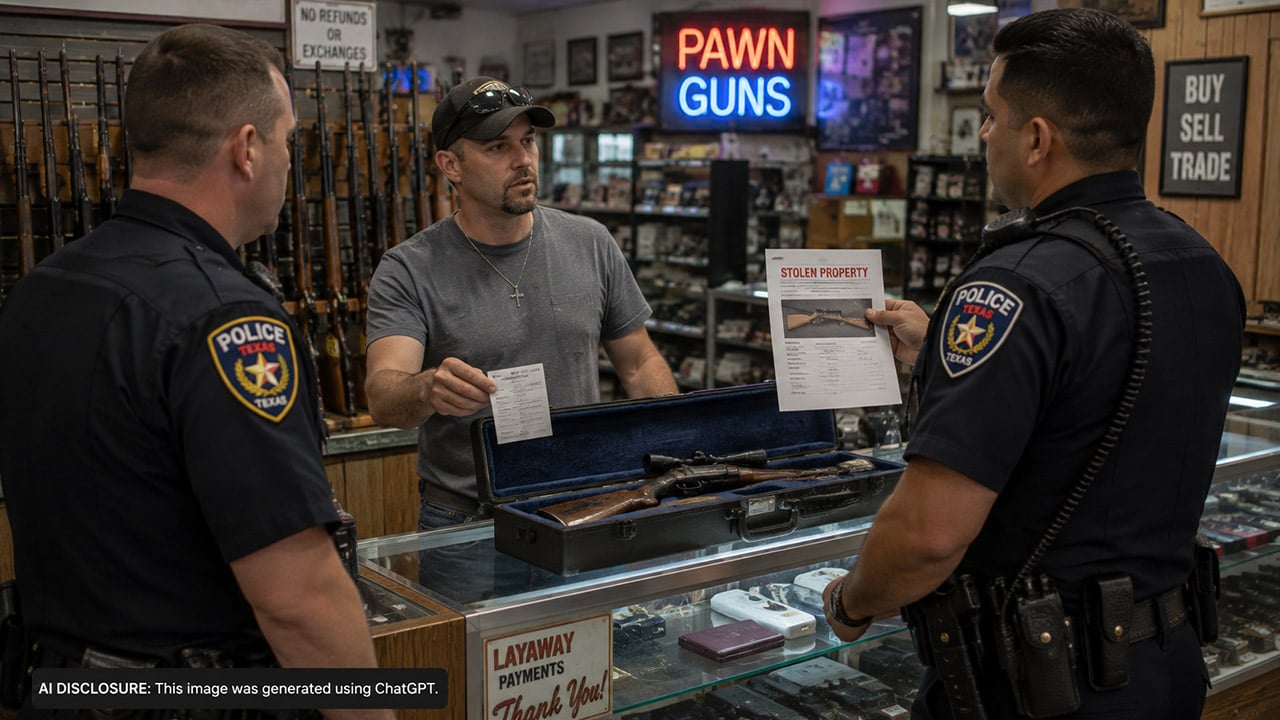
Photo credit: AI-generated image created using ChatGPT. Illustrative only
Most folks figure if a gun comes from a licensed shop, you pass the background check, and you pay every penny you owe, you’re in the clear. That’s why one Texas buyer was blindsided after finishing a pawn shop layaway and taking the firearm home—only to get a call from law enforcement a week later saying the gun had been reported stolen.
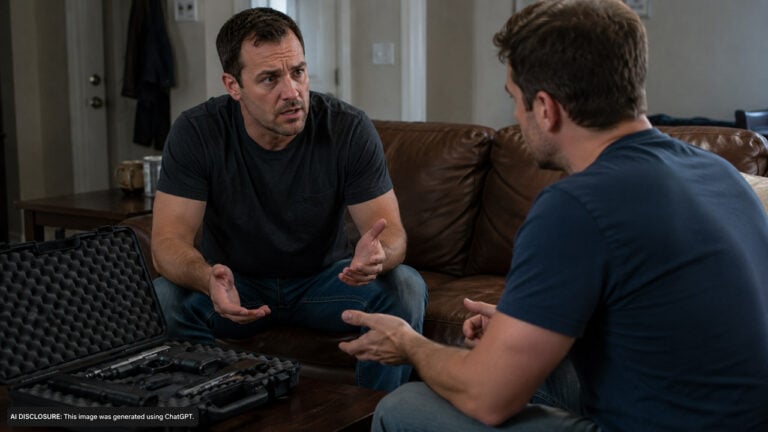
The buyer laid out the situation in the original post: the pawn shop had acquired the firearm months earlier, the buyer put it on a six-month layaway, paid it off early, cleared the background check, and left with the gun. Then police showed up at the pawn shop, reviewed records, traced the firearm to the buyer, and contacted him. On top of losing the gun, the buyer said the pawn shop was refusing to refund his money.
How a layaway gun can turn into a stolen-property problem
Layaway feels old-school because it is. You put money down, the shop holds the item, and you pay it off over time. In this case, the buyer said the pawn shop bought the firearm last October, then he started a six-month layaway and finished paying it off after five months.
The catch is that a layaway doesn’t change the gun’s history. If the firearm was stolen at some point before the pawn shop obtained it—and that theft report gets connected to the serial number later—the gun can get flagged long after it’s been sitting in a display case with a price tag on it.
Passing a background check doesn’t “clear” the gun
A lot of gun owners assume the NICS background check is a kind of all-purpose green light. It’s not. It’s a check on the buyer, not a guarantee the gun itself has a clean paper trail.
When the buyer said he “went through background check” and was cleared, that only meant he wasn’t prohibited from possessing firearms under the criteria being checked. It doesn’t mean the firearm can’t later come back as stolen property, especially if the theft report wasn’t connected, entered, or caught during the shop’s earlier intake process.
The phone call that changes everything
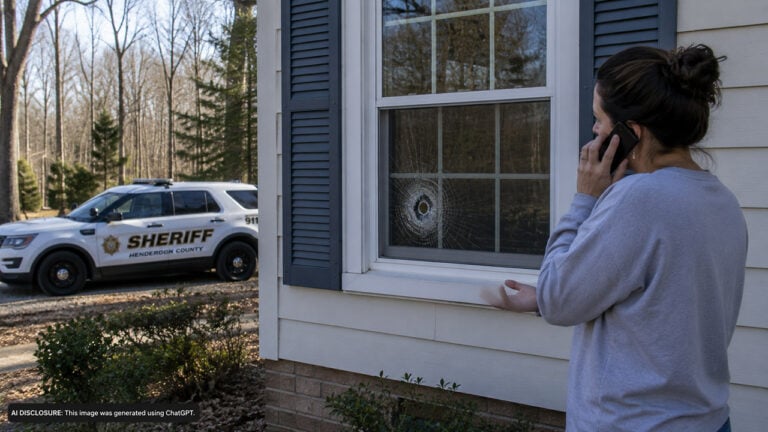
The buyer said that about a week after he had the gun in his possession, law enforcement contacted him and explained they had gone to the pawn shop, reviewed the records, and traced the firearm to him. That kind of timeline is what makes this so aggravating: you don’t have time to enjoy the purchase, get it to the range, or set it up for hunting season before it’s suddenly evidence.
When a firearm is identified as stolen, police generally treat it like stolen property first and a “who had it last” question second. Even if a buyer did everything above-board, the gun can still be seized and returned to the rightful owner if that’s how the case shakes out.
Why the pawn shop may be digging in on refunds
The buyer’s main question was simple: if the gun is stolen property, can the pawn shop legally refuse to refund the money in Texas? He said the shop wouldn’t give his money back after law enforcement traced the firearm through the shop’s records.
From a practical, boots-on-the-ground standpoint, pawn shops operate on tight margins and strict rules, and they don’t like eating a loss. If the shop paid money to acquire the gun, then sold it on layaway, a stolen-property determination can leave everyone mad: the original owner wants the gun back, the shop is out what they paid, and the buyer is out what he paid.
That doesn’t make the buyer “wrong” for expecting a refund. It just explains why these situations turn into a tug-of-war quickly, especially when the buyer’s money is already in the shop’s till and the shop may be looking at its own options to recover funds from whoever pawned or sold the gun to them.
What gun owners can take from this before they buy
This story is a good reminder that paperwork and common sense matter as much with a pawn shop purchase as they do with a private sale. Keep your receipts, layaway paperwork, and any record that ties the serial-numbered firearm to the legal transaction. If things go sideways, those documents are what separate “buyer with a bill of sale” from “guy who can’t explain where it came from.”
It’s also a reminder not to treat a pawn shop counter like a guarantee. Plenty of pawn shops do their due diligence, but mistakes and delays happen. If you’re shopping used guns—especially for a “truck gun” or a budget hunting rifle—pay attention to the shop’s reputation, how they document inventory, and whether they provide clear sales paperwork that identifies the firearm.
And if law enforcement calls you about a gun you bought, don’t try to outsmart the situation. Secure the firearm safely, keep your hands clean, and lean on documentation. This is one of those moments where “I did everything right” may still involve a headache, but acting calm and organized matters.
For the Texas buyer in this case, the frustrating part is easy to understand: he paid early, passed the check, did it through a shop, and still ended up with a stolen-property call and a shop that wouldn’t refund him. If you buy used firearms long enough—especially from pawn shops and estate-type sources—this is the rare, hard lesson that can pop up, and it’s worth remembering before you ever put money down on a serial-numbered gun.
Like The Avid Outdoorsman’s content? Subscribe to our newsletter so you never miss an article.
Here’s more from us: