Photo credit: KnivesShipFree
Walk up to enough gun counters and you start noticing a pattern. The rifles and pistols get all the attention, and the fixed-blade knives sit there like they’re just another impulse buy. Then you actually use one hard for a season—breaking down a deer on a frosty tailgate, splitting kindling at camp, cutting feed sacks open at the barn—and you realize you’ve been walking past real work tools priced like toys.
I’m not talking about the boutique stuff with a waitlist and a sheath that costs as much as a used shotgun. I mean the knives you can realistically find in stock, right now, in the same place you buy ammo and tags. These are the fixed-blades that punch above their price. Some are “boring.” Some are ugly. A couple are heavy. But they keep showing up because they work.
1. Morakniv Companion (carbon or stainless)
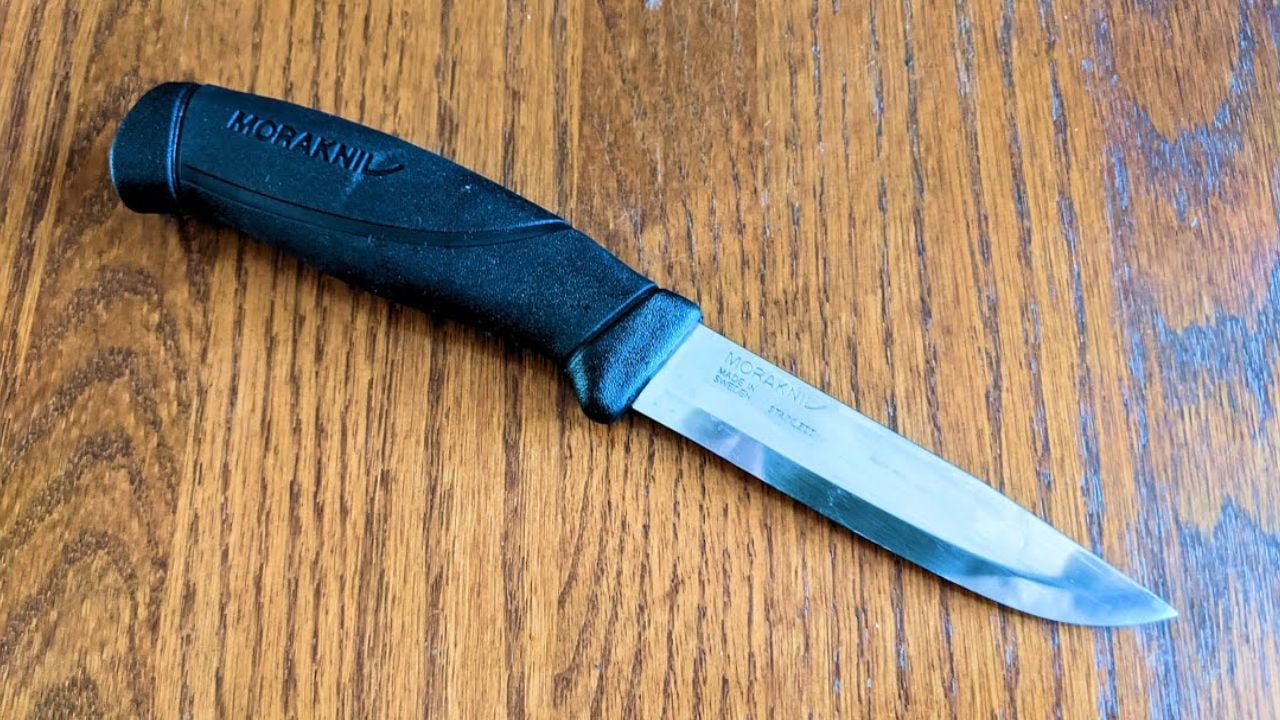
This is the knife I hand to someone who “doesn’t want to mess up a good knife.” It’s light, simple, and it cuts like it’s trying to embarrass more expensive blades. The handle looks like a power tool grip for a reason: it stays put when your hands are wet and cold.
The sheath is basic, and no, it’s not a pry bar. But for camp chores, food, zip ties, and general woods use, it does more than it has any right to at the price. If you’ve never owned a Mora, the first time you touch up that Scandi grind and it’s shaving sharp again, you’ll get it.
2. Morakniv Garberg

The Garberg is what happens when Mora decides to make a “serious” full-tang fixed-blade without getting weird about it. It’s still a cutter first. It just has more confidence when you’re batoning wrist-thick wood or twisting through a stubborn joint.
It’s not the cheapest Mora, but compared to a lot of “survival” knives hanging around a gun counter, it’s the grown-up in the room. If you want one knife for hunting camp that can do most tasks and shrug off abuse, this one is hard to outsmart.
3. Buck 119 Special

If you grew up around hunters, you’ve seen a 119 in a leather sheath on somebody’s belt. There’s a reason it never fully goes away. It’s long enough to do real work on big game, and the clip point gives you control when you’re working around hide and connective tissue.
It’s not a scalpel, and the factory edge varies sometimes, but it sharpens easy. The handle fits a wide range of hands. You can beat on it for years, wipe it down, and it just keeps being a 119.
4. Buck 102 Woodsman
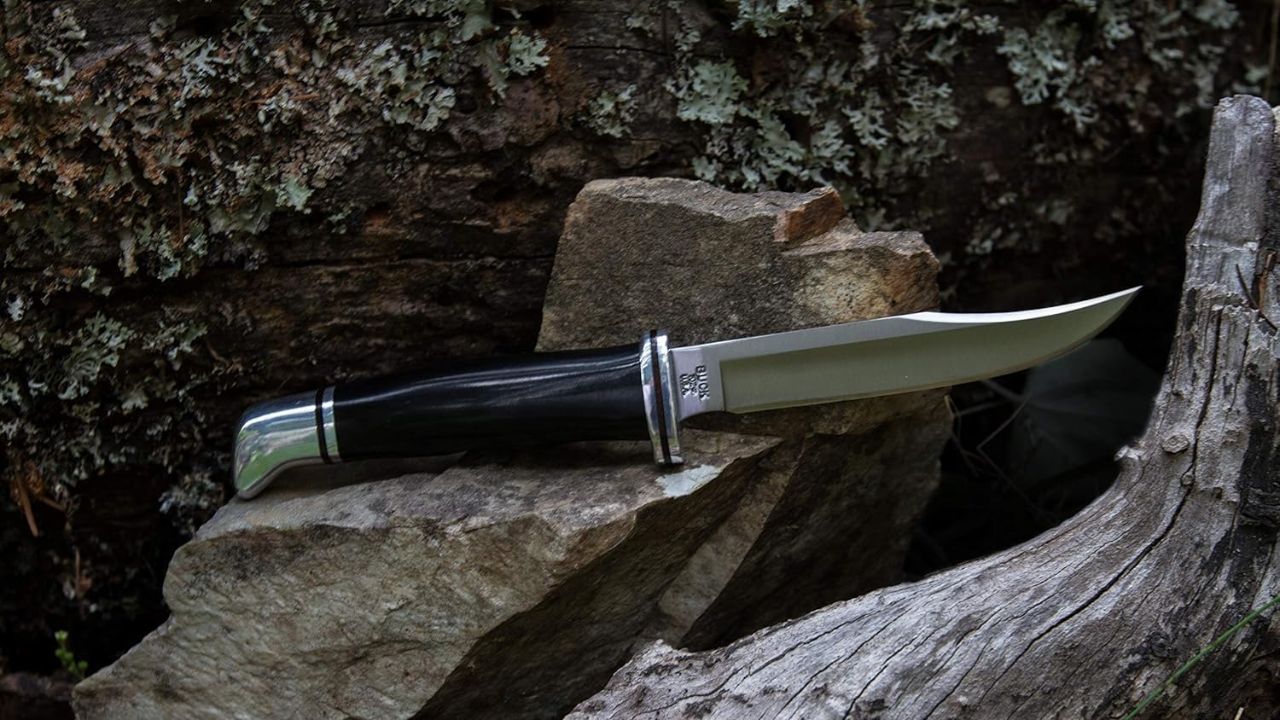
The 102 is the 119’s handier cousin. If you’re whitetail hunting, this size makes a lot of sense because it’s less knife to manage when you’re elbow-deep and trying not to poke a stomach. It points naturally and rides well.
The value here is how “right” it feels for actual game work. It’s also the kind of knife you can pass down without it feeling like a museum piece. It’s a user, and it stays a user.
5. Buck 104 Compadre Camp Knife
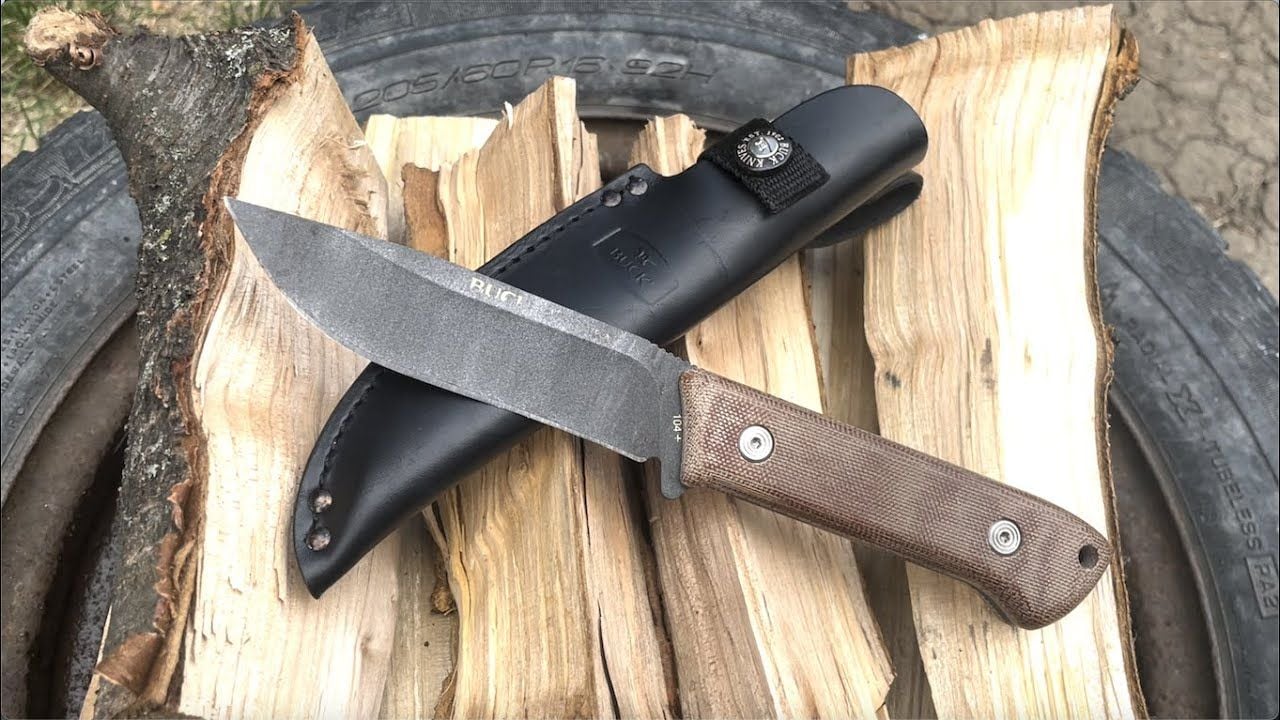
This one flies under the radar because it doesn’t look tactical and it isn’t a classic like the 119. But for a camp knife you can actually cook with, carve with, and still smack through light wood, it hits a sweet spot. The blade shape is practical, not dramatic.
The Compadre line tends to deliver a lot of “knife” for the money. The 104 is a good pick for the guy who wants one fixed-blade for camp and chores, and doesn’t want a machete on his belt.
6. Ka-Bar USMC (1217)

This is one of those knives everyone has an opinion on. Too big. Too iconic. Too whatever. Then you use it for normal outdoors stuff and realize it’s a tough, straightforward tool that can take real field abuse without acting precious.
It’s not my first choice for delicate caping work, and it’s not stainless. But if you want a do-it-all beater for camp, truck, and general rural life, the Ka-Bar earns its keep. Also, the sheath options are everywhere, which matters more than folks admit.
7. Ontario Knife Company RAT-3

The RAT-3 is a compact fixed-blade that feels like it was designed by someone who actually camps. The blade length is enough for most daily tasks, but short enough that it’s not constantly in the way. It’s one of those knives that ends up on your belt when you didn’t plan on carrying a knife.
It’s a work knife, not a showpiece. The value is that it does the boring stuff—cutting, trimming, scraping—without drama, and it’s easy to maintain. That’s what makes it “worth more” than it costs.
8. Ontario Knife Company RAT-5
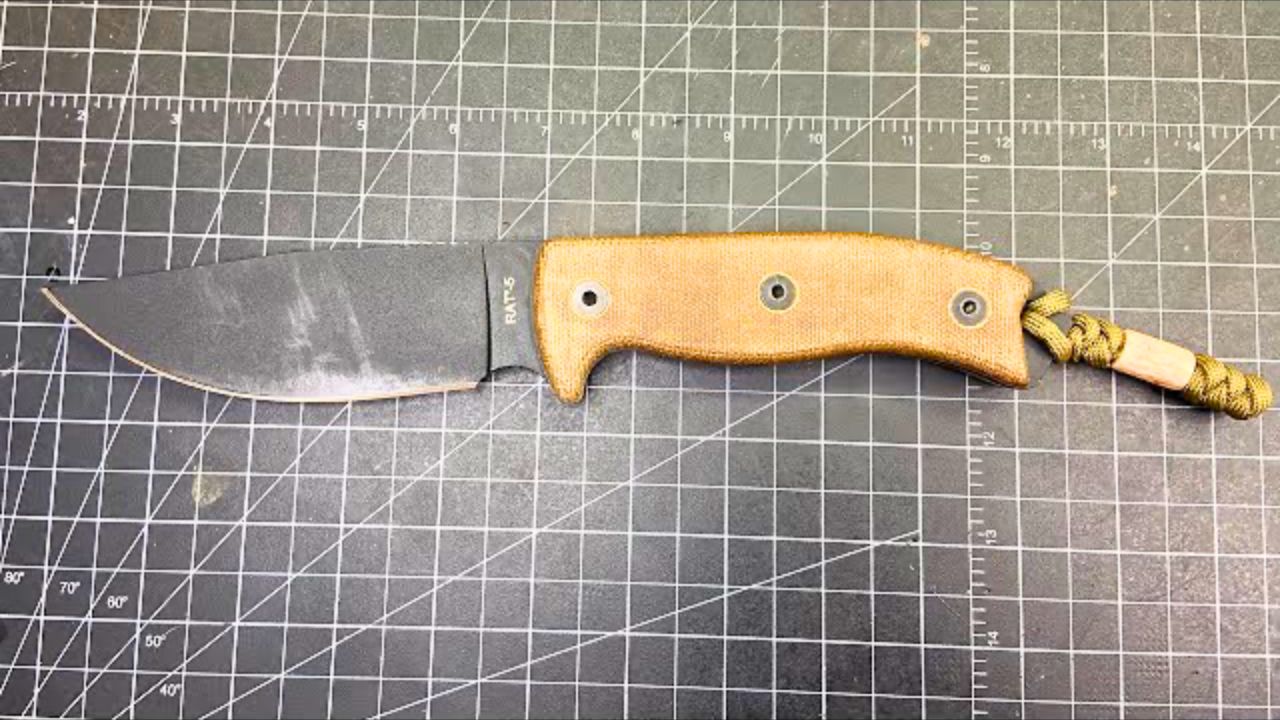
Step up to the RAT-5 and you get a knife that starts leaning into wood processing and heavier camp tasks. It’s long enough to baton and chop small stuff without feeling like you’re babying it. The handle is comfortable for extended use, which is a big deal when you’re doing repetitive chores.
It’s not a light backpacker blade. It’s for the guy who drives to camp, sets up, and actually uses his knife. If you’ve ever carried a knife that “looked tough” but gave you hot spots in your hand after ten minutes, you’ll appreciate the RAT-5.
9. ESEE-4
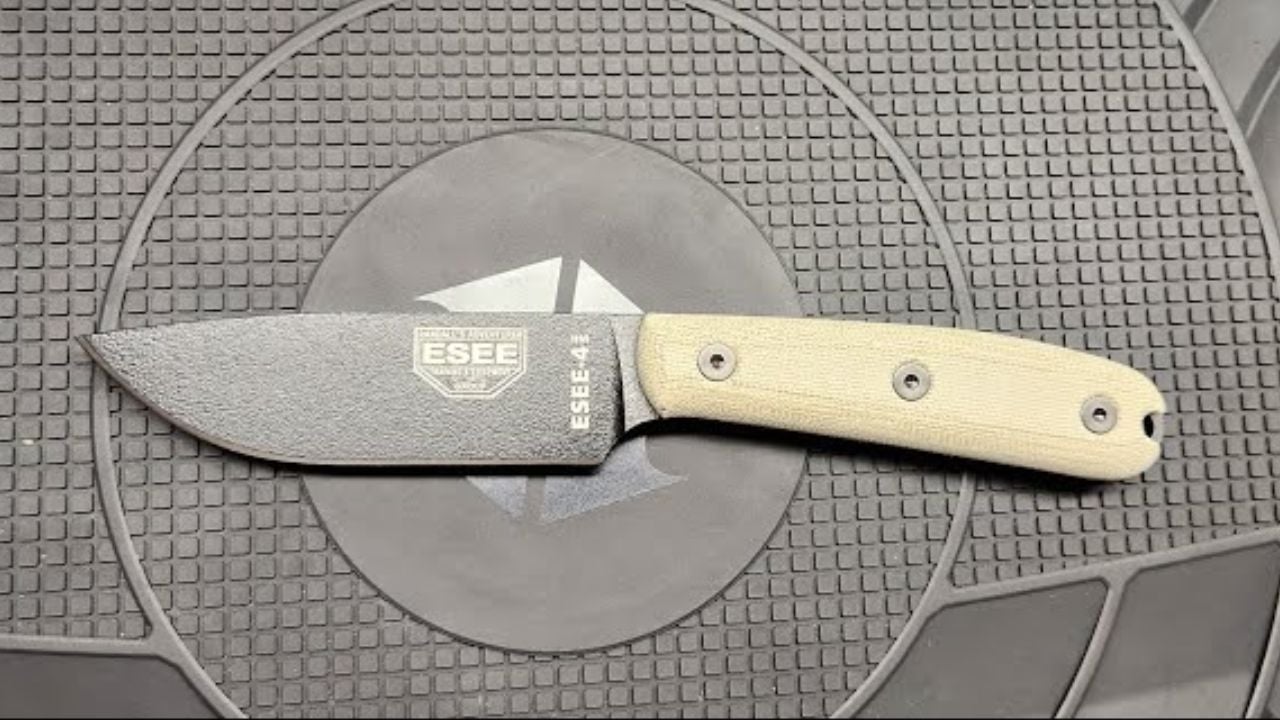
The ESEE-4 is priced higher than a lot of counter knives, but the value is still there because it’s built to be used hard and backed by a reputation that’s been earned the old-fashioned way. The blade stock and heat treat feel right. It’s not delicate, but it still slices well for its thickness.
This is a knife that makes sense for hunting camp, property work, and general “I need one dependable fixed-blade” duty. It isn’t fancy. It’s confident, and that’s why it sticks around.
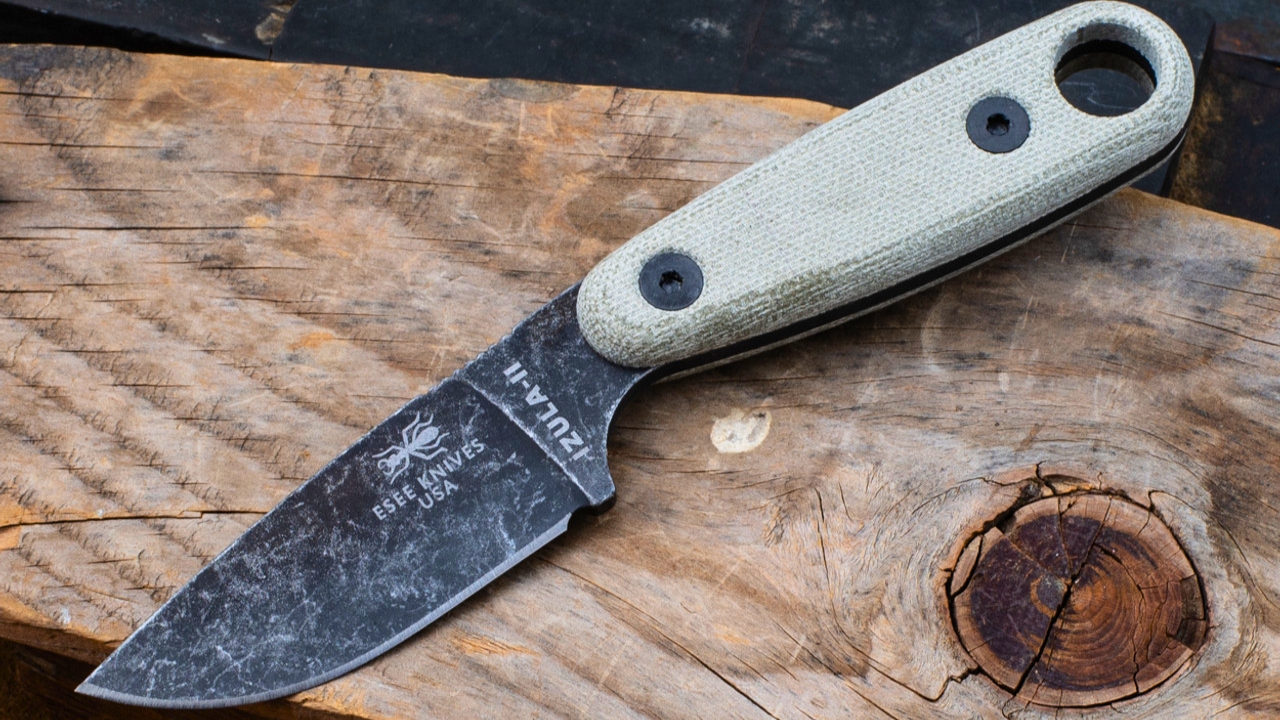
10. ESEE Izula II
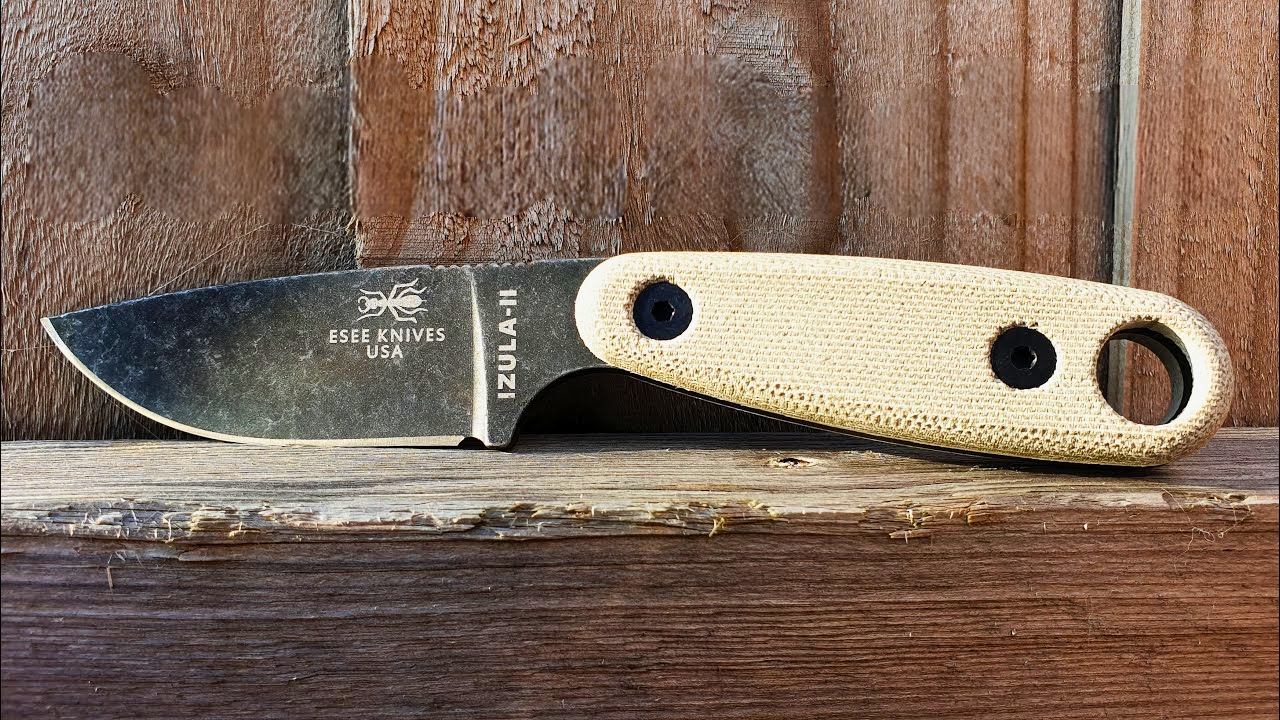
Small fixed-blades are easy to get wrong. Too tiny to grip, too thick to cut, too gimmicky to carry. The Izula II avoids most of that. It’s a compact blade you can actually get a full grip on, and it disappears on a belt or pack strap.
As a backup hunting knife, it’s hard to beat. It’s also the kind of knife you end up using for everything because it’s always there. There’s nothing fancy about it, and that is kind of the point.
11. Gerber StrongArm
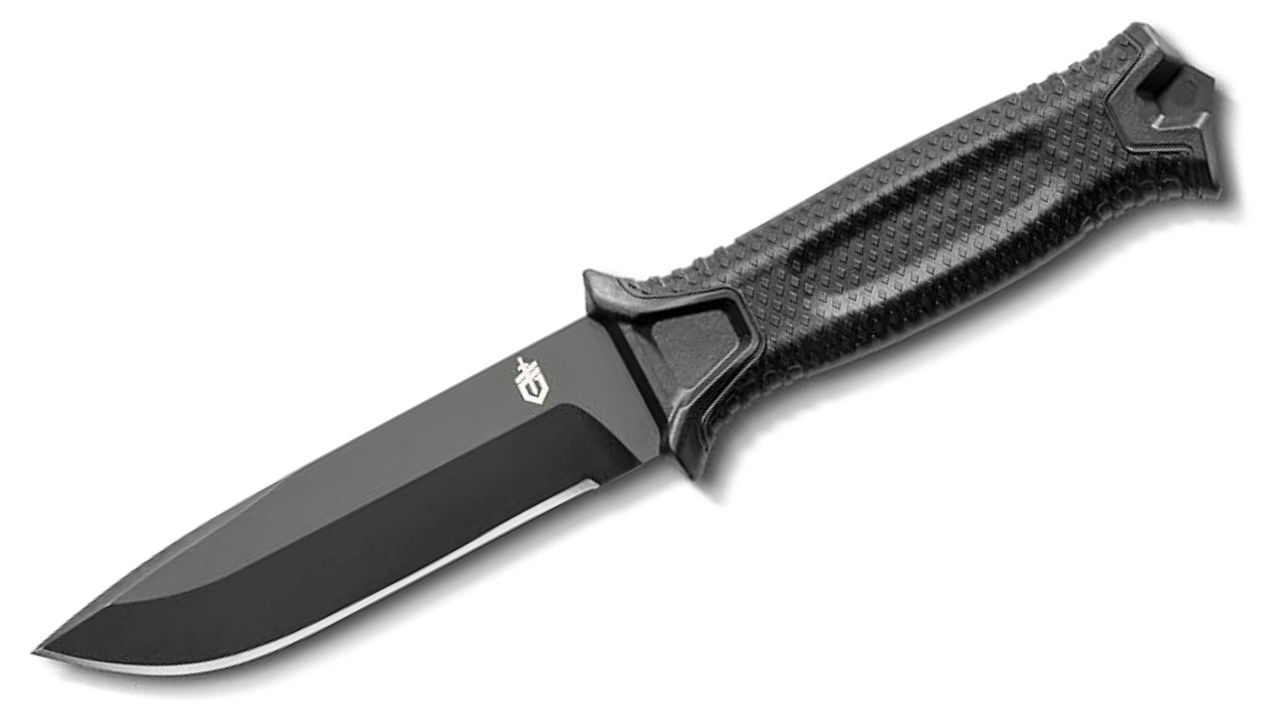
The StrongArm is one of the best “grab it and go” fixed-blades you’ll find on a typical counter. The real win is the carry system. Between belt, MOLLE, and different angles, you can set it up so it doesn’t jab you in the truck seat all day.
Steel snobs will argue about it, and I get it. But in the real world, this knife takes abuse, holds up fine, and is comfortable in the hand. For a lot of folks, that matters more than a spec sheet.
12. Cold Steel SRK (SK-5 or CPM-3V)
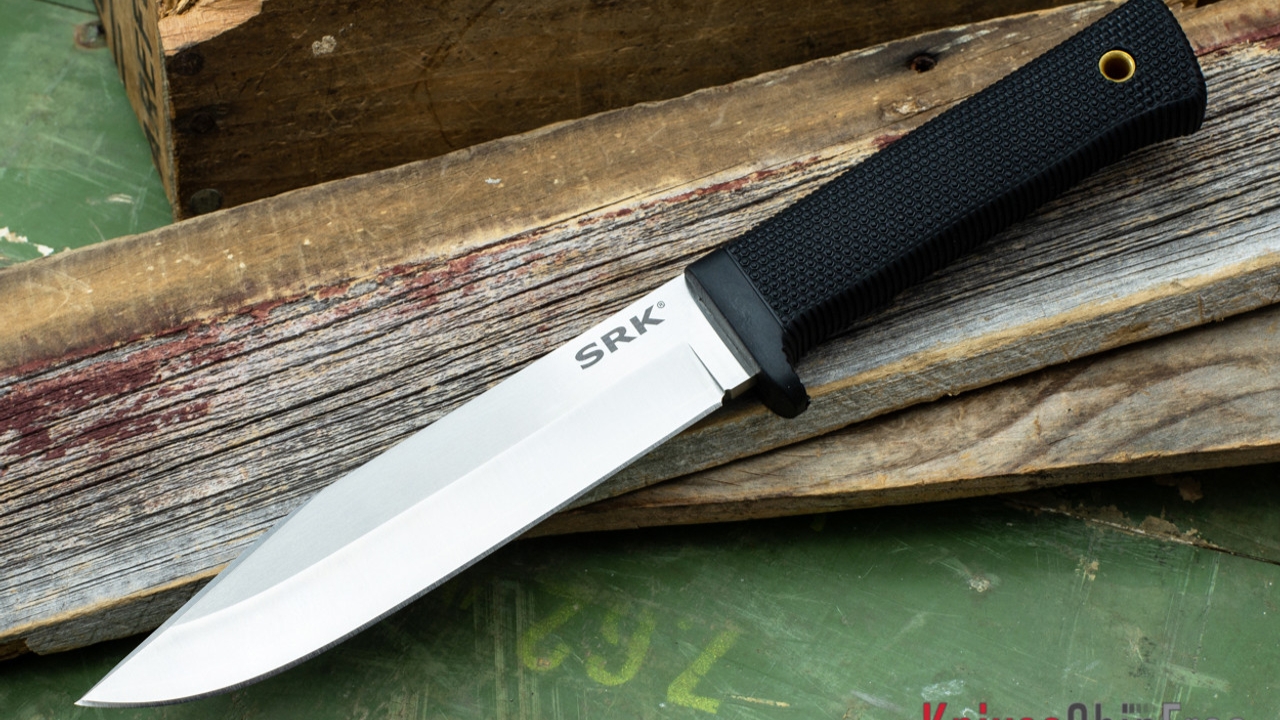
The SRK has been a “working man’s fixed-blade” for a long time. The shape is simple and effective. The handle fills the hand without forcing weird finger grooves, and it’s a knife you can actually swing and control.
The SK-5 version is usually the value play, and it does the job if you keep it oiled. The 3V version costs more but feels like an upgrade you’ll notice when you’re doing harder tasks. Either way, this is a lot of knife for the money.
13. Cold Steel Recon Tanto
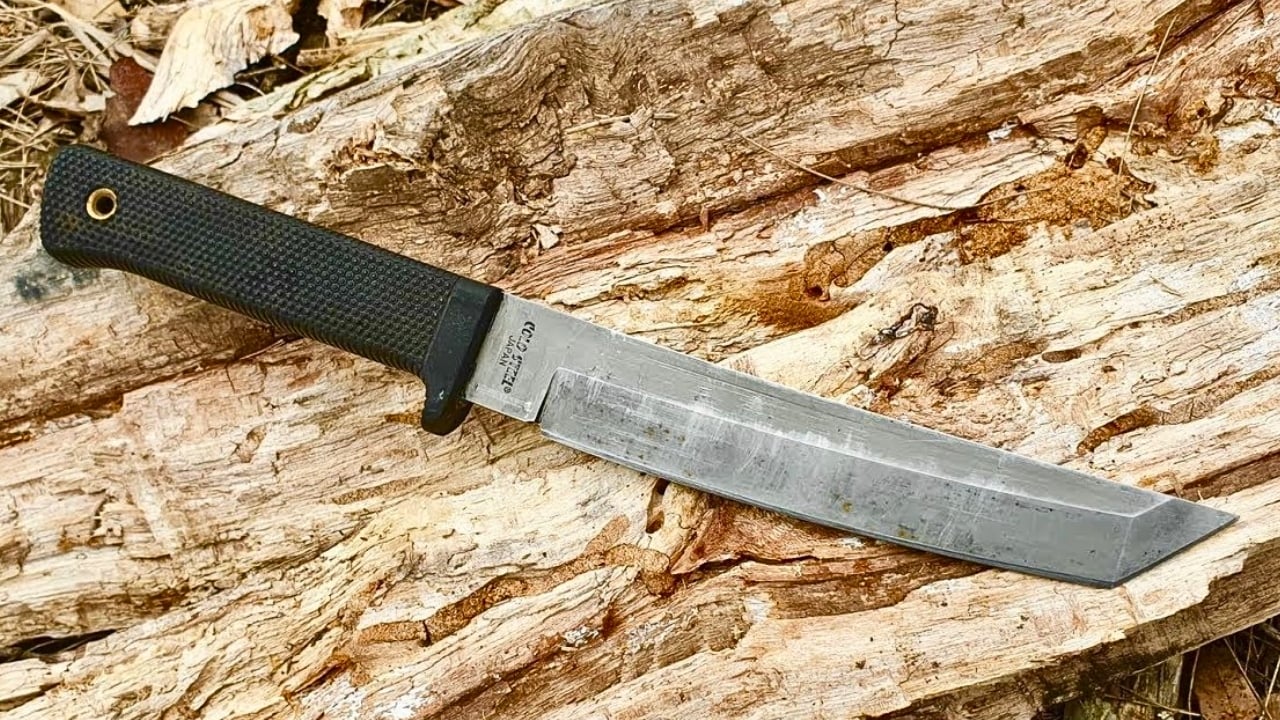
People either love tantos or roll their eyes at them. The Recon Tanto is the one that makes even the skeptics pause because it’s built like it means it. The reinforced point and thick blade make it feel almost overbuilt for normal chores.
Here’s the truth: it’s not the best slicer for food prep, and it isn’t my first pick for caping. But if you want a fixed-blade that you can beat on around the farm, in the woods, and not worry about snapping a tip, it brings value that the price tag doesn’t fully reflect.
14. Spyderco Province
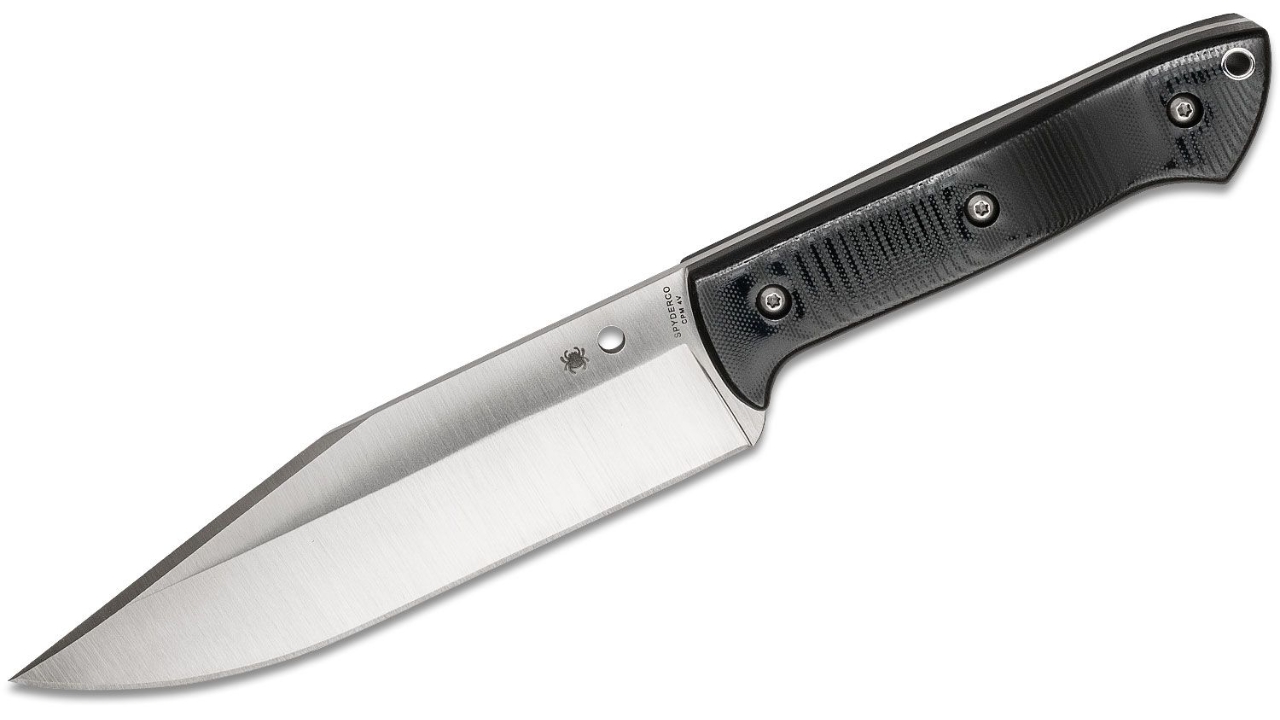
This is one of those knives that looks pricey until you handle it next to other big fixed-blades. The balance is good, the steel is serious, and it feels like it was meant for real hunting work—skinning and processing—more than pretending to be a tactical wedge.
It’s a bigger blade, so it’s not for everybody. But if you hunt larger animals or you just like a longer, more capable knife that still cuts clean, the Province can feel like you got away with something when you consider what similar knives cost.
15. Spyderco Mule Team (various steels)
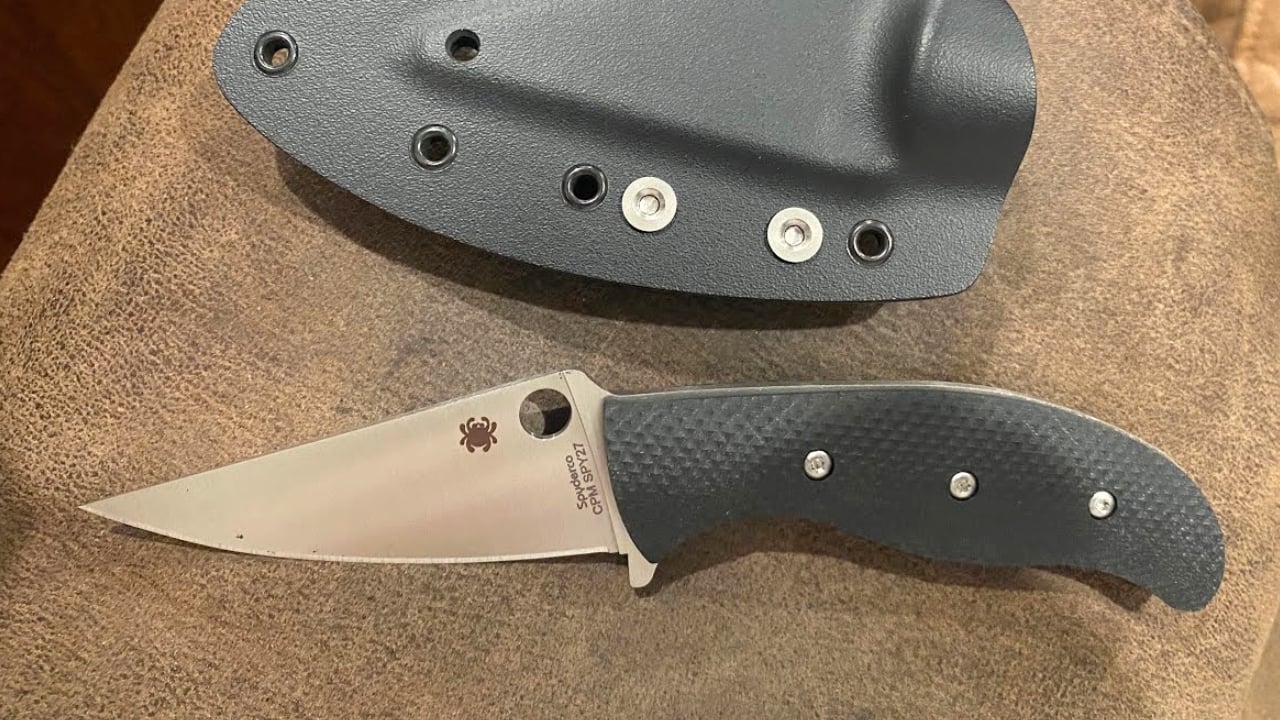
The Mule is odd if you’ve never seen one: a bare-bones fixed-blade platform that lets you choose scales. That simplicity is the value. You’re buying good steel and good geometry without paying for a bunch of branding fluff.
If your local counter stocks them occasionally, don’t overlook it. A Mule with a handle you like can become one of those “forever users” that stays in your kit because it’s honest and easy to keep sharp.
16. Benchmade Steep Country

This is a purpose-built hunting knife that doesn’t pretend to be anything else. The blade shape works for skinning and general processing, and it carries like a lightweight tool instead of a belt anchor. If you’ve ever fought a too-thick “outdoor” knife while trying to do fine work, you’ll appreciate this one.
Benchmade costs can sting, but the Steep Country often feels like a fair trade because it’s so usable. It’s a knife that earns its spot during season, not one that lives in a drawer.
17. Kershaw Camp 10
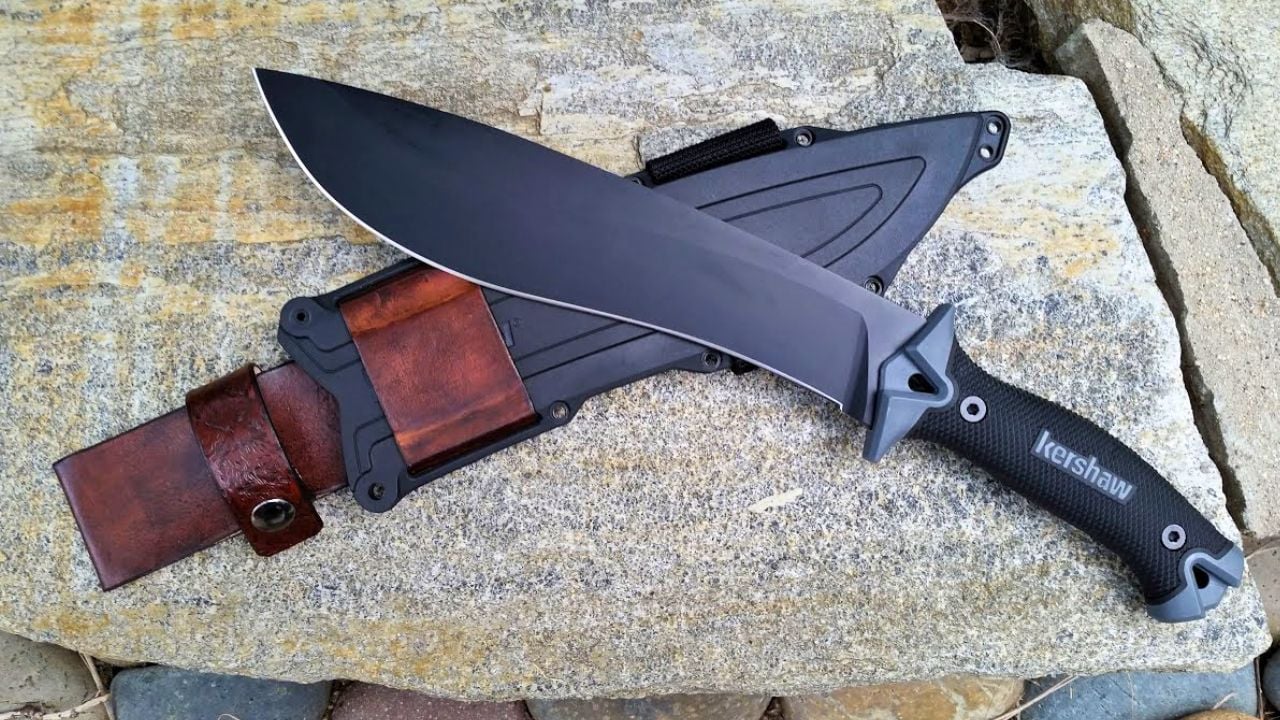
If you want a budget chopper that’s more useful than it has any business being, the Camp 10 is it. It’s not refined. It’s big, it’s simple, and it turns light wood into kindling without you babying it. For camp setups where you’re processing a pile of wrist-thick stuff, it’s a workhorse.
It’s not a substitute for an axe, and it’s not a delicate knife. But for the price, it fills a role a lot of folks try to cover with a “tough” fixed-blade that’s actually too short to chop well.
18. Schrade SCHF9

Schrade has been all over the map over the years, so I’m not telling you every Schrade is a winner. The SCHF9, though, has surprised a lot of people. It’s a hefty, full-tang knife that can take abuse, and it typically comes in at a price that feels like a mistake.
The tradeoff is weight and a little roughness in fit and finish. Still, for a truck knife, camp beater, or loaner blade you won’t cry over, it’s a strong value pick when you find a good example.
19. Helle Temagami
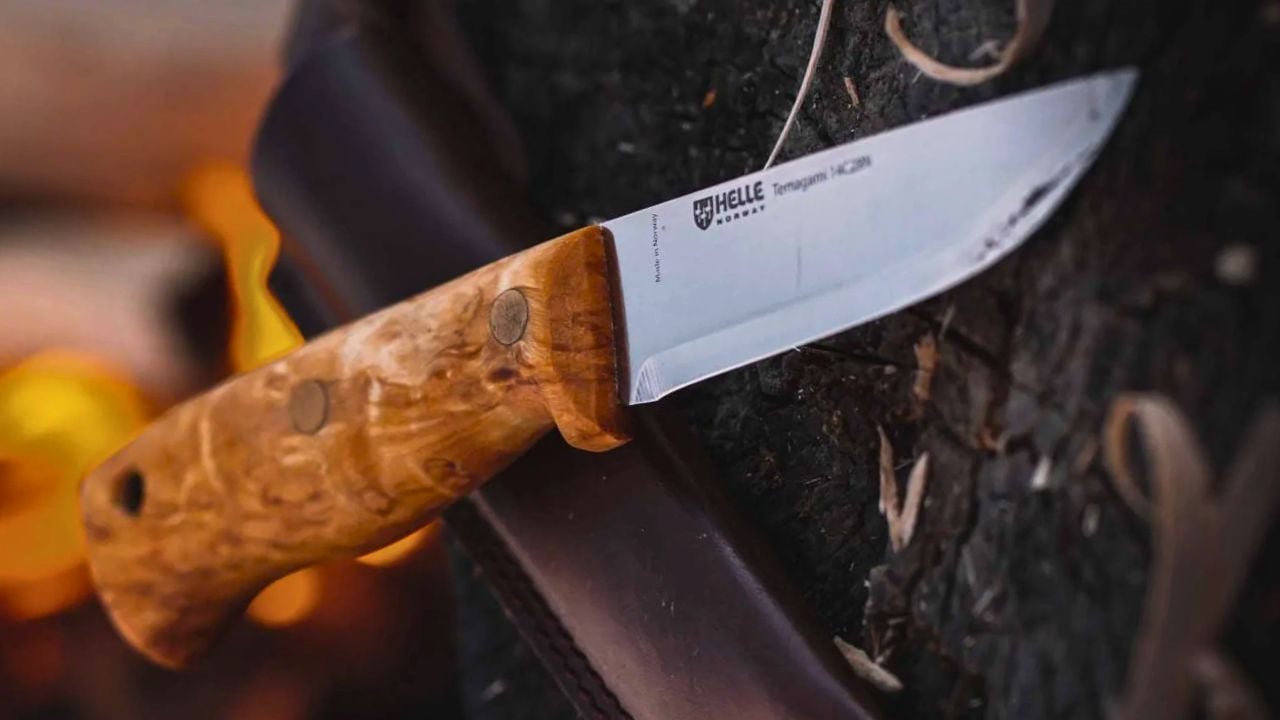
This one is for the guy who appreciates a knife that cuts like a knife, not like a pry bar with an edge. The Temagami is light and lively in the hand, and it’s the kind of blade that makes woodcraft tasks—feather sticks, notches, light carving—feel controlled.
You do need to respect it. It’s not built for hammering through everything. But if you’ve only used thick, clunky fixed-blades, a Helle can be an eye-opener. Ask me how I know.
20. Boker Magnum Collection Hunting Knife (440A classics)
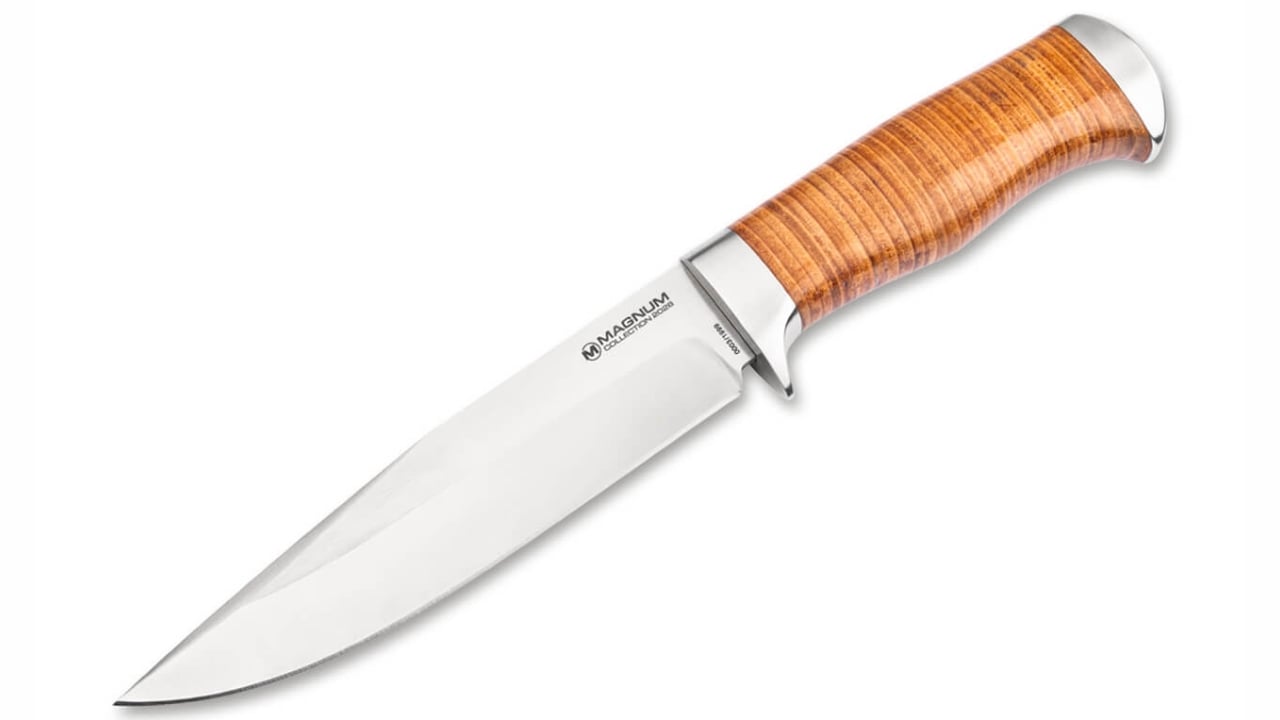
You’ll see these in display cases and it’s easy to dismiss them as “gift knives.” Some are exactly that. But the simple Boker Magnum fixed-blade hunting patterns—the straightforward drop points and skinners—can be surprisingly capable if you treat them like what they are: affordable working knives that want a little sharpening and a little care.
They won’t outlast a premium blade if you abuse them. But for the price at a counter, they can do a full deer and keep going, and they’re often the knife that gets a new hunter through a season without any drama. There’s value in that.
None of these knives are magic, and you can ruin any blade by treating it like a crowbar and never sharpening it. But if you want a fixed-blade that earns its keep instead of living in the bottom of a pack, start here. Handle a few, pay attention to the sheath and how it sits on your belt, and buy the one you’ll actually carry. The best knife at the counter is the one that ends up with blood, sap, and honest wear on it.
Like The Avid Outdoorsman’s content? Be sure to follow us.
Here’s more from us: